

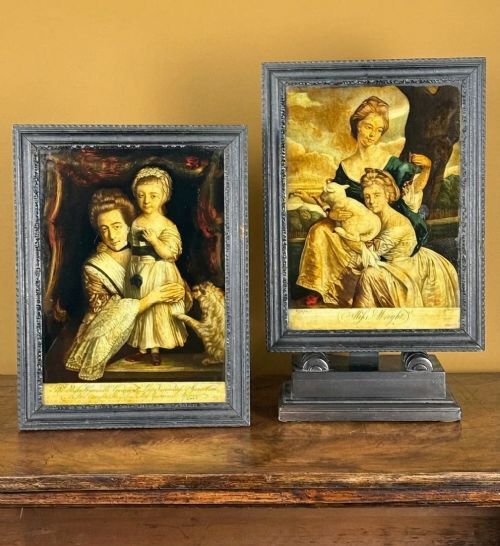
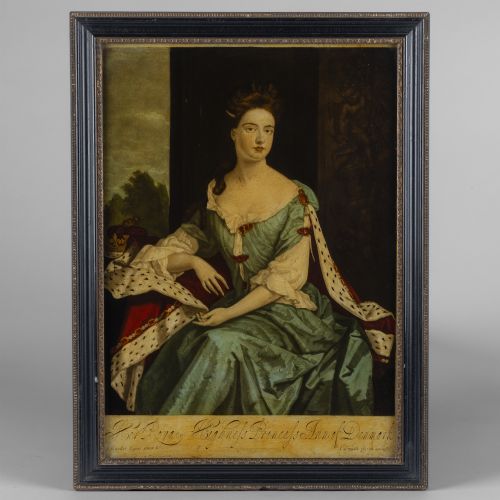
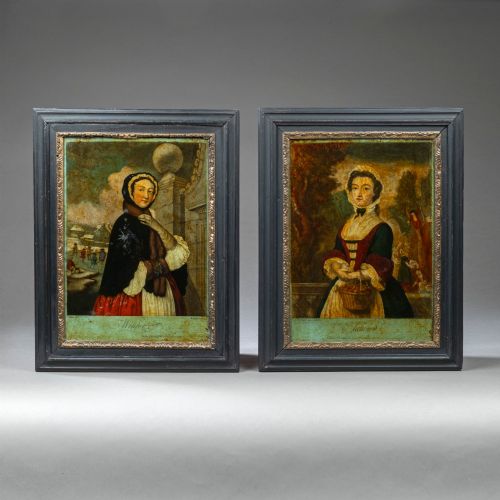
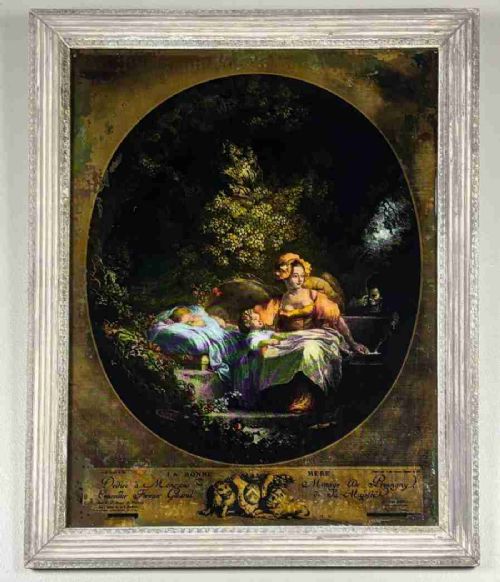





Reverse Glass Mezzotints
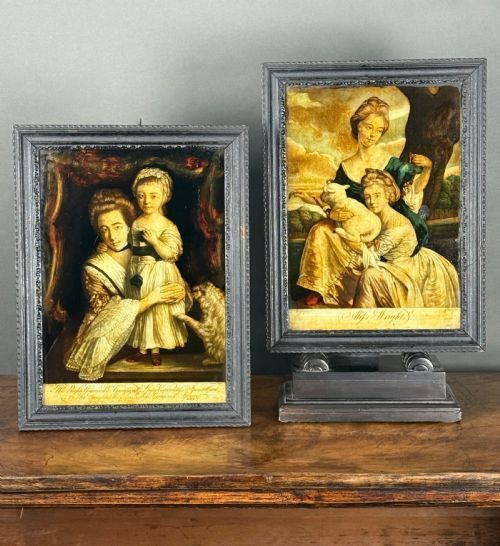
These reverse glass mezzotints are striking framed portraits and allegorical scenes designed to catch the candlelight in period interiors.
Reverse Glass Mezzotints
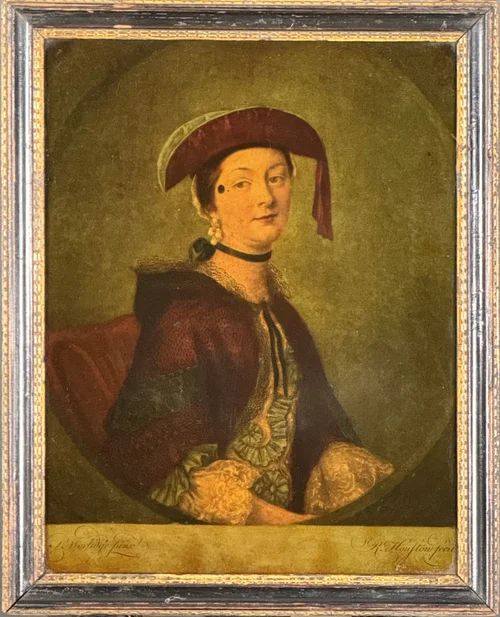
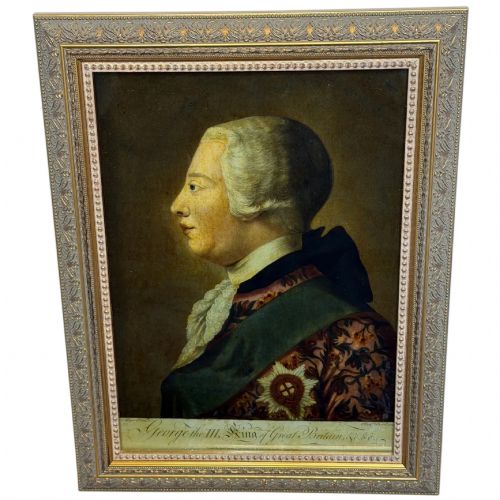
When you search for reverse glass mezzotints, you encounter delicate historical wall art created during the eighteenth and early nineteenth centuries. These pictorial works encompass distinguished portraits of nobility, royal figures such as King George III and Queen Anne, and allegorical seasonal pairs.
The objects span periods from the early Georgian era through the Regency, reflecting the refined taste of British drawing rooms. Most examples take the form of vertical framed pictures designed specifically for wall display.
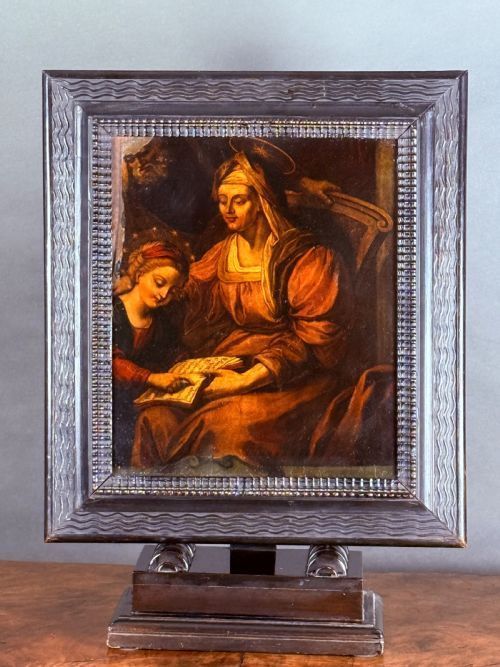
Subjects range from named aristocratic sitters like Countess Spencer and Lady Georgiana to narrative compositions including religious scenes and domestic employment. Collectors frequently find seasonal sets depicting figures such as Autumn and Winter or Spring and Summer.
Materials and construction
The foundational technique requires transferring a mezzotint print directly onto the reverse side of a glass sheet, where the paper is often rubbed away until only the inked impression remains. Artisans then apply oil paint, pigment, and gold leaf meticulously to the back of the glass to build up colour and luminosity.
Finished plates are secured within traditional wooden frames that protect the fragile medium and complement the reflective surface. The interaction between oil pigment and glass creates a distinct depth that differs entirely from standard paper prints.
Reverse Glass Mezzotints Retail Price Guide 2026
Typical asking prices for reverse glass mezzotints among the pieces listed under this phrase on Sellingantiques today, from the lower quarter to the upper quarter. They describe what is for sale here now, not the wider market.
Listings feature works spanning the Georgian and Regency periods, utilising glass, wood, paper, oil paint, and gold leaf.
Assessing quality
Preservation of the delicate pigment layer behind the glass dictates the ultimate desirability of any piece. Examples retaining their original gilding and untouched wooden frames demonstrate greater integrity than those altered over time.
Charles Spooner·Richard Purcell·W Bishop
The Reverse Glass Mezzotints Glossary
- Mezzotint
- A printmaking process where the copper plate is roughened uniformly to produce dark tones, allowing smooth gradations of light and shade. This method creates rich velvety darks suited to portraiture.
- Reverse glass painting
- An artwork executed by applying paint and metallic leaf to the rear face of a glass pane to be viewed from the front. The technique protects the pigment from atmospheric dirt.
- Georgian
- The period spanning the reigns of the four Georges, characterised by classical restraint and refined decorative arts. Items from this era show distinct proportion and elegance.
- Regency
- The stylistic epoch governed by the Prince Regent, marked by archaeological revival and bolder decorative statements. Furniture and wall art from this time display sharper contrasts.
Reverse Glass Mezzotints: Frequently Asked Questions
How do I hang these securely?
Because the image rests on a fragile glass plate held within a wooden frame, these pieces require robust picture wire and sturdy wall fixings. Avoid locations subject to vibration or direct sunlight that might damage the underlying pigments.
Ensure the hook engages directly with a wall stud or appropriate masonry anchor. Professional framing support helps distribute the weight evenly across the structure.
Where were they displayed originally?
Wealthy Georgian and Regency homeowners placed these luminous pictures in parlours, withdrawing rooms, and hallways where flickering candlelight enhanced their reflective surfaces. They functioned as both status symbols and fashionable interior decoration.
Their polished appearance allowed them to brighten darker wood-panelled rooms typical of eighteenth-century domestic architecture.
How should I clean the glass?
Maintenance requires gentle dusting with a soft, dry microfibre cloth rather than spraying liquid cleaner directly onto the surface. Moisture can seep beneath the wooden frame edge and disrupt the delicate oil pigments applied to the rear.
Keeping the environment stable and dry prevents condensation from forming behind the glass plate.
Can I identify the print source?
Many eighteenth-century examples derive from popular published mezzotints after well-known portrait painters such as Richard Phillips. Examining the inscription area beneath the image often reveals the name of the engraver and the original artist.
Comparing these details with period print dealer records helps establish the specific lineage of the composition.