



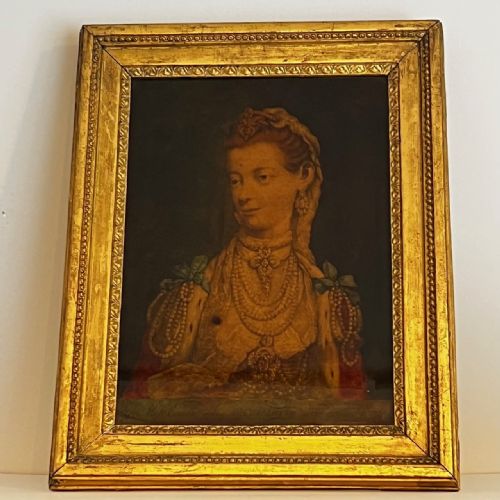
Framed Reverse Glass Paintings
Framed reverse glass paintings require painting or applying a print to the rear of a glass sheet so the image reads correctly from the front.
Framed Reverse Glass Paintings
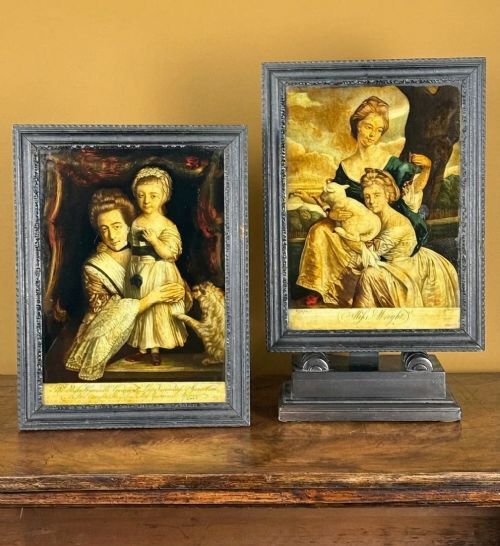
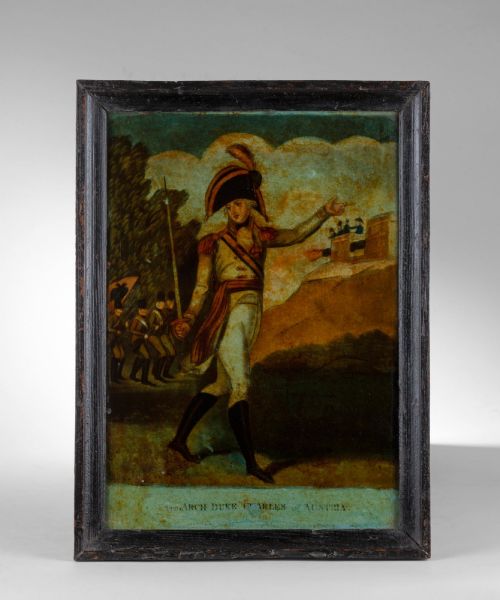
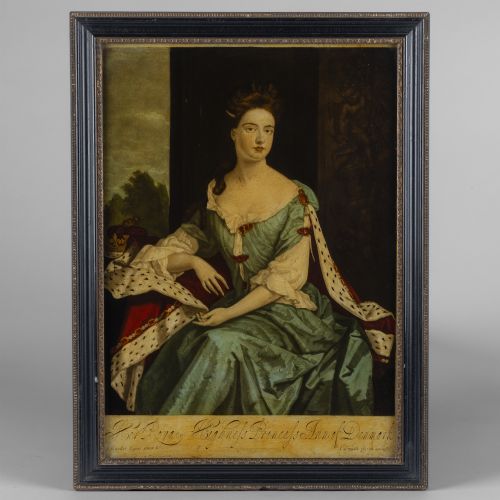
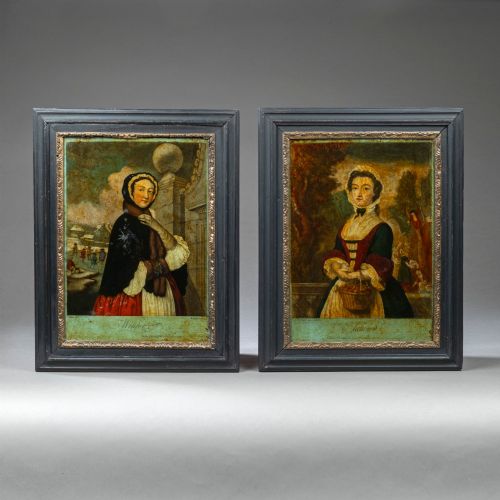
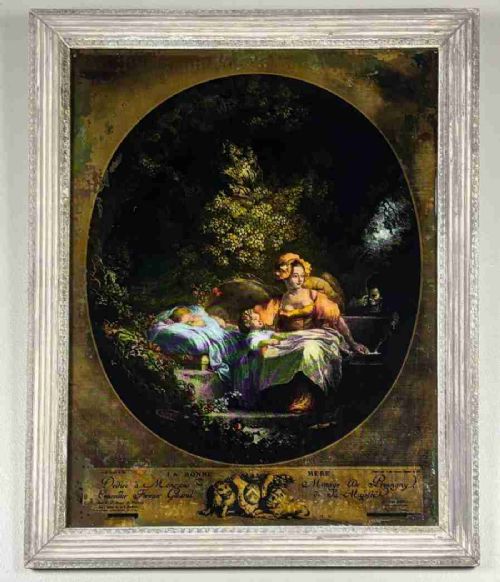
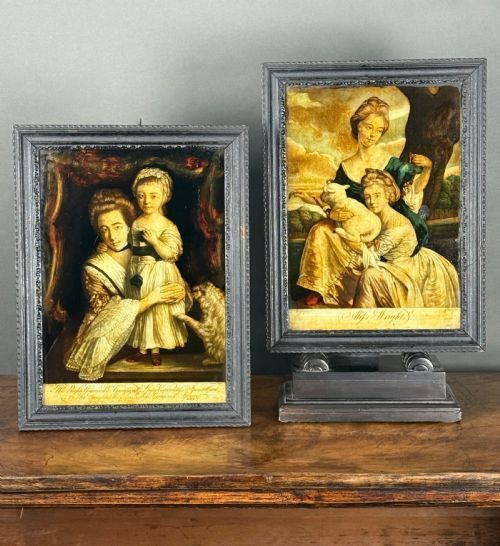
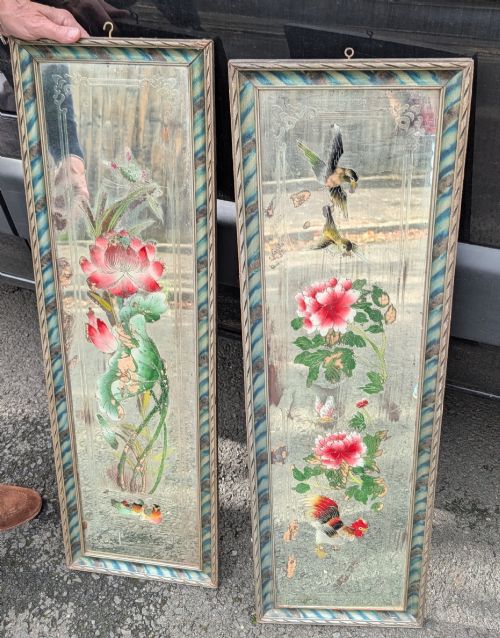
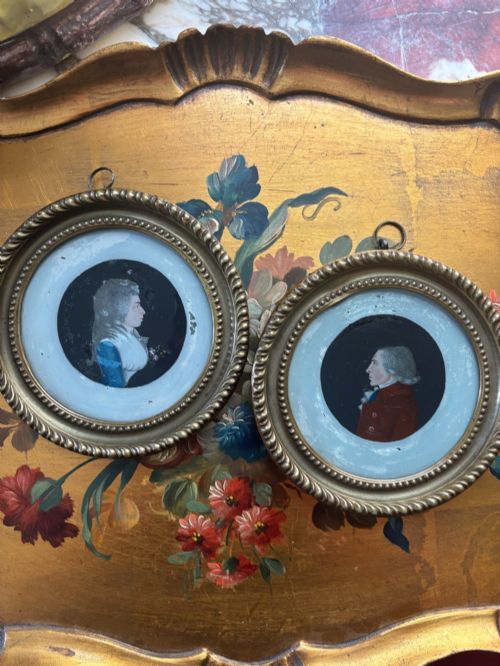
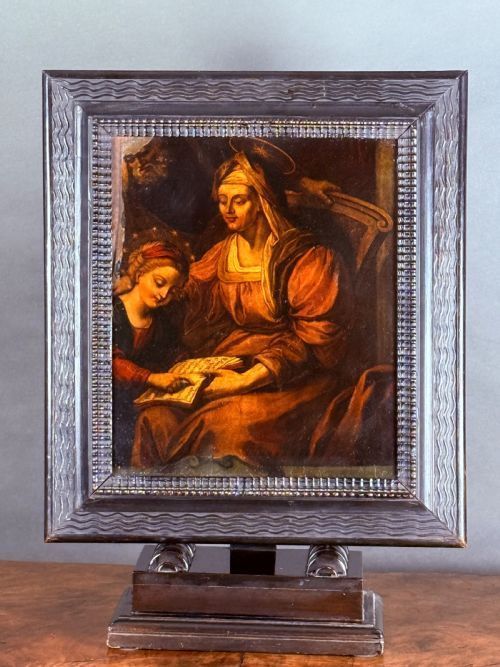
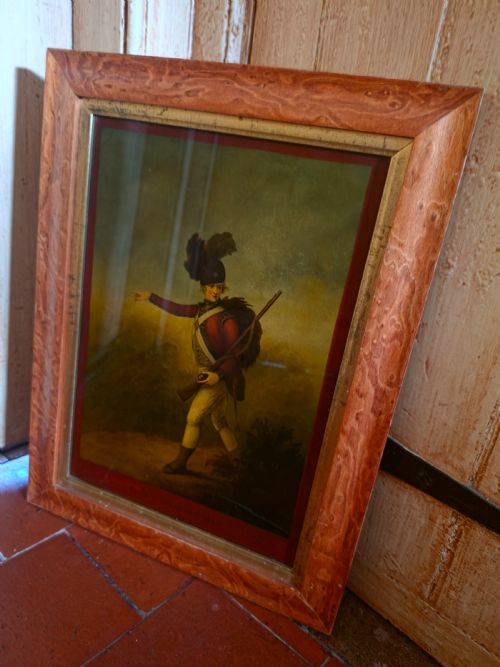
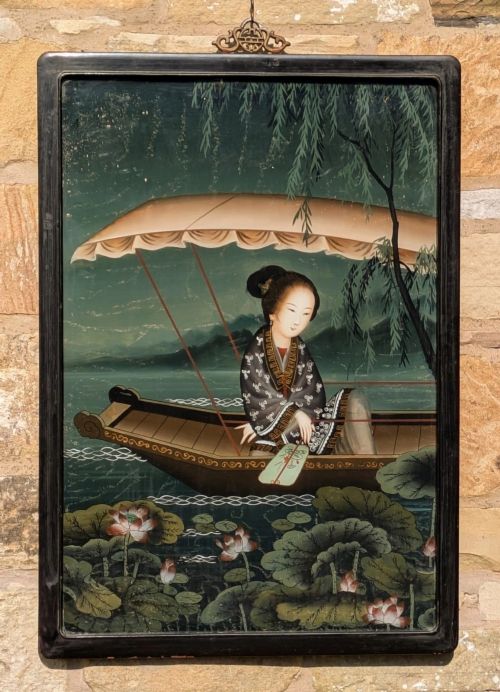
Framed reverse glass paintings present imagery applied directly to the back of a glass panel, encompassing portraits, allegorical scenes, and naval engagements. When searching for framed reverse glass paintings, buyers encounter Georgian and Regency examples alongside Chinese export pieces and Victorian crystoleoms.
The technique requires the artist to work in reverse, applying fine details and highlights first before laying down broader background pigments. Surviving works frequently pair subjects like seasonal allegories, royal figures, or literary characters within period wood and gilt frames.
How they were made
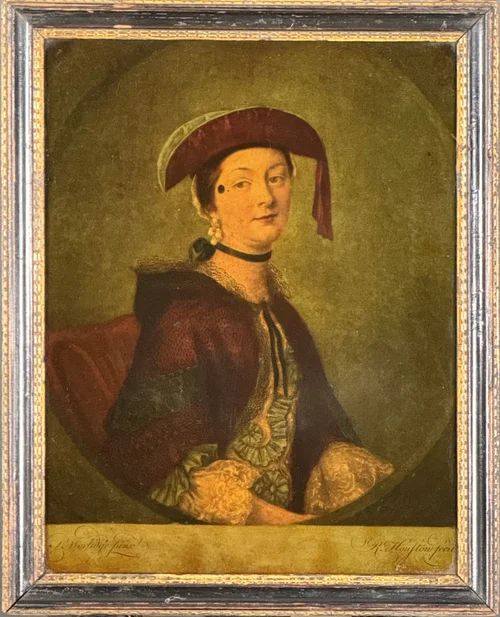
Maker operations begin with glass sheets combined with paper prints, oil paint, or pigments. Mezzotint engravings are transferred face down onto the glass surface, allowing the paper backing to be rubbed away until only the inked lines remain.
Artists then apply oil paint, watercolour, or gold leaf directly to the back of the glass panel. Wood, brass, and gilt wood frames secure the fragile glass panels while protecting the delicate pigment layers from atmospheric damage.
Framed Reverse Glass Paintings Retail Price Guide 2026
Typical asking prices for framed reverse glass paintings among the pieces listed under this phrase on Sellingantiques today, from the lower quarter to the upper quarter. They describe what is for sale here now, not the wider market.
Current listings feature pieces spanning the Georgian, Regency, Victorian, and early twentieth-century periods, utilising glass, wood, paper, oil paint, and gilt wood.
What varies in quality
The surrounding frame also dictates standard, with original maple or gilt wood mouldings holding higher regard than later replacements. The complexity of the subject, such as multi-figure historical scenes or armorial crests, separates standard decorative works from master outputs.
Charles Spooner·Richard Purcell·Takabatake Kasho·W. Bishop
The Framed Reverse Glass Paintings Glossary
- Reverse glass painting
- An artwork created by applying paint directly to the rear of a glass sheet so the composition is viewed through the transparent front. This method protects the pigment from dust and surface abrasion.
- Mezzotint
- A printmaking process of the intaglio family where the plate is roughened to produce dark tones and scraped to produce light areas. These prints served as the foundational transfer layer for many eighteenth-century works.
- Crystoleom
- A Victorian method of applying a paper photograph or print to glass, making it transparent with oil, and hand-painting the rear surface. This process creates a layered three-dimensional appearance.
- Chinoiserie
- A European artistic style reflecting Chinese artistic influences, frequently seen on imported mirrors and wall art. Artisans used this aesthetic to ornament domestic interior panels.
- Armorial crest
- A design based on heraldic achievements, painted onto glass to record family lineages. These symbols often appear in specific nineteenth-century commissions.
Framed Reverse Glass Paintings: Frequently Asked Questions
How do you clean framed reverse glass paintings safely?
Clean the exterior glass gently using a dry or barely damp microfiber cloth without spraying liquid directly onto the frame joints. Moisture can seep behind the glass panel and reactivate historical pigments or adhesives.
Keep these artworks away from direct sunlight and high humidity environments to prevent the paint layers from lifting off the glass substrate.
Are these paintings fragile?
The glass panel itself forms the primary structural support and remains vulnerable to impact and thermal shock. Original wooden frames provide edge protection, but the mounted glass requires careful handling during relocation.
Display locations need sturdy wall anchors because the combined weight of glass, pigment, and wood frames can be substantial.
How can I tell a Georgian piece from a Victorian one?
Georgian and Regency examples frequently utilise mezzotint prints transferred to glass with delicate hand-applied watercolour or oil highlights. Subjects often include royal portraits, naval battles, and classical allegories.
Victorian pieces transition towards crystoleoms and distinct portrait types framed in heavier moulded woods. The underlying paper and pigment characteristics help establish the specific period.
Where were these pieces displayed originally?
Wealthy households hung these artworks in parlours, hallways, and formal reception rooms as decorative wall art or paired mirrors. Smaller portraits and silhouette miniatures sat on mantelpieces or within intimate study spaces.
Export pieces from China arrived for European trade markets, satisfying domestic demand for exotic interior decoration.