



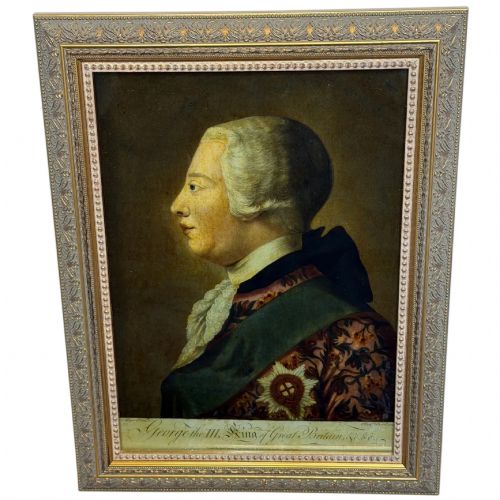


Glass Mezzotint Portrait
A glass mezzotint portrait brings delicate monochrome depth and striking 18th-century likenesses directly onto your wall through reverse painting.
Glass Mezzotint Portrait
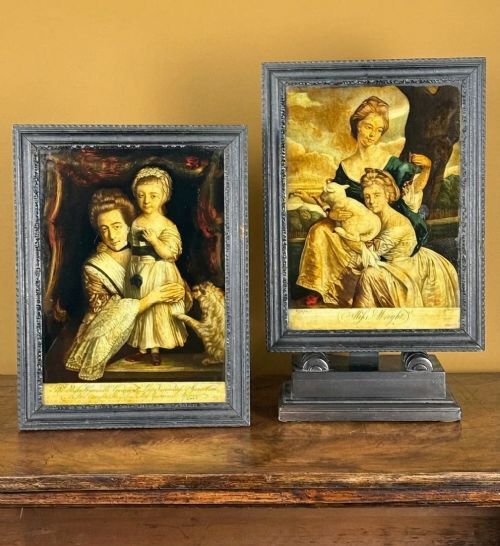
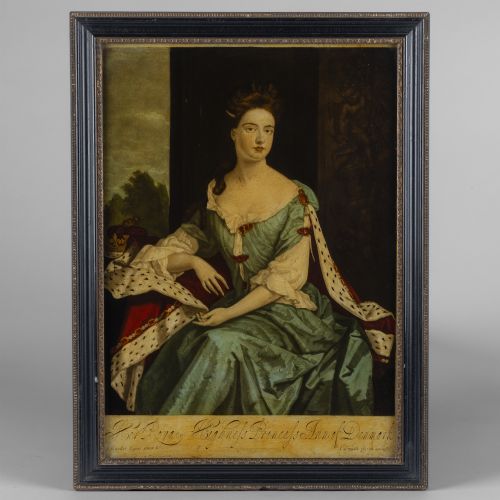
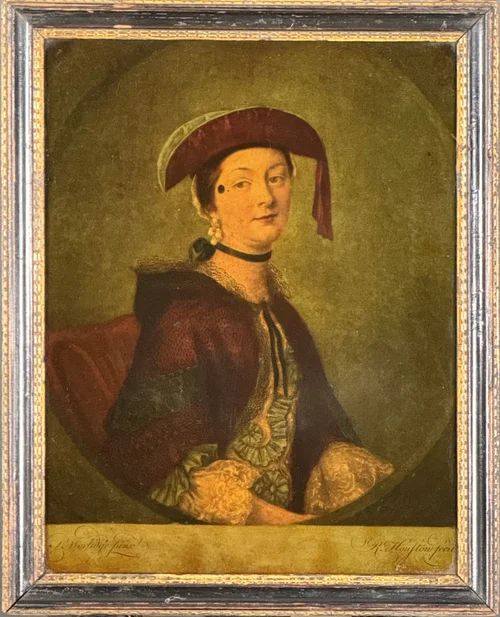
A glass mezzotint portrait is a specialised form of wall art created by transferring or painting images on the reverse side of a glass panel. When you search for glass mezzotint portrait, you encounter works spanning the Georgian, Victorian, and 17th-century periods, alongside specific Victorian crystoleum pictures.
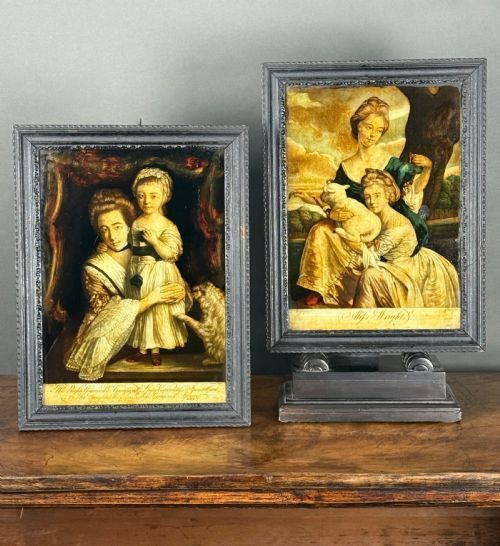
The subjects depicted include royal figures such as King George III and Queen Anne, alongside notable figures like Mrs Brooks, Countess Spencer, and Miss Campbell. These pieces frequently manifest as framed prints or reverse glass paintings, often appearing in historic pairs representing seasonal themes or companion portraits.
Most examples originate from the Georgian era, capturing the distinct aesthetic of 18th-century print culture through reverse glass techniques. These framed pictures function primarily as wall art, offering a window into historical portraiture preserved beneath a protective layer of glass.
Materials and construction
The foundational medium relies on glass panels combined with paper, oil paint, and oil pigment applied to the reverse surface. Artisans also integrated gold leaf and simple pigments to enhance specific details of the portrait before framing the piece in wood.
Makers utilised engraving and painting techniques associated with traditional mezzotints, subsequently transferring or painting the imagery onto glass. This reverse application required precise hand-colouring or pigment layering so the final image appeared correctly oriented when viewed through the front of the glass.
Glass Mezzotint Portrait Retail Price Guide 2026
Typical asking prices for glass mezzotint portrait among the pieces listed under this phrase on Sellingantiques today, from the lower quarter to the upper quarter. They describe what is for sale here now, not the wider market.
Listings feature works spanning the 17th, 18th, and 19th centuries, utilising glass, wood, oil paint, gold leaf, and paper.
Factors of distinction
The preservation of original materials, including the wooden frame and underlying paper components, contributes significantly to the integrity of the piece. Works executed by documented printmakers or publishers demonstrate superior artistic execution compared to anonymous workshop output.
Charles Spooner·Richard Purcell·Robert Sayer·Richard Phillips
The Glass Mezzotint Portrait Glossary
- Mezzotint
- A printmaking process of the intaglio family where the plate is roughened to achieve tones and rich darks. This technique allows for subtle gradations of light and shade crucial for portraiture.
- Reverse glass painting
- An art form where the artist paints on the back of a piece of glass and views the image from the front. This method protects the pigment from dust and environmental degradation.
- Crystoleum
- A Victorian method of applying a colourless print to the inside of a convex glass and hand-colouring it with oil paint. It gained popularity during the Victorian era for producing dimensional portraits.
- Georgian
- Pertaining to the period of British history covering the reigns of the first four Georges, known for refined decorative arts. Items from this era frequently employ classical proportions and portrait conventions.
- Intaglio
- A printing and printmaking technique in which the image is incised into a surface. Engravings and mezzotints fall under this broad category of print production.
Glass Mezzotint Portrait: Frequently Asked Questions
What is a glass mezzotint portrait?
A glass mezzotint portrait is a historic work of art created by applying print and paint techniques to the reverse side of a glass panel. These pieces combine printmaking with hand-applied oil pigments to render detailed likenesses of historical figures.
Surviving examples date primarily from the Georgian and Victorian eras, preserved within wooden frames as wall art. The technique creates a distinct glossy finish that protects the delicate pigments underneath.
How should I hang these portraits?
These framed prints require secure wall mounting away from direct sunlight to protect the fragile pigments and paper components behind the glass. Because the image sits directly against the glass, stable indoor humidity prevents moisture accumulation.
Consider pairing companion pieces, such as seasonal representations, symmetrically on the wall to maintain historic display conventions. Ensure the wooden frame is adequately supported by appropriate picture wire and wall fixings.
Who are the subjects depicted?
The subjects include British monarchs such as King George III and Queen Anne, alongside aristocracy like Countess Spencer and Lady Georgiana. Other portraits depict named sitters including Mrs Brooks and Miss Campbell, as well as allegorical figures representing the seasons.
These individuals reflect the popular portraiture of the 18th and 19th centuries, often sourced from contemporary mezzotint engravings. Domestic scenes also appear alongside formal portrait studies.
How do I distinguish between periods?
Identifying the period involves examining the framing style, the nature of the pigments, and the subject matter characteristic of 17th, Georgian, or Victorian aesthetics. Georgian pieces frequently feature distinct engraving styles associated with makers from that century.
Victorian examples often include specialised techniques like crystoleum pictures, which utilise convex glass and detailed oil painting. Comparing the mounting materials and paper backing provides further clues to the manufacturing date.