





Glass Mezzotint Portraits
Glass mezzotint portraits bring rare 18th-century and Georgian portraiture into your rooms with remarkable depth, offering a tactile glimpse into historic British portrait art.
Glass Mezzotint Portraits
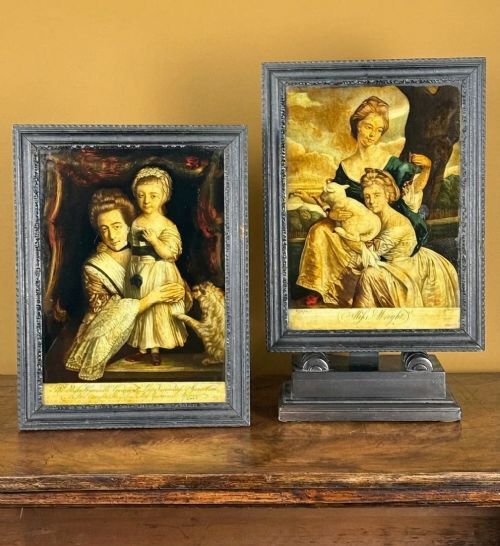
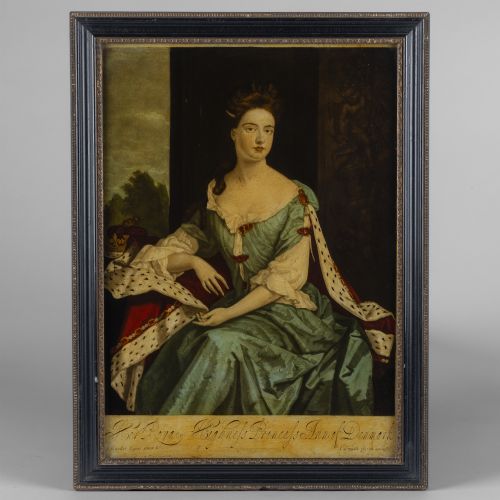
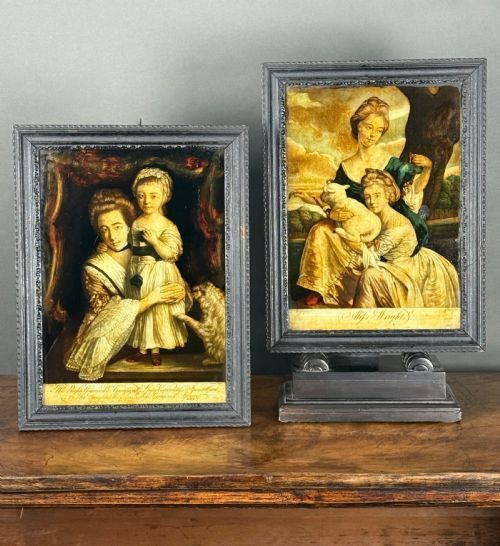
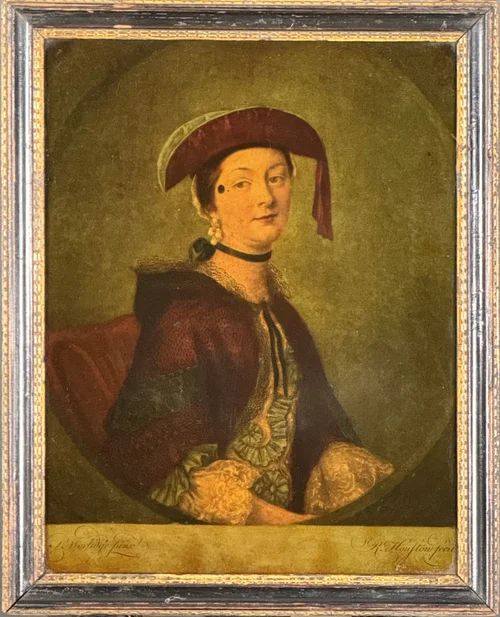
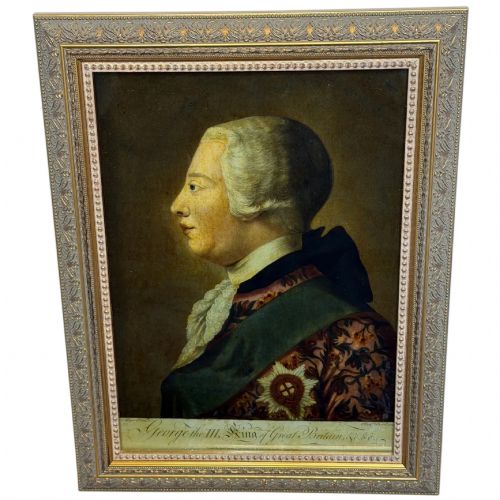
Glass mezzotint portraits are intriguing wall art pieces that combine printmaking techniques with reverse glass painting. When you browse glass mezzotint portraits on this page, you encounter historical representations rendered with distinct visual weight.
The pieces listed here span the Georgian and Victorian periods, alongside specific 18th-century examples. You will frequently find subjects such as Queen Anne, King George III, and aristocratic sitters depicted within framed formats.
The forms on this page include framed pictures, reverse glass prints, and reverse painted mezzotints. These works capture notable historical figures and domestic scenes through intricate print and paint methods.
How they were made
Maker execution relies on glass sheets paired with paper, oil paint, and pigment. Artisans applied oil pigment and paint directly to the glass surface, often incorporating gold leaf for subtle illumination.
Techniques involve transferring or applying print elements behind glass panels, sometimes enhanced with hand-applied oil paint. Wood frames provide the structural support for these delicate layered compositions.
Glass Mezzotint Portraits Retail Price Guide 2026
Typical asking prices for glass mezzotint portraits among the pieces listed under this phrase on Sellingantiques today, from the lower quarter to the upper quarter. They describe what is for sale here now, not the wider market.
Countess Spencer and Lady Georgiana make repeat appearances on glass, proving high society loved a joint viewing.
What varies in quality
Quality differences emerge in the precision of the reverse painting and the clarity of the underlying mezzotint impression. Finer examples display meticulous brushwork alongside well-preserved pigment layers on the glass.
The integrity of the framing and the condition of the paper and oil components influence the overall presence of the piece. Superior specimens maintain vibrant pigments and secure integration between the glass and its wooden housing.
The Glass Mezzotint Portraits Glossary
- Reverse glass painting
- A technique where an image is painted on the back of a glass sheet and viewed from the front. This method protects the pigment from surface damage and dust.
- Mezzotint
- A printmaking process of the intaglio family where tones are created by roughening the copper plate with a rocker. It allows for smooth gradations of light and shade.
- Crystoleum
- A Victorian method of applying a coloured photograph or print to the inside of convex glass and painting it by hand. The paper backing is then rubbed away.
- Pigment
- A finely ground material that provides colour in paints and inks. Natural mineral and organic pigments were utilised in historical portraiture.
Glass Mezzotint Portraits: Frequently Asked Questions
What is a glass mezzotint portrait?
It is a historical artwork created by transferring or painting a mezzotint image onto the reverse side of a glass panel. These works often feature royal or aristocratic sitters from the Georgian era.
The technique creates a luminous quality distinct from standard paper prints, as the glass protects the delicate pigments underneath.
How should I hang these portraits?
Hang them on interior walls away from direct sunlight to protect the fragile pigments and oil paint on glass. Ensure the wooden frame is securely fastened to support the weight of the glass panel.
Stable indoor humidity helps preserve both the wooden framing and the internal paper components over time.
How do I identify a Georgian piece?
Look at the framing style, the subjects depicted, and the construction methods typical of 18th-century workshops. Portraits of monarchs like King George III or Queen Anne frequently date to this active period.
The materials, including early glass panels and hand-mixed oil pigments, also point towards Georgian manufacture.
Are these prints or paintings?
They are a hybrid of both, utilising printed mezzotint lines that are subsequently hand-painted on the reverse of the glass. Artists combined printmaking with direct oil pigment application.
This dual approach gives the portraits their characteristic depth and distinct visual texture.