
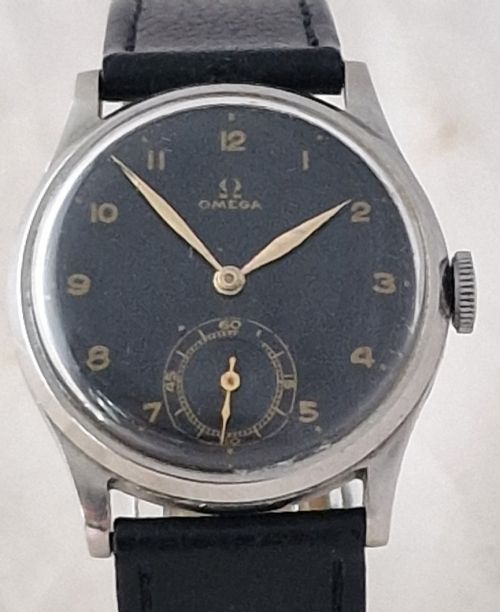
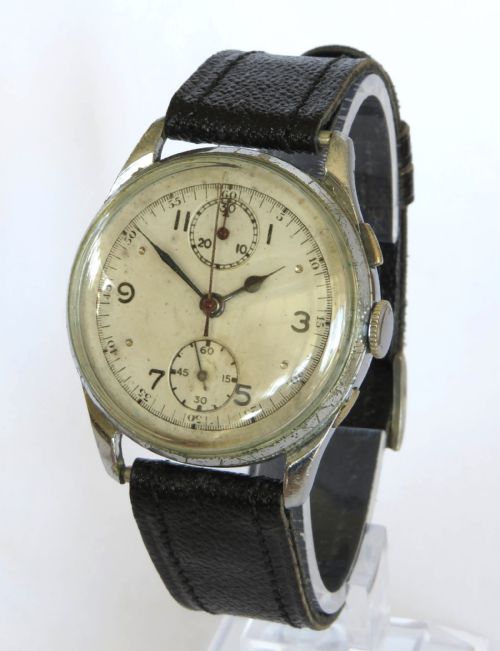

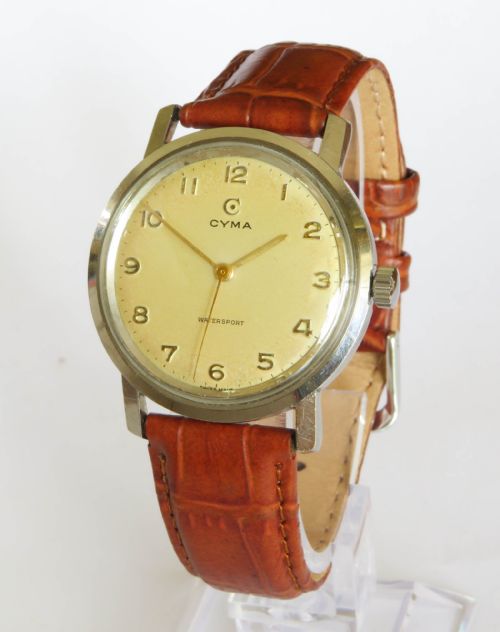
Retro Steel Wrist Watch
A retro steel wrist watch brings mid-century design to the wrist, offering durable metals and classic mechanical movements.
Retro Steel Wrist Watch
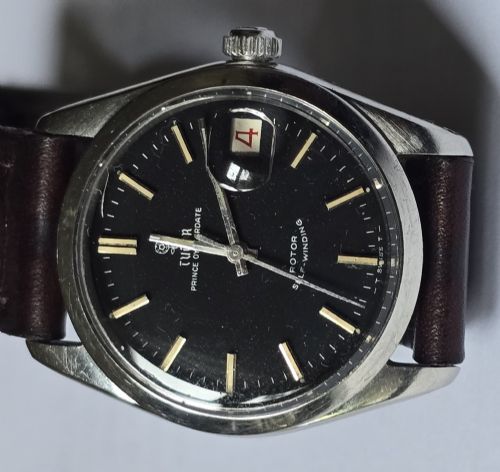
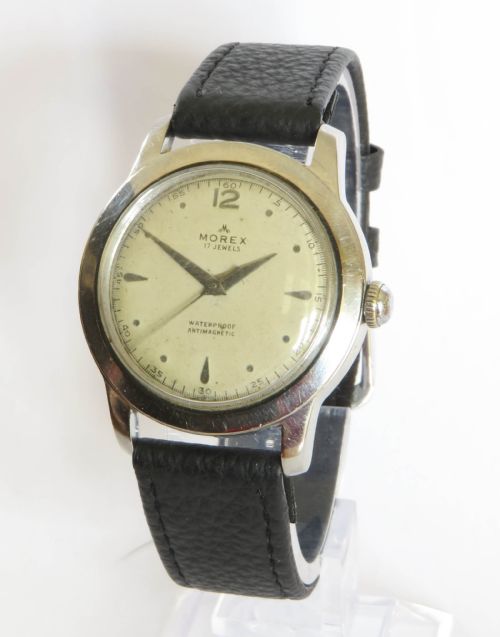
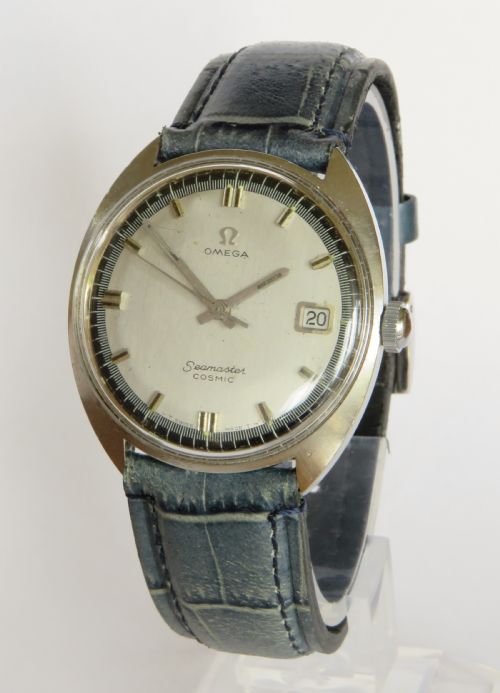
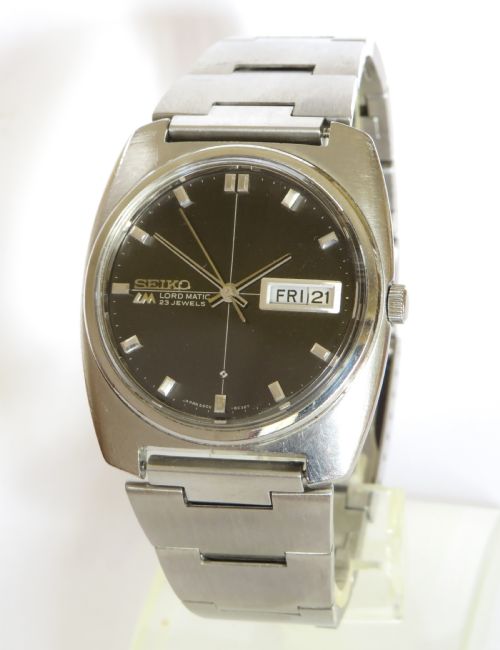
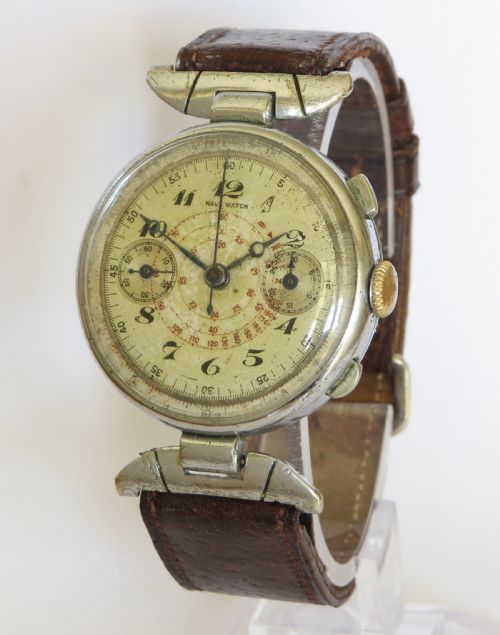
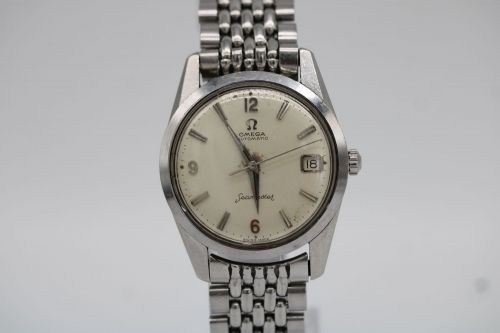
A retro steel wrist watch comprises timepieces spanning several decades, originating from the nineteen-thirties through to the nineteen-seventies and later. These instruments range from simple dress watches to specialised chronographs designed for aviation and sports. The version most commonly met on this page is the gents automatic or mechanical watch housed in a stainless steel case.
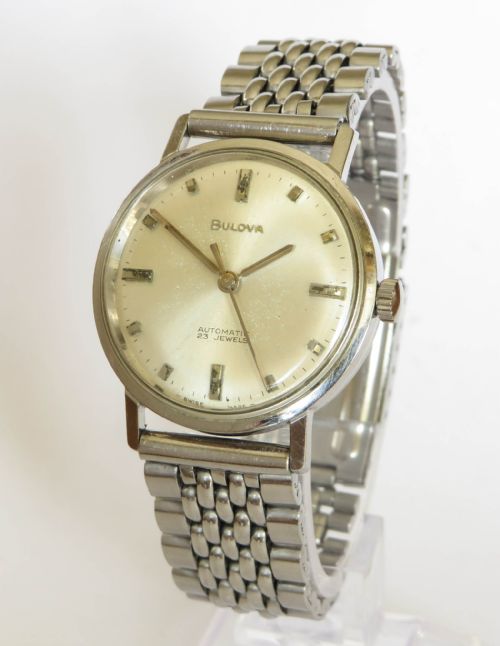
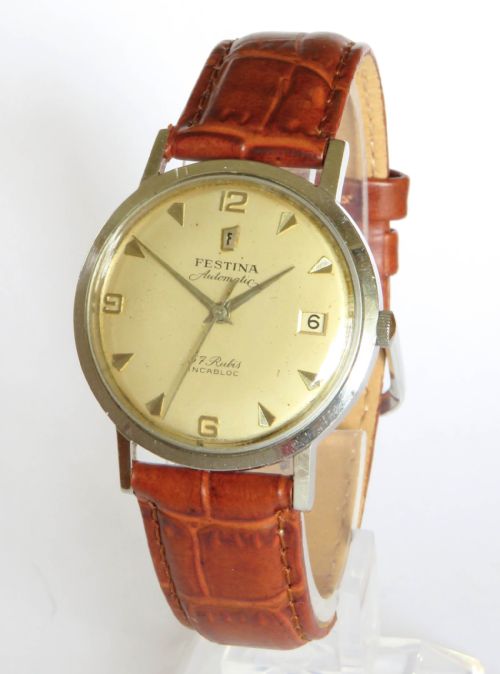
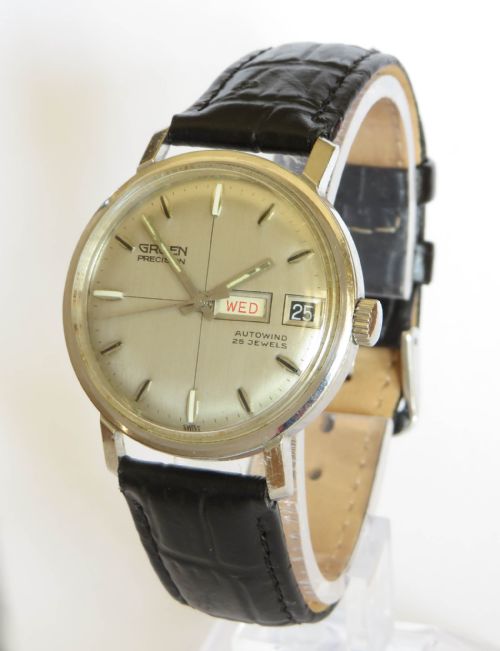
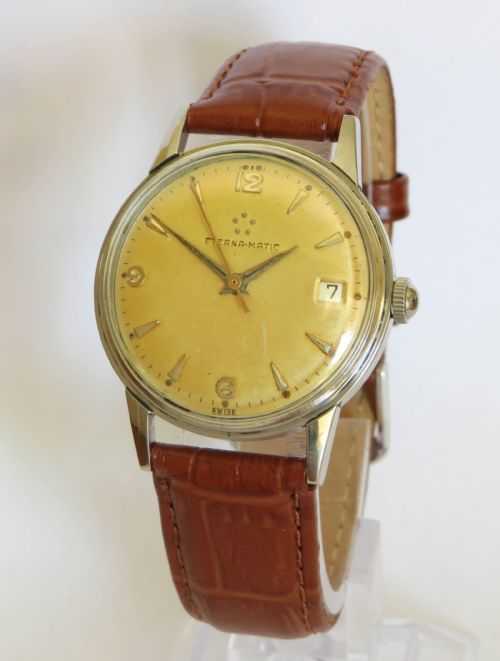
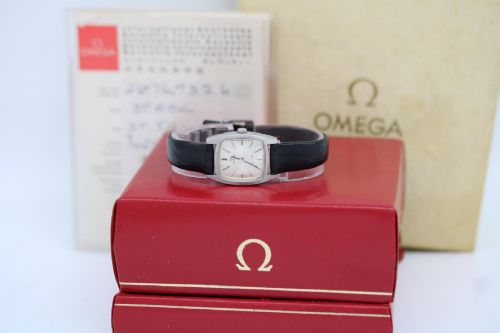
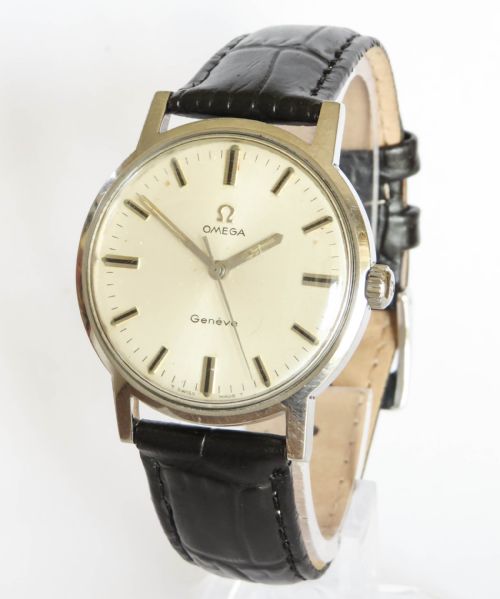
Makers represented include established Swiss and international horological houses such as Omega, Tudor, Seiko, Bulova, and Eterna. Cases frequently pair steel with leather straps, while dials display various configurations including patinated finishes, black faces, and distinct numeral layouts. Period styles stretch from Art Deco geometry to Mid-Century Modernism and nineteen-seventies modern design.
How they were made
The construction relies heavily on stainless steel for durability, paired with chrome and gold plate details on select models. Dials are protected by glass, acrylic, or acrylic glass crystals, housing intricate mechanical and automatic movements driven by numerous jewels.
Straps utilise supple leather to secure the metal cases to the wrist, while specialised chronographs incorporate complex internal gear trains for measuring elapsed time. Case manufacturing combines pressing, turning, and polishing techniques to achieve the desired mid-century profiles.
Materials recorded across the inventory include stainless steel, leather, acrylic, glass, chrome, and gold plate.
What varies in quality
Quality differences often lie in the complexity of the movement and the reputation of the manufacturing house, distinguishing standard three-hand pieces from intricate chronographs. The preservation of original dial details, hands, and case edges significantly influences the overall integrity of the watch.
Materials also play a role, as solid stainless steel housings tend to age more gracefully than plated alternatives. The inclusion of original boxes and documentation adds a layer of completeness valued by collectors.
Tudor·Montilier·Omega·Seiko·Bulova·Festina·Gruen·Eterna·Hahn Landeron·Venus·Cyma·Kered·Enicar·Girard Perregaux·Dogma Prima·Marvin·Tissot·Invicta·Ebana·Benrus·Chronographe Suisse·Smiths Empire
The Retro Steel Wrist Watch Glossary
- Automatic
- A self-winding mechanical movement that uses the natural motion of the wearer's wrist to power the mainspring. This system removes the need for daily manual winding.
- Chronograph
- A watch equipped with a complication for measuring elapsed time, functioning as a stopwatch alongside standard timekeeping. These models often feature additional sub-dials.
- Acrylic glass
- A lightweight, shatter-resistant transparent plastic material used for watch crystals during the mid-century period. It can be polished to remove minor surface scratches.
- Calibre
- The specific internal movement designation used by a manufacturer to identify a particular watch mechanism. Collectors often reference this number to determine the exact generation of a piece.
Retro Steel Wrist Watch: Frequently Asked Questions
How do I wind a mechanical watch?
Turn the crown clockwise between your thumb and forefinger until you feel slight resistance. Stop immediately to avoid over-winding the mainspring.
Perform this action gently at approximately the same time each day if the movement lacks automatic self-winding capabilities.
Are these watches water resistant?
Vintage timepieces generally lack modern rubber gaskets and screw-down crowns designed to repel moisture. Exposure to water or heavy humidity can damage the delicate internal movement.
Keep these watches dry and remove them before swimming, showering, or washing hands.
What is a chronograph used for?
A chronograph functions as both a standard timepiece and a stopwatch for measuring intervals. Pushers on the side of the case start, stop, and reset the central second hand.
Aviators and sports competitors utilised these complications to calculate speed and elapsed duration.
How do I date my watch?
Examine the movement serial number, case back inscriptions, and dial styling for period clues. Comparing these details with manufacturer records often reveals the production year.
Stylistic cues like Art Deco numerals or nineteen-seventies geometry also narrow down the era of manufacture.