
Retro Mechanical Wristwatch
A retro mechanical wristwatch brings mid-century horology to the wrist, offering dependable mechanical movements and distinct vintage styling.
Retro Mechanical Wristwatch
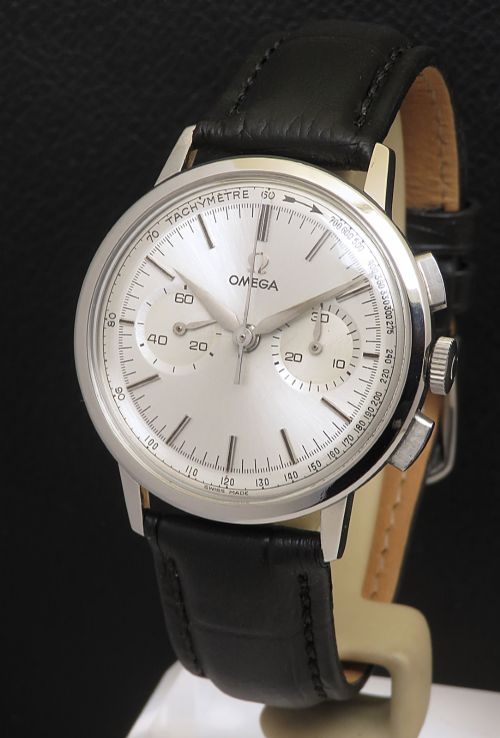
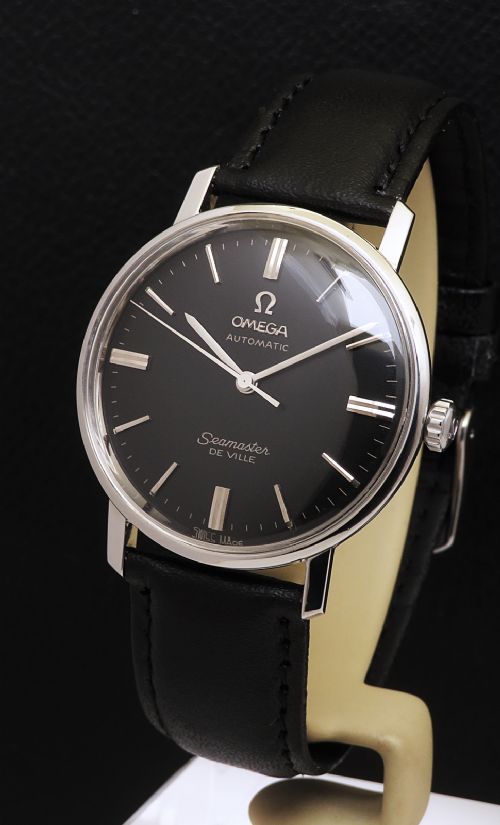
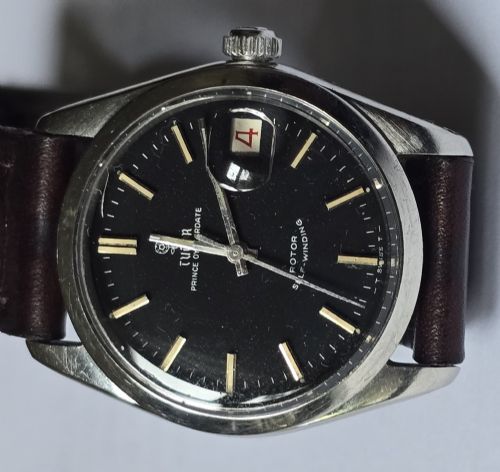
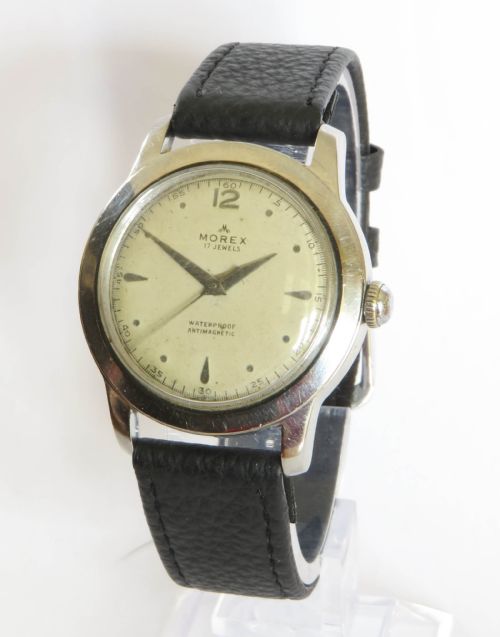
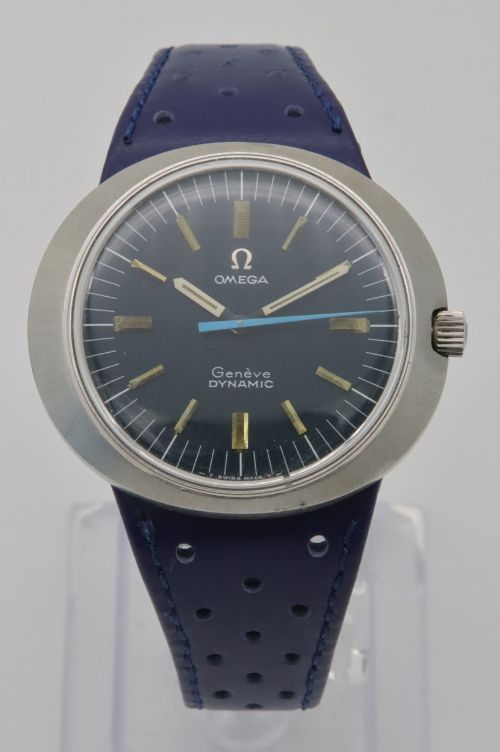
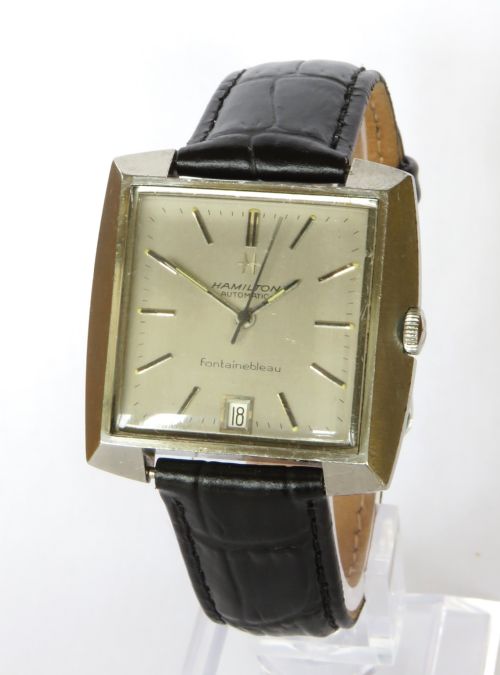
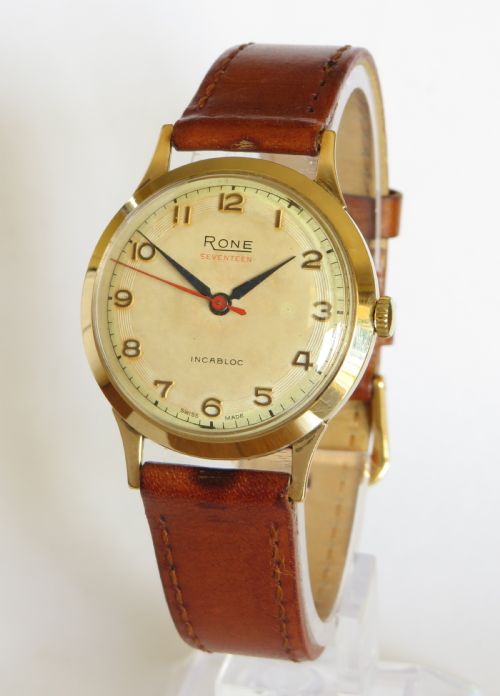
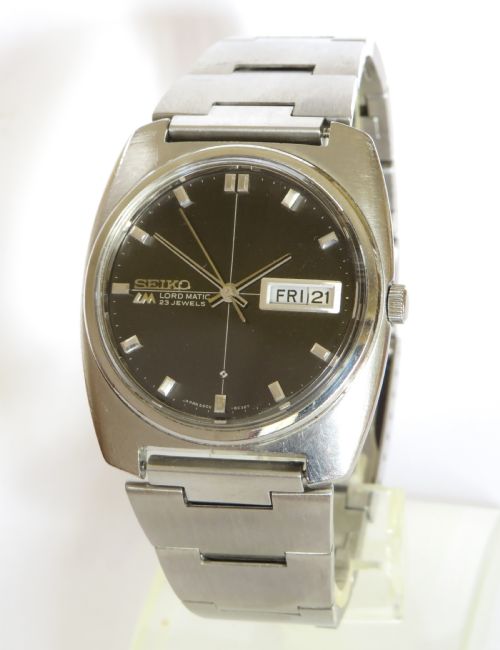
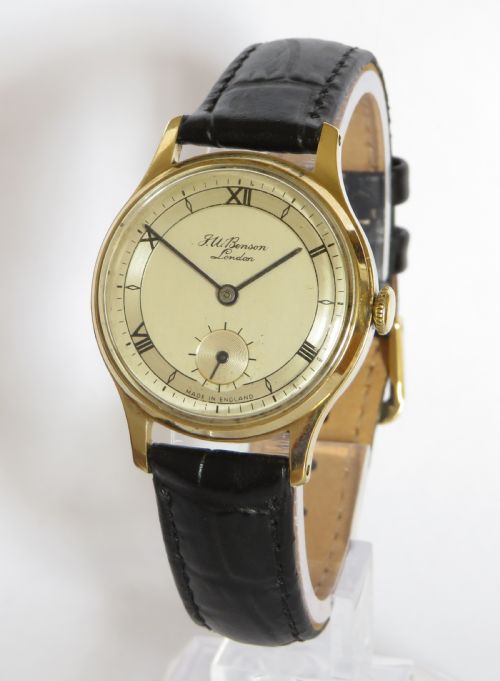
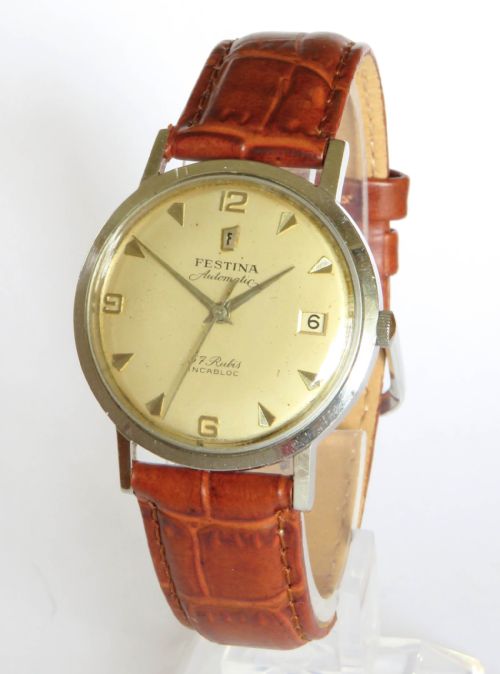
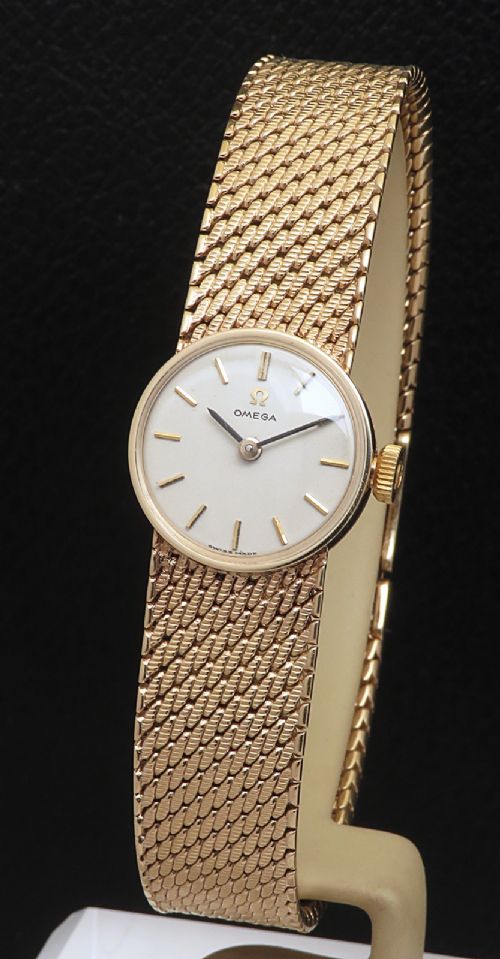
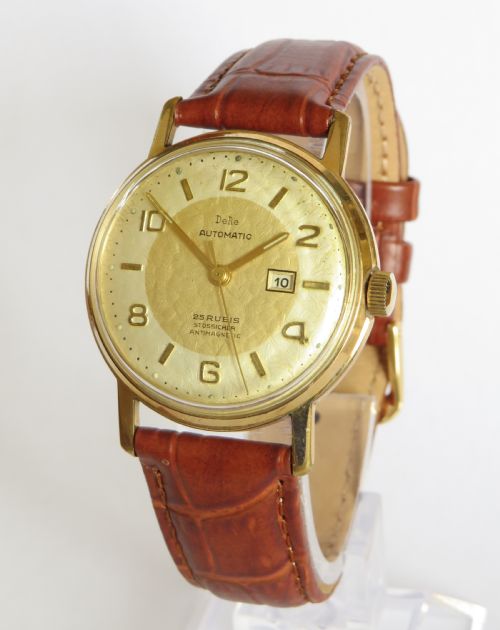
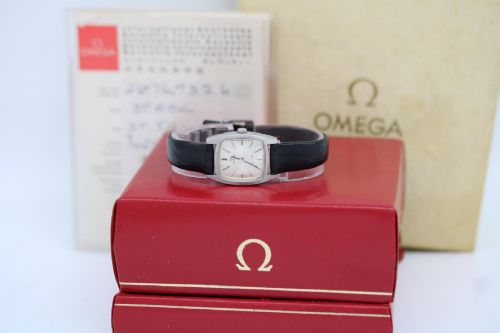
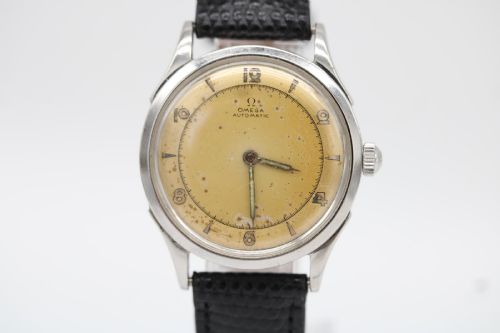
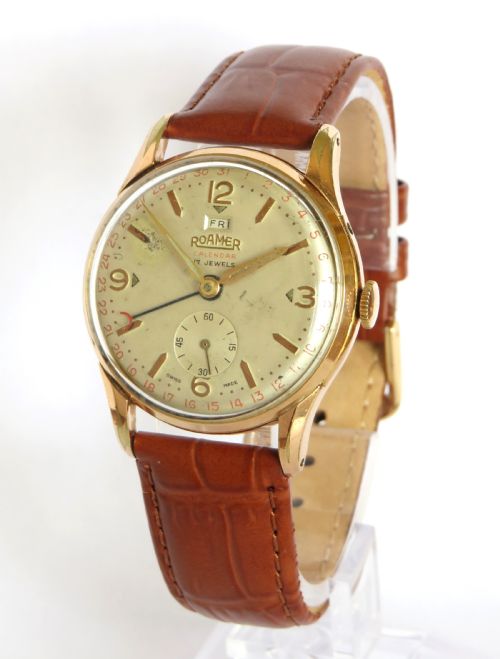
A retro mechanical wristwatch is a timepiece powered by a wound mainspring or automatic rotor rather than a battery, originating predominantly from the decades spanning the 1930s to the 1970s. The selection on this page centres heavily on pieces from the 1950s and 1960s, encompassing both gents and ladies forms.
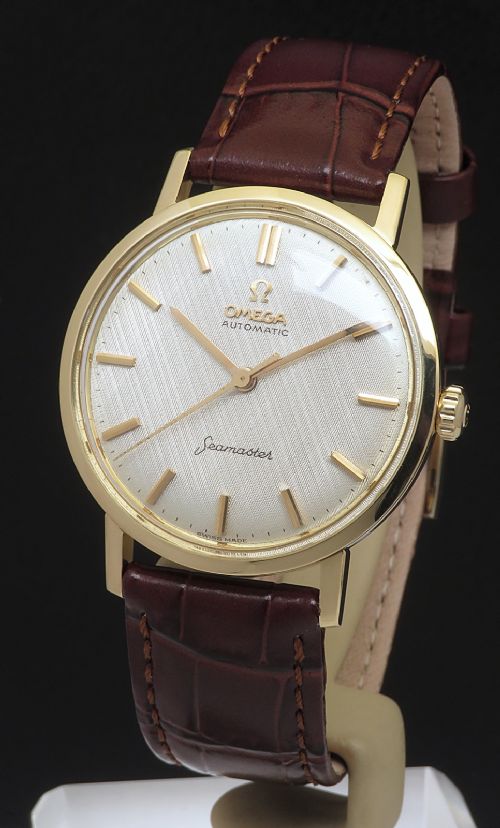
Buyers encounter well-known Swiss and international houses alongside British-made examples, often categorised under mid-century modern, Art Deco, or 1970s retro styles. These watches range from robust daily wearers like the Seamaster and Geneve lines to specialist chronographs and jewelled cocktail pieces.
How They Were Made
Casings utilise stainless steel, chrome, gold plate, and solid precious metals including 9ct and 18ct yellow and white gold. Dial covers rely on glass or acrylic crystal, protecting painted, brushed, or patinated metal faces.
Movements rely on mechanical gear trains, escapements, and balance wheels, encompassing manual-wind calibres, automatic bumper mechanisms, and chronograph complications. Straps are predominantly constructed from leather or integrated metal bracelets.
Some aviator chronographs from the 1930s survived wartime cockpits to keep ticking on quiet civilian wrists today.
What Varies in Quality
The degree of preservation in the dial, hands, and case finish largely dictates the tier of a timepiece, as original factory conditions command greater attention than heavily polished metals or replaced components. Retaining signed elements such as original crowns, buckles, and matching presentation boxes elevates a piece within its category.
Mechanical complexity and movement sophistication also divide the range, moving from standard three-hand automatic calibres to complex chronographs or high-jewel count mechanisms. The presence of documented servicing history and original paperwork provides further distinction among comparable examples.
Omega·Tudor·Montilier·Hamilton·Rone·Seiko·Smiths·Festina·DeRe·Roamer·Hahn Landeron·Bucherer·Avia·Tissot·Gloriosa·Cyma·Wittnauer·Kered·Longines·Certina·Baume Bimatic·Ensign
The Retro Mechanical Wristwatch Glossary
- Calibre
- The specific manufacturer's designation for a watch movement model. This code identifies the internal architecture and mechanical layout.
- Chronograph
- A wristwatch equipped with a stopwatch function alongside the standard time-displaying hands. It utilises independent sub-dials to measure elapsed seconds and minutes.
- Automatic Bumper
- An early self-winding mechanical movement where the oscillating weight swings back and forth against buffer springs rather than rotating fully. This design was common in mid-century automatic watches.
- Patinated Dial
- A watch face that has aged naturally over time, often showing subtle colour shifts or textured spotting. Collectors frequently prize this organic sign of vintage character.
- Oysterdate
- A case and calendar combination designed for water resistance and date display. It pairs a sealed screw-down construction with a dedicated date aperture.
Retro Mechanical Wristwatch: Frequently Asked Questions
How do I wind a mechanical vintage watch?
Turn the crown clockwise between your thumb and forefinger until you feel gentle resistance. Stop immediately to avoid damaging the mainspring.
For automatic models, wearing the watch uses wrist motion to wind the internal spring naturally. If an automatic has stopped completely, give it a few manual turns to jump-start the movement before putting it on.
Are these vintage watches waterproof?
Original water resistance seals degrade over decades and can no longer be relied upon. Exposure to moisture, rain, or humidity should be avoided unless a watchmaker has recently tested and resealed the case.
Vintage timepieces generally lack modern gasket technology. Keep them away from sinks, swimming pools, and heavy downpours to protect the delicate internal movement.
How often should a vintage mechanical watch be serviced?
A mechanical movement typically requires professional cleaning and lubrication every three to five years. This prevents dried oils from wearing down the brass gears and steel pivots.
Regular servicing ensures timekeeping accuracy and extends the working life of the components. Watchmakers dismantle the movement, clean each part, and reassemble it with modern synthetic lubricants.
Can I wear a retro wristwatch every day?
Many buyers wear these pieces daily, provided they are treated with appropriate care. Avoiding heavy impacts, magnetic fields, and water will keep the mechanical components functioning reliably.
Keep in mind that vintage watches lack modern shock protection. Removing the watch during strenuous activities ensures the internal balance staff remains undamaged.