
Retro Gold Jewellery
Retro gold jewellery brings together bold yellow metals and substantial gemstones for anyone wanting a striking mid-century look.
Retro Gold Jewellery
Retro gold jewellery encompasses rings, pendants, charms and necklaces from the mid-century decades. Pieces range from robust 1930s designs through 1940s styles to items from the 1950s and 1960s.
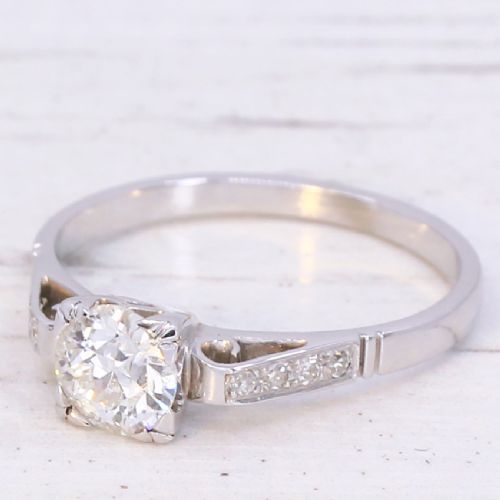
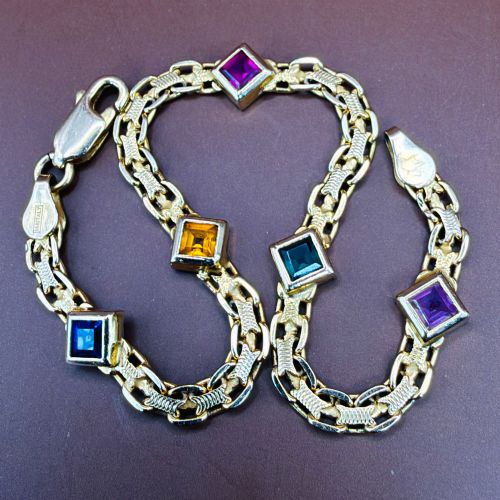
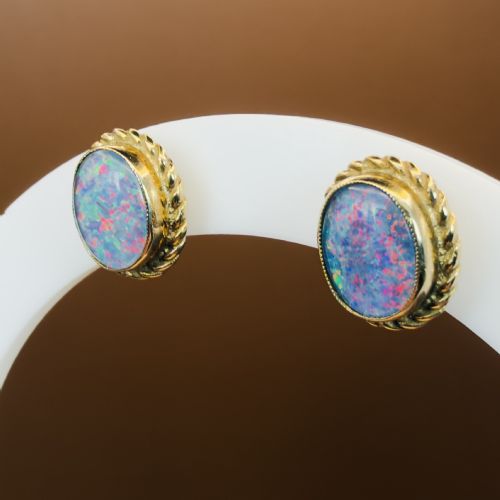
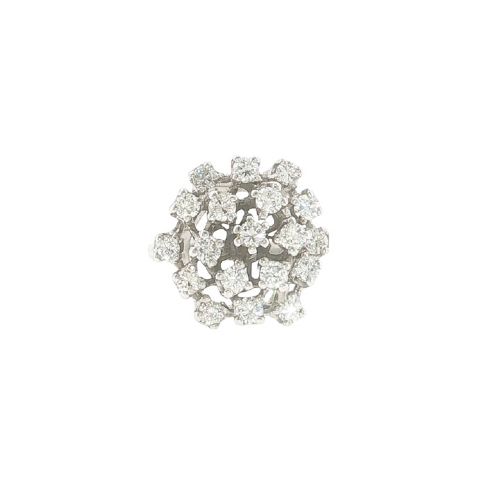
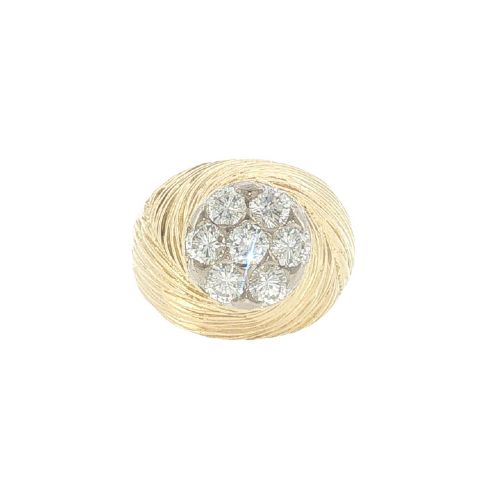
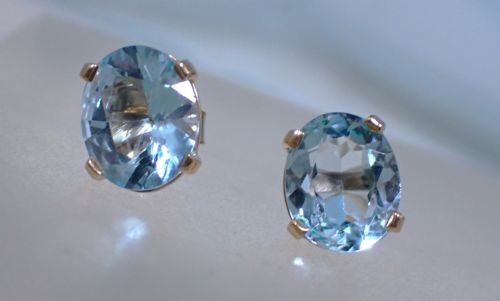
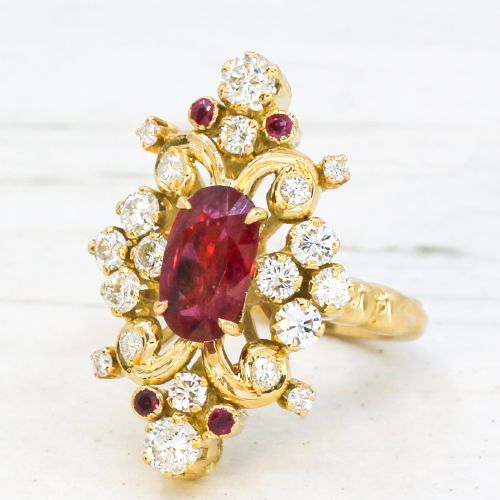
The objects seen here include cocktail rings, dress rings, love charm pendants and bow necklaces. They utilise heavier yellow metals combined with prominent stones.
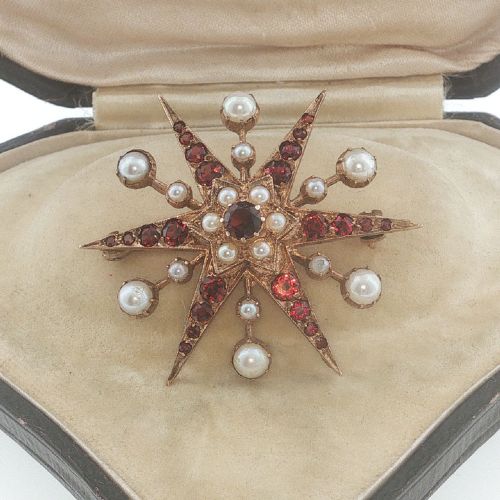
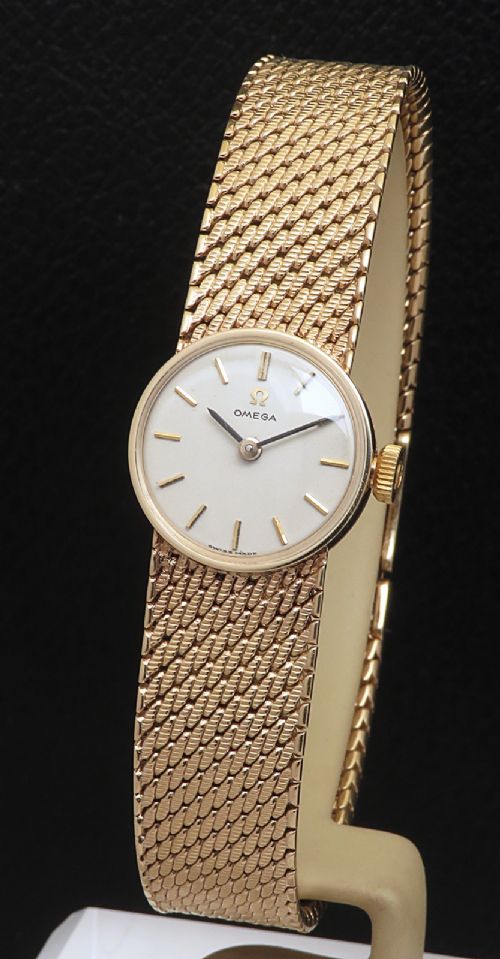
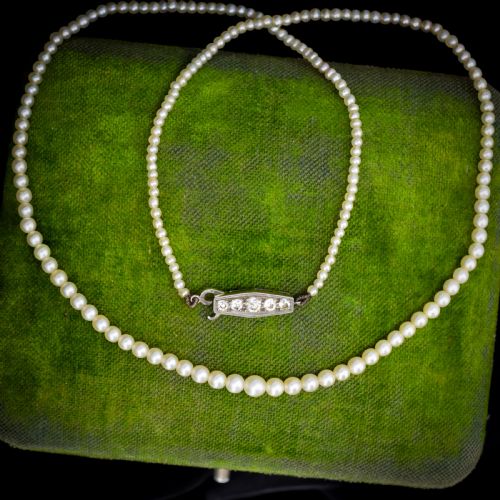
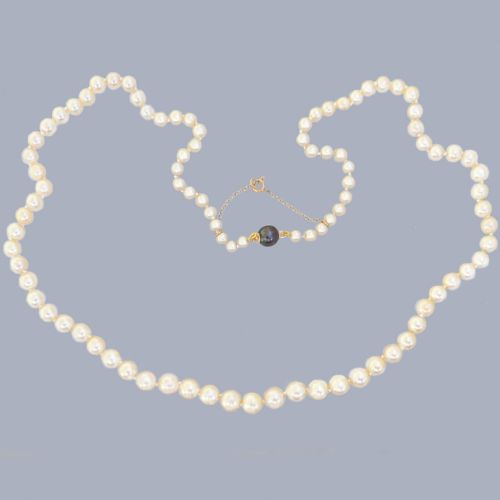
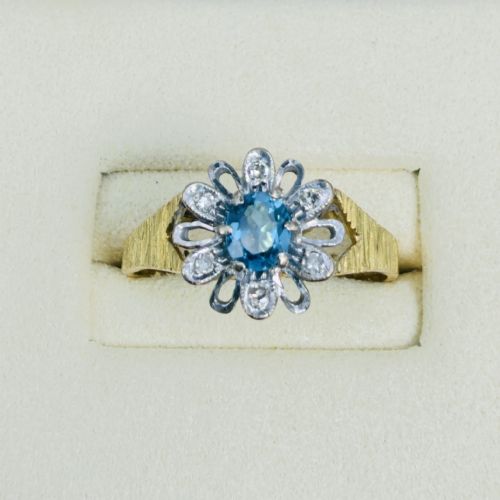
Yellow gold forms the base for most items, appearing in fourteen, eighteen and twenty-two carat weights. Gemstones such as aquamarine, ruby, garnet, kunzite, pearl and diamond provide the colour and contrast.
How they were made
Goldsmiths worked with various grades of yellow gold, casting and shaping the metal into substantial mountings. Tank-style rings and bow necklaces show the structural metalwork typical of the period.
Gemstones are set directly into the heavy gold frameworks, often accompanied by accent diamonds. Stones like large aquamarines, rubies and kunzites are secured alongside pearls and garnets.
Retro Gold Jewellery Retail Price Guide 2026
Typical asking prices for retro gold jewellery among the pieces listed under this phrase on Sellingantiques today, from the lower quarter to the upper quarter. They describe what is for sale here now, not the wider market.
What varies in quality
The weight and purity of the gold set the baseline, with twenty-two carat yellow gold offering a richer hue than fourteen carat alternatives. Heavier metal content and solid construction elevate a piece.
The scale and carat weight of central gemstones define the upper tier. Significant stones like large aquamarines or natural kunzites paired with diamonds distinguish the more ambitious designs.
The Retro Gold Jewellery Glossary
- Retro Modern
- A design style spanning the 1930s to the 1950s, characterised by heavy yellow gold and bold gemstone combinations. It reflects the post-depression and wartime aesthetic.
- Tank ring
- A chunky, sculptural ring style popular during the mid-century era, named after military vehicle tracks. These items feature high-profile settings in heavy gold.
- Kunzite
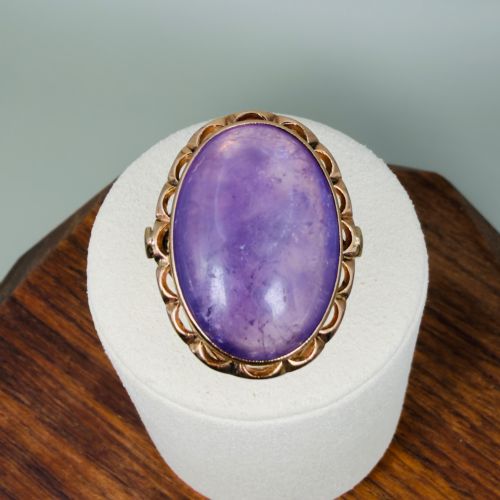
- A pale pink to lilac gemstone variety of spodumene often seen in mid-century cocktail rings. It provides large carat weight with a soft hue.
- Cocktail ring
- A large, attention-drawing ring worn for evening social events. These designs typically showcase a prominent central stone surrounded by smaller diamonds.
Retro Gold Jewellery: Frequently Asked Questions
What periods do these pieces span?
The items range from the 1930s through the 1940s and 1950s up to the 1960s. Each decade brings distinct weight and stylistic touches to the goldwork.
Mid-century design evolves from early structural tank forms into softer motifs like bows and heart charms by the later decades.
How do I wear these jewels?
These substantial items work well as standalone statement pieces on the hand or neckline. Cocktail rings and large pendants command attention on their own.
Pairing a heavy yellow gold necklace or ring with simpler attire lets the metalwork and coloured stones stand out clearly.
What metals are used here?
Yellow gold dominates this category, appearing in fourteen, eighteen and twenty-two carat variations. The higher carat weights provide a deeper golden colour.
Makers relied on solid gold construction to support the heavy gemstones characteristic of the mid-century period.
What stones accompany the gold?
Diamonds, rubies, aquamarines, kunzites, garnets and pearls appear frequently in these listings. Coloured gems provide vibrant contrast against the yellow gold.
Central stones often feature substantial carat weights, supported by smaller accent diamonds in rings and pendants.