

Mid Century Pendant
When you search for mid century pendant, you encounter a diverse array of suspended jewellery and lighting that defines mid century design.
Mid Century Pendant
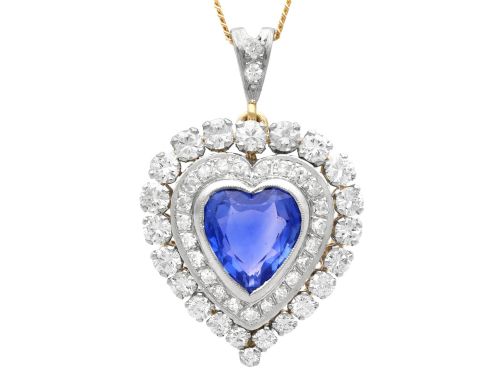
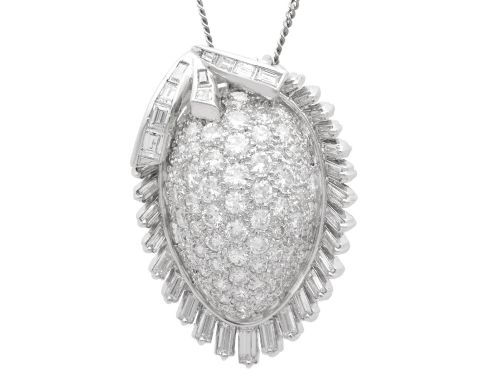
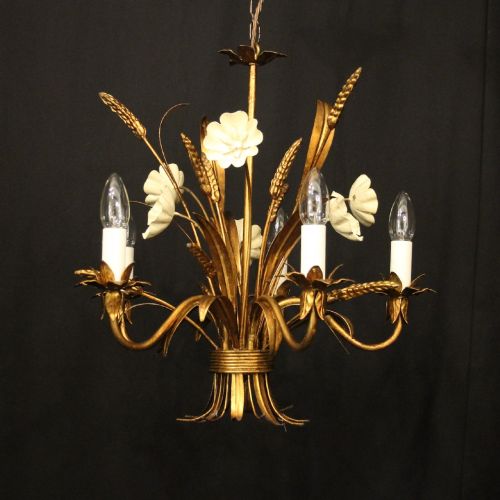
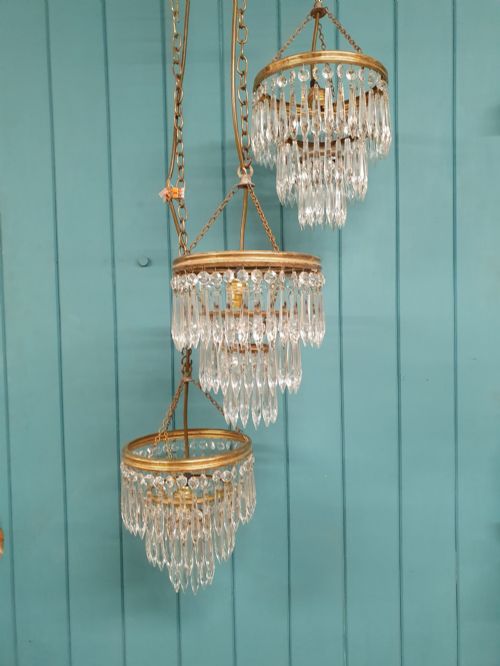
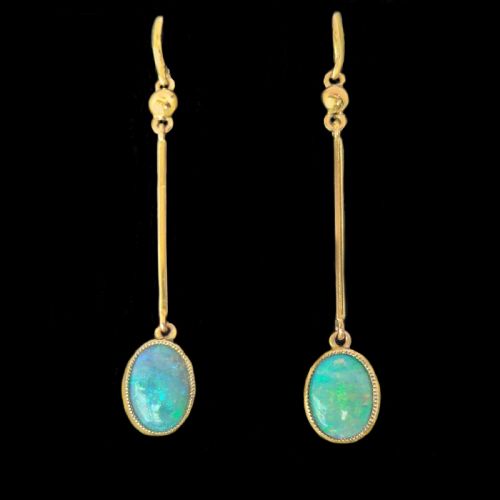
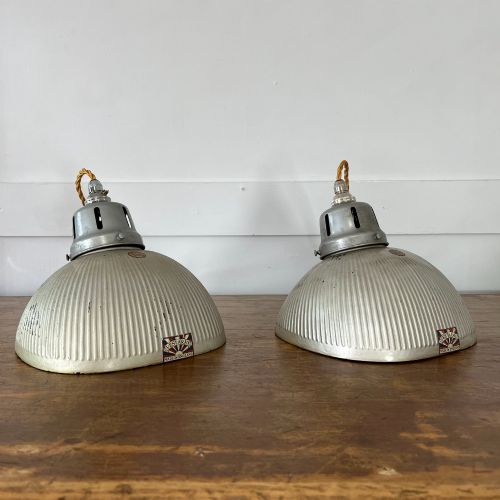
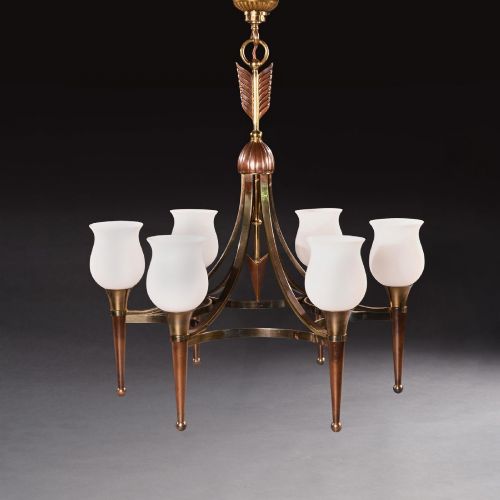
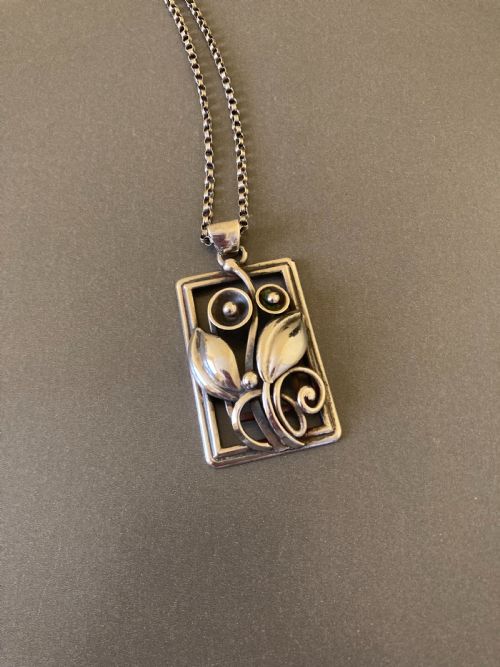
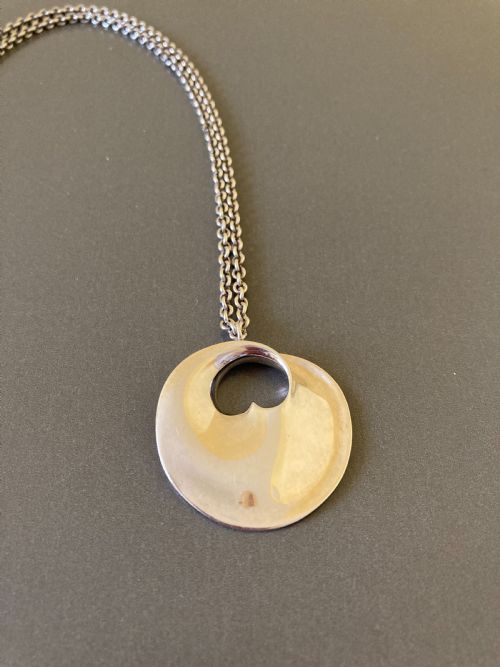
When searching for a mid century pendant, buyers typically examine two distinct forms: wearable necklace pendants and ceiling-hung pendant lights. The jewellery options span delicate silver works from Scandinavia and gemstone-set gold pieces from the 1950s and 1960s. Meanwhile, the lighting variants range from angled fixtures to Sputnik designs reflecting the period's fascination with modernity.
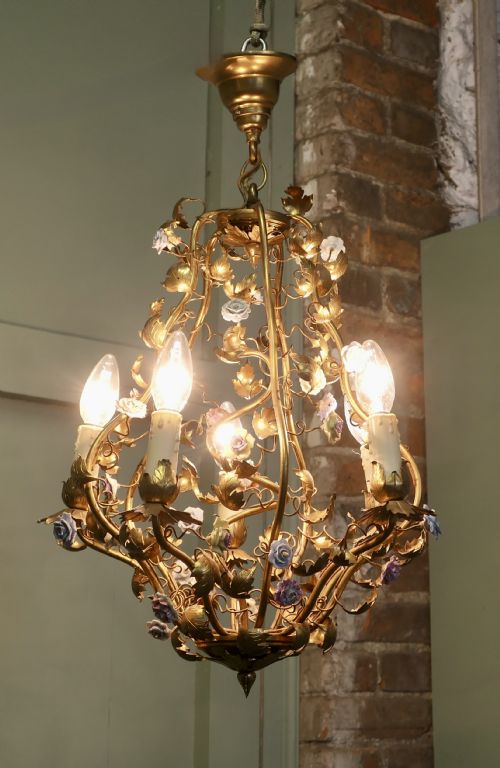
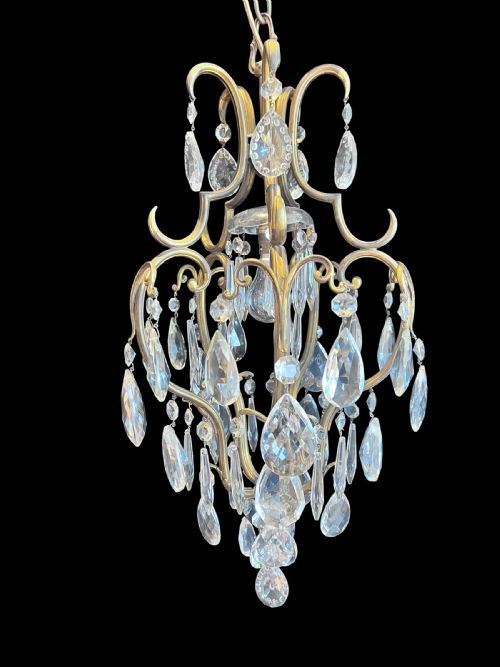
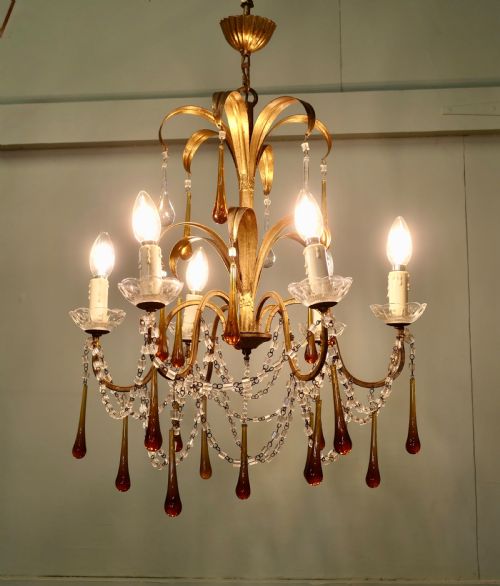
The selections on this page bridge multiple decades, drawing heavily on pieces from the 1930s through to the 1960s alongside occasional Victorian and Edwardian items. Alongside specific pendant lights and necklaces, the inventory incorporates related forms such as chandeliers and drop earrings that share the same aesthetic lineages. This variety allows collectors to source both statement interior fixtures and personal adornments from matching eras.
Materials and Techniques
The construction of these pieces relies heavily on precious metals including yellow, white, and rose gold in varying carats alongside sterling silver and platinum. Jewellers and metalworkers utilised these materials to set significant gemstones such as aquamarine, sapphire, emerald, opal, and diamond. For lighting fixtures, brass, gilt metal, wrought iron, and toleware provide the structural frameworks often embellished with glass or crystal drops.
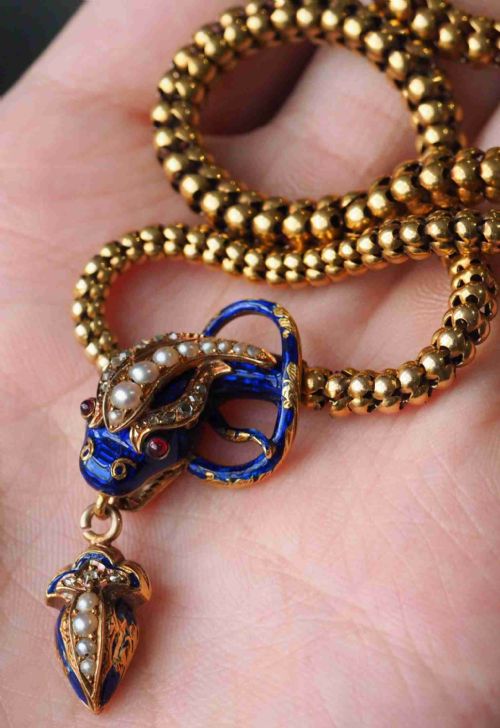
Techniques range from clean-lined Scandinavian silver smithing to intricate Florentine gilding and plique-à-jour enamel work. Gemstones are secured in settings from classic white gold clusters to elaborate Maltese cross motifs and Sputnik configurations. Metal components frequently exhibit hand-finished patination, enamel details, or cast floral elements reflecting the specific craft traditions of French, Italian, and British workshops.
The inventory spans multiple design eras, incorporating items from the Victorian period through to the mid-twentieth century.
Assessing Quality
Quality in these items is determined by the precision of the metalwork and the selection of materials, whether dealing with gemstones or architectural lighting components. Superior pieces demonstrate deliberate craftsmanship in stone-cutting, such as clean cabochons or well-matched diamond clusters, alongside secure and refined settings. In lighting, quality reveals itself in the weight of the brass, the clarity of the crystal or glass, and the integrity of the original structure.
The reputation of the maker and the consistency of the design style also dictate the standing of a piece within its category. Works attributed to notable designers or specific regional schools display a higher level of artistic resolution and finish. Ultimately, the finest examples maintain their structural and aesthetic coherence across decades while preserving their original character.
Georg Jensen·Maison Jansen·G. Hoppe
The Mid Century Pendant Glossary
- Cabochon
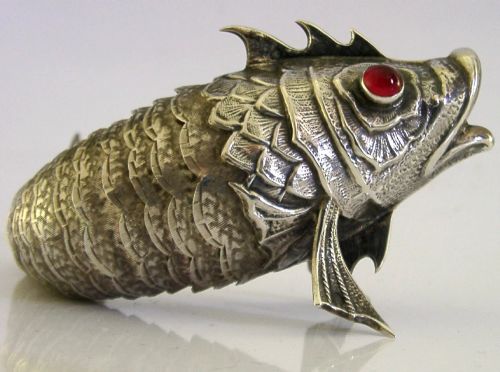
- A gemstone shaped and polished with a smooth convex surface rather than faceted. This style highlights the natural patterns and optical properties of opals and star sapphires.
- Plique-à-jour
- An enamelling technique where the enamel is applied in cells without a backing, allowing light to shine through the transparent or translucent colour like stained glass.
- Toleware
- Painted or lacquered metalware, typically tin or steel, developed to imitate Asian lacquer techniques. It frequently appears in decorative floral elements on mid-century and earlier light fixtures.
- Gilt Metal
- Metal that has been treated with a thin layer of gold leaf or gilt wash to simulate solid gold. This technique was widely utilised in decorative chandeliers and wall sconces.
Mid Century Pendant: Frequently Asked Questions
What defines a mid century pendant light?
These ceiling-hung fixtures utilise materials like brass, glass, and gilt metal to project light downward in specific functional patterns.
They often feature clean lines or atomic shapes characteristic of design movements from the 1940s to the 1960s.
How do I style a pendant necklace?
Pendant necklaces from this era pair well with simple necklines that allow the central gemstone or silverwork to remain the visual focus.
They can be worn individually as statement pieces or layered with complementary gold and silver chains.
Are these pieces made of solid gold?
The jewellery listings include items fashioned from various purities of gold, including nine, fourteen, and eighteen carat standards.
Silver pieces frequently utilise sterling standards or regional equivalents such as Spanish 915 silver.
How do I identify a 1950s pendant?
Items from this decade often display specific gemstone cuts, atomic motifs, or heavier gold mountings typical of post-war design.
Maker marks and hallmarks stamped onto the metal further assist in confirming the exact period of manufacture.