
Retro Dress Watch
When buying a retro dress watch, collectors choose a piece of functional mid-century history for daily wear.
Retro Dress Watch
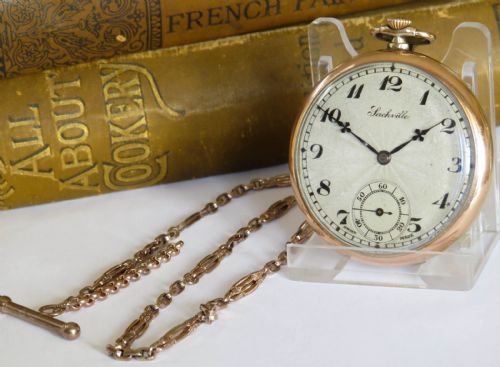
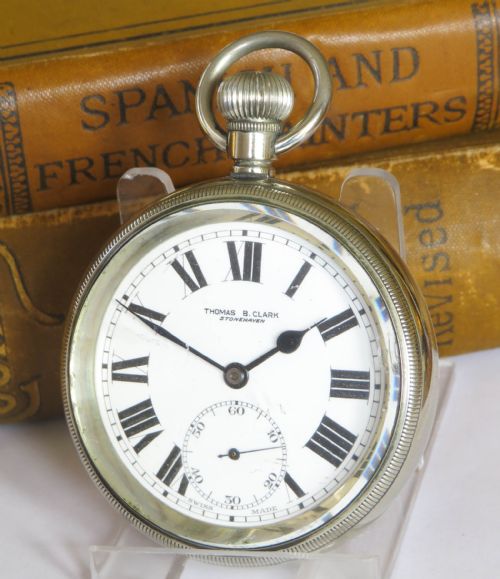
A retro dress watch represents mechanical timepieces produced primarily across the mid-twentieth century, spanning the 1920s through the 1970s. These items range from gentlemen's automatic wristwatches to ladies' cocktail variants and traditional pocket watches.
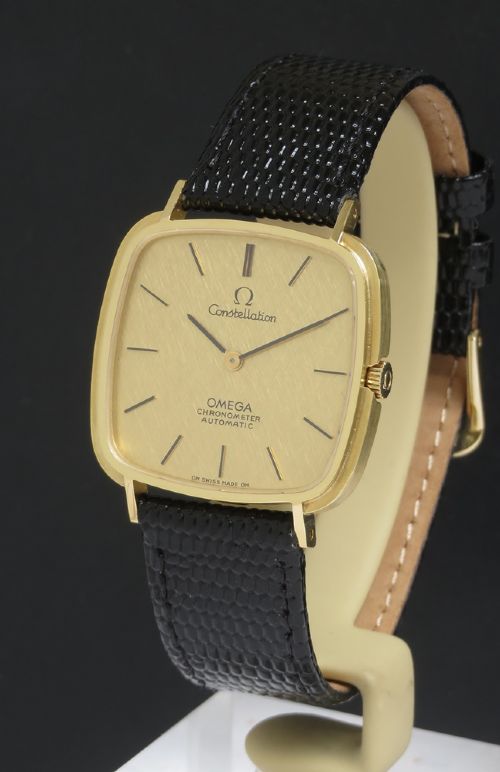
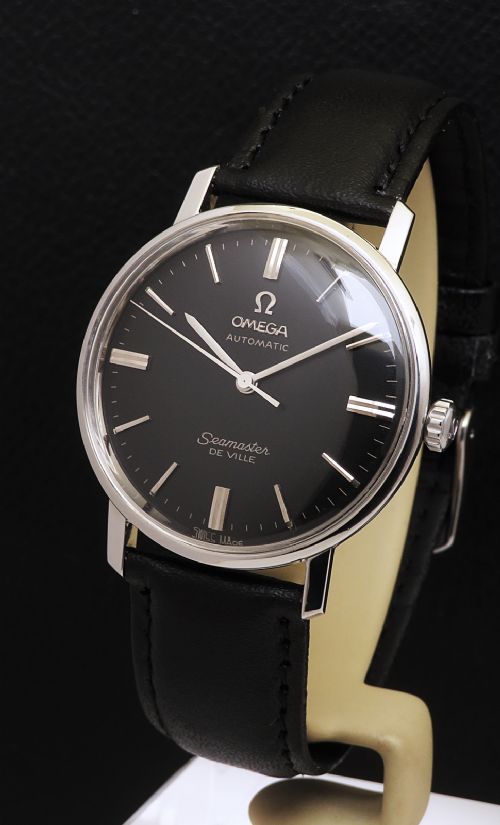
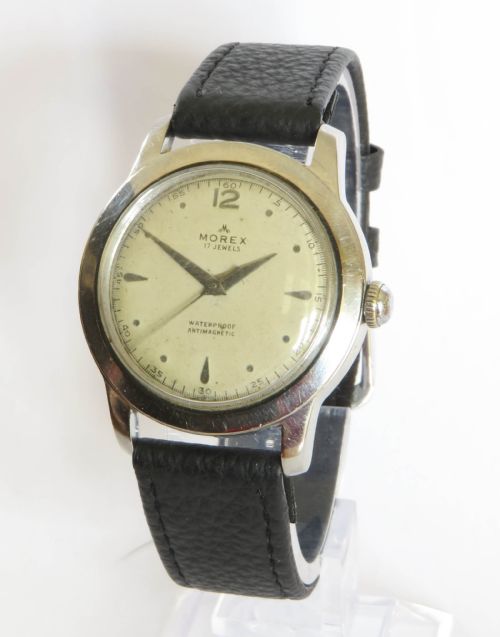
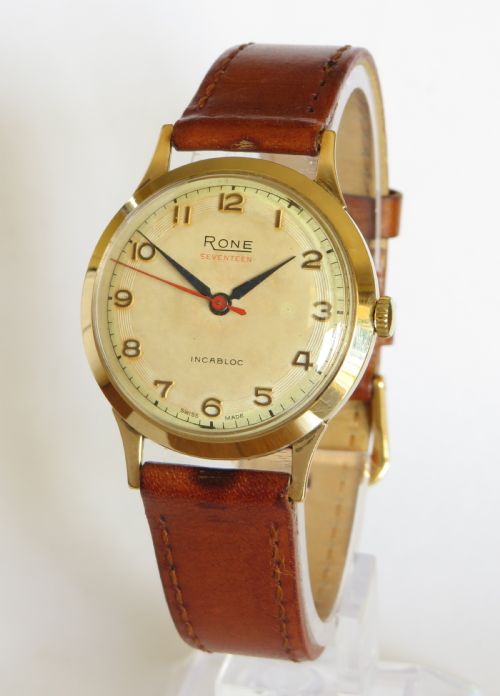
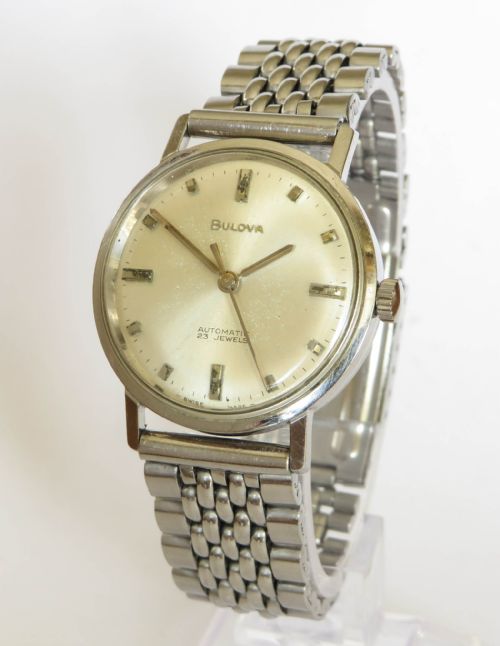
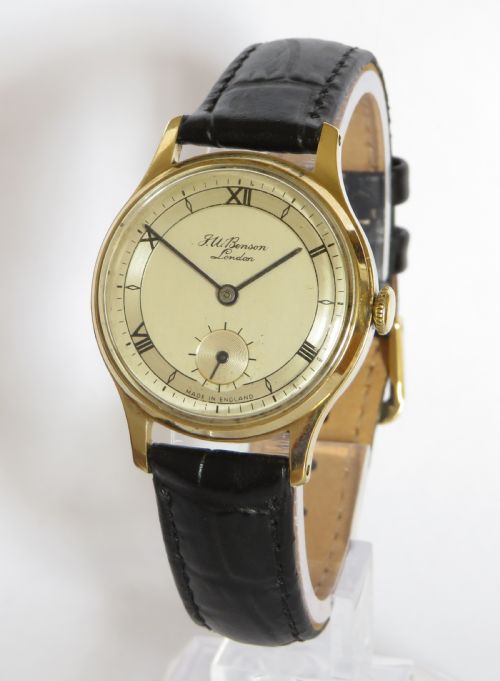
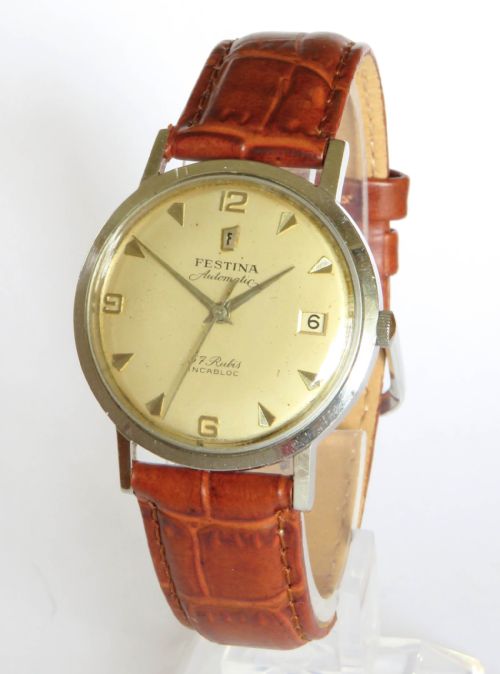
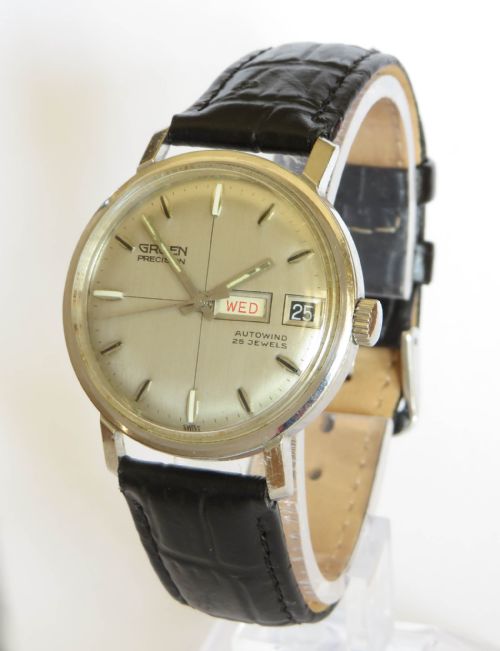
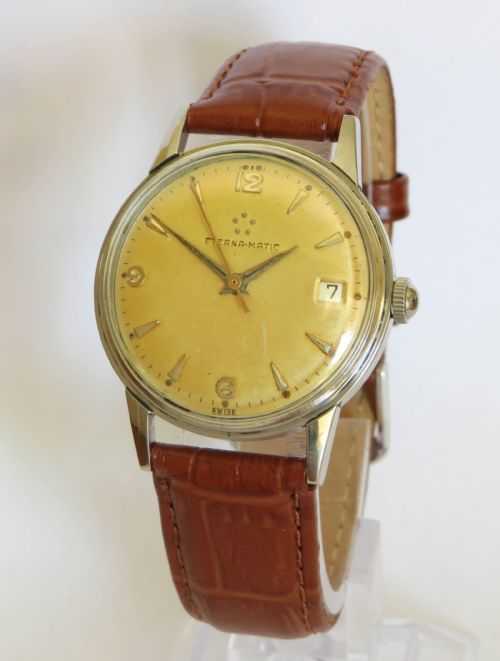
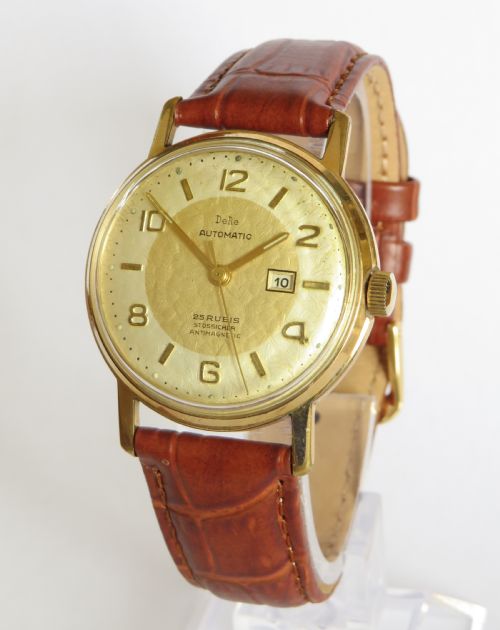
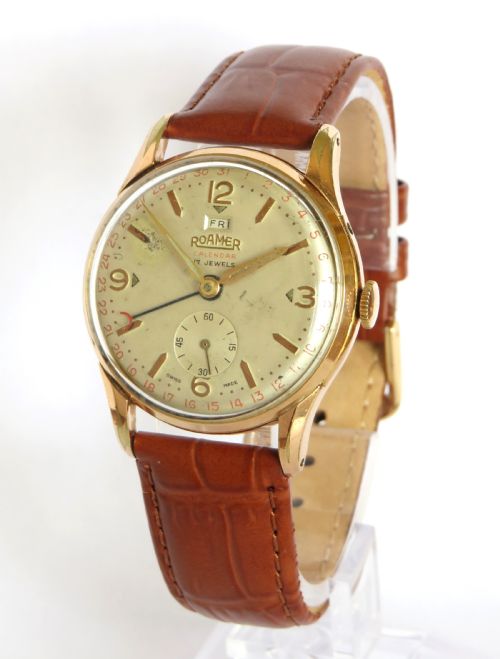
The selection on this page relies heavily on wristwatches from the 1950s and 1960s, reflecting the styles of Mid-Century Modern design. Buyers encounter steel, gold plate, and solid gold cases paired with leather straps.
Originating from established Swiss and British makers, these pieces offer a link to periods when horology prioritized slim profiles and refined dials.
Materials and construction
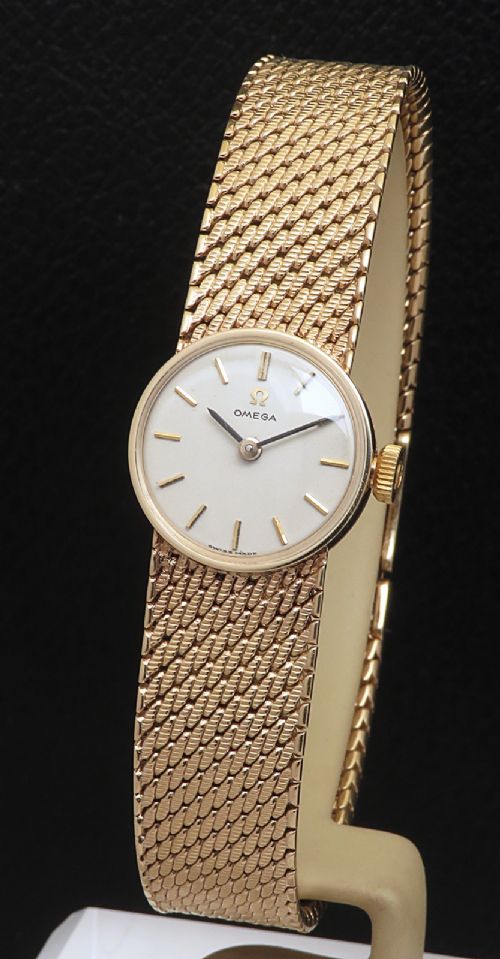
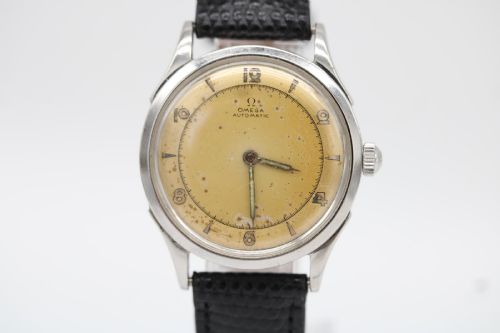
Cases utilise metals such as stainless steel, chrome, gold plate, and solid 9ct or 18ct gold, sometimes accented with diamonds or fitted with acrylic glass crystals. Dials often feature patinated finishes, whilst straps are constructed from leather.
Internal movements rely on mechanical engineering, encompassing manual wind, automatic systems, and early electronic technology like tuning fork movements. Construction standards from the period involved hand-assembly by skilled watchmakers in workshops and factories.
Listings span five decades from the 1920s through the 1970s, featuring materials from stainless steel to 18ct gold.
What separates the grades
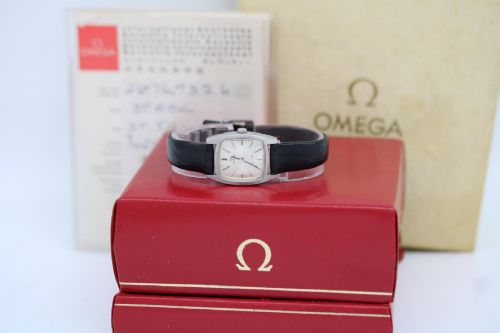
Quality variation rests in the material composition of the case, moving from chrome and gold plate to solid 18ct gold or platinum-coloured precious metals. The presence of original packaging, manufacturer boxes, and paperwork elevates a piece significantly.
Mechanical sophistication also dictates the tier, distinguishing standard hand-wound calibres from chronometer-certified automatic movements and complex calendar mechanisms. The originality and condition of the dial and case finish complete the assessment.
Omega·Bulova·Smiths·Longines·Seiko·Cyma·Tissot·Gruen
The Retro Dress Watch Glossary
- Automatic
- A self-winding mechanical movement that uses a weighted rotor to wind the mainspring through the natural motion of the wearer's wrist.
- Chronometer
- A high-precision watch that has been tested and certified to meet strict accuracy standards over various temperatures and positions.
- Calibre
- The specific manufacturer's internal designation for a particular watch movement model.
- Patina
- The natural ageing and darkening of metal or dial surfaces that occurs over decades of exposure to light and air.
Retro Dress Watch: Frequently Asked Questions
How do I wind a vintage watch?
Mechanical models require turning the crown clockwise between your thumb and forefinger until you feel gentle resistance. Stop immediately at this point to avoid over-winding and damaging the internal mainspring.
Automatic versions wind themselves through daily wrist movement, though manual priming via the crown may be necessary if the watch has sat idle for days.
Can I wear my vintage watch daily?
Many of these pieces were built for everyday utility and handle regular wear well, provided they receive periodic mechanical servicing by a professional watchmaker.
However, older models generally lack modern water resistance seals, meaning exposure to heavy rain, swimming, or hand-washing should be strictly avoided.
How do I tell decades apart?
The 1920s and 1930s typically favoured geometric pocket watch formats and small rectangular wristwatch cases influenced by Art Deco design. The 1950s introduced cleaner circular dials, whilst the 1960s and 1970s brought bolder Mid-Century Modernist case shapes and automatic calendar displays.
What is an automatic bumper movement?
An early form of self-winding mechanism where the internal rotor swings back and forth through a limited arc rather than making a full rotation. You can feel a gentle thud against the internal springs as the weight reaches the limit of its swing.