
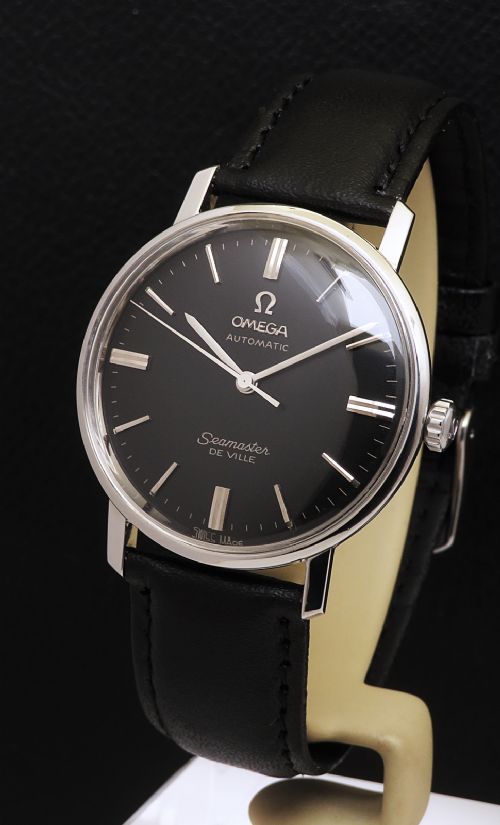
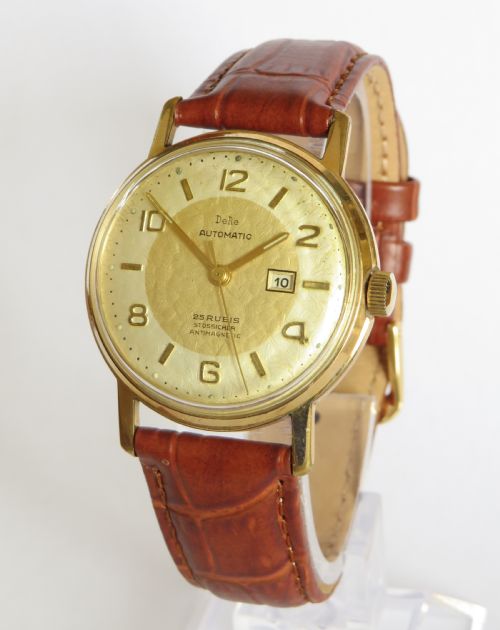
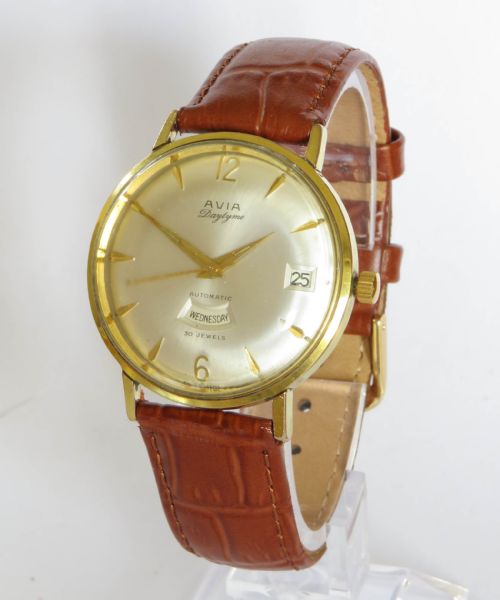
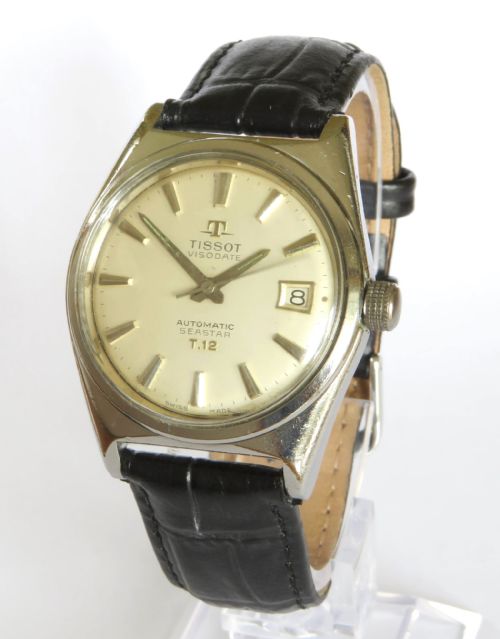
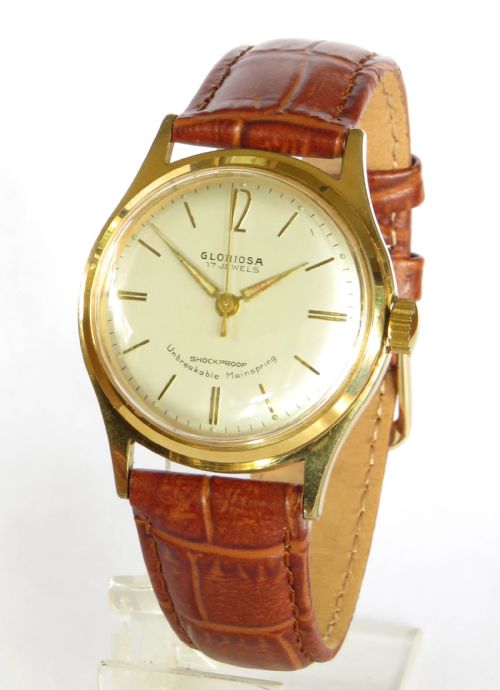
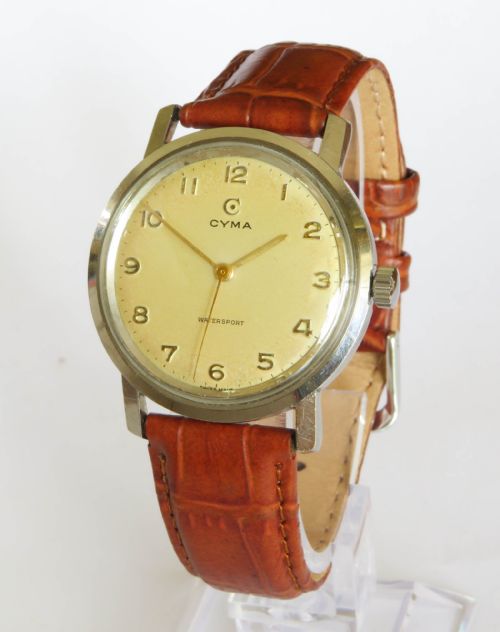
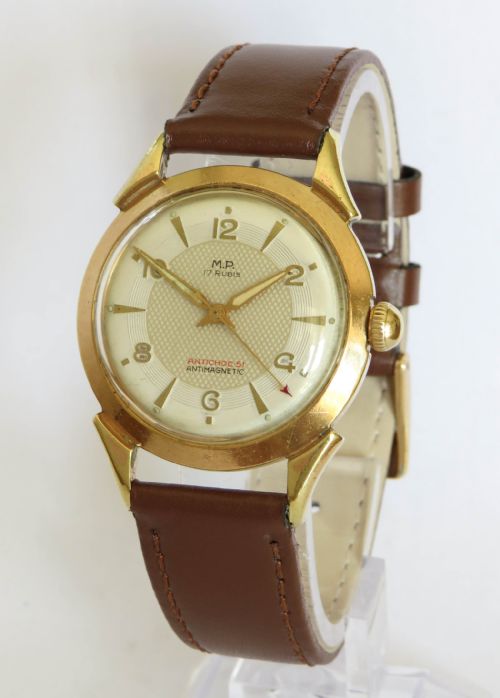
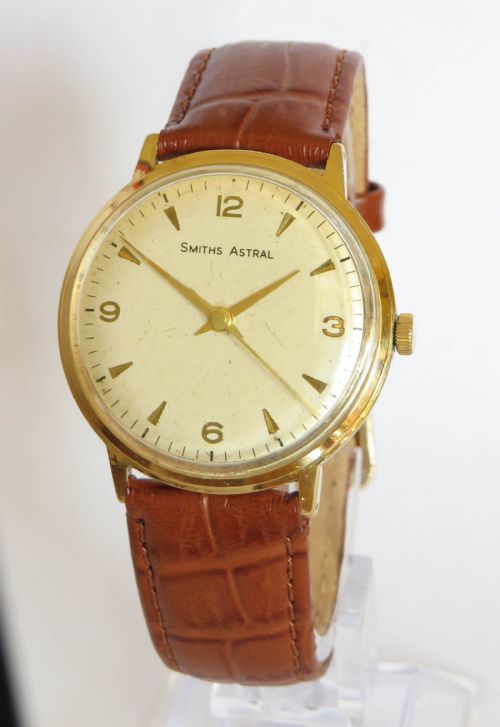


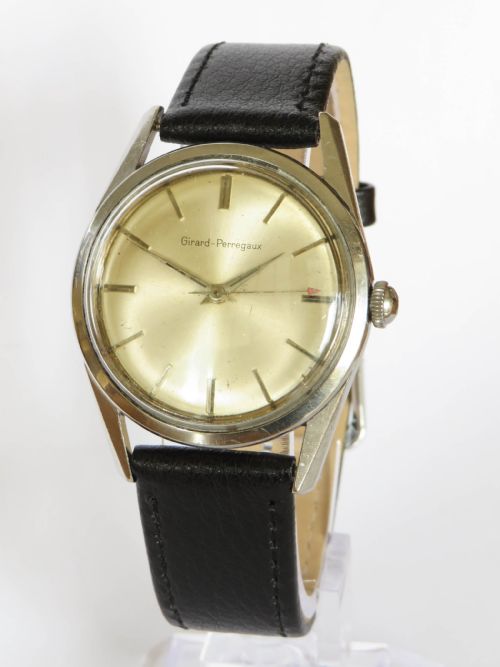

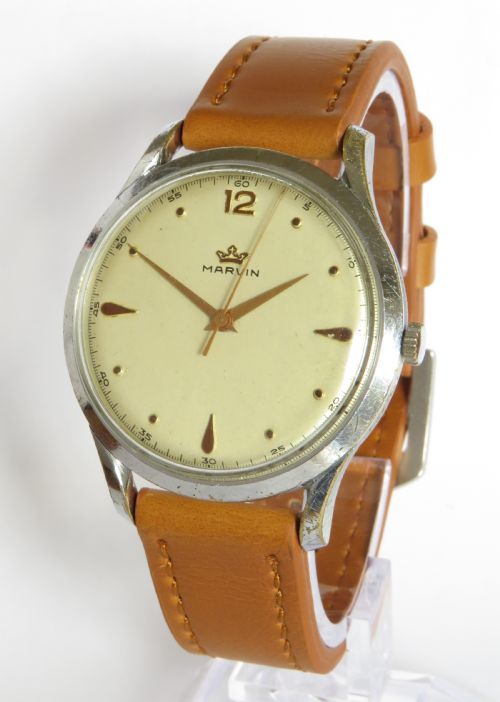


Retro Analogue Wristwatch
A retro analogue wristwatch brings mechanical timekeeping back to the wrist, offering dependable mid-century design and classic hands.
Retro Analogue Wristwatch
A retro analogue wristwatch is a timepiece driven by mechanical movement, displaying hours, minutes, and seconds via physical hands rather than digital numbers.
The pieces gathered here span the nineteenth century, nineteen-fifties, and nineteen-sixties, capturing the transition toward cleaner mid-century modern aesthetics.
Most examples originate from the nineteen-fifties and nineteen-sixties, showcasing distinct styles such as Mid-Century British and broader mid-century designs.
How they were made
Cases utilise durable metals including stainless steel, gold plate, and chrome, paired with clear glass, acrylic, or acrylic glass crystals over the dial.
Straps are commonly constructed from leather, securing the metal housing to the wrist while complementing the traditional mechanical movement inside.
The pieces span the nineteenth century alongside nineteen-fifties and nineteen-sixties production dates.
What varies in quality
Distinction across these watches lies in the finesse of the movement and the preservation of the case metals, dial markings, and protective crystal.
Original condition elements, such as unmodified dials and authentic hands, elevate a piece above examples that have undergone modern alterations.
Omega·Tissot·Cyma·Smiths Astral·Eterna·Girard Perregaux·Longines·Avia
The Retro Analogue Wristwatch Glossary
- Analogue
- A watch display that uses hands moving across a dial to show time rather than digital numerals. This traditional format defines mechanical timepieces.
- Automatic
- A self-winding mechanical movement that harnesses the natural motion of the wearer's arm. It removes the need for daily manual winding.
- Acrylic glass
- A lightweight, transparent plastic material utilised for watch crystals. It offers flexibility and can be polished if surface scratches occur.
- Gold plate
- A thin layer of gold bonded to a base metal case. This technique provided the appearance of solid gold at a more accessible period cost.
- Manual wind
- A mechanical movement requiring the wearer to turn the crown by hand to tension the mainspring. This traditional method powers the watch.
Retro Analogue Wristwatch: Frequently Asked Questions
How do I wind a mechanical watch?
Wind the crown gently between your thumb and forefinger until you feel resistance. Stop immediately at that point to avoid damaging the internal mainspring.
Most manual wind pieces require this action daily, whereas automatic models wind themselves through the movement of your wrist during normal wear.
Are these watches water resistant?
Vintage timepieces lack modern seals and gasketing. Keep them well away from water, rain, and heavy moisture to protect the internal metal components.
Even pieces marked with early protective terms should be treated as strictly non-waterproof to preserve the delicate movement and dial.
What is a manual wind watch?
A manual wind watch relies entirely on a hand-tensioned spring to drive the gears and hands. You supply the energy by turning the winding crown.
This traditional mechanism connects the wearer directly to the operation of the watch through a deliberate daily ritual.
How accurate are vintage watches?
Mechanical watches from the mid-century gained or lost a small number of seconds each day compared to modern quartz standards. Regular servicing helps maintain reliable timekeeping performance.
Temperature changes and everyday wear naturally influence the exact rate at which the movement operates.