


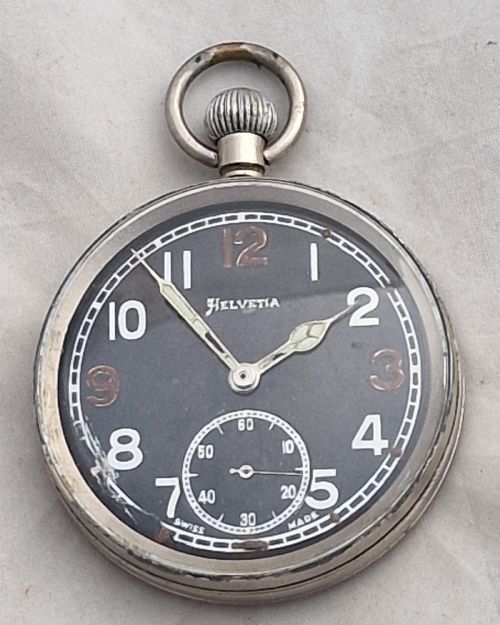
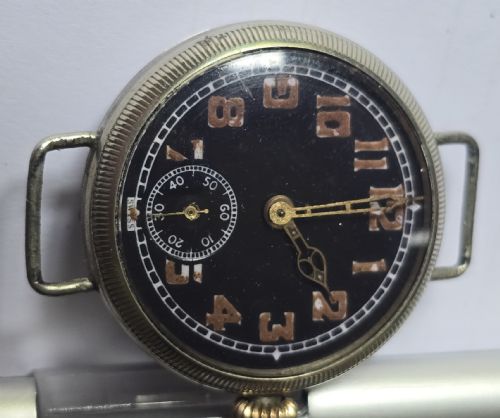


Black Face Watch
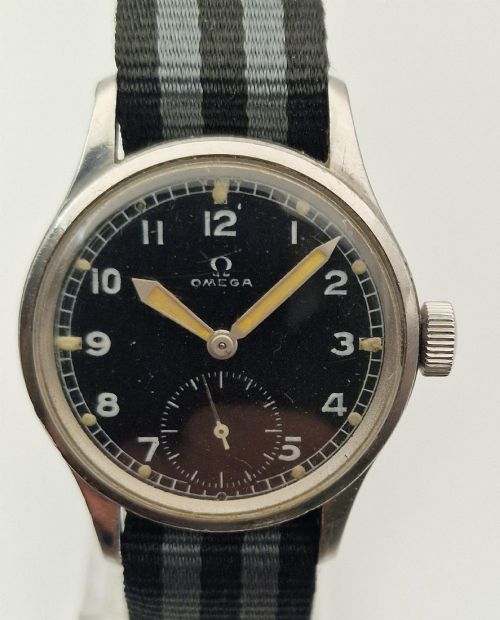
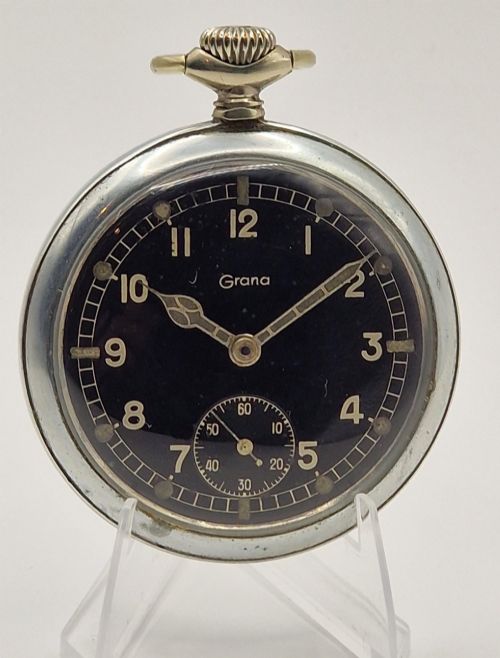
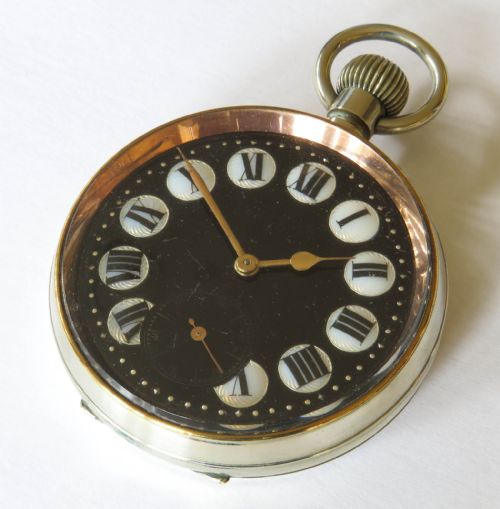
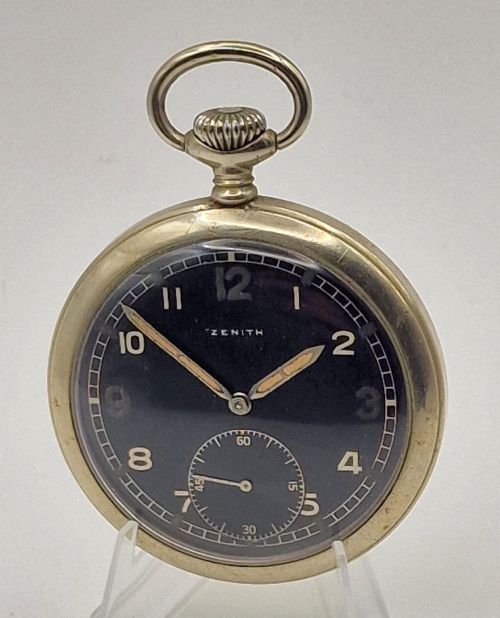
A black face watch offers a clear, high-contrast dial configuration found across military, art deco and mid-century wristwatches and pocket watches.
Black Face Watch
A black face watch spans several decades of horological production, appearing most frequently in mid-century automatic wristwatches, military issues and earlier pocket watch formats. These pieces range from civilian dress models to specialised artillery and trench equipment.
The selection on this page demonstrates styles running from Edwardian and First World War military designs through Art Deco creations to Mid-Century Modern and military pieces from the 1940s and 1960s. Wristwatches and pocket watches dominate the forms available.
Buyers encountering this group will find both wristwatches and pocket watches utilising distinctive dark dials. Origins include military contracts and civilian production across various European and international makers.
How they were made
Cases utilise materials such as stainless steel, silver, brass, chrome, nickel and gold plating to house the internal movements. Glass covers protect the dark dials and delicate hands.
Straps and attachments incorporate leather alongside metal bracelets and cases. Manufacturing techniques reflect the standards of their respective periods, from early trench watch casings to robust mid-century automatic constructions.
Black Face Watch Retail Price Guide 2026
Typical asking prices for black face watch among the pieces listed under this phrase on Sellingantiques today, from the lower quarter to the upper quarter. They describe what is for sale here now, not the wider market.
One piece remains strictly unworn old stock from the interwar era, waiting nearly a century for its first wrist.
What varies in quality
The degree of preservation in the original dial markings and case finishes separates different examples. Pieces retaining crisp military issue marks or untouched old stock condition represent the upper tier of the range.
Mechanical sophistication also differentiates the pieces, separating standard mechanical movements from automatic calibres and specialised chronograph complications.
Omega·Helvetia·Belair·H.W. Bedford
The Black Face Watch Glossary
- Trench watch
- A transitional timepiece designed for military use during the early twentieth century, bridging the gap between pocket watches and wristwatches. These often feature protective wire guards over the glass.
- Automatic
- A self-winding mechanical movement that uses the natural motion of the wearer's wrist to power the mainspring. This negates the need for manual daily winding.
- Chronograph
- A watch equipped with a display function for measuring elapsed time, often including independent sweep hands. Military and naval variants utilised these for specialised timing tasks.
- Art Deco
- A design style spanning the 1920s and 1930s characterised by geometric shapes, stylized motifs and streamlined elegance. Ladies and gents wristwatches from this period frequently display these aesthetic traits.
- Dial
- The visible face of the watch that displays hours, minutes and sometimes subsidiary seconds or 24-hour markers. Dark iterations provide the distinct visual contrast sought in these pieces.
Black Face Watch: Frequently Asked Questions
What is a black face watch?
A black face watch is any timepiece featuring a dark dial for high-contrast time reading. These designs appear across military, dress and everyday watches.
They span multiple decades and styles, including twentieth-century military issues and mid-century automatic wristwatches.
How do I date a vintage watch?
Dating relies on stylistic clues, movement serial numbers, case materials and specific military markings. Art Deco geometry points to the twenties and thirties, while certain fonts indicate mid-century production.
Associated reference numbers and government or military broad arrow stamps further help establish the exact period of manufacture.
Were all black dial watches military?
While many dark-faced models originate from military or naval contracts, civilian manufacturers also produced them. Art Deco dress watches and mid-century civilian models frequently utilised dark dials for aesthetic appeal.
Military pieces usually bear specific issue numbers, broad arrow marks or regiment details on the case back.
What is the difference between pocket and wristwatches?
Pocket watches are larger timepieces designed to be carried in a waistcoat pocket, often secured with a chain. Wristwatches attach directly to the arm via a strap.
Both formats adopted dark dials during the twentieth century, serving different functional needs of their respective eras.