


Restoration Period Art
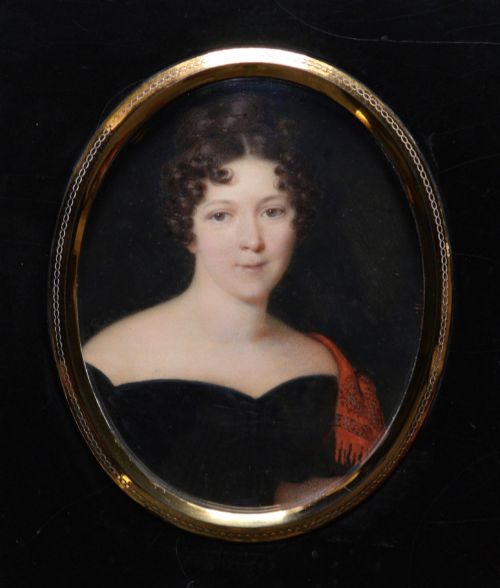
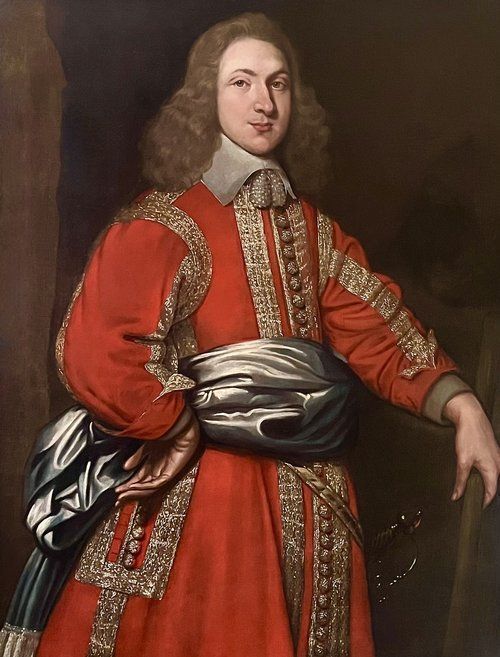
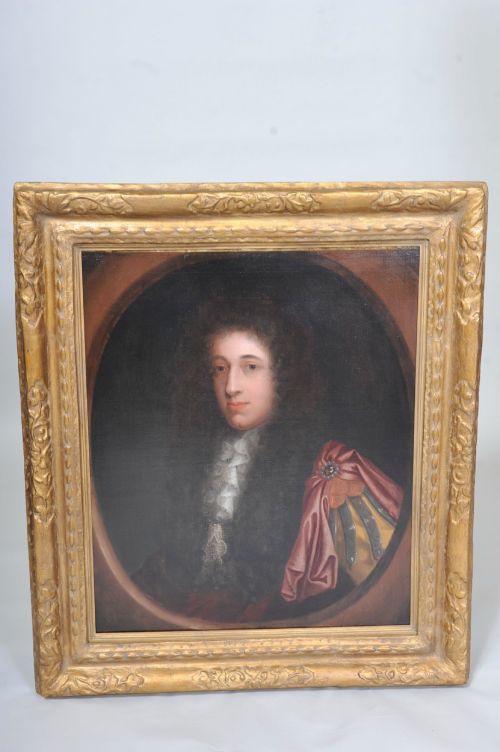
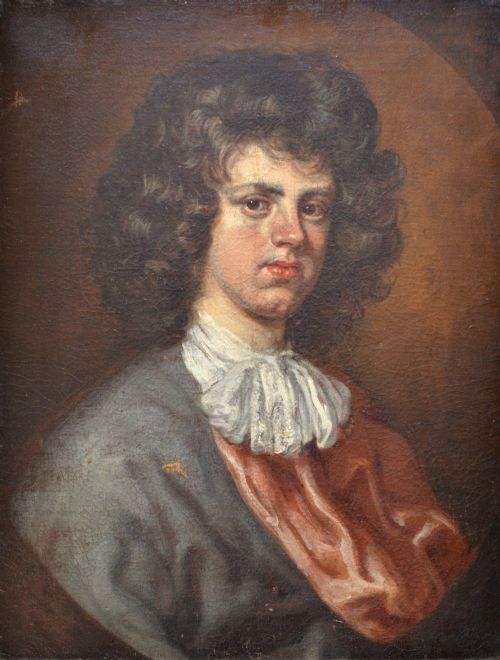
Restoration period art centres on seventeenth-century oil paintings and portraits that capture aristocratic sitters with distinct character.
Restoration Period Art
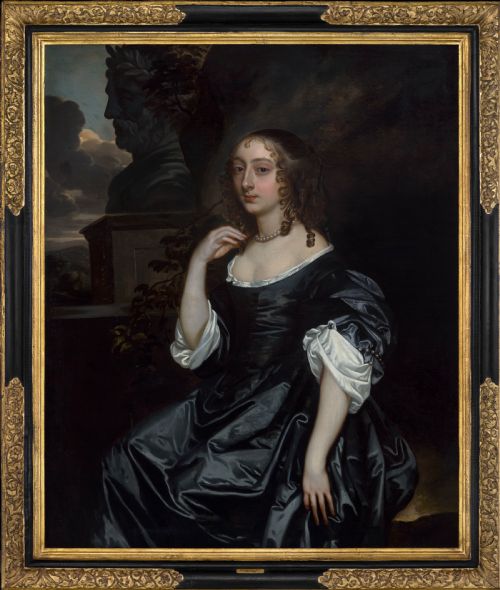
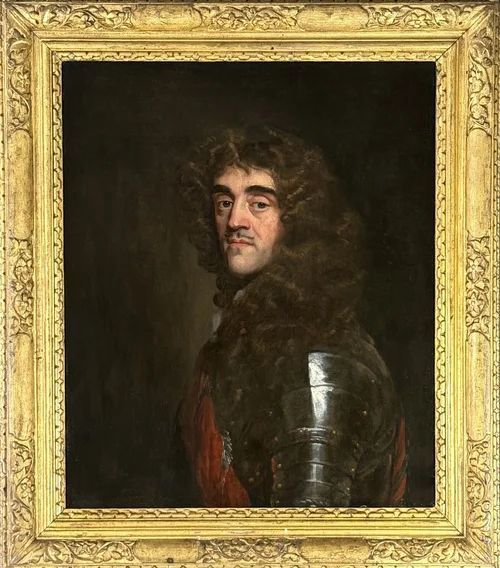
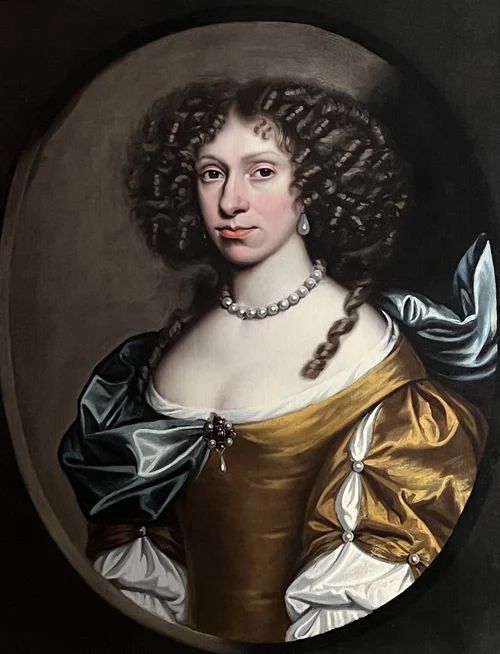
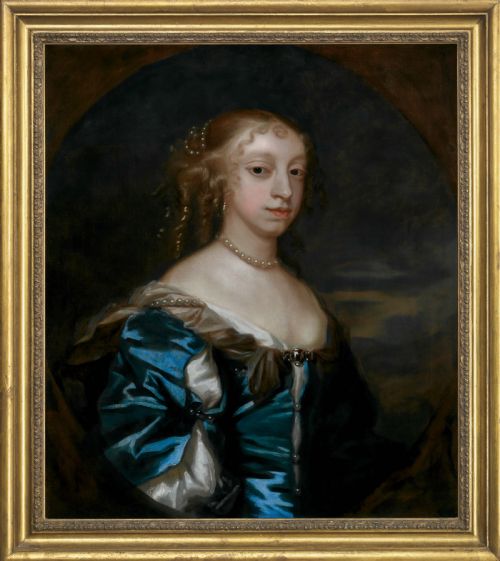
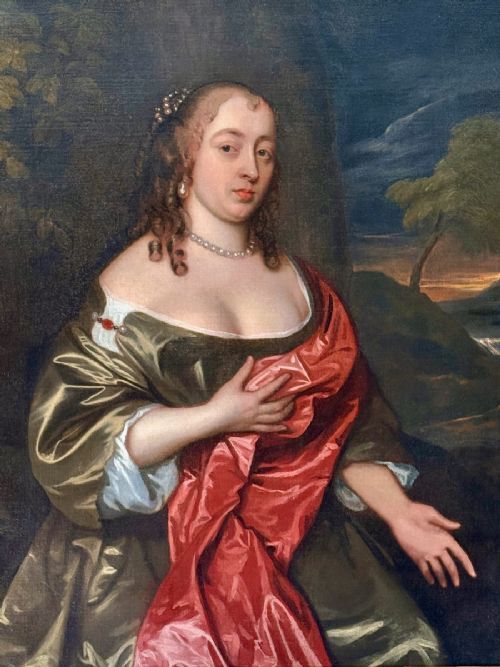
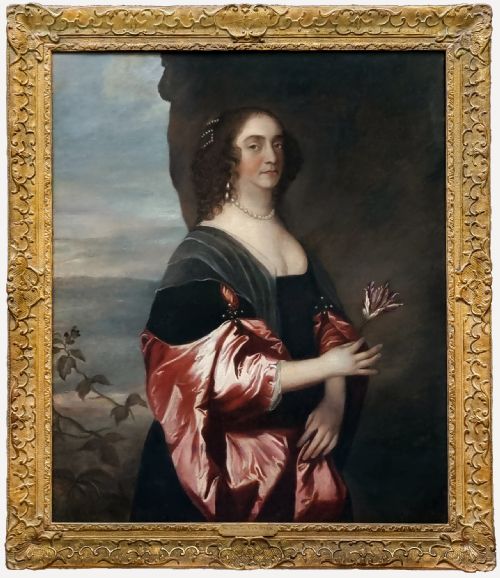
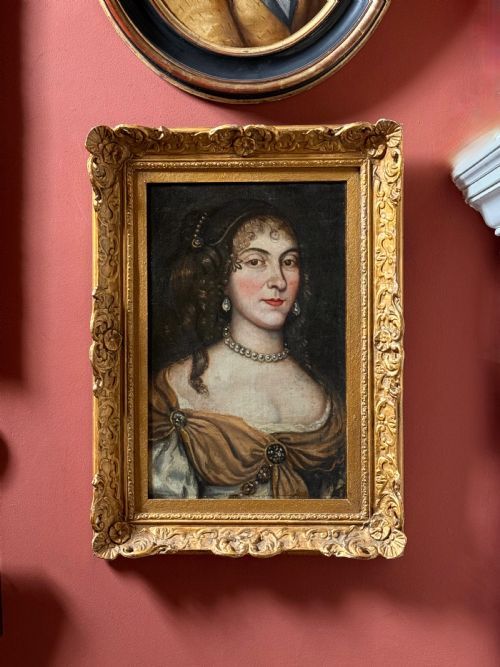
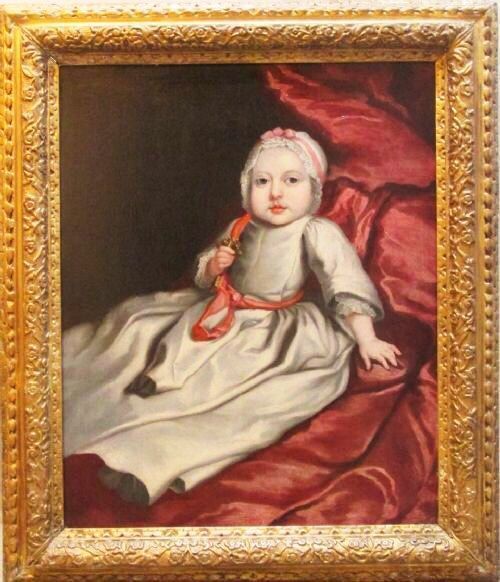
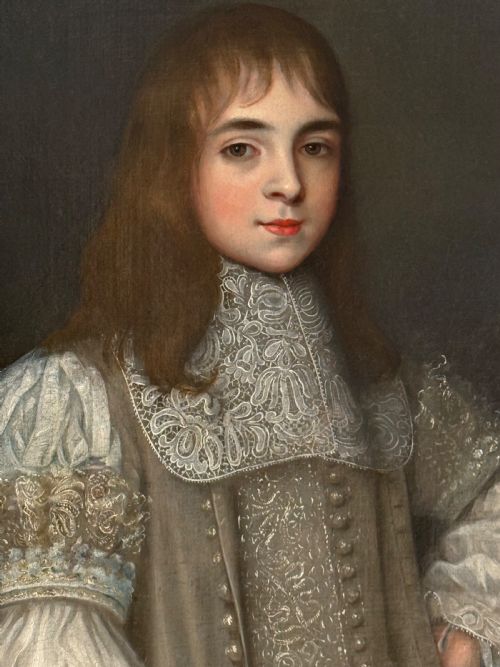
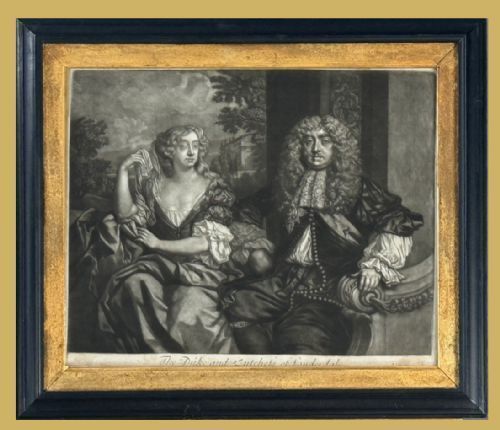
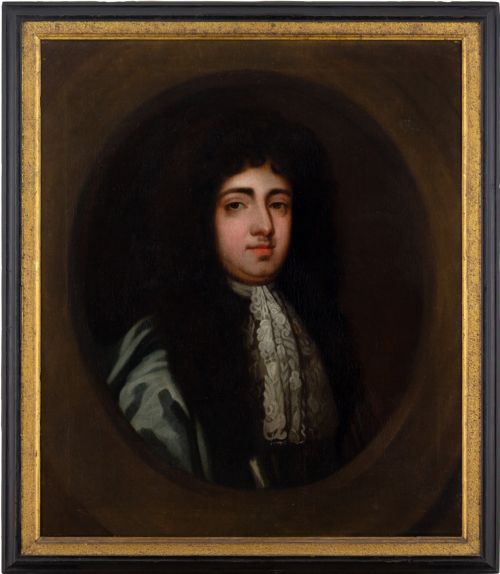
Restoration period art encompasses seventeenth-century portraits, oil paintings, prints, engravings, and framed textiles dating predominantly from the reigns of Charles II and subsequent decades. These works record nobility, military officers, and gentlefolk through formal portraiture associated with English Baroque and Stuart aesthetics.
The most common pieces on this page are oil on canvas paintings originating from English, Anglo-Dutch, and continental schools. They depict sitters in elaborate costume, armour, or landscape settings, reflecting the artistic patronage of the late seventeenth century.
How they were made
Artists utilised oil on canvas and occasionally wood panels to build rich compositions through layered pigment and glazes. Canvases received priming grounds before painters applied oil colours to render fabrics, flesh tones, and detailed lace work.
Frames incorporated carved wood, giltwood, and gold leaf finishes to complement the grandeur of the canvases. Skilled hands also produced needlework such as stumpwork embroidery using fine threads and padded relief techniques.
Restoration Period Art Retail Price Guide 2026
Typical asking prices for restoration period art among the pieces listed under this phrase on Sellingantiques today, from the lower quarter to the upper quarter. They describe what is for sale here now, not the wider market.
Listings feature seventeenth-century oil paintings, engravings, and stumpwork textiles created during the Stuart and Restoration periods.
What varies in quality
Mastery in anatomical rendering, facial expression, and textile texture distinguishes principal studio output from routine workshop copies. Primary hands captured individual likeness and psychological depth with confident brushwork, whereas lesser examples rely on formulaic repetition.
The preservation of the original canvas surface, stability of the ground layer, and authenticity of the historic gilding on the frame influence the integrity of a piece. Works executed by documented masters or close studio circles retain stronger art historical significance.
John Hayls·David Scougall·Sir Peter Lely·Pierre Mignard·Mary Beale·Sir Godfrey Kneller·John Greenhill·Robert Williams·John Michael Wright·John Riley·John Closterman·Jacob Huysmans·Johann Kerseboom·Willem Wissing·Samuel Cooper·Arnold van Boonen·Adriaen Hanneman·Henri Josephe Hesse
The Restoration Period Art Glossary
- Baroque
- A European artistic style of the seventeenth century characterised by drama, rich detail, deep colour, and grand scale. It heavily influenced English portraiture during the Restoration.
- Mezzotint
- A printmaking process of the intaglio family where the plate is roughened to produce tonal gradations. This technique allowed artists to reproduce oil paintings with subtle light and shadow.
- Stumpwork
- A raised embroidery style popular in the seventeenth century featuring figures and motifs padded with wool or hair. It often depicted royal subjects and biblical scenes.
- Giltwood
- Wood that has been coated with a thin layer of gold leaf or gold paint. Frames from the period utilised this method to reflect candlelight in grand interiors.
- Circle of
- A designation used when a work shows the distinct hand and style of a master's immediate workshop. It indicates production during the artist's active period under direct influence.
Restoration Period Art: Frequently Asked Questions
What defines restoration period art?
This category encompasses visual works created during the late seventeenth century, specifically around the reign of King Charles II and the English Baroque movement. The surviving examples consist primarily of oil paintings and portraits depicting notable figures of the era.
The style reflects European artistic developments introduced to Britain following the Restoration, prioritising grandeur, formal posture, and detailed costume representation.
How do I identify a seventeenth century portrait?
Authentic portraits from this era are usually executed in oil on canvas or wood panel, featuring sitters dressed in distinctive period attire such as lace cravats, armour, or flowing gowns. Attribution is often guided by stylistic traits linked to prominent studios and documented painters of the time.
Inscriptions, archival records, and framing styles also provide contextual evidence for dating the canvas to the later decades of the sixteen-hundreds.
How should I care for an antique oil painting?
Oil paintings require stable environmental conditions away from direct sunlight, high humidity, and rapid temperature fluctuations to prevent canvas slackening and paint cracking. Dusting should be performed gently with a soft, dry brush by someone experienced in handling historic surfaces.
Professional conservation is recommended for any major cleaning or structural repair to preserve the original pigment layers and varnish.
What is the difference between circle of and studio of?
Studio of indicates that a painting was produced within the physical workshop of a named master, often under their supervision or following their established compositions. Circle of denotes a broader connection, describing an artist working closely within the distinct style of a master without necessarily training directly under them.
Both attributions help collectors understand the proximity of the execution to the most celebrated painters of the period.