





Red Robe Portrait
These red robe portrait pieces capture judges, cardinals and gentlemen in striking scarlet attire, offering a direct window into historical authority and prestige.
Red Robe Portrait
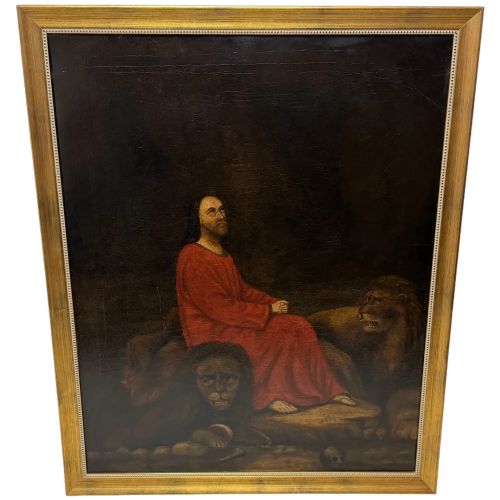
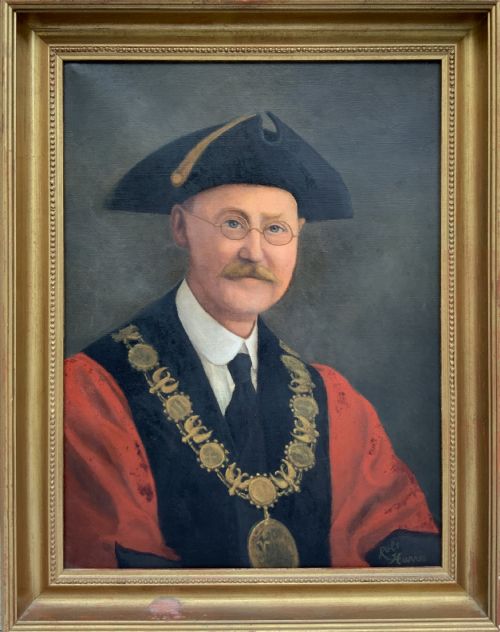
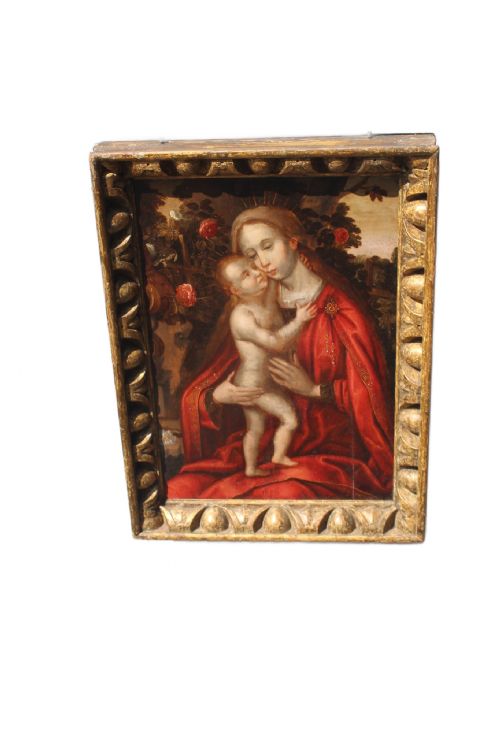
A red robe portrait depicts figures of status, such as judges, cardinals, mayors and lords, distinguished by their crimson garments. These works span multiple centuries, from the seventeenth century through to the mid-twentieth century.
The subjects wear judicial court dress, ecclesiastical robes or civic regalia to signal their office and power. Buyers encounter various regional schools, including Flemish, Italian and British works, executed in oil paint.
The visual focus rests squarely on the heavy folds of scarlet fabric and the sitter's individual likeness. Artists utilise this bold colour to command the viewer's attention and denote high rank.
Materials and technique
Painters relied on oil paint applied to canvas or wood panels, building up rich layers to achieve the deep tones of the red garments. Canvas provides a textured surface that holds the heavy pigments of oil paint effectively.
Many historical examples retain their original giltwood or carved wooden frames, often featuring leaf gilding that enhances the warmth of the central portrait. The frames themselves reflect the decorative styles of the period, from Baroque carvings to later Victorian moulding.
Red Robe Portrait Retail Price Guide 2026
Typical asking prices for red robe portrait among the pieces listed under this phrase on Sellingantiques today, from the lower quarter to the upper quarter. They describe what is for sale here now, not the wider market.
Artistic styles represented include Baroque, Regency, Northern Renaissance and various nineteenth-century and mid-century realism movements.
Separating the ordinary from the exceptional
The psychological depth of the sitter's expression dictates the success of the painting. Master hands capture character and authority in the eyes and set of the mouth, whereas lesser works remain stiff and formulaic.
The handling of the red fabric separates standard portraits from masterworks. Superior painters render the sheen, weight and complex folds of velvet, silk or wool with confident, varied brushwork rather than flat washes of colour.
Francesco Solimena·Thomas Hill·George Hayter·Ambrious Benson·Ernst Stierhof·Frank Thomas Copnall·Arthur Royce Bradbury·Alfred L Grace
The Red Robe Portrait Glossary
- Oil on canvas
- A painting medium where pigments bound in drying oil are applied to a stretched fabric support. This combination allows for subtle blending and rich colour saturation.
- Giltwood
- Wood carved and coated with gold leaf or gold paint. It frequently forms the decorative border of antique frames.
- Baroque
- An artistic style originating around the seventeenth century characterised by drama, deep shadow and rich detail. It heavily influences many of the earlier portrait compositions.
- Panel
- A rigid wooden support used by artists before canvas became the dominant medium. It offers a smooth, stable surface for fine brushwork.
- School
- A group of artists working in a particular style, region or period under a shared influence. Attribution to a specific school denotes stylistic lineage rather than a direct signature.
Red Robe Portrait: Frequently Asked Questions
What do red robe portraits depict?
These artworks portray figures of high station, including judges, cardinals, mayors and lords, dressed in distinctive scarlet garments. The clothing serves as an indicator of their official office, legal standing or ecclesiastical rank.
The sitters are captured in formal poses, often gazing directly at the viewer with expressions of authority. Such works function as historical records of prominent individuals from the seventeenth century onwards.
Where should I hang one?
These commanding paintings suit formal reception spaces, studies or libraries where the rich crimson tones complement traditional wood panelling or deep wall colours. Proper placement away from direct sunlight protects the oil pigments from fading over time.
Ensure the piece hangs at a comfortable eye level to fully appreciate the facial expression and the texture of the garments. Pairing the canvas with a period-appropriate light source enhances the depth of the oil paint.
How do I identify the period?
Dating relies on a combination of the sitter's costume, the framing style and the handling of the paint medium. Seventeenth-century examples often feature dramatic chiaroscuro and elaborate lace collars, while nineteenth-century works display different canvas textures and brushwork techniques.
Examining the reverse of the canvas or wooden panel can reveal historical labels, stamps or inscriptions. Stylistic clues within the background details also point towards specific eras like the Victorian or Edwardian periods.
What frames are correct?
Period frames range from heavily carved giltwood mouldings to simpler wooden borders depending on the century of creation. Italian examples frequently utilise ornate Florentine carved giltwood frames that complement the vibrancy of the red robes.
A matching frame enhances the historical context of the artwork and provides structural support for the canvas. The patination on the gilding or wood should match the age of the painting it surrounds.