




Antique Flemish Art
Antique flemish art spans centuries of oil painting and woven tapestries, offering evocative portraits and verdure scenes that bring historic European craftsmanship directly into domestic spaces.
Antique Flemish Art
When searching for antique flemish art, collectors encounter a diverse range of works spanning from the sixteenth century through to the twentieth century. The selection is dominated by oil paintings on canvas and wood panels, alongside large-scale wool and silk wall tapestries.
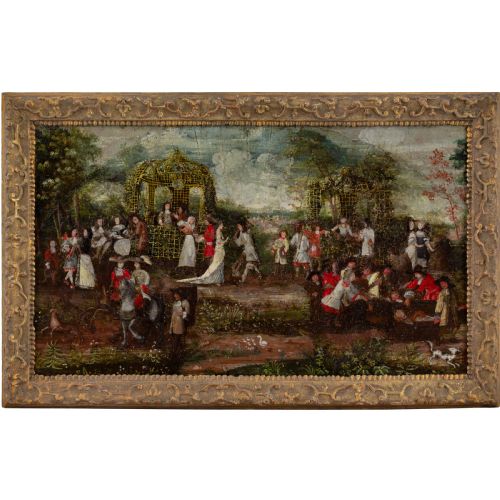
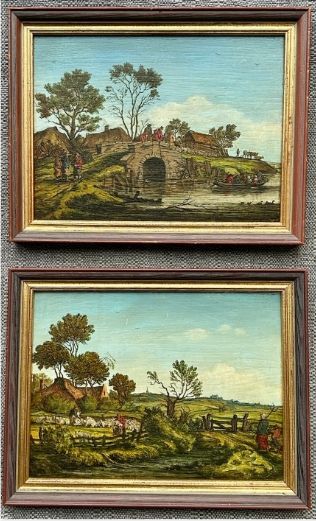
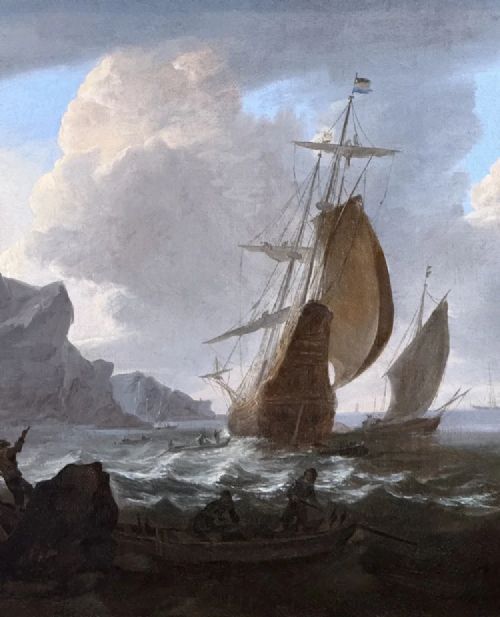
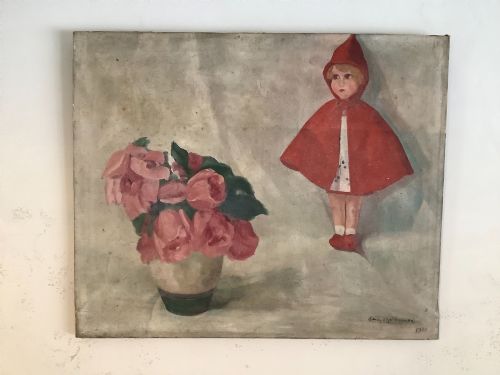
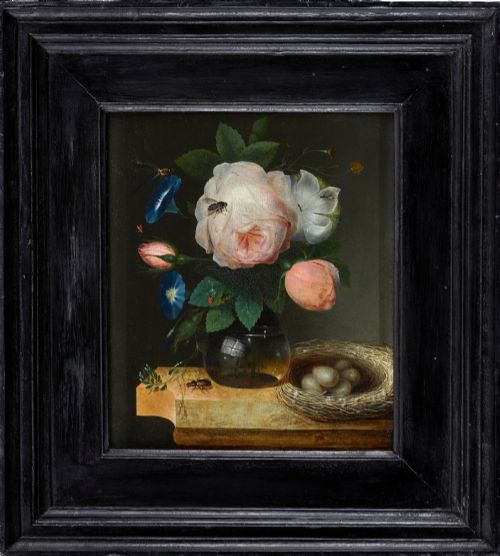
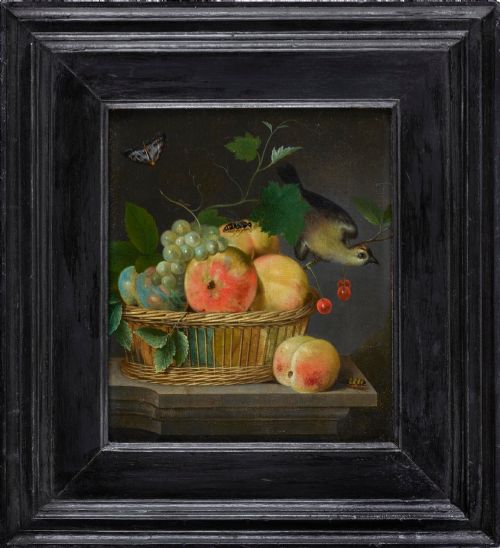
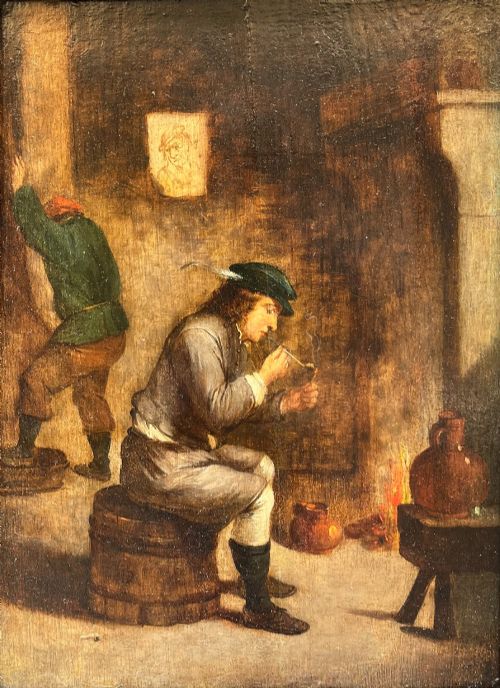
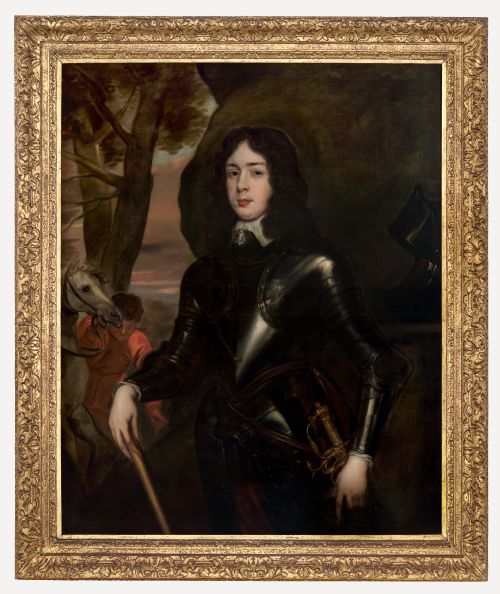
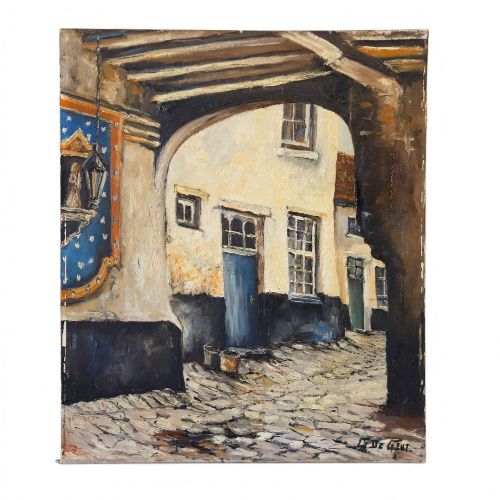
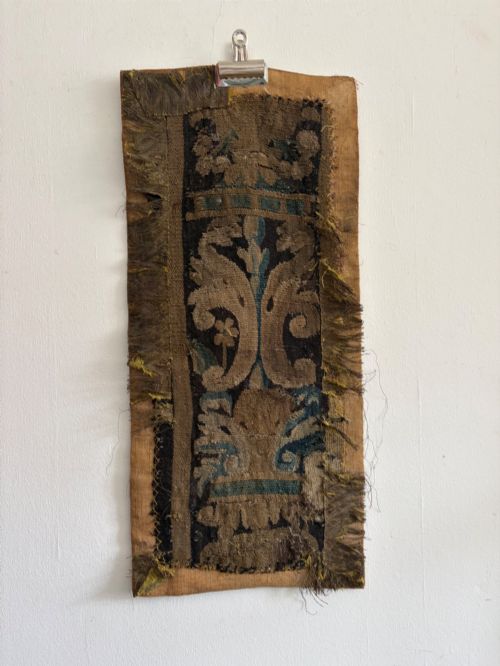
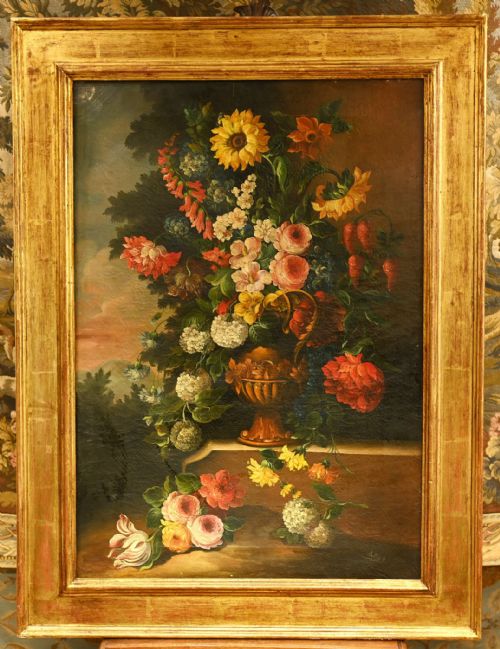
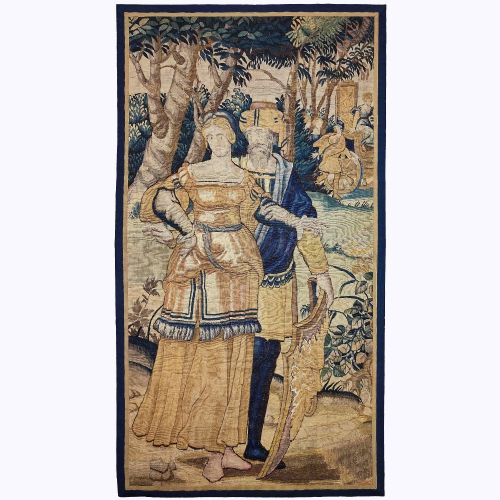
Oil paintings frequently depict pastoral scenes, portraits, floral still lifes, and tavern interiors executed in baroque or golden age styles. Verdure tapestries and textile fragments showcase rich foliage and mythological motifs woven centuries ago.
Pieces originating from later periods include nineteenth and early twentieth-century interpretations, demonstrating the enduring influence of earlier schools. Smaller decorative items, such as carved oak panels and cushion covers, also appear within this tradition.
Distinctions in quality
Quality in these works is defined by the dexterity of the brushwork, the depth of perspective in oil paintings, and the complexity of the pigment palette. In woven pieces, the fineness of the wool and silk threadwork alongside the intactness of the verdure design determines the standing of the piece.
Provenance and attribution to documented studios or followers of major historical painters elevate specific canvases. Preservation of the original surface, whether canvas, panel, or textile fragment, remains central to the integrity of each item.
Subjects range from verdure landscapes and floral still lifes to portraits of gentlemen and mythological tavern scenes.
Sir Anthony van Dyck·Gaspar Peeter Verbruggen·David Teniers·Frans Snyders·Jan Cossiers
The Antique Flemish Art Glossary
- Verdure tapestry
- A woven wall hanging dominated by lush foliage, trees, and often animals or distant landscapes. These textiles were popular for bringing natural scenes into interior rooms.
- Oil on canvas
- Pigments mixed with drying oils applied to a woven fabric support stretched across a wooden frame. This method allowed artists to achieve subtle tonal gradations and rich textures.
- Baroque
- An artistic style characterised by drama, deep shadow, and exuberant detail originating in the seventeenth century. Works in this manner often display theatrical lighting and dynamic movement.
- Wood panel
- A rigid wooden support used by painters prior to the widespread adoption of canvas. Panels provide a smooth, stable surface for fine brushwork.
- Corpus Christi
- A sculptural representation of the body of Jesus Christ, typically carved from wood during the seventeenth century. These items reflect the deep religious traditions of the period.
Antique Flemish Art: Frequently Asked Questions
How do I care for antique oil paintings?
Antique oil paintings require stable environmental conditions away from direct sunlight and dramatic humidity fluctuations. Keep the canvas or wood panel in a room with moderate temperature to prevent paint cracking or warping.
Dust the surface gently with a soft, dry brush without applying pressure to the pigment layers. Avoid using water or chemical cleaners, and consult a professional conservator for deep cleaning.
What distinguishes seventeenth-century Flemish art?
Seventeenth-century Flemish art is marked by dramatic lighting, rich textures, and themes ranging from religious allegories to lively tavern scenes and detailed still lifes. Artists working in this tradition mastered realistic depictions of fabrics, flora, and fauna.
This era coincides with the Baroque movement, where workshops produced both monumental tapestries and intimate cabinet paintings. The influence of major masters extended through subsequent centuries via studio copies and followers.
Where should I hang a large wall tapestry?
Large wall tapestries need sturdy hanging systems that distribute weight evenly across a wooden batten or hidden support rod. Choose a wall away from direct sunlight and heating vents to protect the delicate wool and silk threads.
Allow sufficient clearance from the floor to prevent dust accumulation at the lower edge of the textile. Rotating the display location periodically helps minimise uneven environmental exposure.