






Flemish Portrait Oil Painting
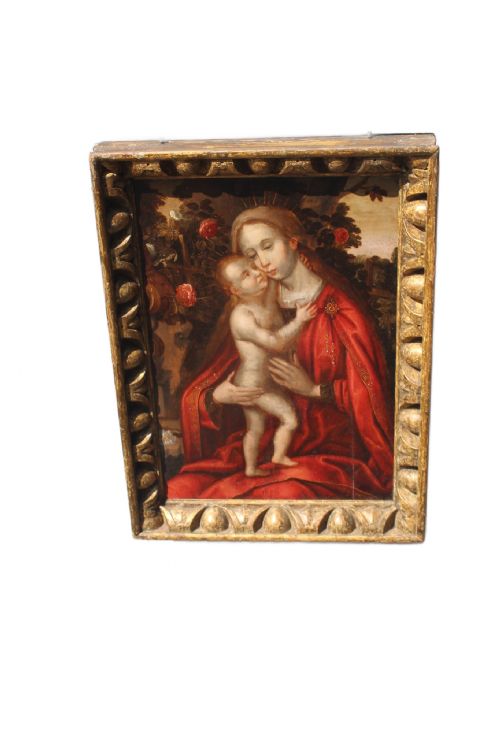
These flemish portrait oil painting works bring centuries of Northern European character and stately presence directly to your walls.
Flemish Portrait Oil Painting
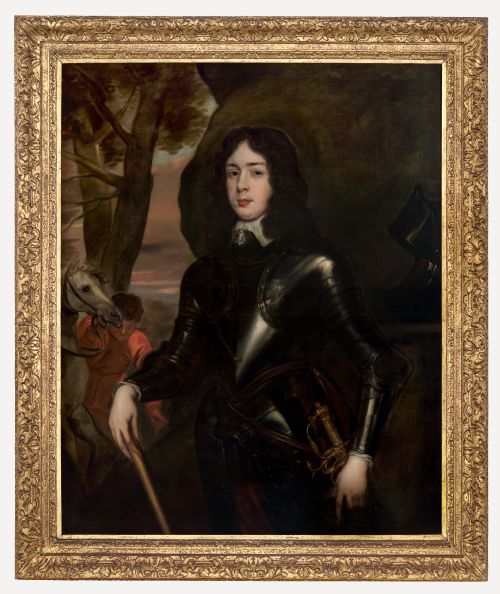
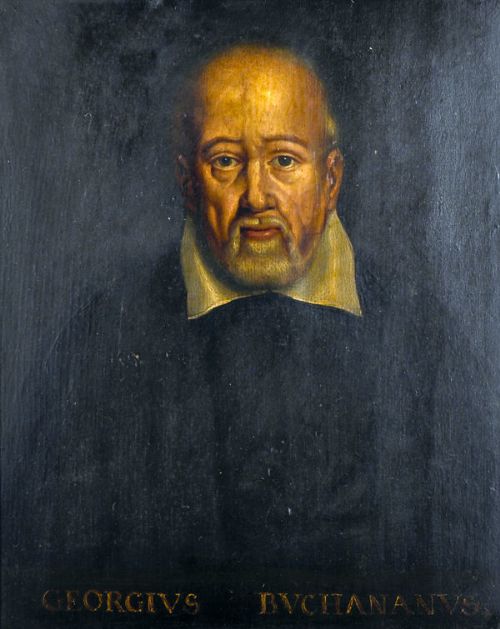
A flemish portrait oil painting captures the distinct likeness and solemn dignity of sitters from aristocratic, military, or scholarly circles. You will encounter works originating across the seventeenth, eighteenth, and nineteenth centuries, often echoing Northern Renaissance or Baroque traditions.
The selections span mid-seventeenth-century gentlemen in elaborate dress, prelates in cassocks, and figures rendered in the manner of established masters. Many pieces arrive housed in period wooden or giltwood frames that complement the depth of the canvas.
Most examples connect directly to regional schools or follow the composition of prominent Antwerp workshops. They serve as historic focal points that anchor a room with layered tones and subdued lighting.
What Varies in Quality
The strength of the composition and the psychological depth of the sitter's expression determine the standing of each piece. Skilled handling of light across armour, velvet robes, or lace collars distinguishes the most compelling works.
Flemish Portrait Oil Painting Retail Price Guide 2026
Typical asking prices for flemish portrait oil painting among the pieces listed under this phrase on Sellingantiques today, from the lower quarter to the upper quarter. They describe what is for sale here now, not the wider market.
The listings show portrait subjects ranging from seventeenth-century military officers and scholars to eighteenth-century noblemen rendered on canvas and linen.
Sir Anthony van Dyck·David Teniers The Younger·Jan Cossiers·Peter Paul Rubens·Frans Pourbus the Elder
The Flemish Portrait Oil Painting Glossary
- Giltwood
- Wood carved and covered with a thin layer of gold leaf. This material frequently frames historic portraits to enhance their visual weight.
- Canvas
- A heavy woven fabric stretched tightly across a wooden frame to serve as the painting support. Linen is a finer variety often found in older works.
- Baroque
- An artistic style characterised by dramatic use of light, shadow, and theatrical movement. It heavily influences seventeenth-century portraiture.
- Manner of
- A term indicating a work created in the style of a specific master without being an original production by that hand. It reflects the lasting influence of prominent workshops.
Flemish Portrait Oil Painting: Frequently Asked Questions
How do I hang a heavy oil portrait safely?
Ensure your wall fixings are secured directly into studs or use appropriate heavy-duty wall anchors designed for the weight of the wooden frame.
Position the centre of the painting at eye level to replicate gallery standards and prevent strain on the hanging wire.
Where should I place these paintings at home?
Keep portraits away from direct sunlight, radiators, and damp areas to protect the canvas and the wooden support structure.
Rooms with stable ambient temperatures and gentle indirect lighting suit these historic artworks best.
How can I tell a seventeenth-century piece from a later copy?
Examine the preparation of the canvas, the ageing of the pigment, and the construction of the wooden stretcher bars behind the painting.
Later revivals often employ machine-woven fabrics and modern framing techniques that differ visibly from period materials.