


Repousse Silver Table Box
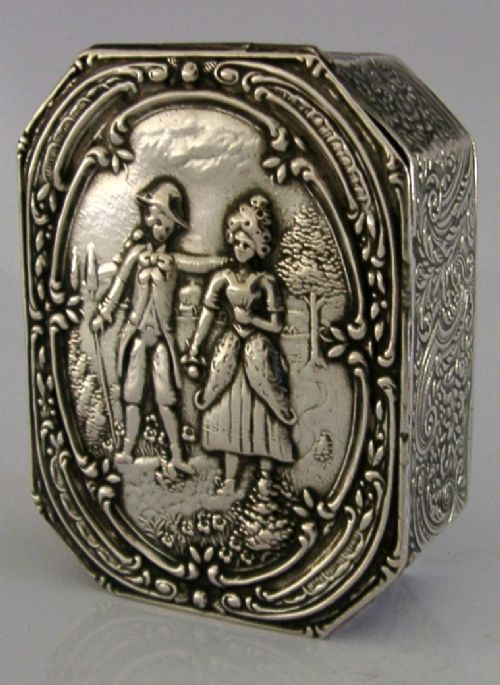
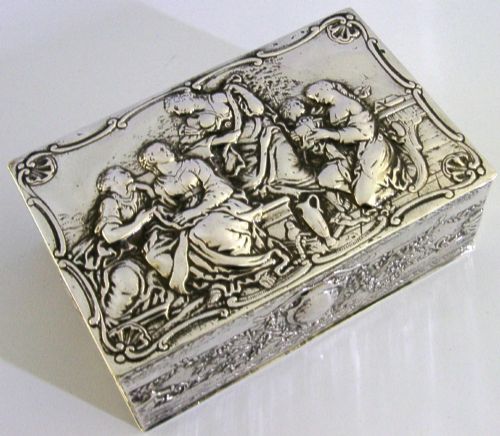
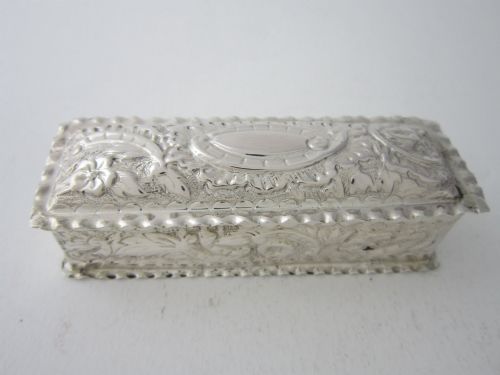
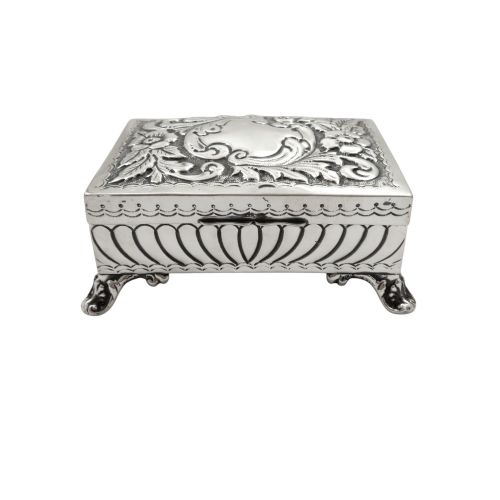
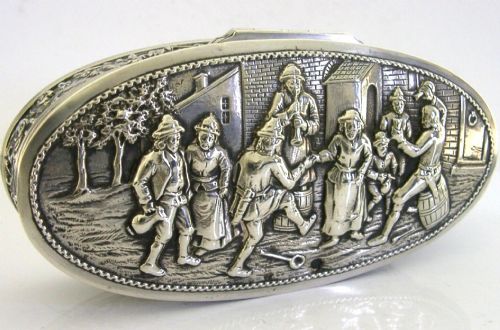
A repousse silver table box brings hammered relief work to surfaces where small treasures, snuff, or trinkets sit.
Repousse Silver Table Box
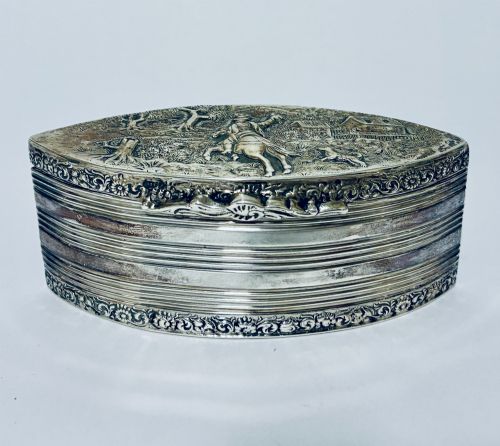
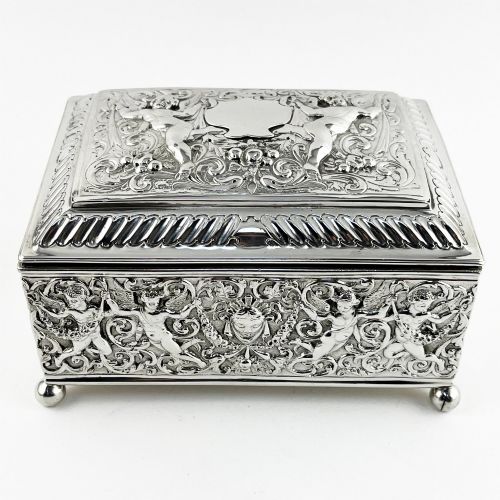
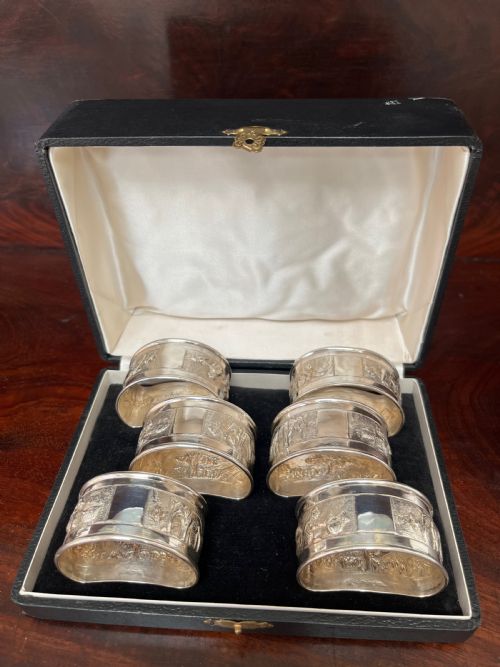
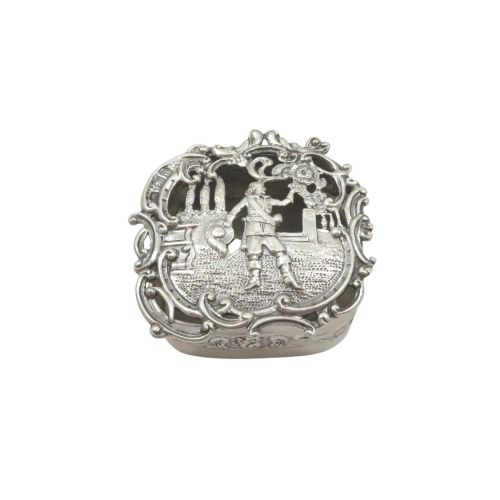
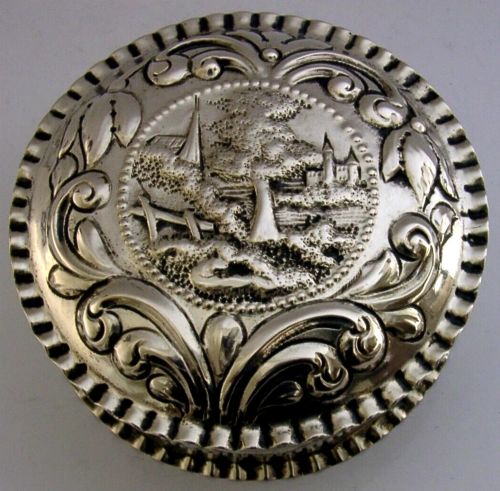
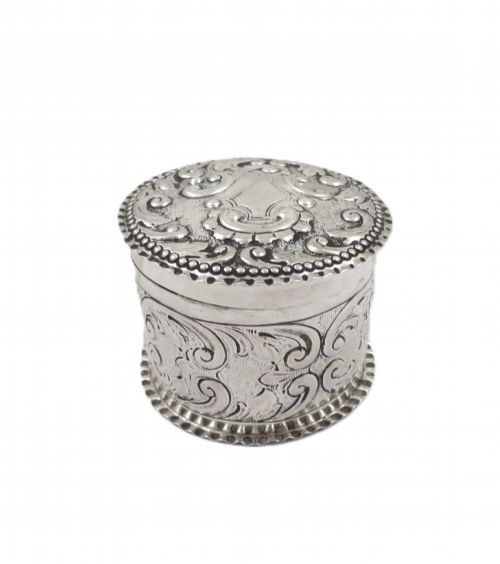
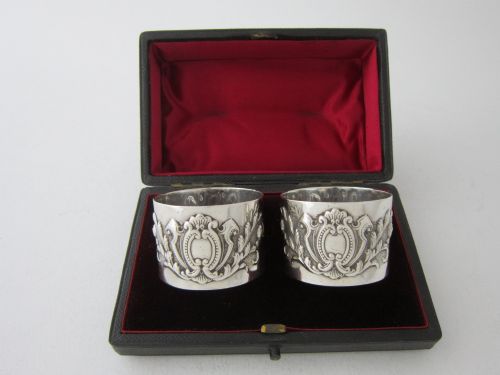
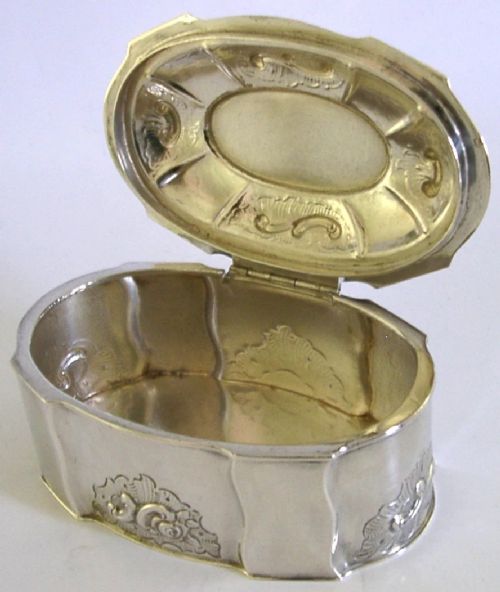
A repousse silver table box is a small receptacle fashioned for the dressing table, desk, or parlour, appearing frequently in Victorian, Edwardian, and turn of the century forms. These pieces include trinket boxes, jewellery caskets, snuff boxes, desk boxes, and tea caddies shaped in rectangular, oval, heart, or picture castle top formats.
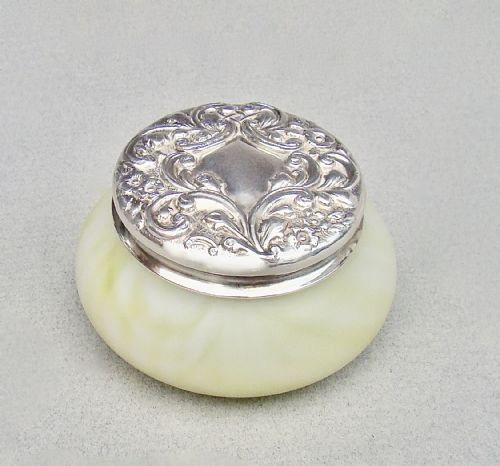
The objects span periods from George III through to Scandinavian mid-century work, with continental European examples from makers in Hanau and Denmark sitting alongside British sterling productions from London, Birmingham, and Chester. Interiors commonly feature linings of velvet, silk, or leatherette, while glass and crystal bodies appear capped with silver lids.
How they were made
Silversmiths utilised solid silver, sterling silver, and silver gilt, hammering the metal from the reverse side to push out ornate rococo motifs, scrolls, and figurative scenes in high or low relief. Piercing, casting, and chasing techniques added structural clarity and surface texture to the finished bodies.
Lids and bases incorporated internal wooden cores or fitted textile linings such as velvet and silk, while glass components combined mould-blown or cut crystal bodies with hinged silver mounts.
Meleager's boar head makes an unexpected appearance on eighteenth-century snuff.
What varies in quality
The depth, crispness, and hand-finishing of the repousse relief separate standard production from superior examples, with finer pieces retaining sharp detail in every scroll and figurative element without flattening from wear or over-polishing. Substantial weight and thick gauge metal provide structural rigidity to the box walls and lids.
Maker marks, clear assay office hallmarks, and the integrity of internal textile linings or glass bodies contribute significantly to the standing of an individual piece.
A. Bromet & Co·William Comyns·William Comyns & Sons·Edward Farrell·William Neale & Sons
The Repousse Silver Table Box Glossary
- Repousse
- Metalworking technique where the design is hammered into relief from the reverse side. This method creates tactile, three-dimensional decorative surfaces on boxes and caskets.
- Silver Gilt
- Silver covered with a thin layer of gold on its surface. This treatment protects the underlying metal and provides a rich golden interior or exterior finish.
- Castle Top
- A pictorial box lid featuring a detailed engraving or repousse view of a specific building or landscape. These scenes often depict historic English or continental landmarks.
- Hallmark
- Official stamp applied by an assay office to indicate metal purity, origin city, and date of manufacture. British pieces display a series of small stamped symbols.
- Casket
- A larger, more formal box designed to hold jewellery or valuables, often featuring hinged lids and fitted interior trays.
Repousse Silver Table Box: Frequently Asked Questions
What is a repousse silver table box used for?
These boxes served primarily to hold jewellery, trinkets, snuff, pins, or tea on dressing tables and desks.
They functioned both as functional containers and decorative objects for the domestic interior.
How do I identify the date of a silver box?
British pieces rely on assay office hallmarks, which include date letters corresponding to specific years of manufacture.
Continental European and Hanau pieces often use style markers and town marks rather than standard British date ciphers.
What are the interiors usually lined with?
Many examples feature original linings made from velvet, silk, or leatherette to protect delicate items.
Some larger caskets and desk boxes present unlined silver or wood-reinforced interiors.
How should I clean antique silver boxes?
Gentle dusting with a soft cloth preserves the delicate hammered relief and chased details without removing the aged patina.
Harsh dips or abrasive polishes should be avoided, particularly around textile linings and glass sections.