


Silver Gilt Table Box
These silver gilt table box pieces combine precious metals and intricate smithing, offering a practical way to store small treasures while displaying exceptional period craftsmanship.
Silver Gilt Table Box
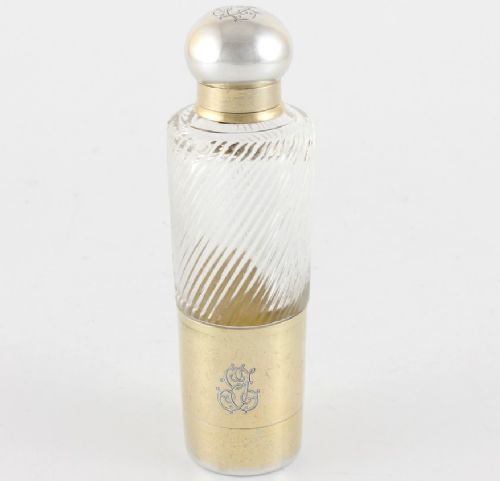
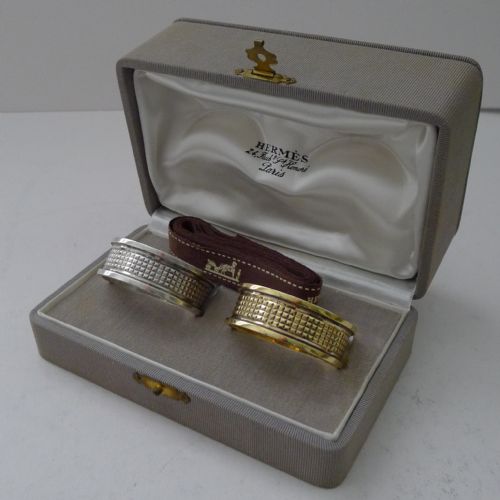
Originating largely from British and French workshops, these items mirror the aesthetic preferences of periods such as the Georgian, Victorian, and Art Deco eras. Makers utilised precious metals alongside contrasting media like cut crystal, velvet, and hardstones to create distinct functional containers. Each piece serves as a tangible record of historical metalworking traditions, bridging utility and ornamentation.
Materials and construction methods
The primary material foundation relies on sterling silver or solid silver, which undergoes gilding to produce the characteristic warm gold finish known as vermeil or silver gilt. Artisans applied decorative techniques including chasing, casting, and niello work to shape borders and surface scenes. These methods required skilled hand-tooling to achieve the relief motifs seen across the lids and bodies.
Many boxes incorporate secondary elements such as fitted velvet interiors, cut glass, and inlaid semi-precious stones like onyx and lapis lazuli. The assembly of these diverse materials demanded precision joinery to secure glass bottles, metal mounts, and hinged lids together. The durability of the resulting objects depends directly on the strength of these mechanical joints and the thickness of the applied gold layer.
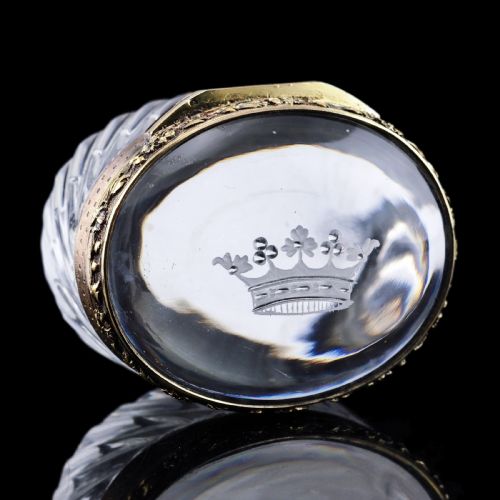
Several boxes double as miniature menageries, featuring chased boar heads and coronets peering out from the metal lids.
Distinctions in craftsmanship and design
Quality in a silver gilt table box rests on the crispness of the chased or cast ornament and the proportion of the design. Pieces featuring detailed figural scenes, such as classical motifs or heraldic coronets, demand a higher level of artisan skill than plain geometric containers. The depth of the hand-engraving and the structural integrity of the hinge indicate the level of care invested during production.
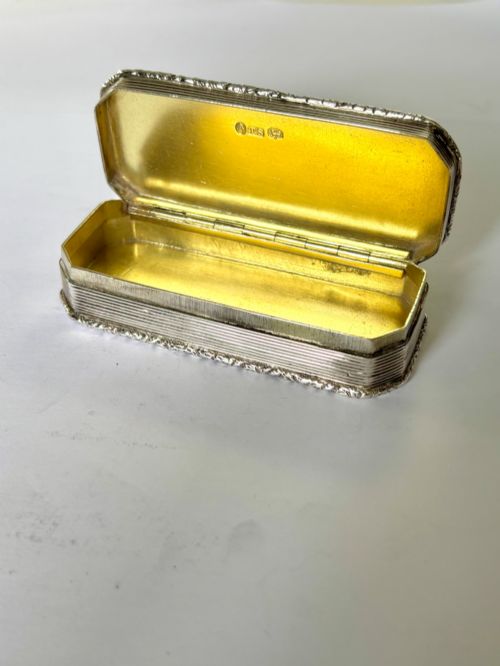
The preservation of the original gold gilt surface and the quality of any integrated glass or stone panels also dictate the standing of a piece. Finer examples retain clear hallmarks confirming the maker and assay office, while superior assembly ensures that lids close flush and internal linings remain intact. The weight of the metal and the presence of signed maker stamps further differentiate standard production from exceptional workshop output.
Thomas Shaw·Edward Edwards·Edward Farrell·George Betjemann·Yapp and Woodward·Charles Rawlings and William Summers·Tonnel Paris
The Silver Gilt Table Box Glossary
- Silver gilt
- Silver that has been coated with a thin layer of gold, also referred to as vermeil. This technique protects the underlying silver from tarnishing while providing the rich appearance of solid gold.
- Chasing
- A metalworking technique where the artisan hammers the metal from the front to push the material inward and create a raised design in relief. It is frequently used to render botanical and figural scenes on box lids.
- Hallmark
- An official stamp or series of marks applied to precious metals indicating the purity standard, the assay office, and the maker or year of production. These marks provide reliable evidence of origin.
- Niello
- A black metallic alloy used as an inlay on engraved metal surfaces to create contrasting dark designs. The technique highlights intricate patterns against a bright silver background.
- Vesta
- A small pocket or table case designed to hold matches, often constructed with a striking surface integrated into the base. They share similar decorative metalwork techniques with larger boxes.
Silver Gilt Table Box: Frequently Asked Questions
What was a silver gilt table box used for?
These boxes served multiple domestic functions, primarily holding dry goods like snuff, stamps, or small personal trinkets on dressing tables and writing desks. Their decorative presence also marked social status in formal rooms.
Over time, owners repurposed them for vanity items, pill bottles, or simply as display pieces. Their sturdy construction protected delicate contents from light and handling.
How do I clean a silver gilt table box?
Cleaning requires extreme caution because aggressive polishes can wear away the thin gold gilt layer sitting over the silver base. Soft microfiber cloths are recommended to remove dust without abrasive action.
Harsh chemical dips must be avoided entirely, as they strip the gilding and damage organic inlays like velvet, leather, or hardstones. Professional consultation is advised for heavily tarnished or fragile pieces.
How can I identify the date of a box?
Dating relies primarily on the stamped hallmarks found on the metal body, which record the assay office and specific year letter code. Stylistic clues such as Rococo revival scrolls or Art Deco geometry also point toward specific decades.
Comparing construction methods, hinge types, and maker signatures helps narrow the manufacturing period further. Documentary evidence from historical records supports these physical indicators.
Are these boxes suitable for daily use?
While structurally robust, antique boxes benefit from gentle handling to preserve their historical surface finishes and delicate hinges. Daily use is entirely possible for storing small items like rings or cufflinks.
One should avoid placing them in humid environments or areas prone to direct sunlight, which can affect organic interior linings and stone inlays. Regular inspection of the clasp mechanism ensures secure closure.