

Vintage Silver Dress Box
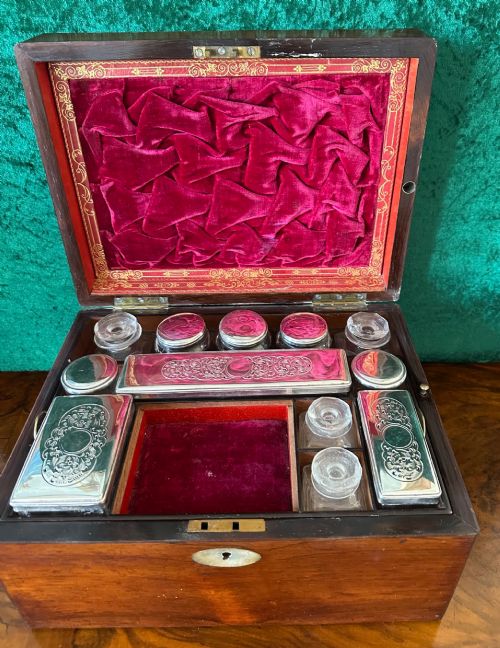
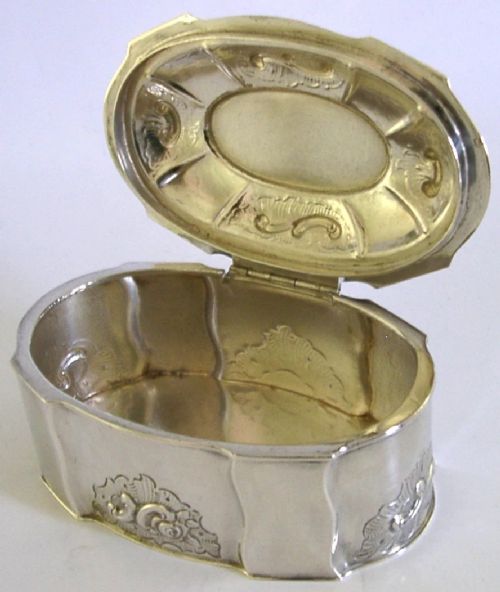
A vintage silver dress box sits on the dressing table to hold rings, pins, and small trinkets.
Vintage Silver Dress Box
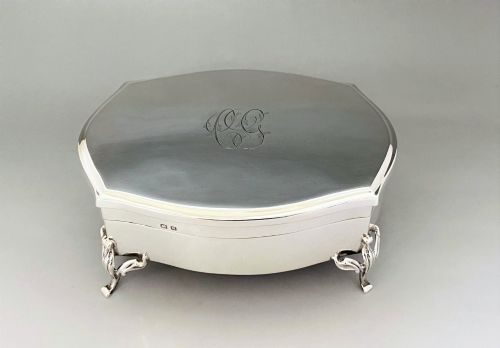
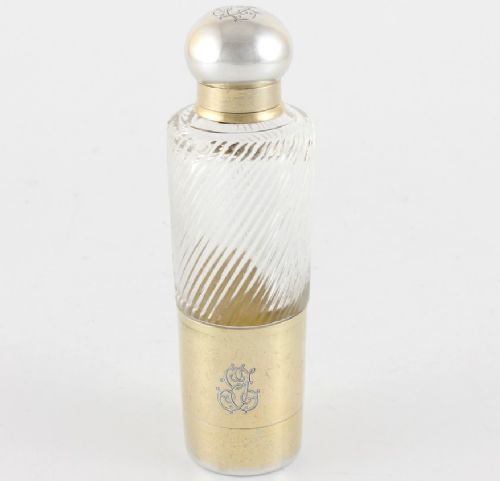
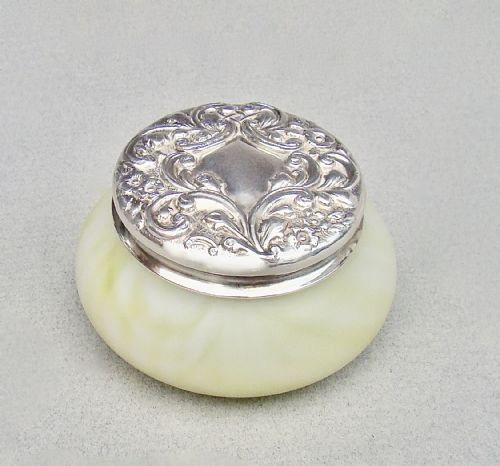
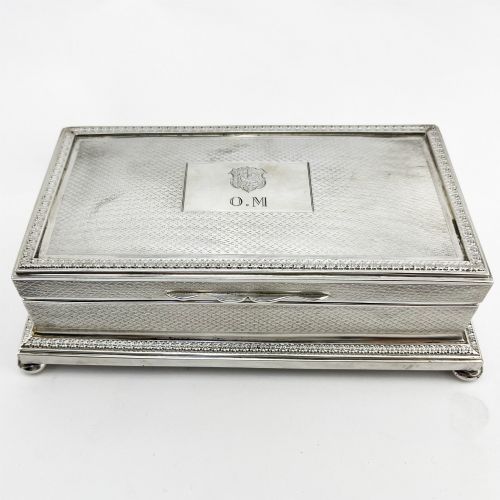
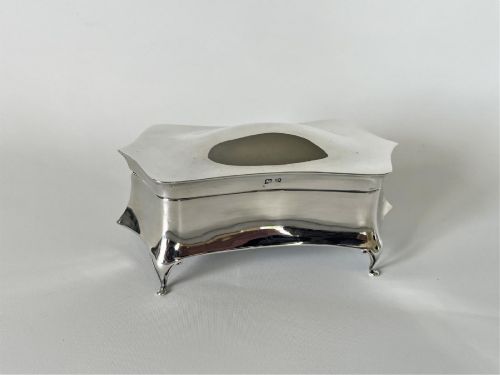
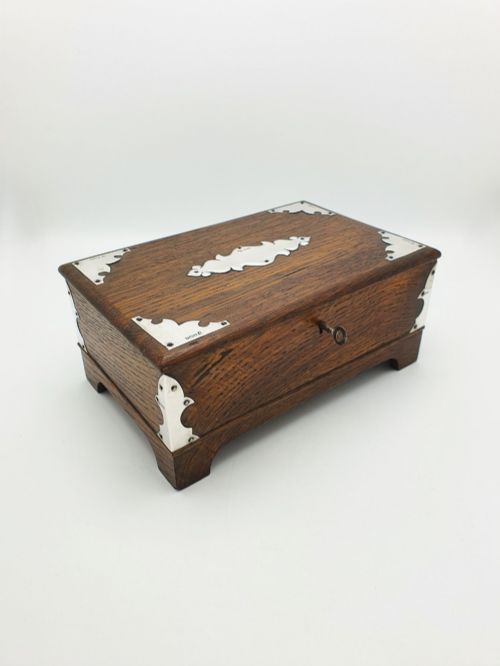
The most common examples on this page date from the Edwardian period and the 1920s or 1930s. These pieces often take the form of small lidded jars, heart-shaped trinket containers, or larger table boxes.
Originating predominantly from British assay offices like Birmingham and London, these items reflect the stylistic shifts from ornate Victorian and Edwardian tastes to geometric Art Deco designs.
Materials and Construction
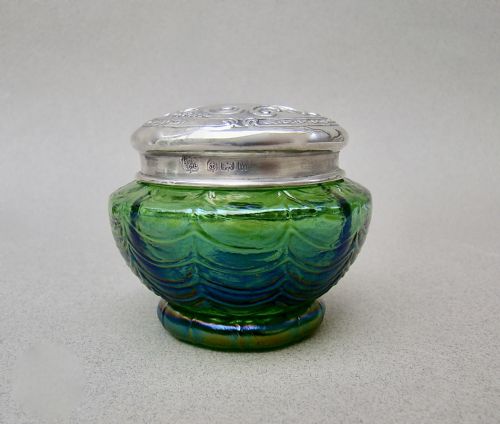
Silversmiths formed the bodies and mounts using sterling silver and solid silver, often pairing the metal with cut glass, satin glass, or Kralik glass for the lower vessels.
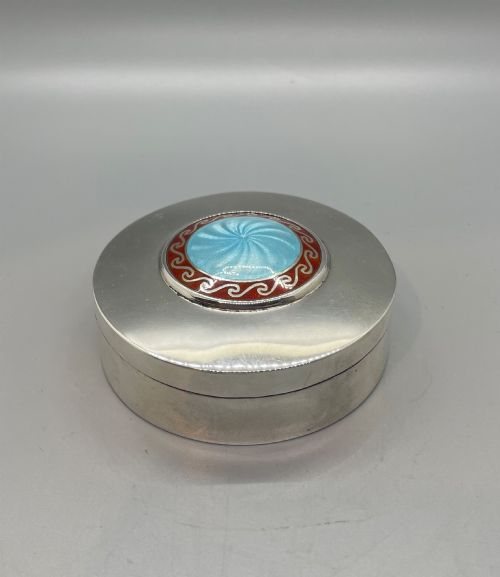
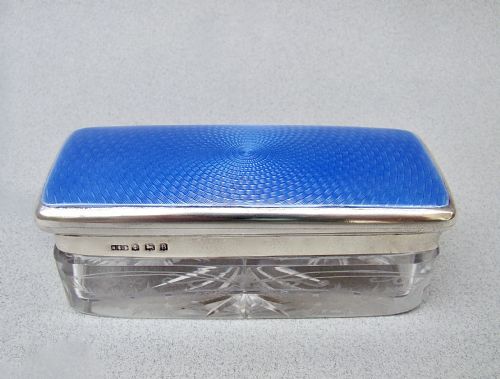
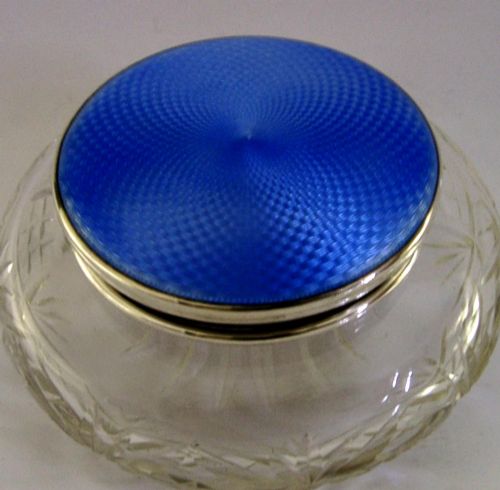
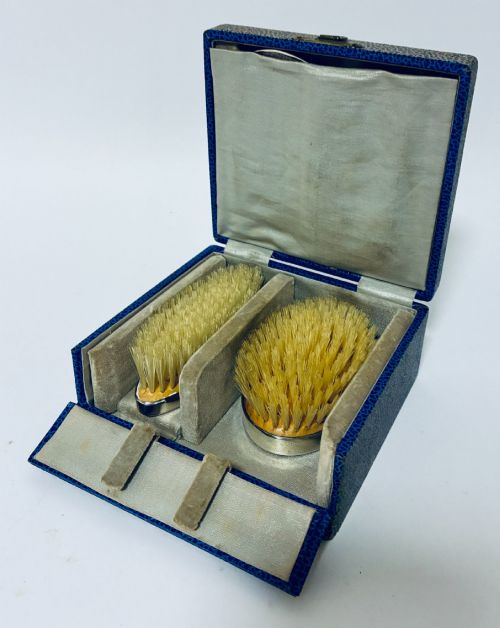
Surface decoration frequently incorporates guilloche enamel, tortoiseshell, and velvet linings to cushion the contents, demonstrating traditional manufacturing techniques of the early twentieth century.
The listings on this page span the Victorian era, the Edwardian period, and the mid-twentieth century.
Evaluating Quality and Craftsmanship
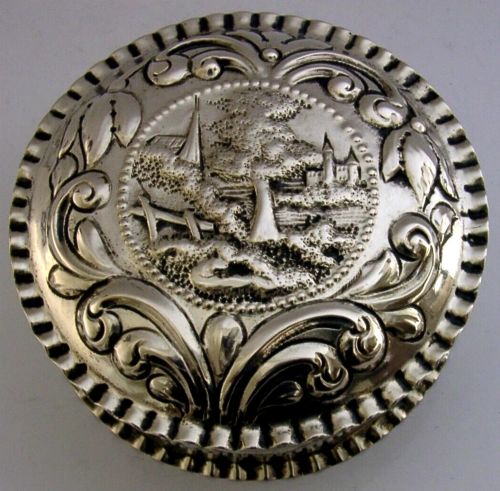
Quality rests upon the weight of the metal and the crispness of any cast ornamentation, such as repousse work or castle top lids. Thicker gauge silver maintains its structural integrity better over decades of handling.
The precision of applied enamel work and the snug fit of hinged lids distinguish finer pieces. Maker marks from established firms indicate higher standards of silversmithing and design.
A. J. Pepper & Co·Henry Clifford Davis·A. Bromet & Co·Mappin & Webb·Elkington & Co·William Neale & Sons
The Vintage Silver Dress Box Glossary
- Guilloche enamel
- A decorative technique where an intricate pattern is engraved beneath a translucent layer of coloured enamel. This method was widely utilised on vanity jars during the Art Deco era.
- Assay mark
- A stamp indicating the purity of the precious metal and the office where it was tested. British pieces typically show a lion passant and a date letter.
- Trinket box
- A small lidded container designed for holding rings, brooches, or small personal items. These often feature velvet or satin interiors.
- Kralik glass
- An iridescent art glass produced by the Kralik factory in Bohemia. It appears combined with silver mounts in Edwardian table pieces.
- Castle top
- A detailed pictorial engraving of a landmark or building on the silver lid of a box. This style is characteristic of Victorian and early twentieth-century table boxes.
Vintage Silver Dress Box: Frequently Asked Questions
What were vintage silver dress boxes used for?
These boxes held hairpins, rings, brooches, and small cosmetics on dressing tables or inside travelling luggage.
Wealthy owners used them daily to keep personal effects organised and secure in the bedroom.
How do I date a silver dress box?
Assay office marks and stamped date letters on the metal provide the exact year of manufacture.
Stylistic cues like Art Deco geometry or Edwardian floral motifs also point to specific decades.
Are glass and silver dress boxes fragile?
The cut glass or coloured glass bodies require careful handling to prevent chipping or cracking.
Displaying them away from table edges protects the fragile glass and the delicate enamel lids.
What is the difference between a trinket box and a vanity jar?
Trinket boxes are shallow lidded containers generally lined with velvet for jewellery and loose ornaments.
Vanity jars feature deep glass or crystal bases intended for creams, powders, or pins on a dressing table.