
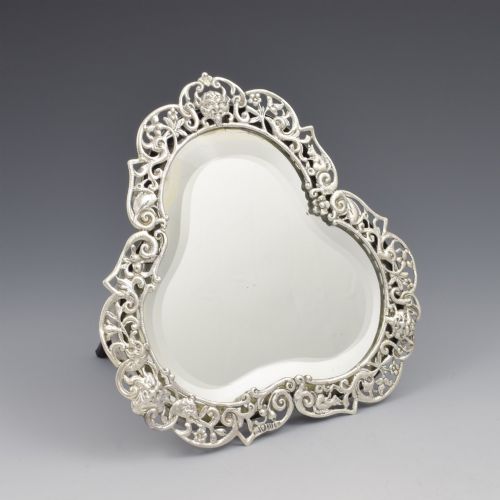


Repousse Silver Mirror
A repousse silver mirror brings tactile, hammered metalwork and reflective glass together, offering an ornamental surface that catches the light in any room.
Repousse Silver Mirror
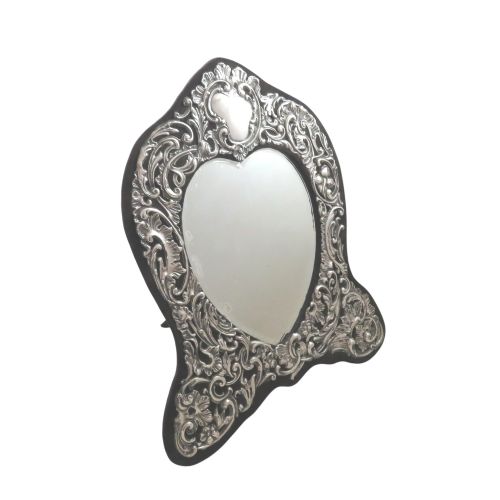
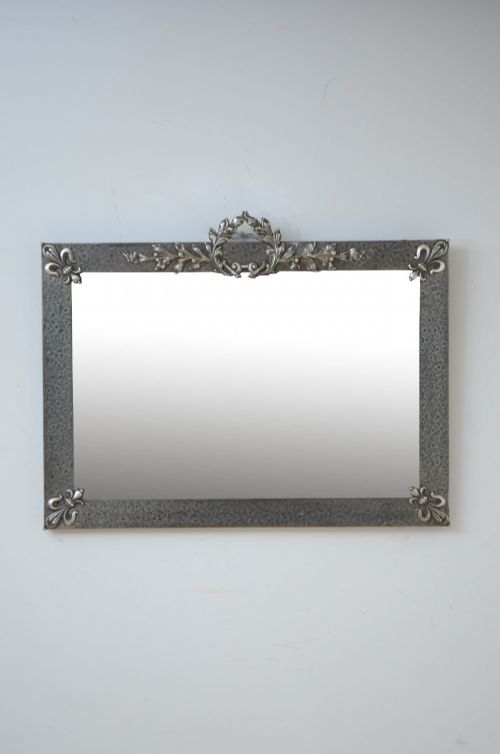
When you search for a repousse silver mirror, you encounter pieces spanning the Victorian, Edwardian, and Arts and Crafts eras, stretching from nineteen hundred back to the nineteenth century. These objects appear in various formats, including handheld dressing table items, easel-backed table mirrors, and larger wall-mounted pieces.
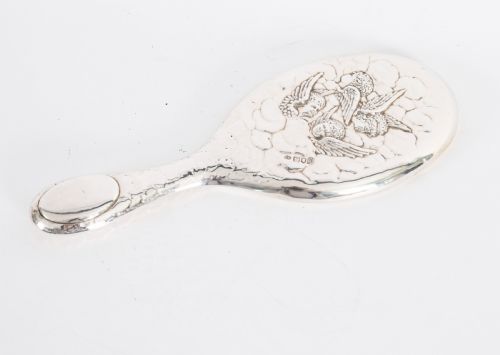
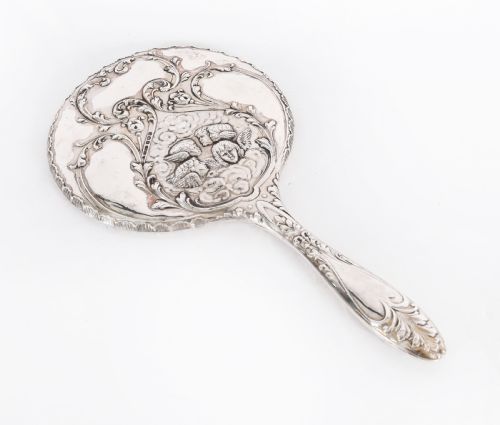
The most common examples on this page are sterling silver hand mirrors and dressing table mirrors decorated with raised motifs pushed out from the reverse side of the metal. These range from small domestic items bearing cherubs and birds to larger Chinese export and Peruvian colonial revival works.
What varies in quality
The distinction between ordinary and exceptional pieces lies in the depth and crispness of the hammered relief work. Skilled metalworkers achieve sharp undercuts and fine details in feathers, faces, and foliage that hold their definition under close inspection.
The structural integrity of the backing materials, the clarity of the original mirror glass, and the presence of legible hallmarks also determine the standing of each piece. Heavier gauge silver and robust internal wooden supports separate substantial dressing table items from lighter, more fragile counterparts.
Repousse Silver Mirror Retail Price Guide 2026
Typical asking prices for repousse silver mirror among the pieces listed under this phrase on Sellingantiques today, from the lower quarter to the upper quarter. They describe what is for sale here now, not the wider market.
Object forms span large dressing table mirrors, handheld vanity glasses, easel table mirrors, and wall-mounted frames.
Charles Boyton·S Blanckensee and Son·William Comyns·Henry Matthews
The Repousse Silver Mirror Glossary
- Repousse
- A metalworking technique where the design is hammered into relief from the reverse side. This method allows artisans to create rounded, sculptural patterns on thin sheets of silver or copper.
- Chasing
- The complementary process to repousse, worked from the front side of the metal to refine details and push background areas down. It sharpens the contours established during the hammering stage.
- Sterling silver
- An alloy consisting of ninety-two point five percent silver by mass, with the remainder usually copper. Most British pieces from these periods carry hallmarks confirming this standard.
- Easel mirror
- A tabletop mirror supported by a hinged prop or stand attached to the back. This design allows the glass to rest at an angle on dressing tables and chests of drawers.
- Hallmark
- A series of official marks stamped on precious metals indicating the maker, assay office, and year of testing. These stamps provide a reliable guide to the origin of the piece.
Repousse Silver Mirror: Frequently Asked Questions
How do I clean a repousse silver mirror?
Use a soft cloth and a gentle silver polish designed to avoid abrasive damage to the raised relief work. Take care around the recessed areas where accumulated polish can dull the dark patina.
Keep moisture away from the edges of the mirror glass and the wooden or velvet backings to prevent water staining and warping.
Are these mirrors heavy to hang?
Wall-mounted examples vary in weight depending on the thickness of the timber backing and the density of the metal frame. Heavier pieces require secure fixings anchored directly into wall studs or masonry.
Table and hand mirrors rely on internal weighting or easel stands rather than wall fixings, making them suitable for placement on stable surfaces.
How can I date my mirror?
Examine the piece for official hallmarks stamped into the silver, which typically indicate the assay office, standard, and specific year of production. Stylistic clues such as Arts and Crafts motifs or Victorian floral designs also point to particular decades.
The construction of the wooden back and the bevelling on the glass plate provide additional indications of age.
Can broken mirror glass be replaced?
A local glazier can cut new mirror glass to fit the dimensions of antique frames while preserving the original metalwork. Traditional silvered glass often shows small foxing spots, which many collectors prefer to retain for authenticity.
When replacement is necessary, select a mirror plate of appropriate thickness to fit snugly into the existing rebate.