



Repousse Silver Hollowware
Repousse silver hollowware pieces are hammered vessels shaped from sterling silver, silver plate, or copper to bring raised ornamentation to life.
Repousse Silver Hollowware
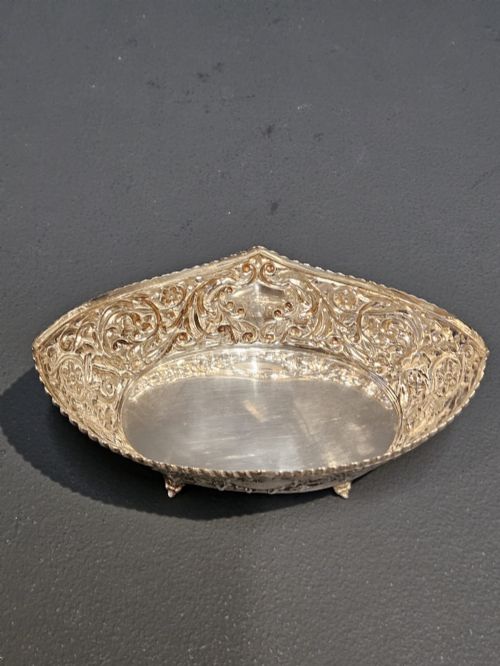
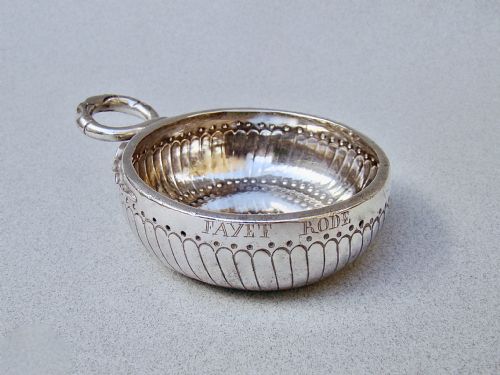
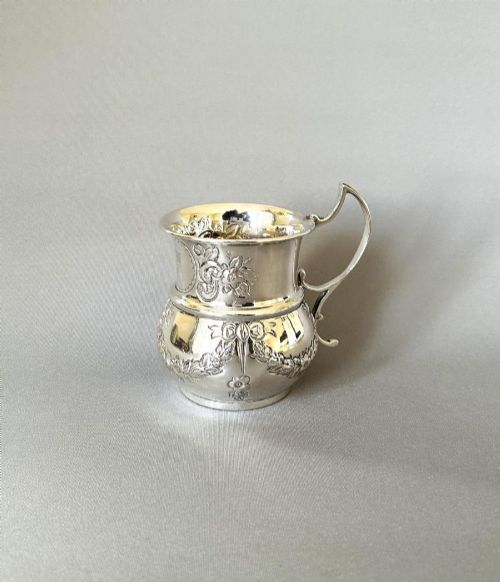
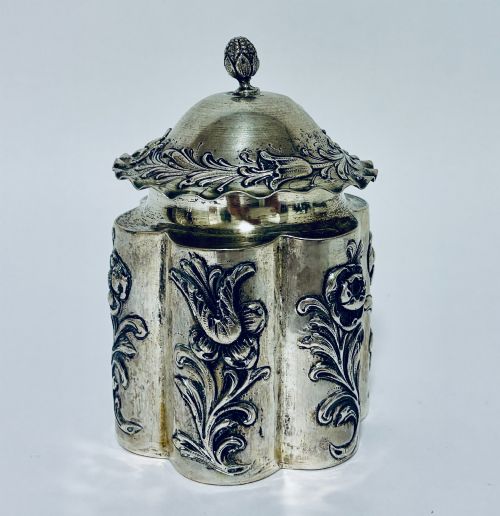
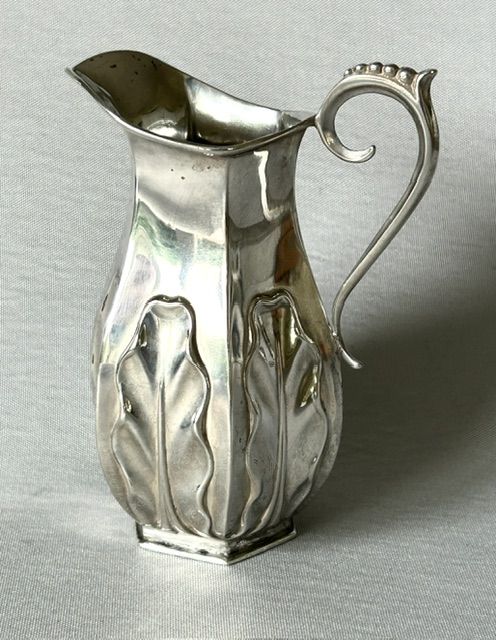
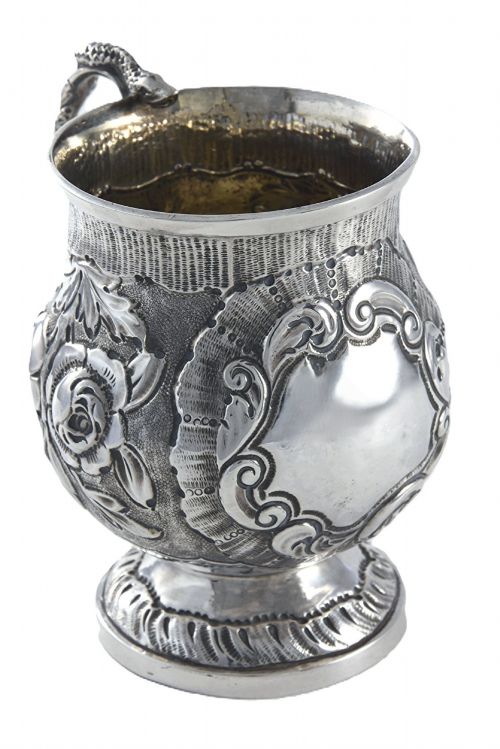
When you search for repousse silver hollowware, you encounter functional vessels and tableware fashioned across the Georgian, Victorian, and 1890 periods. The forms appearing on this page range from cream jugs, mugs, and tankards to tea caddies, salt cellars, teapots, bowls, and barware.
You are most likely to meet Victorian and Georgian examples created in sterling silver, silver plate, or old Sheffield plate. Styles span Rococo Revival, Late Victorian, Victorian Naturalist, Victorian Rococo Revival, and Victorian Anglo-Indian.
The objects serve as practical containers and decorative table pieces shaped with hammered relief work. Each item carries the characteristic three-dimensional surface pattern achieved through the repousse technique.
How repousse silver hollowware was made
Silversmiths formed these hollowware vessels from sterling silver, silver plate, copper, or gold gilt, sometimes incorporating wooden elements. The metal was beaten from the reverse side to push the design outward into relief.
Makers utilised chasing tools on the front surface to refine details, sharpen contours, and add texture to the raised motifs. Gilding, piercing, and handle attachment completed the construction of teapots, jugs, and tankards.
Repousse Silver Hollowware Retail Price Guide 2026
Typical asking prices for repousse silver hollowware among the pieces listed under this phrase on Sellingantiques today, from the lower quarter to the upper quarter. They describe what is for sale here now, not the wider market.
Listings span Georgian, 18th Century, 19th Century, and Victorian periods, featuring sterling silver, silver plate, copper, and wood.
What varies in quality
The standard of the metalwork separates the finer pieces from simpler items, particularly in the crispness of the hammered relief and the precision of the chasing. Skill in handling the vessel walls determines how successfully the ornamentation maintains its depth without thinning the metal.
Design execution and decorative cohesion also distinguish the range, from restrained Georgian forms to elaborate Victorian naturalist or Anglo-Indian compositions. The integration of handles, feet, and pierced elements shows the maker's mastery over the hollowware form.
Martin Hall·George Fox
The Repousse Silver Hollowware Glossary
- Repousse
- A metalworking technique where the artisan hammers the design from the reverse side to create a raised pattern in relief. This method defines the surface texture of the hollowware.
- Chasing
- Working the metal from the front side using punches and hammers to refine the details pushed out by repousse. It provides the sharp lines and surface textures seen on Victorian and Georgian pieces.
- Hollowware
- Tableware and vessels such as teapots, cream jugs, tankards, and bowls that possess volume and internal capacity. The term distinguishes these items from flatware.
- Old Sheffield plate
- A composite material made by fusing a thin layer of silver to a thicker copper base before shaping. It appears on Georgian coffee pots and related vessels.
- Silver-gilt
- Silver objects that have been coated with a thin layer of gold on the surface. This technique adds warmth and protects certain interior or exterior areas from tarnish.
Repousse Silver Hollowware: Frequently Asked Questions
What is repousse silver hollowware?
Repousse silver hollowware comprises three-dimensional vessels like teapots, cream jugs, tankards, and bowls adorned with hammered relief designs. Makers shaped these pieces from sterling silver, silver plate, and copper.
The technique involves pushing the metal outward from the inside and refining the details from the exterior. These items served functional roles on dining and tea tables across the Georgian and Victorian eras.
How do I date a piece?
Dating relies upon hallmarks stamped into the metal, which indicate the assay office, the assay year, and the maker. Stylistic clues such as Georgian restraint or Victorian naturalist decoration also help identify the period.
Material choices like old Sheffield plate further point toward specific historical eras. Comparing the form and decorative style against documented pieces confirms the age of the vessel.
How were these vessels used?
These hollowware pieces fulfilled practical domestic duties in the dining room and parlour, holding liquids, tea leaves, or condiments. Cream jugs, teapots, and tankards managed the service of beverages during meals.
Salt cellars and serving dishes held dry goods or sauces on the dining table. Their decorative surfaces ensured they contributed to the visual presentation of the room.
How do I care for repousse silver?
Care requires gentle cleaning with non-abrasive silver polishes designed to protect the raised relief work from damage. Soft cloths help preserve the chased details without wearing down the thin metal.
Storage in dry environments prevents tarnishing and protects wooden components or gilt surfaces. Regular handling distributes natural oils that help maintain the metal's condition.