




Repousse Brass Table
These repousse brass table examples bring hammered texture and warmth to a room, offering functional surfaces fashioned with deeply worked metalwork.
Repousse Brass Table
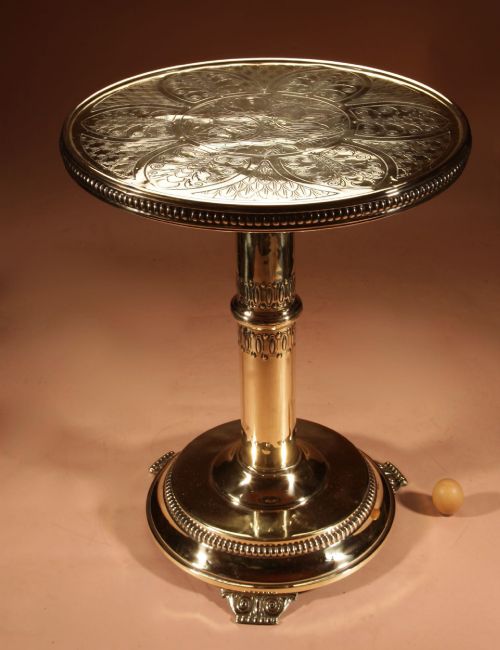
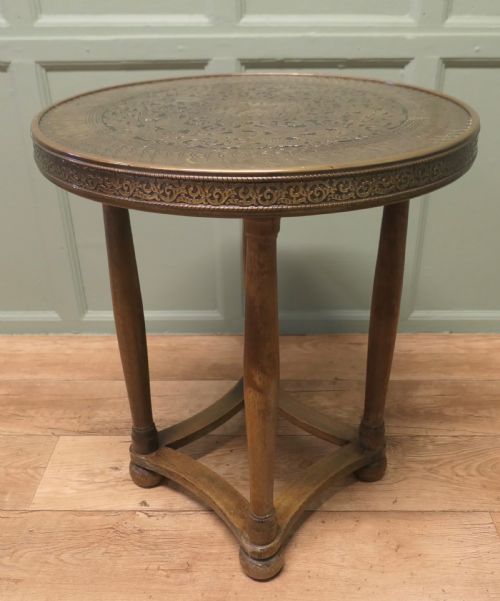
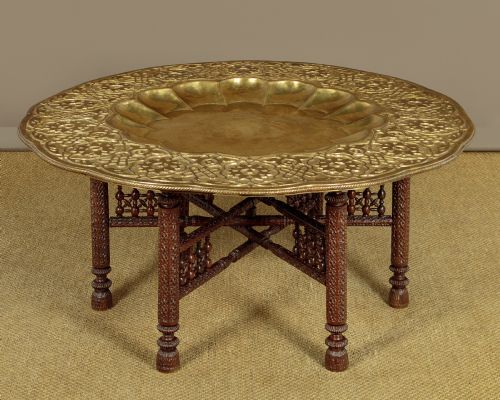
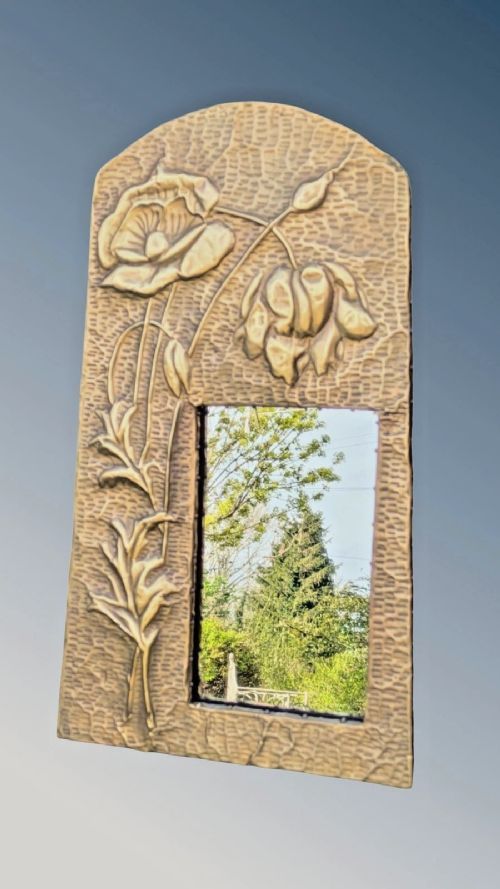
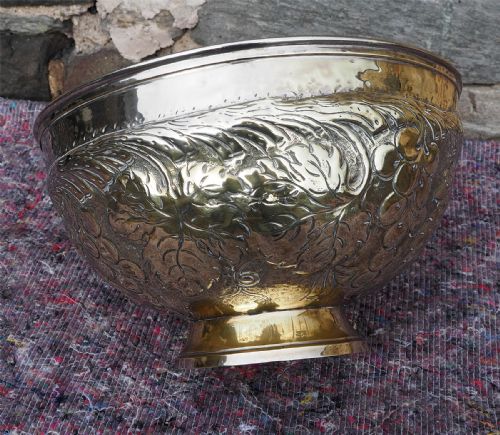
A repousse brass table combines a hammered metal top or body with a supporting structure of wood, hardwood, or metal, designed for domestic use as a coffee, side, or occasional table. These items emerge from various periods including the nineteenth century and the early twentieth century, spanning styles from Arts and Crafts to Dutch Art Nouveau.
Makers and origins stretch across European and international traditions, encompassing Dutch Art Nouveau designs, Arts and Crafts pieces featuring motifs like peacocks, and Indian craftsmanship. The integration of brass with materials such as oak, ebony, and glass defines the physical character of these furnishings.
What varies in quality
The depth and definition of the repoussé hammerwork separate standard production from finer examples, as skilled execution produces crisp relief and balanced composition in the floral or figurative motifs. The integration between the metal top and its wooden or metal support structure also determines the overall integrity of the piece.
Material selection influences the distinction between items, particularly the weight and thickness of the brass sheet used for the table top and the quality of underlying timbers such as oak or ebony. The coherence of the designated style, whether Arts and Crafts, Art Nouveau, or period revival, dictates the character of the finished work.
Repousse Brass Table Retail Price Guide 2026
Typical asking prices for repousse brass table among the pieces listed under this phrase on Sellingantiques today, from the lower quarter to the upper quarter. They describe what is for sale here now, not the wider market.
Listings span periods from the 17th century to the 1930s, incorporating materials such as brass, copper, oak, ebony, and glass.
Jonathon Lowndes·William Speakman
The Repousse Brass Table Glossary
- Repoussé
- A metalworking technique where the artisan hammers designs from the reverse side to form raised patterns on the front. This method creates tactile relief on brass table tops and decorative accessories.
- Arts and Crafts
- A design movement valuing handcraftsmanship and traditional techniques over mass production. Pieces from this style often feature stylised natural motifs.
- Art Nouveau
- A style characterised by flowing, organic lines and floral motifs popular around the turn of the twentieth century. Dutch examples frequently appear on brass furnishings.
- Jardiniere
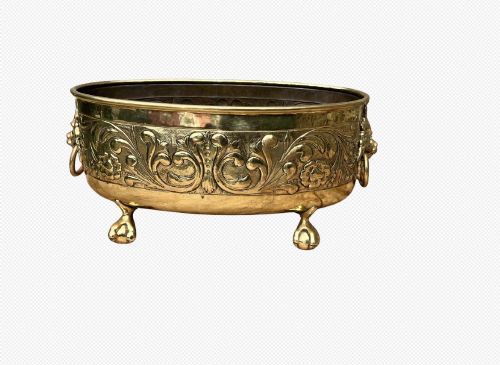
- An ornamental pot or stand designed to hold plants or flowers. These items are often constructed from brass or copper with decorative surface work.
- Chased
- A complementary metalworking process where details are punched and refined on the front side of the metal after repoussé work.
Repousse Brass Table: Frequently Asked Questions
How do I clean a repoussé brass table?
Dust the surface regularly with a soft, dry cloth to prevent the accumulation of dirt in the hammered recesses. Avoid abrasive cleaners that can wear away the raised metal relief.
Apply a specialist brass cleaner sparingly if polishing is necessary, taking care not to disturb any patination or wooden elements joined to the metal.
What periods do these tables come from?
The pieces span multiple centuries, with particular representation from the nineteenth and early twentieth centuries. Styles range from William and Mary periods through Victorian and Edwardian eras to Arts and Crafts and Art Nouveau designs.
Construction details and decorative motifs usually indicate the specific era of manufacture for each individual item.
Can these tables be used daily?
Most occasional and coffee tables are built for standard domestic use, supporting light items such as books, lamps, or cups. The wooden frames and metal tops provide adequate stability for everyday placement in a room.
Care should be taken with liquids and hot items placed directly on antique brass or wooden surfaces to protect the finish.
What is the difference between brass and copper pieces?
Brass is an alloy of copper and zinc, yielding a bright golden or yellow metallic tone suited for detailed repoussé work. Copper has a distinct reddish-brown hue and appears on specific items like kettles and urns.
Both metals were frequently utilised in similar decorative contexts during the nineteenth and twentieth centuries.