



Rene Lalique Paperweight
These rene lalique paperweight examples are masterworks of glass design, offering sculptural forms that capture light and period elegance on any desk.
Rene Lalique Paperweight
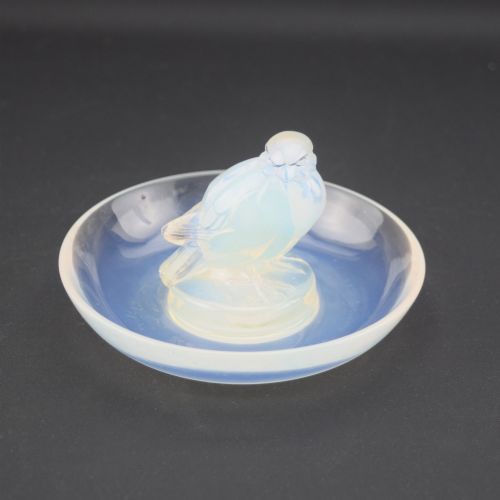
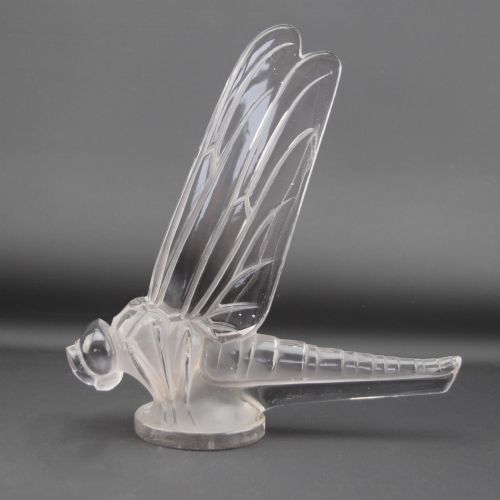
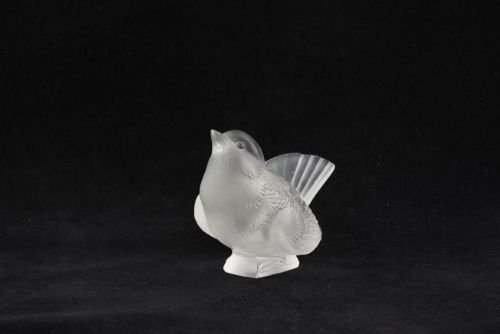
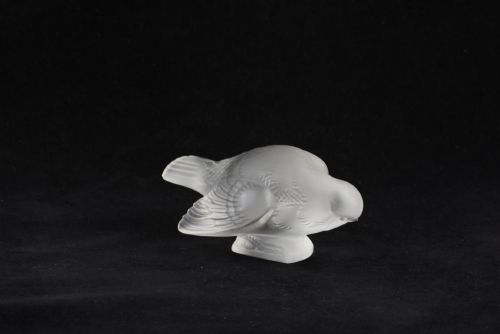
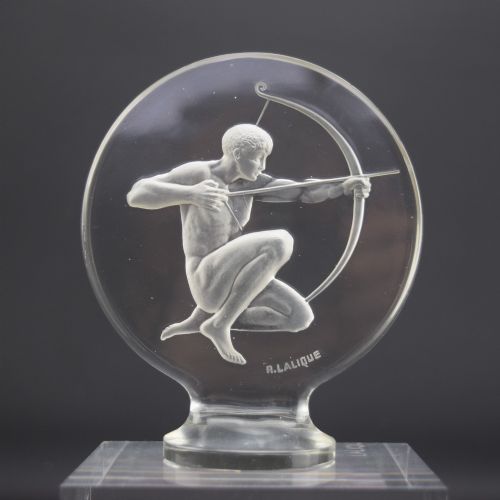
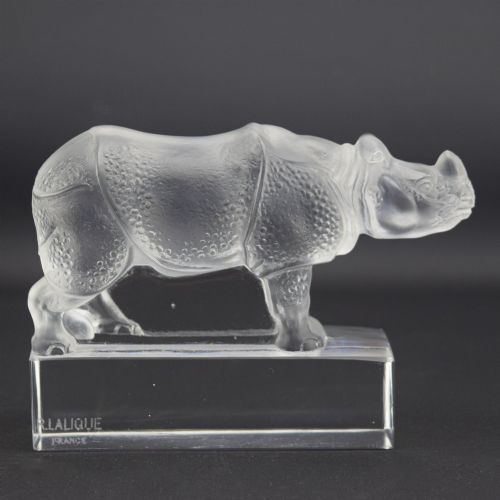
A rene lalique paperweight brings together functional desk objects and miniature sculptural art originating predominantly from the 1910 to 1930 periods. Buyers encounter a diverse range of forms, from small birds such as the sparrow and owl to larger fauna like elephants, rhinoceroses, and wild boars.
Alongside dedicated paperweights, this selection encompasses pieces originally conceived as car mascots, pin dishes, and ashtrays that double effectively as desk sculptures. The aesthetic spans the transition from Art Nouveau curves to the clean geometric lines of Art Deco, reflecting the changing design philosophy of the era.
Materials and Techniques
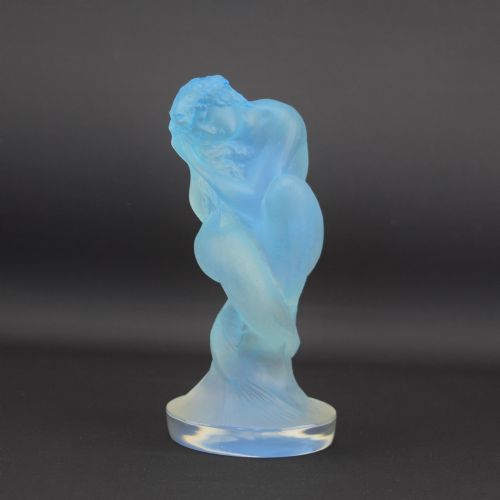
Production relies heavily on moulded glass, crystal, and pressed glass techniques to achieve crisp sculptural definition in each piece. Artisans utilised frosted glass, clear glass, and opalescent glass to create subtle plays of light across the surface of the animal and floral motifs.
Many examples incorporate blue staining or topaz colouration to highlight the intricate details carved into the glass body. The combination of frosted textures against transparent or tinted backgrounds defines the distinct visual signature of these glass objects.
Several sparrows manage to look remarkably indignant cast entirely in solid glass.
Assessing Quality and Execution
The intensity and uniform distribution of opalescence or coloured staining further distinguish finer specimens from standard production. Execution of the underlying glass mass also plays a role, with heavier, well-balanced pieces demonstrating superior glasshouse craftsmanship.
Rene Lalique
The Rene Lalique Paperweight Glossary
- Opalescent Glass
- Glass that diffuses light to display a milky blue or orange glow depending on the angle of illumination. This effect adds depth and luminosity to sculptural glass objects.
- Car Mascot
- A decorative ornament mounted on the radiator cap of an automobile during the early twentieth century. Many of these figural designs were later utilised as desk paperweights.
- Frosted Glass
- Glass treated to achieve a textured, translucent surface rather than a transparent finish. This technique accentuates contours and shadow details on figural subjects.
- Socle
- A short plinth or pedestal base upon which certain glass figures are mounted. It provides structural support and elevates the main sculptural element.
Rene Lalique Paperweight: Frequently Asked Questions
What is a rene lalique paperweight?
A rene lalique paperweight is a small decorative glass sculpture produced during the early twentieth century, often depicting animals, birds, or floral subjects. These objects served functional roles on desks while showcasing advanced decorative arts techniques.
Many designs originated as automobile mascots or pin dishes before being repurposed or produced specifically as desk ornaments. They represent a key intersection of utilitarian function and high-style glass design.
How do I date these glass pieces?
Dating relies on stylistic markers associated with periods spanning from the 1910s through the 1930s, moving from Art Nouveau influences into strict Art Deco forms. Examining the specific animal or floral subject often links the object to documented production years.
Consulting historical records of registered designs helps narrow the manufacturing window. The presence of specific colour variations, such as topaz or blue staining, can also correspond to particular production eras.
Are car mascots different from paperweights?
Car mascots were originally manufactured with mounting hardware to attach to automobile radiator caps during the 1920s and 1930s. Many shared identical moulds with pieces intended strictly for desk use.
Collectors frequently find car mascots mounted on custom bases to display them as desk paperweights. Both categories share the same glass compositions and sculptural execution.
How should I display them at home?
Display these glass pieces in well-lit areas where natural light can pass through the frosted and opalescent surfaces. Placing them near a window or on a glass shelf enhances the subtle colour shifts in the material.
Ensure they rest on stable, flat surfaces away from high-traffic edges due to the heavy nature of the glass. Proper spacing allows each sculptural form to be viewed clearly from multiple angles.