
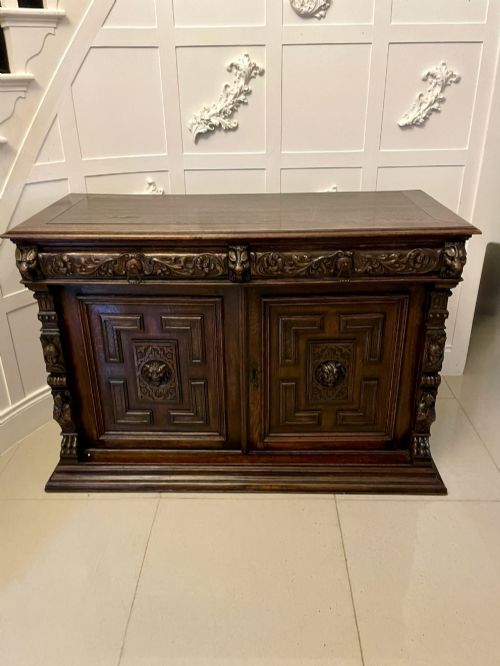
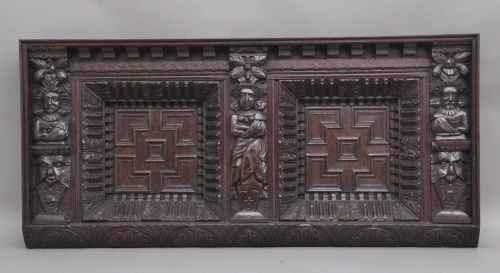

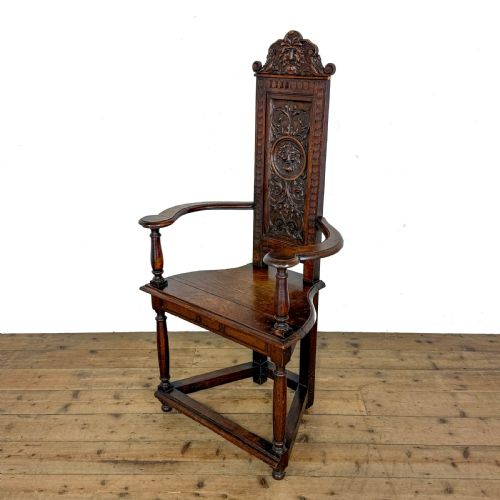


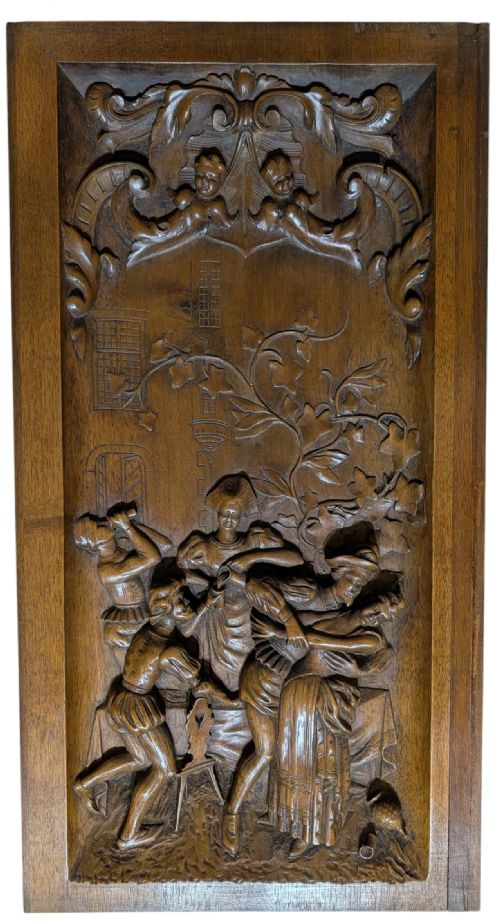


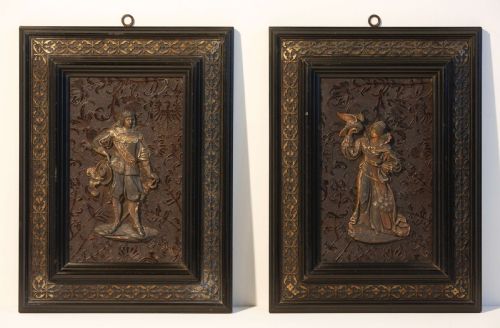


Renaissance Revival Panel
A renaissance revival panel brings tangible historical weight to a room, offering deep carvings and rich timber tones that anchor an interior.
Renaissance Revival Panel
A renaissance revival panel draws on historical motifs from earlier centuries, translated by makers working predominantly during the nineteenth century. These pieces often take the form of architectural salvage, wall plaques, or carved wooden sections integrated into larger furniture items.
The selections available here range from solid oak and walnut carvings dated to the late nineteenth century through to earlier timber elements incorporated into later pieces. Buyers encounter various formats, including overmantles, decorative wall hangings, and cabinet sections displaying classical ornamentation.
The style merges sixteenth-century aesthetic ideals with Victorian craftsmanship, producing heavy decorative elements intended to dominate an interior space. Most examples rely on the visual vocabulary of past centuries while utilising the joinery techniques of the nineteenth-century workshop.
Materials and construction
Makers relied heavily on dense hardwoods such as oak and walnut, choosing timber that could withstand deep, intricate relief carving without splitting. Gilded wood, brass, and metal elements frequently supplement the primary wooden structure to highlight specific architectural details.
Surface treatments range from natural wax finishes on bare oak to applied pigment and enamel work on copper or wood bases. These techniques allowed nineteenth-century artisans to replicate the aged patinas and rich polychrome surfaces associated with genuine sixteenth-century artefacts.
Current listings feature oak, walnut, and fruitwood alongside brass, gilded bronze, glass, and enamel elements across nineteenth-century and earlier periods.
Evaluating craftsmanship and detail
Quality rests primarily on the depth and clarity of the carving, distinguishing crisp relief work from softer, mechanically assisted output. Superior examples display sharp undercut details in walnut or oak, where figures and foliage emerge with distinct anatomical and botanical precision.
The integration of materials also defines the upper tier of these pieces, particularly where metal threads, enamel panels, or gilded bronze elements align cleanly with the timber ground. Coarser versions rely on repetitive surface moulding rather than hand-chiselled depth.
Icilio Federico Joni·Samson
The Renaissance Revival Panel Glossary
- Renaissance Revival
- A nineteenth-century design movement that reinterpreted the art, architecture, and ornamentation of the fifteenth and sixteenth centuries. It heavily influenced furniture and architectural salvage.
- Overmantle
- A decorative framework or panel designed to sit directly above a fireplace mantelpiece. These often incorporate mirrors or extensive wood carvings.
- Architectural Salvage
- Building elements rescued from older structures for decorative reuse in interior spaces. This category includes carved wooden panels and relief plaques.
- Enamel Plaque
- A decorative plate formed by fusing powdered glass to a metallic substrate such as copper under high heat. Limoges served as a notable centre for this technique.
Renaissance Revival Panel: Frequently Asked Questions
What periods do these panels date from?
Most pieces originate from the nineteenth century, reflecting a strong Victorian interest in historical revivals. Some items incorporate genuine seventeenth-century elements within later frameworks.
Craftsmen of the eighteen-eighties and nineties frequently combined antique timber with contemporary carving techniques to satisfy the demand for historicism.
How were these panels originally used?
Many served as architectural decorations mounted directly onto walls, overmantles, or large cabinetry. Others functioned as portable art objects, including book cover bindings and framed plaques.
Wealthy households utilised these items to project erudition and an appreciation for classical history within domestic reception rooms.
How do I care for carved wood?
Maintain stable indoor humidity levels to prevent the dense oak and walnut from warping or splitting over time. Avoid placing panels near direct heat sources or in prolonged direct sunlight.
Apply a neutral beeswax periodically to nourish the timber surface and preserve the natural patina without building up heavy residues.
How do I distinguish revival work from older pieces?
Examine the tool marks left on the reverse and within the recesses of the carving. Nineteenth-century revival pieces often display machine-sawn timber grounds beneath hand-finished relief details.
Hardware, joint construction, and the specific chemical composition of applied pigments or gilding also help indicate the true production era of the object.