



Renaissance Revival Oak Cabinet
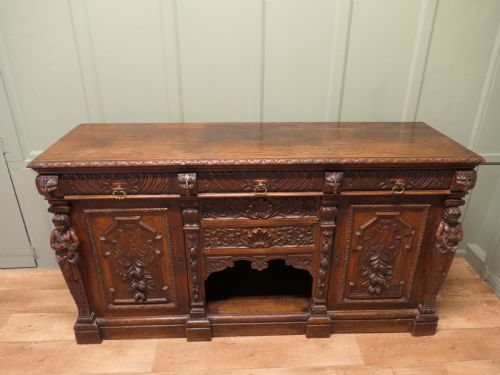
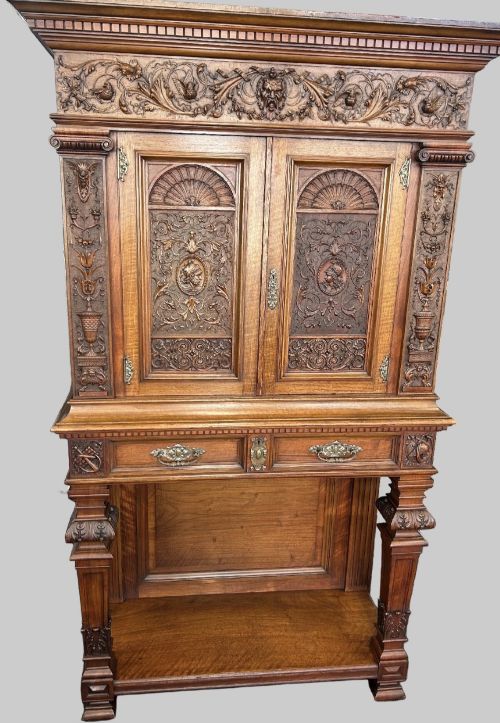
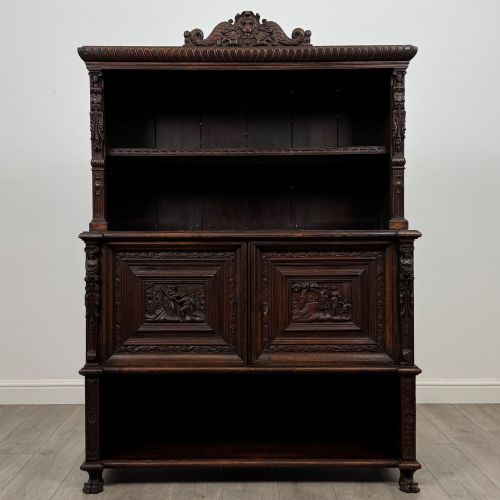
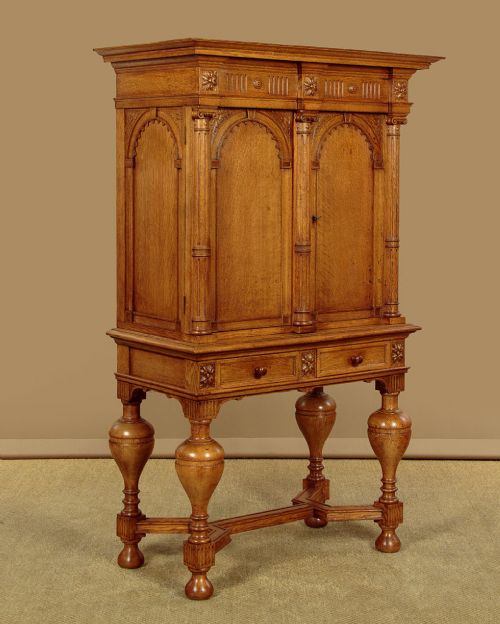
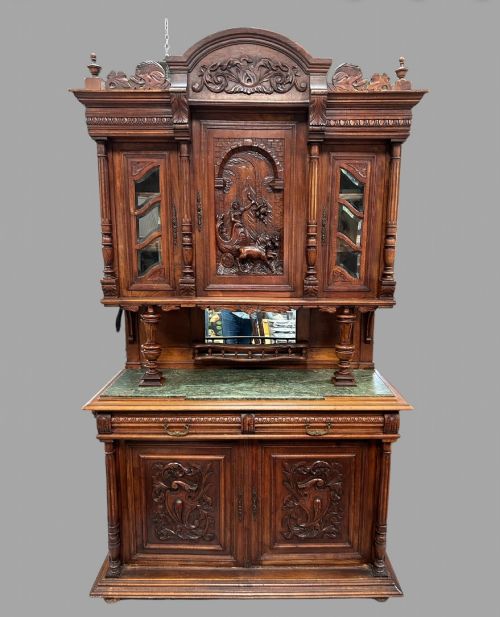
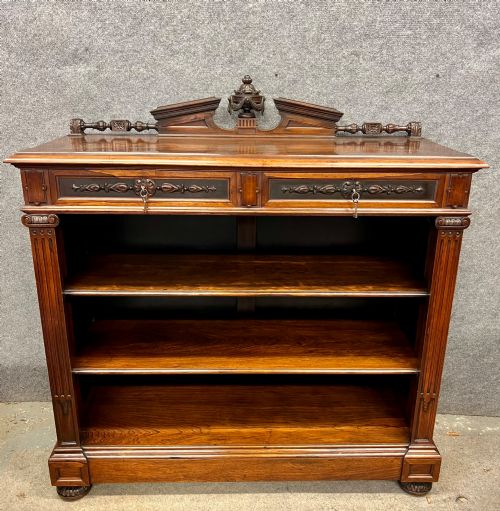
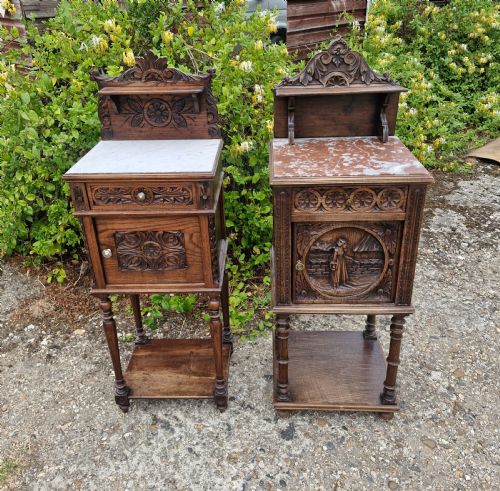
These pieces of renaissance revival oak cabinet work bring heavy historic ornament and sturdy timber into a room.
Renaissance Revival Oak Cabinet
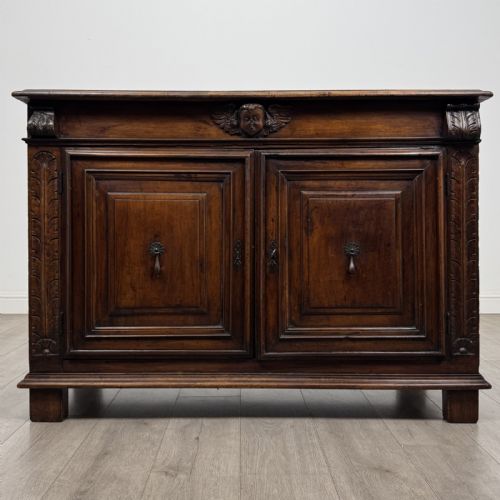
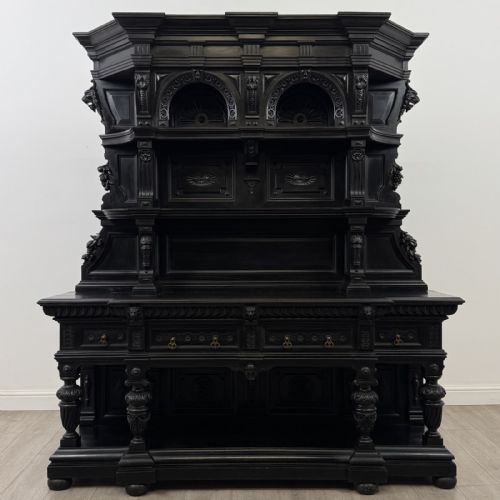
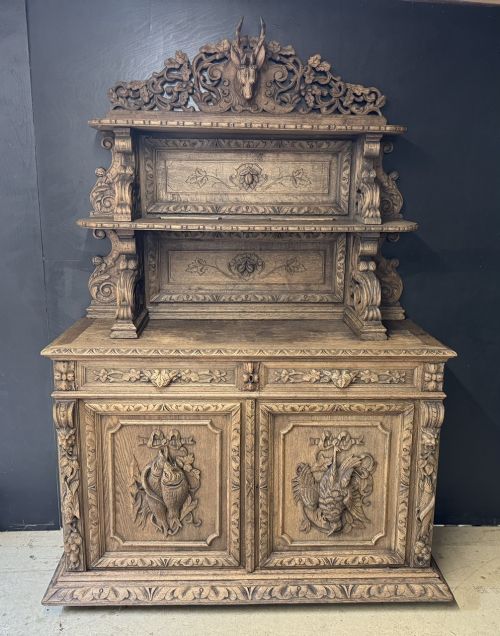
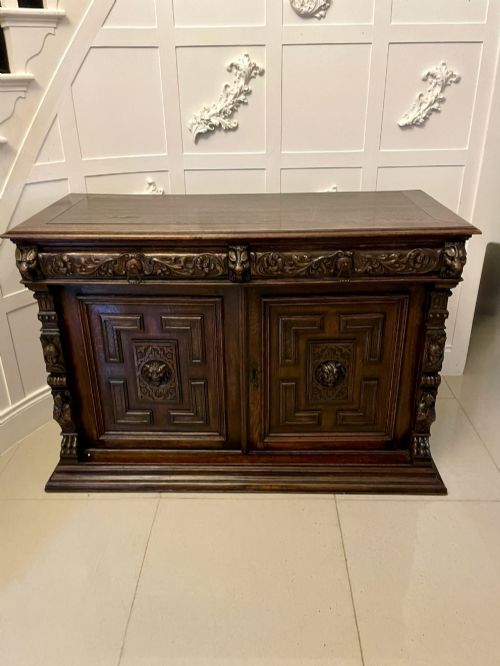
A renaissance revival oak cabinet brings substantial historic presence into a room, drawing on sixteenth-century architectural forms executed in solid timber. When searching for a renaissance revival oak cabinet, buyers encounter nineteenth-century interpretations ranging from compact bedside pieces to towering sideboards and glazed bookcases.
The selection on this page leans heavily toward nineteenth-century Victorian production, with specific French, Flemish, and Dutch stylistic influences. Forms vary from simple cupboards and open bookcases to elaborate cabinets on stands featuring lion masks and green man carvings.
Most examples date from the later nineteenth century, particularly around eighteen-eighty, though pieces stretch from mid-nineteenth-century items down to early twentieth-century examples. Alongside larger storage furniture, buyers find related sideboards, dressers, and vitrines sharing the same heavy carved vocabulary.
What varies in quality
Quality rests primarily on the depth and crispness of the carving, distinguishing sharp hand-chiselled relief work from softer, more mechanised output. Pieces boasting well-defined figures, balanced proportions, and integrated architectural mouldings sit firmly at the upper end of the scale.
The choice of timber grain and the integrity of the original construction further separate standard production from exceptional examples. Finer pieces maintain substantial hardware, clean glass, and well-fitted internal shelving that withstands decades of heavy use.
The listings span the eighteenth to the twentieth centuries, with Victorian production dominating the selection of oak furniture.
The Renaissance Revival Oak Cabinet Glossary
- Renaissance Revival
- A nineteenth-century design movement resurrecting sixteenth-century architectural and decorative motifs. It draws heavily on classical symmetry, columns, and strapwork.
- Green Man
- A sculptural face carved from foliage or branches, symbolising rebirth. It appears frequently on nineteenth-century oak furniture.
- Vitrine
- A glass-fronted display cabinet intended for ceramics and curiosities. These pieces showcase items behind glazed panels.
- Buffet de Corps
- A large two-part French dining room cupboard featuring enclosed lower storage and upper display sections. This form dominates substantial dining spaces.
Renaissance Revival Oak Cabinet: Frequently Asked Questions
Where should I place a heavy oak cabinet?
These substantial pieces require a solid wall capable of supporting considerable weight and bulk. They anchor principal reception rooms, dining areas, or grand hallways effectively.
Ensure adequate floor clearance and measure ceiling heights carefully, particularly for tall glazed bookcases and monumental sideboards.
How do I identify Flemish revival pieces?
Flemish revival furniture often incorporates distinct regional motifs such as lion masks, heavy scrollwork, and stained glass panels. These details echo seventeenth-century Antwerp workshops.
Carvings tend to be deep and dramatic, frequently featuring architectural columns and robust pediments.
Can I store books in these cabinets?
Many examples function as bookcases, featuring open shelving or glazed doors to protect volumes. The sturdy oak construction easily supports heavy bound books.
Adjustable or fixed wooden shelves accommodate various volumes while maintaining the historic interior aesthetic.
What is a cabinet on stand?
A cabinet on stand comprises an upper enclosed storage section elevated on an open framework of legs or a stretcher base. This form lightens the visual mass of heavy timber.
Such pieces often date to the latter half of the nineteenth century, reflecting earlier seventeenth-century cabinetmaking traditions.