


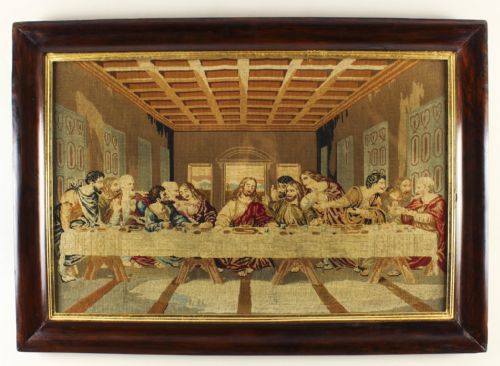
Religious Wall Hanging Panel
A religious wall hanging panel brings centuries of devotion, carved wood, and painted textile art directly into domestic spaces.
Religious Wall Hanging Panel
When you search for a religious wall hanging panel, you encounter works designed for contemplation, prayer, and sacred spaces. The examples on this page span from the seventeenth century to around nineteen hundred, taking the form of wall art, plaques, reliefs, and textile art.
You meet carved oak and painted pine alongside cotton wall cloth and brass mounted icons. These pieces reflect traditions ranging from Flemish and German Baroque to folk art, Gothic Revival, and Rajasthani style.
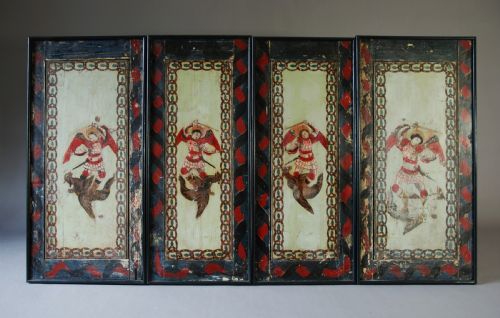
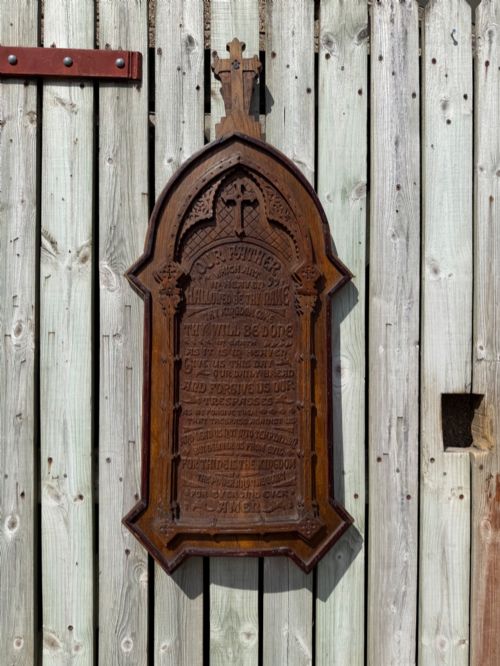
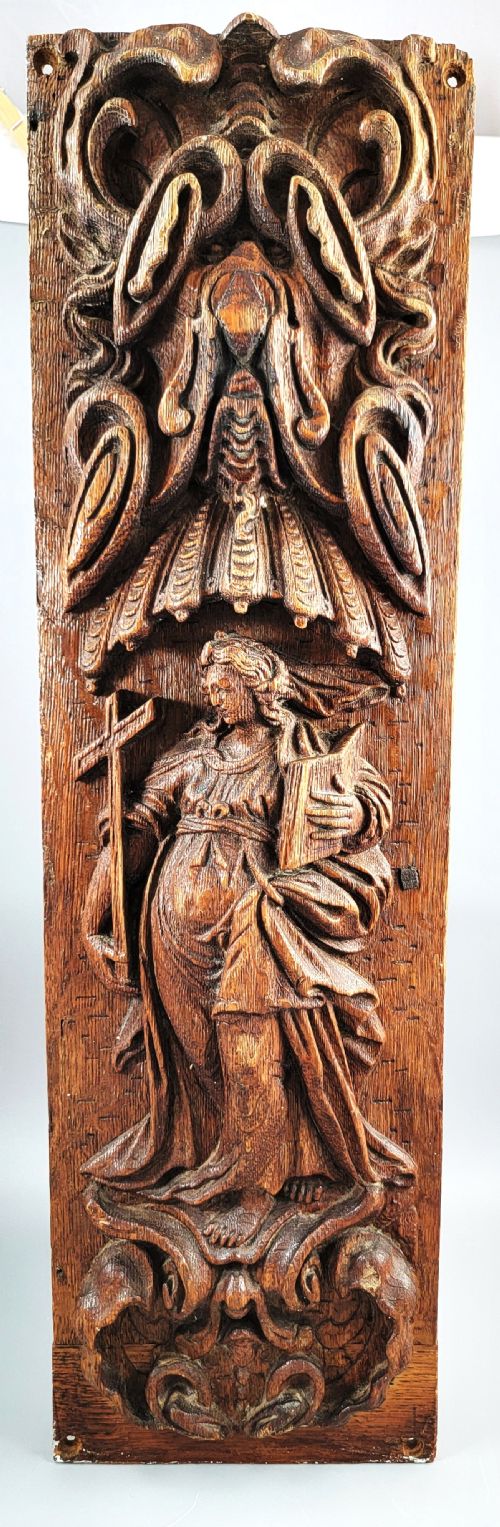
Domestic devotional pieces include sets of naively painted pine panels depicting figures such as St Michael, alongside carved allegories of faith. Other examples present illuminated texts from tin tabernacles and tapestry depictions of the Last Supper.
Materials and construction
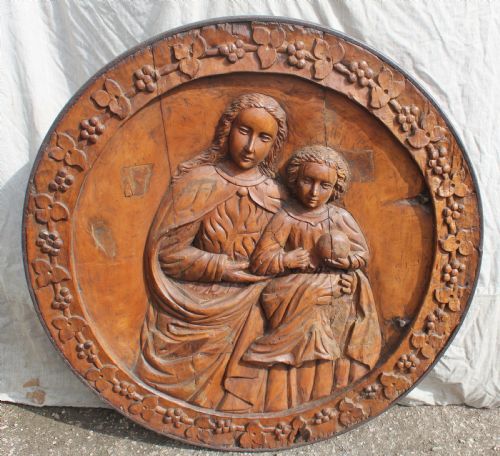
Makers shaped these panels primarily from hardwoods like oak and softwoods such as pine, employing deep relief carving to create sculptural depth and surface texture. Pigment and paint bring figures and sacred texts to life on wood surfaces.
Textile works utilise woven cotton and tapestry techniques to portray complex narratives and holy figures. Brass mounts frequently secure icons and panels intended for wall hanging.
Tin tabernacles were delivered flat-packed by railway, bringing instant corrugated iron piety to remote Victorian parishes.
Assessing quality and execution
The distinction between ordinary and superior pieces lies in the crispness of the carving and the preservation of original pigment. Early oak panels with deep, confident relief work show a high level of sculptural skill.
Painted works vary according to the precision of the brushwork and the expressive character of the figures, whether rendered in a sophisticated Baroque manner or through charming folk art traditions.
The Religious Wall Hanging Panel Glossary
- Baroque
- An ornate European style of art and architecture from the seventeenth and eighteenth centuries characterised by drama and rich detail. It often appears in deeply carved oak panels depicting allegories.
- Gothic Revival
- A nineteenth century movement that revived medieval architectural and artistic forms. Pieces in this style often incorporate pointed arches and ecclesiastical motifs.
- Icon
- A devotional painting of a holy figure, typically on wood panel in the Eastern Orthodox tradition. They frequently feature brass mounts.
- Relief carving
- Sculpture in which figures project from a background plane. This technique gives wall plaques and panels their three-dimensional presence.
- Tin tabernacle
- A prefabricated corrugated iron church popular in the nineteenth century. They housed illuminated religious texts and wall mounted panels.
Religious Wall Hanging Panel: Frequently Asked Questions
Where were these panels hung?
These panels were created for churches, chapels, and private homes to aid in daily prayer and contemplation.
They mount directly onto walls to serve as focal points for spiritual reflection.
How do I date a carved panel?
Dating relies on stylistic clues, tool marks, and the ageing of materials like oak and pine.
Seventeenth-century pieces display heavier Baroque carving, while nineteenth-century works often embrace Gothic Revival or naive folk styles.
What is a tin tabernacle text?
Tin tabernacles were nineteenth-century iron churches built quickly for growing congregations.
They contained illuminated religious texts on panels designed to be mounted on the wall.
How should I care for textile panels?
Textile art and painted cloth require protection from direct sunlight to preserve cotton fibres and pigments.
Keep them in stable environmental conditions away from excessive moisture.