
Antique Wooden Plaque
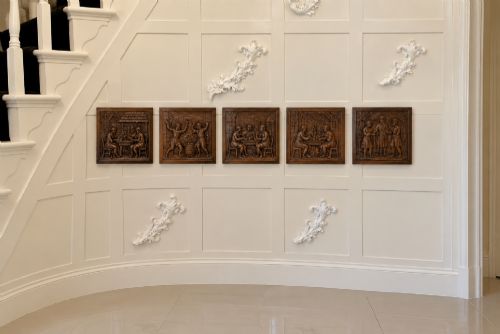
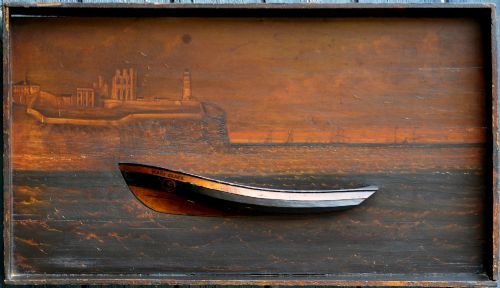
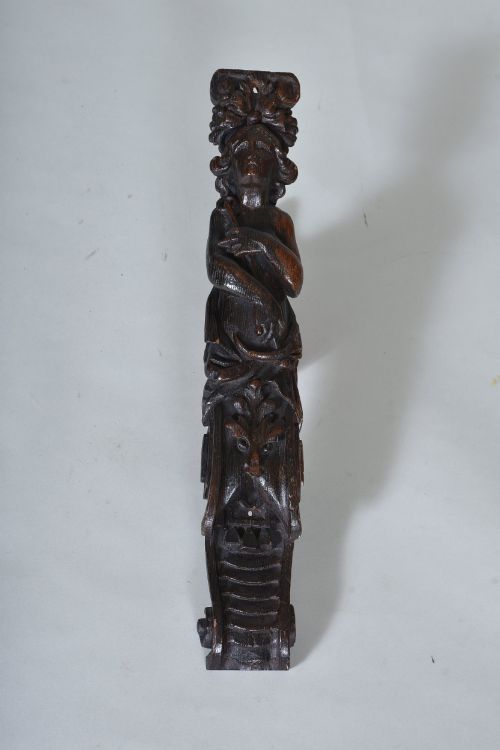
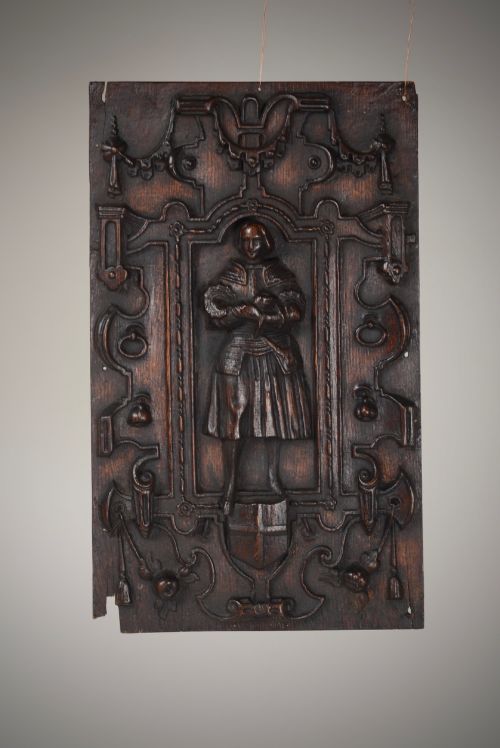
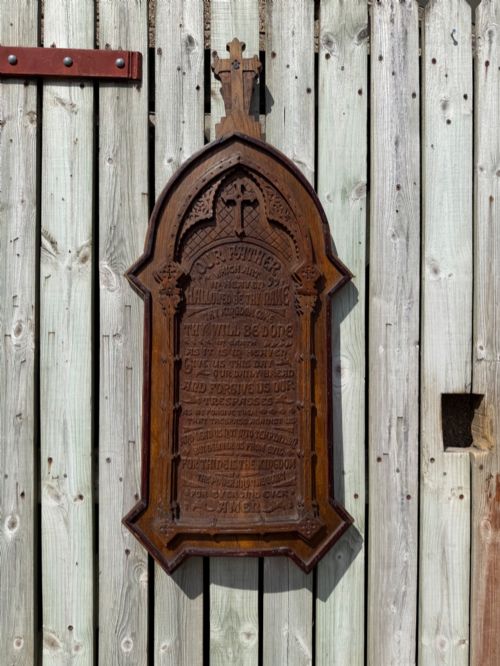
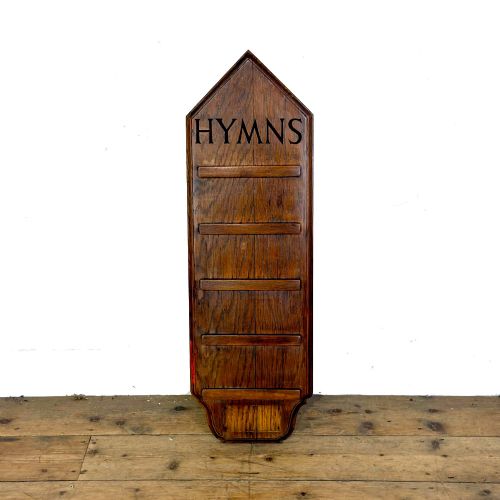
These antique wooden plaque selections bring historic relief carvings, armorial shields, and architectural panels directly to interior walls.
Antique Wooden Plaque
An antique wooden plaque search reveals carved wall panels, armorial shields, and architectural fragments spanning several centuries. Buyers frequently encounter pieces originating from nineteenth-century workshops alongside older seventeenth-century survivals.
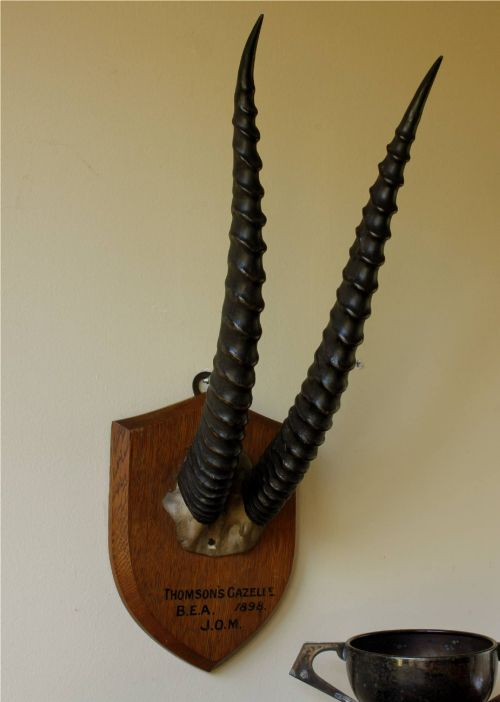
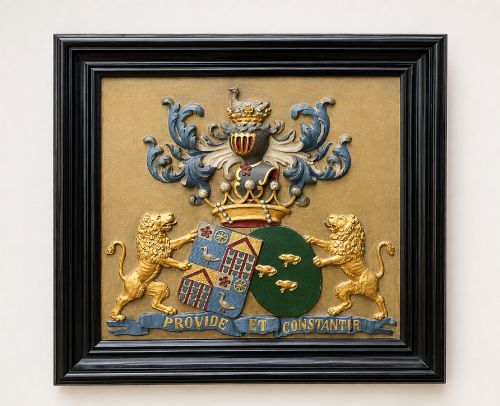
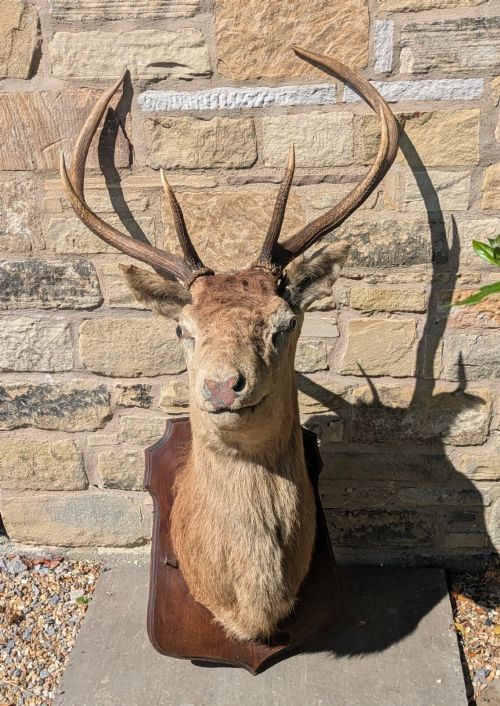
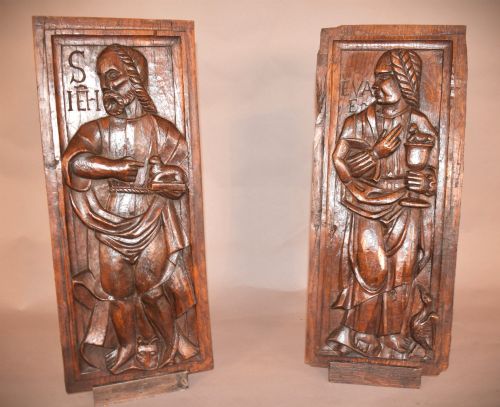
The selection ranges from Dutch heraldic marriage plaques and Italian chestnut panels depicting religious scenes to floral reliefs and carved wooden deer heads. These decorative items function primarily as wall art and architectural salvage.
Many examples stem from European traditions, including French, Dutch, and British craftsmanship, with occasional pieces reflecting broader global influences such as Burmese or Chinese temple panels.
Materials and Technique
Maker operations relied heavily on native and imported timbers, predominantly utilising oak, walnut, chestnut, and various hardwoods. Artisans shaped these materials using traditional hand-carving chisels to achieve deep relief and intricate surface detail.
Surface treatments varied according to period and origin, incorporating applied paint, polychrome pigments, gilt wood accents, and iron mountings. Many panels began life as structural elements of furniture or buildings before being adapted for display.
Object types include architectural salvage, taxidermy mounts, jardiniere stands, and wall carvings.
Craftsmanship and Depth
Depth of relief and sharpness of chisel work separate standard decorative items from superior artistic carvings. Superior pieces display anatomical accuracy in figures and clean undercut details that create strong shadow lines.
Material selection and structural integrity also dictate standard variations across the range. Well-seasoned timber that retains its original surface patination without excessive modern restoration commands greater interest from discerning buyers.
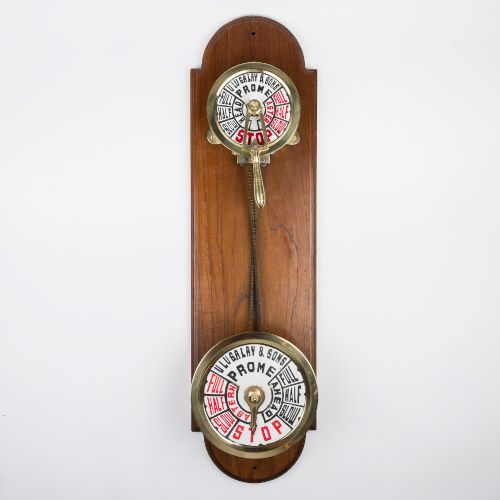
Ulugary And Sons·W Grey And Company·Icilio Federico Joni
The Antique Wooden Plaque Glossary
- Armorial shield
- A decorative panel shaped like a heraldic shield, frequently carved with coats of arms or family crests. These items often commemorate marriages or civic milestones.
- Polychrome panel
- A wooden carving decorated in multiple colours of paint. This technique adds visual depth to figurative scenes and architectural reliefs.
- Relief carving
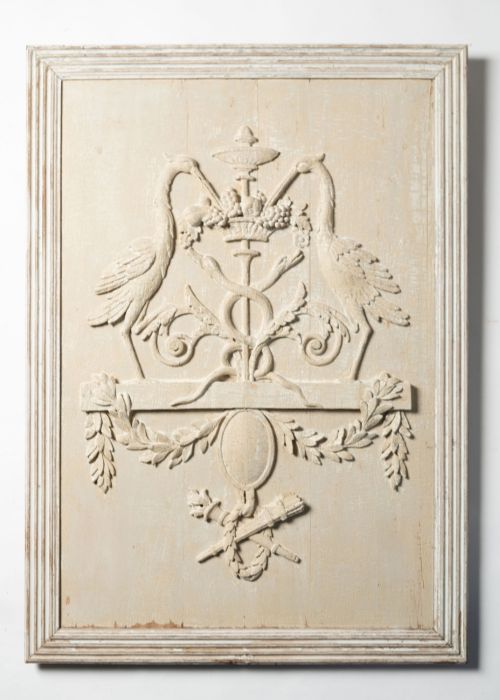
- A sculpture technique where figures or ornamentation project from a flat background surface. High relief elements stand almost entirely free from the backing timber.
- Architectural salvage
- Building elements removed from older structures and repurposed as decorative objects. Examples include carved panels and facade fragments.
- Linenfold
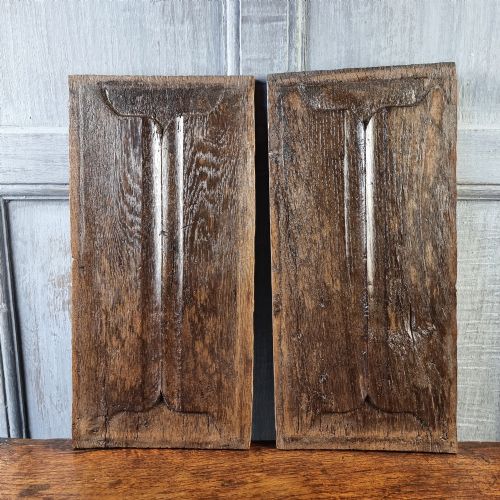
- A style of wood carving that mimics folded linen fabric. It appears commonly on sixteenth and seventeenth-century panels.
Antique Wooden Plaque: Frequently Asked Questions
How do I hang a heavy wooden plaque safely?
Heavy wall carvings require secure fixings anchored directly into wall studs or masonry rather than standard plasterboard hooks. Utilising a heavy-duty mirror plate or a sturdy batten system ensures the weight distributes evenly.
Inspect the back of the plaque to locate stable wooden areas for screw placement. Avoid driving fixings into thin decorative relief sections that might split under pressure.
What periods do these wooden plaques represent?
The available selection spans from the seventeenth century through to the early twentieth century, encompassing Victorian and Edwardian examples. Seventeenth-century pieces typically feature dark oak carvings with deep, rustic tool marks.
Later nineteenth-century pieces often reflect revival styles such as Gothic Revival or Baroque. Twentieth-century additions include hand-painted signs and folk art trophies.
How should I clean antique wooden carvings?
Maintain the surface by dusting gently with a dry, soft-bristled brush to remove dirt from recessed carved areas. Avoid using liquid polishes, water, or chemical sprays that can damage historic wax finishes and exposed timber.
Keep pieces away from direct sunlight and strong heat sources to prevent the wood from drying out and cracking. Stable indoor humidity preserves the structural integrity of older panels.
What is a heraldic marriage plaque?
A heraldic marriage plaque commemorates a union by combining the coats of arms or family symbols of both spouses. Carved during the eighteenth and nineteenth centuries, these wooden pieces served as domestic displays of lineage and status.
They frequently incorporate inscriptions, dates, and detailed relief work depicting familial alliances. Artisans often utilised oak or fruitwood for these commemorative items.