




Religious Icon Artwork
Religious icon artwork spans centuries of devotion, bringing sacred imagery, gilded panels and solemn figures into contemporary interiors.
Religious Icon Artwork
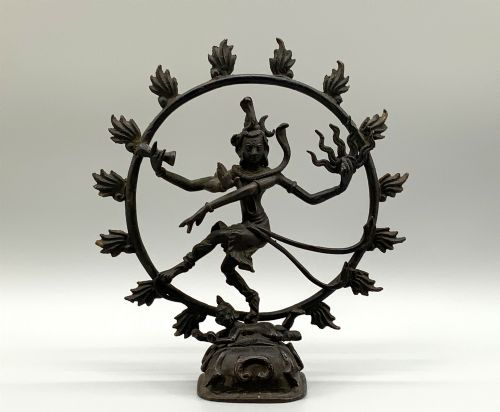
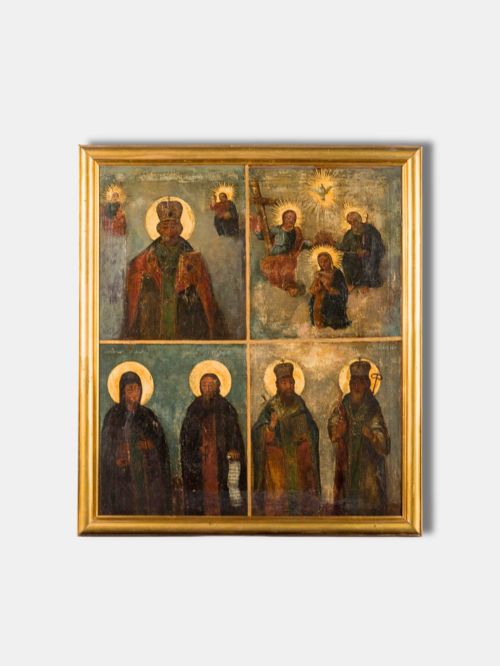
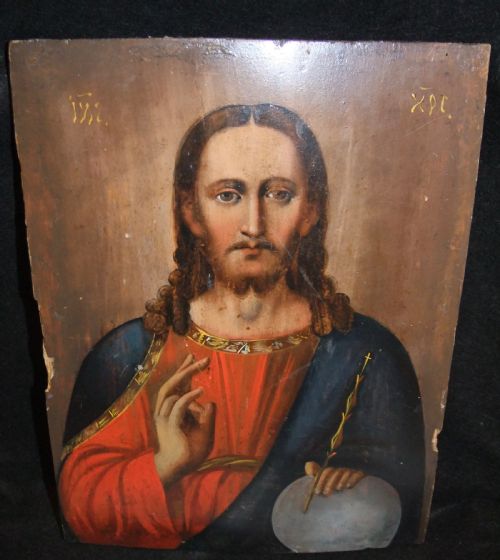
When you search for religious icon artwork, you encounter a diverse range of devotional pieces spanning several centuries and cultural traditions. These works include traditional Russian icon panels, Indian bronze figures, painted pine panels and framed canvases depicting saints and sacred figures.
The selections on this page encompass various forms such as wall art, statues, framed artwork and textile needlepoint. You are likely to meet pieces originating from different European, Asian and colonial traditions, reflecting diverse expressions of faith.
The periods represented stretch from the sixteenth century through the nineteenth century and into the early twentieth century. Each object carries the distinct aesthetic of its origin, whether it is a folk art interpretation or a formal religious portrait.
Materials and construction methods
Many panel paintings and icons utilise wood as a primary support, prepared with gesso before the application of tempera paint and gold leaf. This traditional construction provides a stable surface for detailed sacred portraits and narrative scenes.
Metalwork pieces involve materials such as bronze and copper, cast or enamelled to create lasting devotional objects and plaques. Canvas and textile supports also appear, employing oil paint and needlepoint techniques to render figures like Mary and various saints.
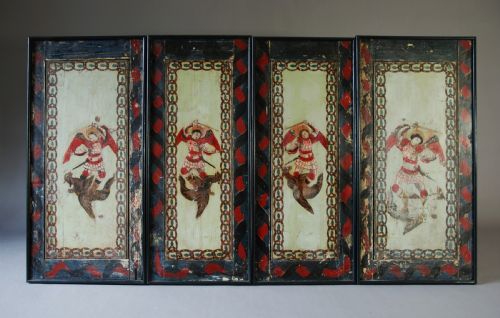
St Michael occasionally appears on hand-painted pine panels, supervising earthly matters with a directness that bypasses subtle theology.
Assessing quality in devotional pieces
The standard of execution in religious icon artwork varies from naive folk interpretations to highly refined court or workshop productions. Finer examples display superior control of pigment, delicate gilding and anatomical precision in figures.
The integrity of the original surface, whether tempera on wood or enamel on copper, largely determines the visual impact of the piece. Patina accumulated through age and devotional use also influences the character of these historical items.
The Religious Icon Artwork Glossary
- Tempera paint
- A permanent, fast-drying painting medium consisting of coloured pigment mixed with a water-soluble binder such as egg yolk. It was widely used for panel paintings before the standardisation of oil paint.
- Gold leaf
- Gold beaten into extremely thin sheets, used for gilding surfaces on icons and devotional panels. It creates a luminous background symbolising the divine realm.
- Gesso
- A white paint mixture consisting of a binder mixed with chalk, gypsum, or pigment. It served as a prepared substrate for wood panels destined for painting or gilding.
- Enamel plaque
- A smooth, glossy substance fused to the surface of metal through firing, often seen in Limoges production. It allowed makers to create durable, brightly coloured devotional imagery.
- Needlepoint
- A type of canvas work embroidery stitched with yarn or thread to form pictorial designs. In religious contexts, it rendered sacred scenes through textile art.
Religious Icon Artwork: Frequently Asked Questions
How were traditional wooden icons made?
Traditional wooden icons were constructed using seasoned timber panels, often fitted with wooden braces on the reverse to prevent warping. Artisans applied layers of linen and gesso to create a smooth ground before painting with tempera and applying gold leaf.
Protective layers of varnish or linseed oil were typically added over the finished paint surface to preserve the colours and provide a glossy sheen.
What is the difference between an icon and a religious painting?
An icon adheres to strict canonical traditions and iconography, serving as an object of veneration in liturgical spaces rather than mere decorative art. They follow established formulas for depicting sacred figures and often feature symbolic gold backgrounds.
Religious paintings on canvas or panel may allow for greater artistic freedom, individual expression and naturalistic perspective, depending on the period and regional style.
How should I care for antique painted panels?
Antique painted panels require stable environmental conditions with moderate humidity and temperature to prevent the wood from expanding or contracting. Keep them away from direct sunlight and heat sources to protect delicate pigments and gold leaf.
Dusting should be performed gently with a dry, soft brush, avoiding any moisture or chemical cleaning agents that could damage the historic surface.
Are all religious icons Russian?
While Russian icons are widely recognised, religious icon artwork encompasses traditions from various regions including Greece, the Balkans, Western Europe and colonial territories. Each region developed distinct stylistic conventions, materials and subject matter.
Spanish colonial pieces, French baroque items and Indian bronze figures all contribute to the broader category of devotional art.