



Antique Religious Wall Picture
An antique religious wall picture brings centuries of devotion, masterly oil painting and delicate textile art directly into your home.
Antique Religious Wall Picture
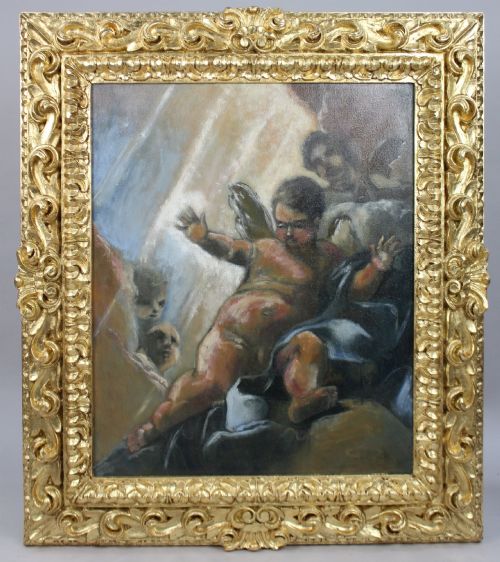
When you search for an antique religious wall picture, you are looking at centuries of devotional art created to adorn sacred spaces and domestic interiors alike. These works span the sixteenth century through to the mid-twentieth century, encompassing periods from the Renaissance and Baroque eras down to the Victorian age. The selection on this page most frequently presents oil paintings on canvas or panel, framed prints, reverse glass pictures and embroidered panels.
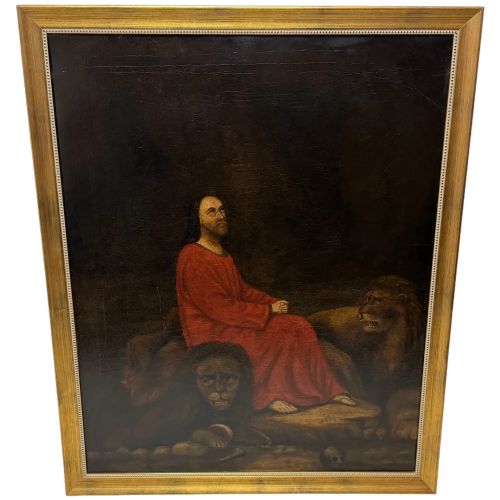
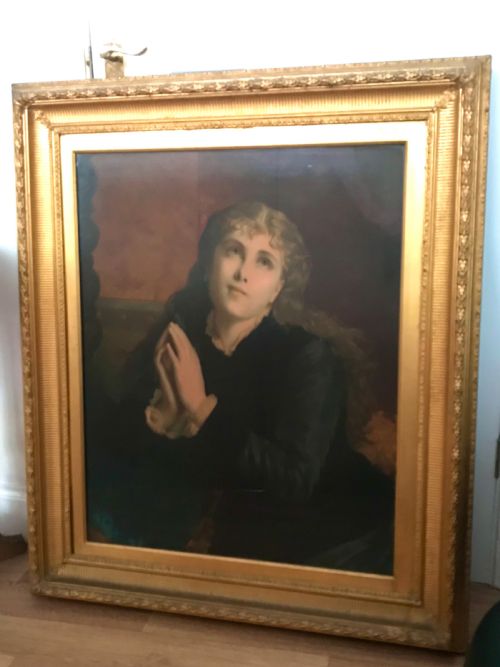
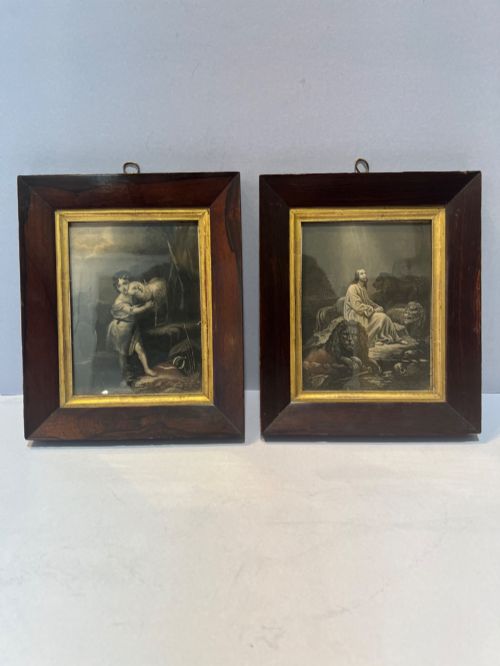
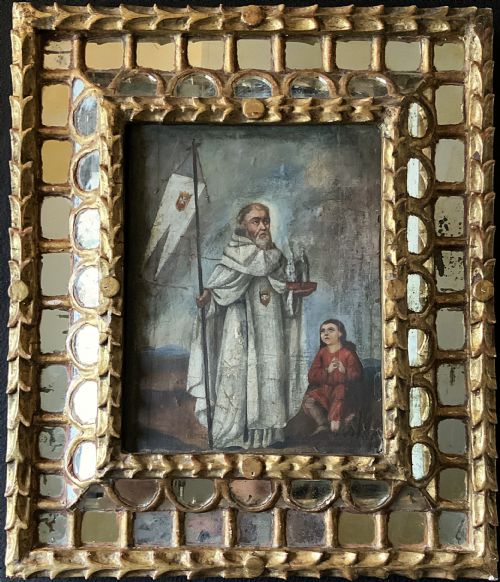
Subjects range widely from biblical narratives such as Daniel in the lions' den and the adoration of the magi to devotional portraits of saints and the penance of Mary Magdalene. You will encounter Italian Renaissance styles, Spanish and French Baroque works, and later revival pieces produced across Britain and continental Europe. Each piece serves as both a historical document and a tangible expression of period craftsmanship.
The formats vary from intimate Limoges enamel plaques and delicate glass mezzotints to large framed canvases and tapestry panels of the Last Supper. Whether executed in oil, pigment, silk embroidery or gold leaf, these works reflect the enduring human impulse to portray sacred history. They offer a direct window into the aesthetic and spiritual values of past centuries.
Materials and construction
Makers utilised traditional supports including wooden panels, woven canvas, paper and heavy silk embroidery grounds. Pigments and oils were applied by hand, sometimes augmented with gold leaf and elaborate framing in carved giltwood. Reverse glass pictures required meticulous painting on the underside of the glass plate, creating a luminous finish when viewed from the front.
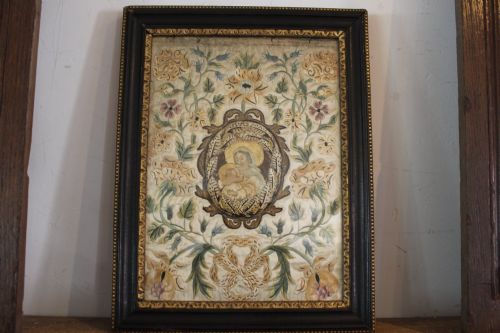
Textile works such as Flemish tapestries and silk panels employed fine needlework to build up complex figurative scenes with enduring textural depth. Limoges enamel plaques relied on vitreous enamels fused to metal bases, achieving rich colouration that survives intact over the centuries. Original frames, particularly carved giltwood examples, were frequently tailored to complement the theological gravity of the artwork.
Daniel in the lions' den occasionally shares wall space with seventeenth-century embroidery, proving domestic lions and fine silk make surprisingly good neighbours.
What separates the finest pieces
The condition of the delicate medium also dictates standing, whether it is an unblemished reverse glass painting, a crisp silk embroidery panel or an oil on canvas free from heavy historical intervention. Works executed by recognised continental schools or attributed to named artists demonstrate a compositional rigour that elevates them above decorative prints of later centuries.
Sebastiaan Vrancx·Fletcher·Girolamo Dai Libri·Eugene Hindle
The Antique Religious Wall Picture Glossary
- Reverse glass painting
- A technique where the artist paints directly onto the rear side of a glass sheet so the finished image is viewed through the transparent front. This method imparts a distinctive glossy sheen and protects the pigment from atmospheric degradation.
- Mezzotint
- A printmaking process of the intaglio family where the copper plate is roughened uniformly to produce rich dark tones and subtle gradations of light. Coloured mezzotints were often hand-tinted to enhance narrative clarity.
- Limoges enamel
- Enamelling work originating from the French city of Limoges, characterised by opaque coloured or monochrome designs fused to a metal plate. These plaques display exceptional durability and fine miniature detail.
- Baroque
- An artistic style originating in Italy around sixteen hundred, noted for exaggerated motion, drama and tension in figurative subjects. Spanish and French variants emphasise deep chiaroscuro and theatrical religious passion.
- Oleograph
- A mechanical colour lithograph textured to imitate the surface appearance of an oil painting on canvas. Popular in the nineteenth century, these pieces brought sacred imagery into broader domestic circulation.
Antique Religious Wall Picture: Frequently Asked Questions
How do I date an antique religious oil painting?
Dating relies heavily on stylistic analysis of the figures, costume details, handling of pigment and the construction of the underlying canvas or wooden panel. Frame style and framing techniques also provide reliable chronological clues.
Comparison with documented works from specific periods such as the seventeenth-century Spanish school or nineteenth-century Victorian narratives helps narrow the window of creation.
What is a reverse glass picture?
A reverse glass picture is created by painting directly onto the back surface of a glass pane, requiring the artist to work in reverse order by applying foreground details before background elements.
When completed, the image is viewed through the smooth front of the glass, protecting the delicate pigments and producing a characteristic luminous finish.
Where were these devotional pictures originally displayed?
Many of these pieces originated in private domestic chapels, parish churches, or as components of church altars before entering private collections. Smaller plaques and prints were designed for personal contemplation in domestic bedrooms and studies.
Larger oil paintings and tapestries served as focal points for communal worship and religious instruction.
How should I care for a textile or silk embroidery panel?
Textile artworks require careful positioning away from direct sunlight and excessive humidity to prevent the fading of natural threads and silk grounds. Glazing with conservation-grade glass offers vital protection against dust and atmospheric pollutants.
Avoid hanging such pieces on damp exterior walls to safeguard the organic fibres.