


Gothic Revival Wall Art
Gothic revival wall art brings architectural drama and sacred symbolism into domestic spaces through carved wood, painted canvas, and gleaming metal.
Gothic Revival Wall Art
When you search for gothic revival wall art, you encounter a diverse range of decorative items spanning the nineteenth and early twentieth centuries. These pieces draw heavily on medieval motifs, ecclesiastical forms, and historical architectural elements adapted for domestic interiors.
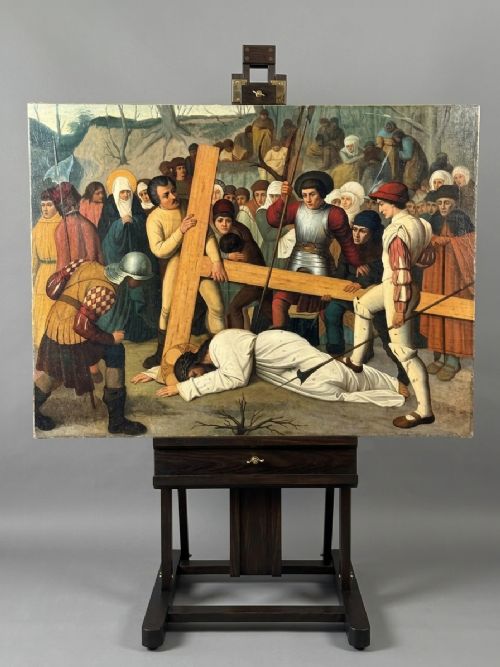
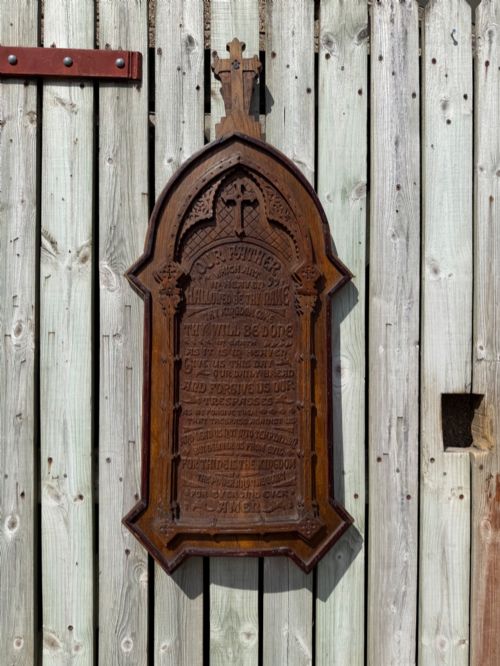
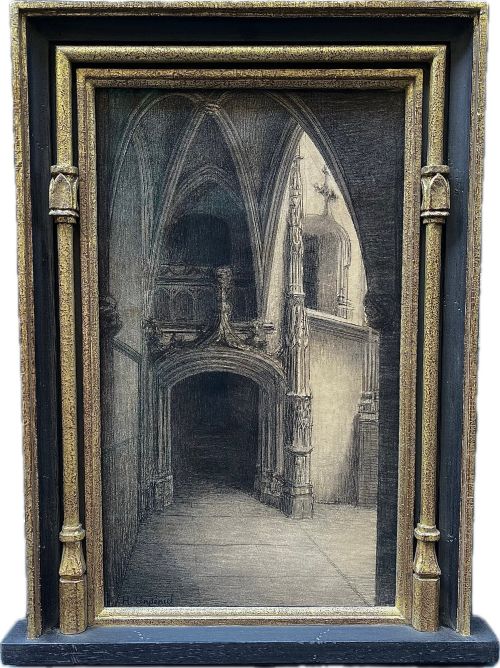
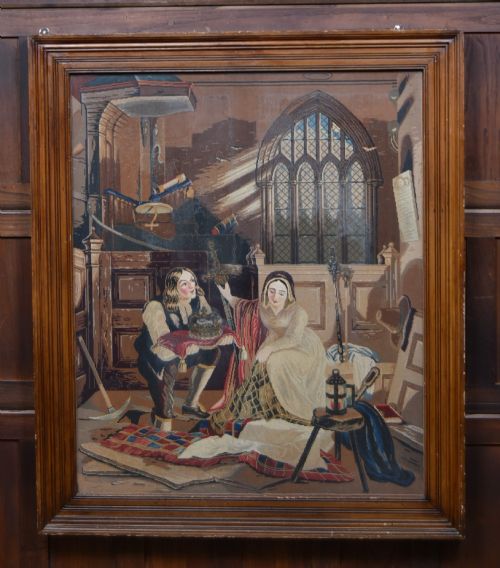
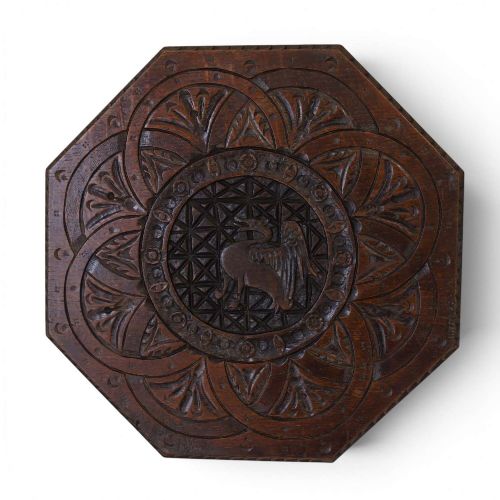
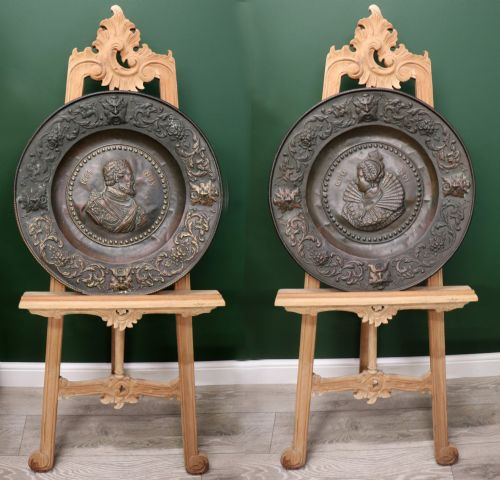
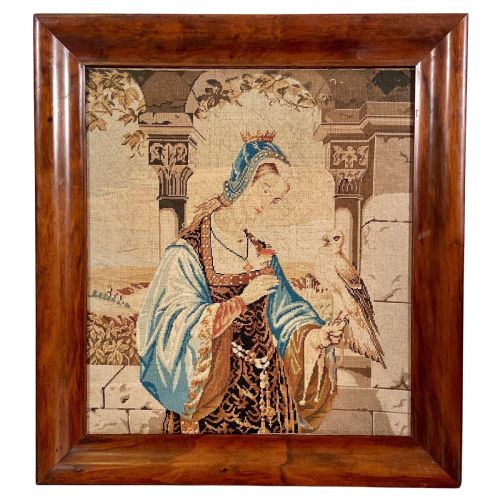
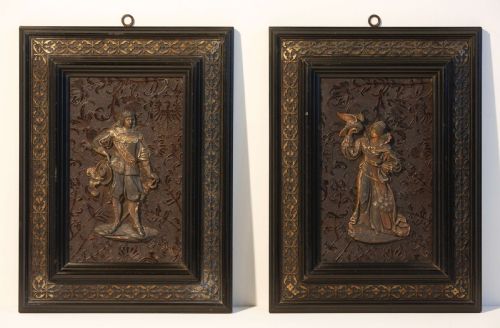
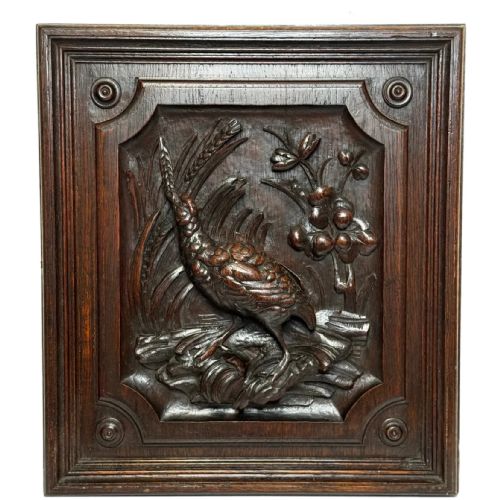
The selections available on this page most frequently appear as carved oak wall plaques, ecclesiastical church tracery panels, framed architectural drawings, and devotional oil paintings. Alongside these woodwork items, buyers regularly find mirrors framed in carved timber or brass, embroidered tapestries, and illuminated religious texts.
The origins of these works are rooted firmly in nineteenth-century historicism, Victorian design reforms, and the Arts and Crafts movement. Makers and artists of the period looked back to Gothic cathedrals and medieval manuscripts to create decorative wall furnishings with a strong narrative or spiritual character.
What Varies in Quality
The depth and crispness of the hand-carving distinguish standard production items from superior architectural panels and mirrors. Superior examples display sharp undercutting, confident chisel marks, and well-proportioned tracery that reflects genuine sculptural skill.
Materials and medium execution dictate the visual strength of works on paper and canvas. Original drawings and early oil paintings demonstrate finer tonal control and archival stability compared to later mass-produced prints.
The integrity of framing and structural adaptation plays a major role in the desirability of these pieces. Items successfully repurposed from larger architectural contexts, such as church panels or crests set into brass frames, demonstrate thoughtful conservation and period harmony.
Listings feature works spanning the nineteenth century through the 1920s, incorporating materials such as oak, brass, glass, and gold leaf.
John Moyr Smith·L Blondie
The Gothic Revival Wall Art Glossary
- Tracery
- Openwork ornamentation in stone or wood, typically consisting of intersecting ribwork found in Gothic windows and echoed on decorative wall panels. This architectural feature defines much of the structural aesthetic within the period.
- Ecclesiastical
- Relating to the Christian Church or its clergy, often applied here to items salvaged from churches or designed with explicit religious iconography. Such pieces carry a solemn, devotional atmosphere.
- Aesthetic Movement
- A late nineteenth-century design current that emphasised visual beauty and craftsmanship over narrative or moral function. Objects from this movement often display refined decorative harmony.
- Lithography
- A planographic printing process using a flat stone or metal plate, enabling the reproduction of detailed architectural views and drawings. It became popular for affordable, high-quality wall prints.
- Illuminated text
- Hand-lettered script decorated with rich pigments and gold leaf, mimicking medieval manuscripts. These texts were often mounted for display in religious or communal spaces.
Gothic Revival Wall Art: Frequently Asked Questions
Where were these pieces originally displayed?
Many of these items hung in Victorian domestic interiors, studies, and libraries where historicist decor was fashionable. Others originated directly from churches, chapels, and institutional buildings before entering the decorative market.
Religious texts and devotional paintings were typically produced for communal gathering spaces or private prayer rooms. Over time, collectors transitioned these architectural fragments and artworks into contemporary homes to add historical gravity.
How do I hang heavy carved wooden panels safely?
Carved oak and pine panels, display shelves, and heavy mirrors require secure wall fixings suited to the specific weight of the timber. Utilising appropriate wall anchors or fixing directly into structural studs ensures the piece remains stable.
Because many of these items were originally designed as architectural elements or furniture components, their hanging hardware may be custom additions. Consulting a professional framer or installer is recommended for oversized or exceptionally heavy wall sculptures.
How do I tell an original drawing from a later print?
Original drawings and oil paintings reveal distinct surface textures, brushstrokes, and ink layering under close inspection. Prints, etchings, and lithographs display consistent ink application and plate marks or dot patterns characteristic of reproduction methods.
Examining the paper substrate through a loupe can help identify hand-drawn media versus mechanical printing processes. Signatures, inscriptions, and paper ageing further assist in confirming the unique status of drawings.
What is a tin tabernacle?
A tin tabernacle was a prefabricated corrugated iron church constructed during the nineteenth century to serve growing congregations quickly and economically. These temporary places of worship were often fitted with illuminated religious texts and simple wooden furnishings.
Items salvaged from tin tabernacles carry a distinct social history tied to nineteenth-century religious expansion. Their utilitarian origins contrast with the ornate craftsmanship of the texts and panels housed within them.