
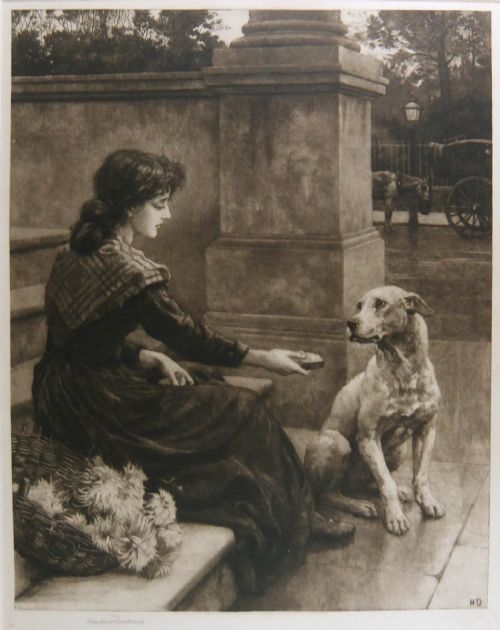
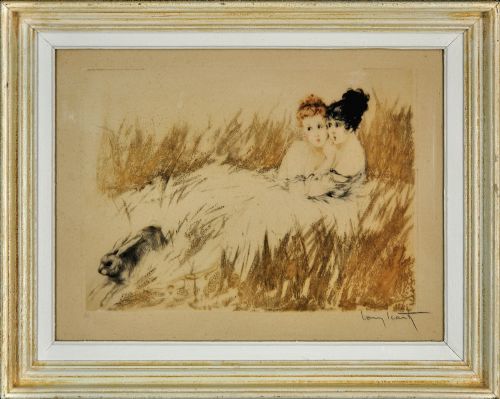


Framed Sepia Etching
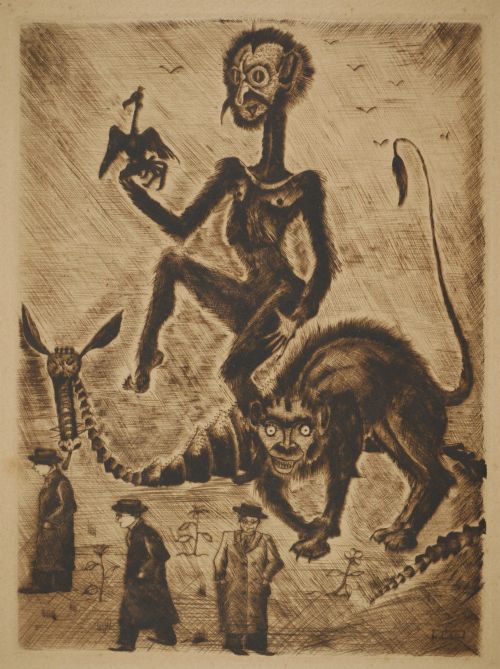
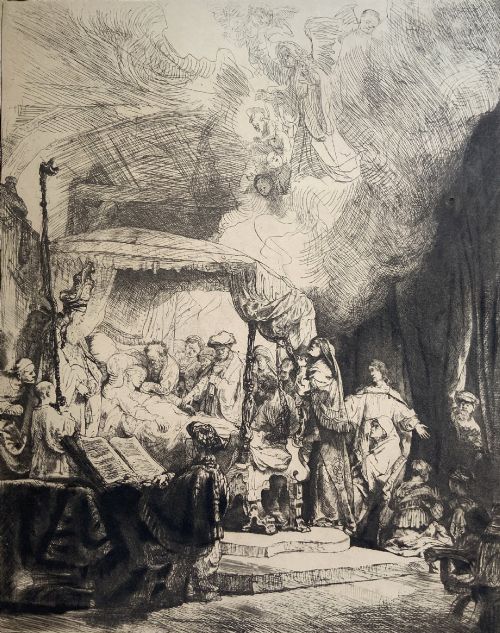
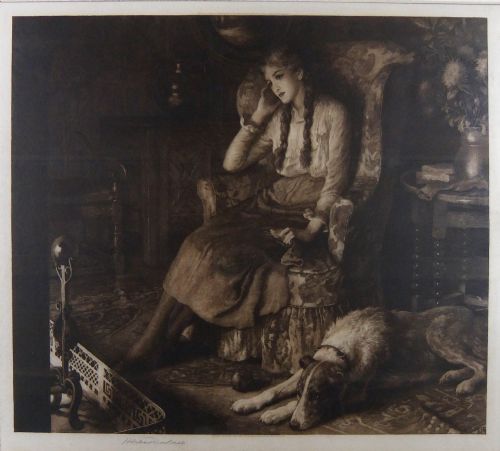
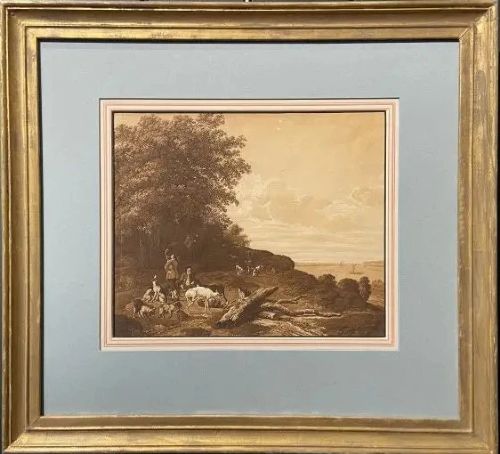
These framed sepia etching works span from seventeenth-century impressions to twentieth-century animal studies, bringing tonal depth and historic character directly to your walls.
Framed Sepia Etching
When you search for a framed sepia etching, you are looking at intaglio prints rendered in warm brown monochromatic inks, typically preserved behind glass within period timber frames. These works range from seventeenth-century classical subjects to twentieth-century domestic animal studies and architectural views.
The selections on this page are most commonly encountered in nineteenth-century and early twentieth-century formats, including artist-signed plates by printmakers like Herbert Dicksee and drypoints by Louis Icart. You will also find earlier Dutch Golden Age impressions and Georgian prints alongside Edwardian depictions of golf and architecture.
Paper supports carry the inked lines carved or bitten into metal plates, varying from cream etching paper to heavier tinted stocks. The framing materials span simple ebonised wood to ornate giltwood and gold leaf moulding.
How they were made
Printmakers created these works by incising lines into metal plates, either directly with tools or through acid biting in etching and drypoint techniques, before applying printing ink to the surface. The plate was then pressed under high pressure onto paper to transfer the detailed linework.
Monochromatic sepia printing ink provided the distinctive warm brown tones, though occasional examples feature hand colouring or aquatint shading to build up atmospheric depth. Finished sheets were mounted and secured beneath glass inside protective wooden frames.
Canines command the copperplate here, staring out from Edwardian terrier prints and bulldog studies.
What varies in quality
The clarity of the impression on the paper distinguishes superior plates from worn later printings, as metal plates degraded over multiple passes. Crisp, distinct linework and rich tonal gradation in the sepia ink separate finer impressions from flat, muddy results.
The integrity of the original frame and mount significantly influences the piece, with period gold leaf, ebonised wood, and giltwood surrounds adding substantial historic context. The survival of clear artist signatures, pencilled annotations, or contemporary attribution markings also elevates individual works.
Kurt Lorein Victor Peiser·Amand Durand·Herbert Dicksee·Johannes Lingelbach·Louis Icart·James Dobie·Claude Lorrain·John Boydell·R P Phillimore·Edgar J Maybery·Tom M Hemy·Frank Greenwood·Deidre Borlase
The Framed Sepia Etching Glossary
- Etching
- A printmaking process where acid bites lines into a metal plate covered with an acid-resistant ground. This method allows artists to draw fluidly into the protective coating.
- Drypoint
- An intaglio printmaking technique where the artist scratches directly into the metal plate with a sharp needle. This raises a rough ridge of metal called a burr that holds extra ink for velvety printed lines.
- Aquatint
- A variant etching method that uses powdered resin to create tonal areas of grey or brown rather than fine lines. It produces watercolour-like washes when printed.
- Sepia
- A dark brown pigment originally derived from the ink sac of the cuttlefish. It defines the warm monochromatic palette characteristic of these prints.
- Intaglio
- A printing family where the ink is held below the surface of the plate in grooves or incisions. Paper is pressed firmly into these recesses to lift the ink.
Framed Sepia Etching: Frequently Asked Questions
What is a sepia etching?
A sepia etching is an intaglio print produced from a metal plate and printed using warm brown monochrome ink. These works capture fine linework and tonal shading on paper supports.
They are distinct from standard black ink prints due to their characteristic brownish hue, which often deepens with age on antique paper.
How old are these framed prints?
The pieces span multiple centuries, ranging from seventeenth-century Dutch Golden Age impressions to Georgian plates and twentieth-century Edwardian and Art Deco works. Each era employs specific paper types and framing styles.
Twentieth-century examples often feature artist signatures in pencil beneath the image, while older impressions rely on engraved inscriptions within the plate.
How should I hang framed etchings?
These works require protection from direct sunlight to prevent the sepia ink and paper supports from fading over time. Stable indoor humidity helps preserve the wooden and gilt frames.
Displaying them away from direct heat sources ensures the paper does not become brittle or warp within the glazing.
Are these original prints?
The selection includes original artist-pulled etchings and drypoints alongside period interpretive engravings after painters like Claude Lorrain and W Dendy Sadler. Original plates were inked and printed during the artist's lifetime or in subsequent historic editions.
Examining the surface reveals the indentation or plate mark where the metal edge pressed into the paper during printing.