


Religious Bronze Sculpture
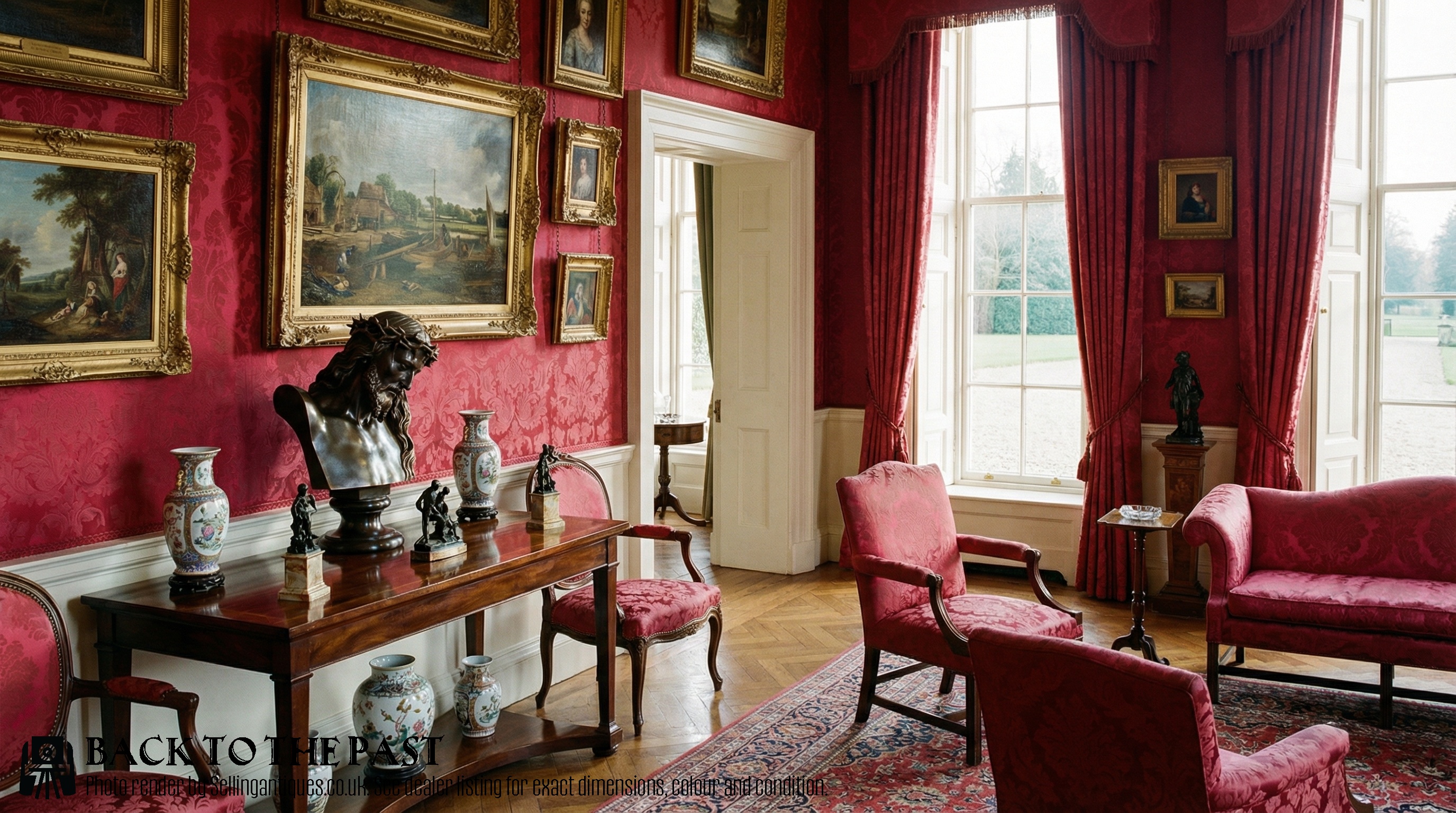
Religious bronze sculpture brings centuries of sacred devotion into a room, forged in metal and shaped by hands across continents.
Religious Bronze Sculpture
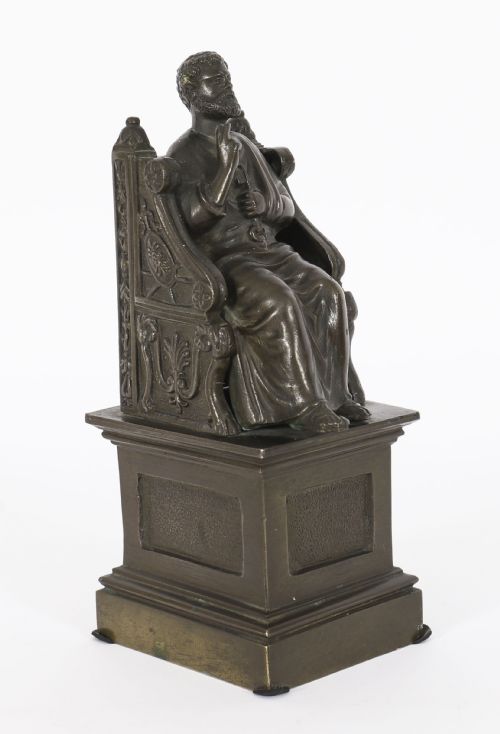
Religious bronze sculpture spans diverse global faiths and traditions, taking the form of figures, deities, and plaques from various centuries. A buyer finds everything from European devotional busts and Grand Tour saints to Asian Buddhist and Hindu deities cast in metal.
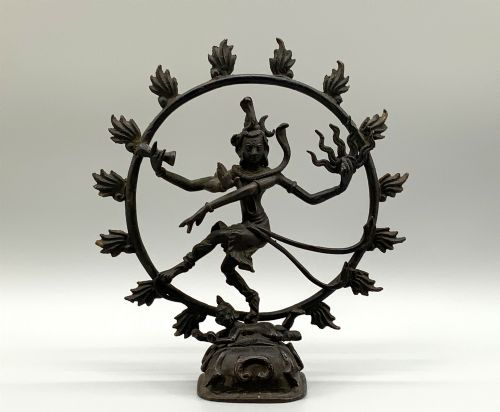
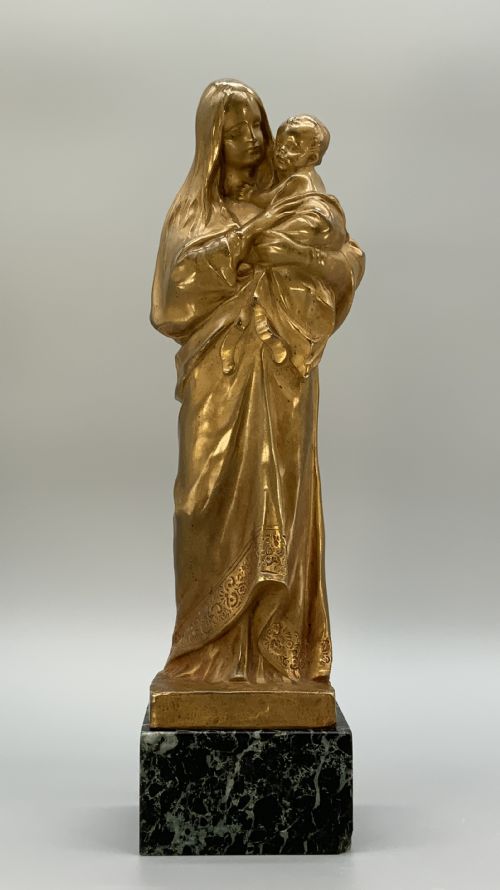
The selection on this page includes representations of Christ, the Virgin Mary, Hindu deities such as Shiva and Ganesh, and Buddhist figures like the Buddha and Avalokiteshvara. These pieces range from European baroque and nineteenth-century interpretations to South Asian and Southeast Asian styles.
Forms vary from substantial standing statues and wall plaques to seated meditative figures and expressive busts. Materials extend beyond pure metal to include gilt bronze, patinated surfaces, copper alloy, and occasional combinations with wood and marble.
Materials and methods
These pieces are created using traditional metalworking methods, primarily cast in bronze, copper alloy, and brass. Many examples receive specific surface treatments such as gilding or patination to alter the finish and tone of the metal.
Some sculptures incorporate contrasting elements of marble and wood alongside the cast metal components. The execution ranges from polished solid casts to intricately detailed figures reflecting specific regional workshops and historical periods.
One hefty Indian statue of Ganesh weighs four kilograms, ensuring the remover of obstacles stays firmly planted in your space.
Assessing quality
Quality rests in the precision of the casting and the clarity of the sculptural detail. Finer pieces demonstrate careful hand-chiselling after the cast emerges from the mould, preserving facial expressions and drapery folds.
The integrity of the surface finish, whether original patination or application of gold leaf, dictates the visual impact of the work. Maker attribution and the preservation of historical context also separate standard commercial castings from exceptional sculptural achievements.
Hans Müller·George Minne·Gian Federigo Bonzagna
The Religious Bronze Sculpture Glossary
- Patinated bronze
- Metal sculpture treated with chemicals or heat to produce a stable, decorative surface coating. This layer protects the underlying alloy and gives the sculpture its characteristic dark or aged tone.
- Gilt bronze
- Metalwork coated with a thin layer of gold using fire gilding or gold leaf application. This technique imparts a radiant metallic sheen often reserved for sacred or imperial objects.
- Grand Tour
- Cultural travel undertaken by wealthy Europeans during the eighteenth and nineteenth centuries. Souvenirs purchased on these journeys frequently included small-scale bronze copies of classical or religious works.
- Copper alloy
- A broad classification for metal mixtures containing copper combined with zinc, tin, or other elements. Many early Asian and continental figures are cast in these durable metallic blends rather than pure copper.
- Bhumisparsha mudra
- A specific hand gesture in Buddhist iconography where the right hand reaches down to touch the earth. It symbolizes the Buddha calling the earth to witness his enlightenment.
Religious Bronze Sculpture: Frequently Asked Questions
What is a religious bronze sculpture?
Religious bronze sculpture comprises cast metal figures and plaques created to inspire devotion or represent sacred figures across various global traditions.
These works range from European Christian saints and biblical scenes to Eastern Buddhist and Hindu deities cast over several centuries.
How were these sculptures used originally?
These sculptures served primarily as objects of veneration in temples, domestic shrines, churches, and private altars.
Some smaller pieces functioned as personal devotional aids carried during travel or placed within sacred spaces for daily prayer.
How do I care for a bronze sculpture?
Bronze requires minimal maintenance, needing only gentle dusting with a soft, dry cloth to prevent particulate accumulation.
Harsh cleaning agents and polishes should be avoided because they strip away historical patination and damage the underlying metal surface.
How can I tell the age of a bronze sculpture?
Dating relies on stylistic analysis of the clothing, iconography, casting technique, and the composition of the metal alloy.
Comparing the work to documented examples from specific regional styles or periods helps establish a reliable timeframe for its creation.