



Relief Ceramic Plaque
A relief ceramic plaque brings three-dimensional modelling and glaze into wall art, offering tactile depth that flat paintings simply lack.
Relief Ceramic Plaque
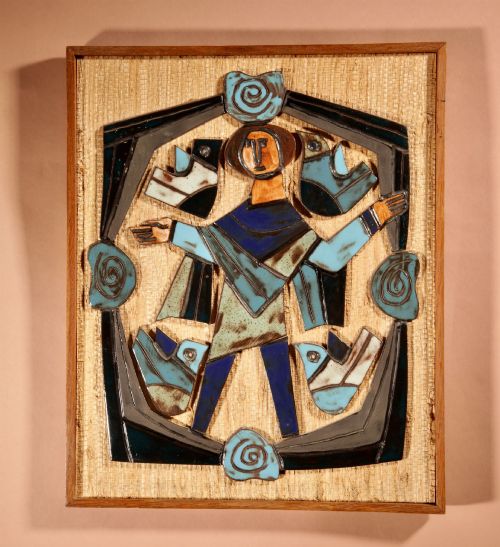
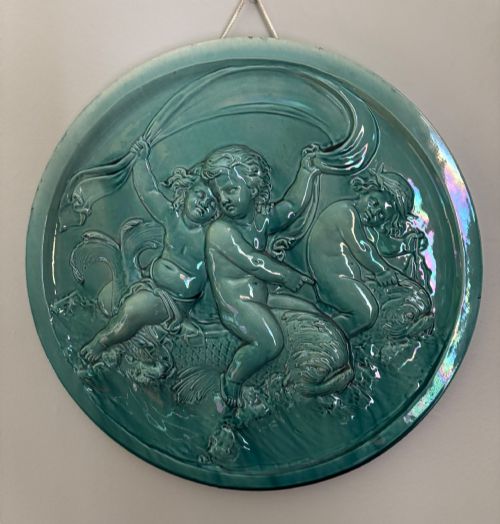
A relief ceramic plaque is a wall-mounted piece of art where figures or motifs stand out from a flat background. When searching for a relief ceramic plaque, a buyer encounters everything from devotional madonnas to portrait cameos and majolica scenes.
The selections span centuries, featuring 18th century devotional works alongside Victorian and Edwardian examples. Materials range from porcelain and earthenware to jasperware and stoneware, mounted in wood or framed for display.
Forms include wall sculptures, decorative plates, and tondos, reflecting varied stylistic influences such as neoclassical, French Art Nouveau, and Arts and Crafts.
How they were made
Makers utilised plastic ceramic bodies like earthenware, porcelain, and stoneware, often applying glazes to enhance the modelled surface. Moulding and pressing techniques allowed artisans to achieve crisp three-dimensional detail in jasperware, majolica, and terracotta.
Specialised decorative methods such as pate-sur-pate involved building up layers of slip on a contrasting coloured clay body to create translucent relief designs. Firing temperatures varied depending on whether the piece was earthenware, stoneware, or hard-paste porcelain.
Relief Ceramic Plaque Retail Price Guide 2026
Typical asking prices for relief ceramic plaque among the pieces listed under this phrase on Sellingantiques today, from the lower quarter to the upper quarter. They describe what is for sale here now, not the wider market.
Listings feature works spanning the 18th, 19th, and 20th centuries, executed in porcelain, earthenware, terracotta, and jasperware across neoclassical, Art Nouveau, and Arts and Crafts styles.
What varies in quality
Quality rests in the crispness of the modelling and the sensitivity of the relief work against the ground. Superior examples exhibit fine detail in facial expressions, drapery, and botanical elements, whereas lesser pieces lose definition in the moulding process.
The application of glaze or coloured slip also dictates distinction, where controlled brushwork and even firing elevate a piece. Artisanal precision in subjects modelled after classical sculptors or designed by notable potteries sets the finer works apart.
Clement Messier·Wedgwood·Sherwin and Cotton·Mintons
The Relief Ceramic Plaque Glossary
- Jasperware
- A type of fine stoneware developed with a matte finish, famously associated with neoclassical cameos and white applied reliefs on a coloured ground. It provides a distinct contrast in texture and hue.
- Pate-sur-pate
- A French ceramic technique meaning paste on paste, where successive layers of liquid porcelain slip are painted onto a body to build up a cameo-like relief. This method requires immense skill to achieve subtle translucency.
- Majolica
- A type of earthenware covered in an opaque tin glaze and painted with metallic oxide colours. It produces vibrant, glossy surfaces often depicting natural forms like birds and flowers.
- Tondo
- A circular work of art, either a painting or a relief sculpture. This Italian term describes round ceramic plaques designed for wall hanging.
Relief Ceramic Plaque: Frequently Asked Questions
How do I hang a heavy ceramic plaque safely?
Most substantial pieces feature integrated wire, loops, or wooden backing frames designed for secure wall support. Utilise appropriate fixings matched to your wall type to distribute the weight evenly.
Avoid hanging plaques in areas prone to dampness or direct heavy sunlight, which can affect vulnerable glazes and mounting materials over time.
Are these plaques meant for indoor display only?
Most ceramic and terracotta wall art is designed for interior spaces, where temperature fluctuations and moisture remain minimal. Earthenware and majolica glazes can be sensitive to frost if placed outdoors.
Keep them away from exterior walls that experience dampness to protect the ceramic body and any wooden framing elements.
How do I clean a glazed ceramic plaque?
Dust gently with a soft, dry brush or a microfiber cloth to remove surface particles. Avoid using liquid cleaners or chemical agents, especially on unglazed earthenware or delicate pate-sur-pate surfaces.
If the piece has a robust glaze, a slightly damp cloth may be used cautiously, ensuring moisture does not seep into unglazed backing or old repairs.
How can I tell the period of a plaque?
Examine the materials, glazing style, and framing techniques, as Victorian and Edwardian works often utilise specific mounting styles and colour palettes. Neoclassical subjects frequently point towards 18th or 19th-century revival periods.
Maker marks, impressed ciphers, and artist signatures on the reverse provide definitive clues to the era of manufacture.