


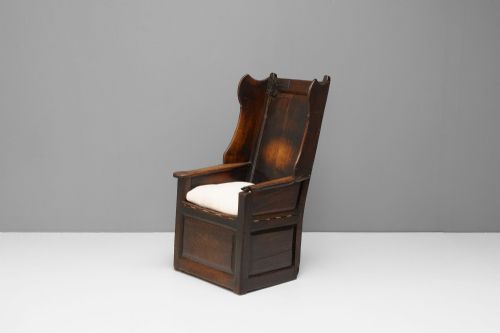

Regional Country Oak Chair
A regional country oak chair brings robust vernacular character into a room, shaped by local tradition and everyday use.
Regional Country Oak Chair
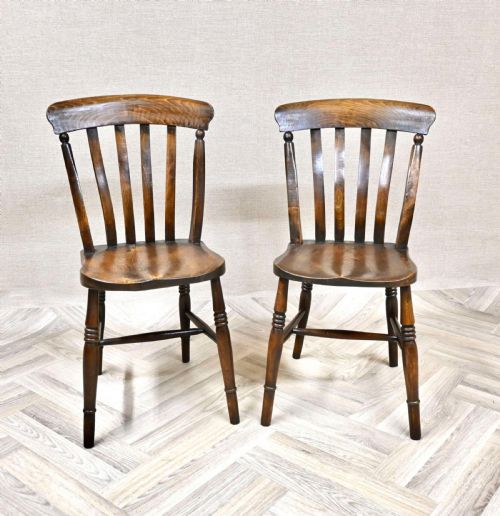
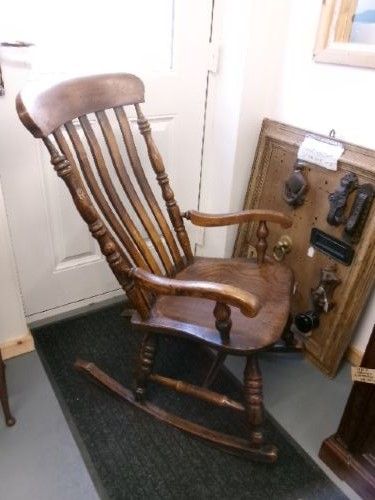
When you search for a regional country oak chair, you encounter a wide spectrum of vernacular seating spanning from the seventeenth century through to the Edwardian era. These forms include armchairs, dining chairs, side chairs, and rocking chairs created to serve specific domestic roles in farmhouses and cottages.
You are most likely to meet nineteenth-century examples on this page, alongside earlier seventeenth-century pieces and later Victorian interpretations. Makers across English, Scottish, and Welsh districts adapted traditional local patterns using timber readily available in their immediate environment.
How they were made
Joiners and local artisans constructed these seats using solid native timbers such as oak, elm, ash, beech, and fruitwood. They frequently combined different woods within a single piece, employing oak for structural frames while turning ash or beech for spindles and legs.
Seats were fashioned from solid carved elm planks, dished for comfort, or woven tightly with rush. Traditional pegged joinery, turned components, and steam-bent parts provided the necessary strength for heavy daily service without relying on metal fasteners.
Materials span native hardwoods including oak, elm, ash, beech, fruitwood, and yew, paired with woven rush seating.
What varies in quality
The distinction between ordinary utility work and superior craftsmanship lies in the harmony of proportions and the integrity of the timber. Better examples display careful selection of grain, particularly in elm seats and figured oak panels, maintaining structural balance without clumsy repairs.
Patina and surface preservation separate untouched pieces from those subjected to aggressive modern stripping or excessive intervention. A finer chair retains its original construction integrity, with turned members showing crisp profiles and minimal timber loss at the feet.
Duncan McKellar of Fenwick
The Regional Country Oak Chair Glossary
- Vernacular
- Everyday furniture made by local craftsmen for regional use rather than high-style urban workshops. These pieces follow traditional local patterns.
- Windsor
- A chair constructed with a solid wooden seat into which the legs, back spindles, and bow are separately fitted. They often feature distinct regional comb or wheel backs.
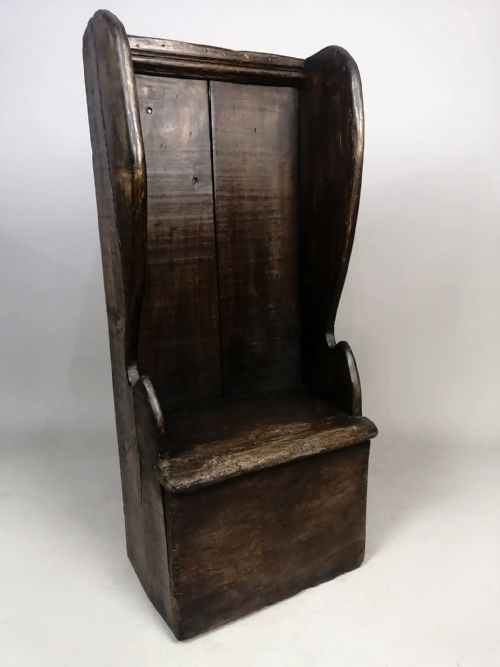
- Lambing chair
- An enclosed high-backed armchair, frequently fitted with a solid panel or wing to block draughts near a hearth. Early versions often incorporate under-seat storage boxes.
- Spindle back
- A chair design utilising numerous slender turned vertical wooden rods to form the backrest. These are commonly associated with regional Lancashire and Thames Valley traditions.
- Rush seat
- A seating surface woven from dried marsh reeds or flags. Skilled weavers twist the material tightly to create a durable, textured platform.
Regional Country Oak Chair: Frequently Asked Questions
How do I identify a regional style?
Regional styles reveal themselves through specific construction habits, local wood choices, and distinctive backrest patterns peculiar to districts like Yorkshire, Lancashire, or the Thames Valley. Artisans utilised the materials accessible in their specific countryside.
Comparing turnings and seat shapes against documented vernacular types helps clarify geographic origins.
Were these chairs used for dining?
Many examples served as sturdy dining chairs around farmhouse tables, particularly ladder back and rush-seated sets. Others were singular elbow seats meant for the master of the house or placement beside a hearth.
Heavier Windsor and wainscot armchairs occupied principal positions in the room rather than dining settings.
How do I care for an antique oak chair?
Keep wooden furniture away from direct heat sources and sudden temperature shifts to prevent timber splitting. Gentle application of traditional beeswax helps nourish dry surfaces.
Avoid modern liquid polishes that can build up and soften historic finishes over time.
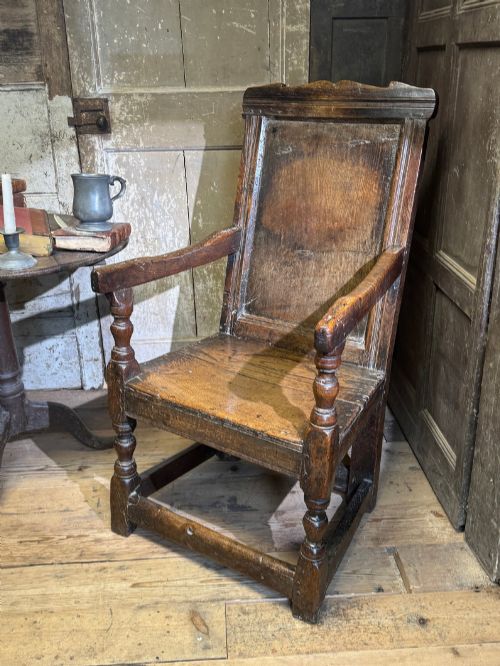
What is a wainscot armchair?
A wainscot chair is an early heavy wooden armchair constructed primarily from oak paneling, reflecting high status in seventeenth-century households. They feature solid panel backs and carved details.
These architectural seats represent some of the earliest surviving forms in country vernacular seating.