



Regency X Frame Bench
These regency x frame bench examples offer classic seating forms rooted in the early nineteenth century, prized for their distinctive cross-legged elegance and striking architectural silhouettes.
Regency X Frame Bench
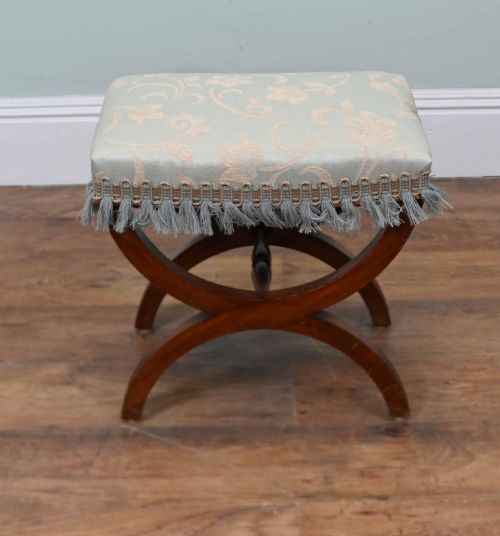
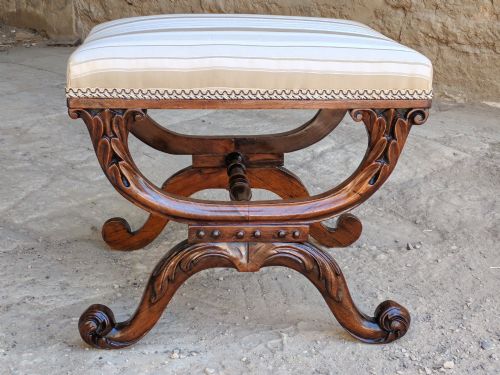
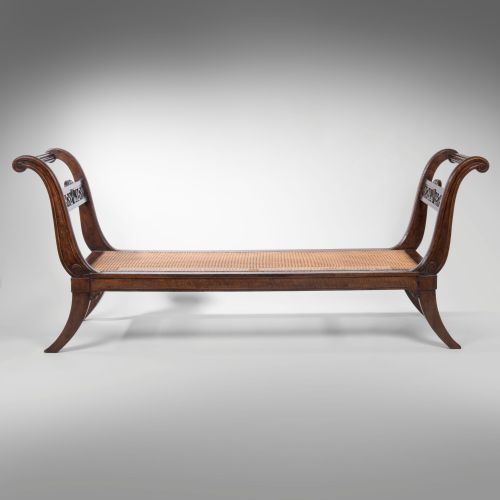
A regency x frame bench draws upon classical antiquity, taking inspiration from Roman curule seats and neo-classical design principles. Buyers encounter various iterations across this selection, ranging from compact footstools and piano stools to substantial window seats and long benches.
The pieces primarily date from the nineteenth century, including Georgian and Regency periods alongside later revival styles such as William IV and French Empire. Mahogany and rosewood form the backbone of the wooden frames, accompanied by giltwood and walnut examples.
Makers and workshops across England, Ireland, and Italy produced these intersecting supports for polite domestic spaces. While the inventory includes daybeds and sofas, the characteristic cross-framed seating remains the defining configuration.
Materials and construction methods
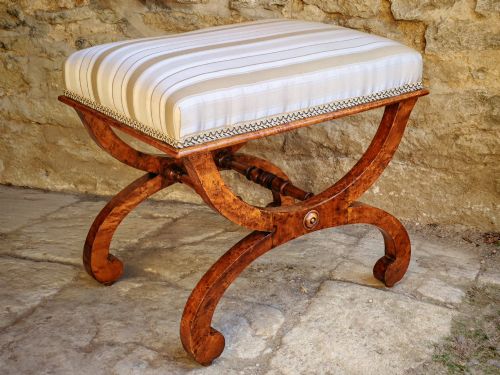
Cabinetmakers utilised dense timbers like mahogany and rosewood, often pairing them with giltwood, gesso, or brass mounts to achieve a luxurious finish. Grain selection played a vital role in enhancing the visual impact of exposed wooden members.
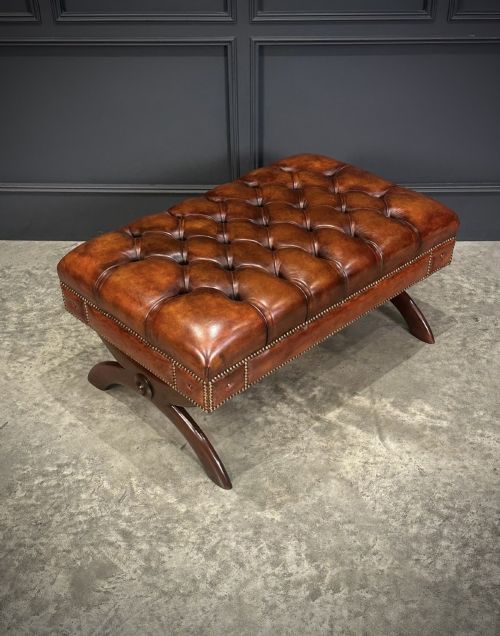
Upholstery materials recorded in the evidence include fabric, hessian, leather, and textile, supporting various cushioning styles from plain pads to buttoned surfaces. Frames frequently incorporate carved details, fluted legs, and scroll ends executed by hand.
Regency X Frame Bench Retail Price Guide 2026
Typical asking prices for regency x frame bench among the pieces listed under this phrase on Sellingantiques today, from the lower quarter to the upper quarter. They describe what is for sale here now, not the wider market.
The listings feature nineteenth-century pieces executed in mahogany, rosewood, and giltwood, reflecting neoclassical and French Empire styles.
What separates standard examples from the finest pieces
The distinction lies primarily in the crispness of the carving, the choice of primary timber, and the architectural proportion of the intersecting stretchers. Finer pieces demonstrate superior joinery where the X-frame members cross, ensuring structural stability without clumsy reinforcement.
Secondary details such as original giltwood surfaces, sophisticated gesso work, or documented maker attribution elevate certain examples above standard country house production.
Miles & Edwards
The Regency X Frame Bench Glossary
- Curule stool
- An ancient form of magistrate seat characterised by crossed legs that form an X-shape, revived during the neo-classical and Regency periods. This ancient lineage gives the furniture its enduring architectural appeal.
- X frame
- A structural design where two legs cross in the centre to form the letter X, supporting the seat above. It appears frequently in stools, benches, and window seats from the nineteenth century.
- Giltwood
- Timber that has been coated with a thin layer of gold leaf or gilt powder over a prepared gesso ground. This finish catches the light and denotes high status in period drawing rooms.
- Window seat
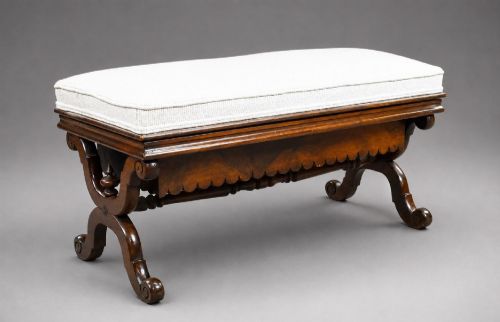
- A long, narrow form of seating designed specifically to fit into the recess of a bay or traditional window. Examples in this category often feature scroll ends or open frames.
- Scroll end
- A sweeping, curved terminal typically found at the ends of sofas, daybeds, and window seats. It echoes classical scroll motifs popular during the Regency and William IV eras.
Regency X Frame Bench: Frequently Asked Questions
Where were these benches placed in a home?
Period interiors typically positioned these seats in hallways, drawing rooms, or specifically within window recesses where light suited reading and conversation.
Their compact footprint also allowed them to function easily at the foot of a bed or near a piano.
How do I identify a Regency period frame?
Look for classical proportions, architectural symmetry, and specific timber choices such as figured mahogany or rosewood.
Carved details tend to reference Greek, Roman, or French Empire motifs rather than heavy Victorian ornamentation.
Are these seats comfortable for daily sitting?
Many surviving examples were built primarily for formal reception spaces rather than long hours of lounging.
Upholstered versions with supportive padding offer comfortable seating, while rigid wooden or curule forms serve better as occasional perches.
What is the difference between a stool and a window seat?
A window seat generally incorporates arms, scroll ends, or a slightly elongated frame designed to accommodate more than one person in a specific architectural niche.
Stools maintain a simpler, open profile without backrests or raised ends.