


Regency Wooden Accent Chair
A regency wooden accent chair brings structural line and figured timber to a corner, offering a functional seat rooted in the early nineteenth century.
Regency Wooden Accent Chair
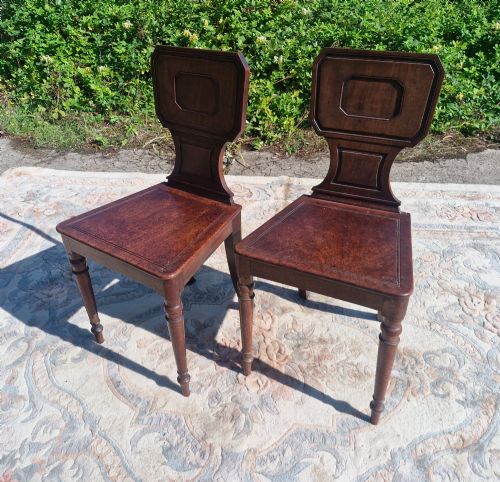
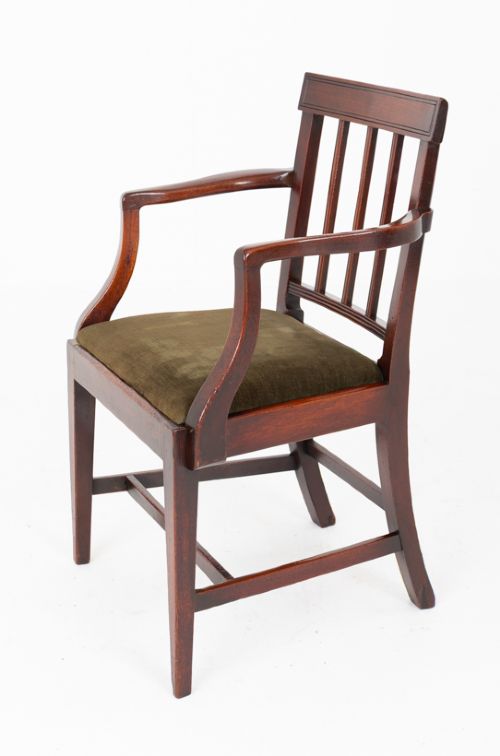
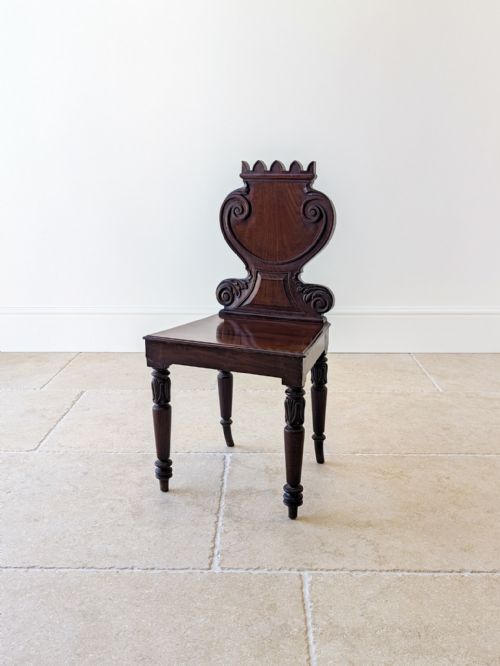
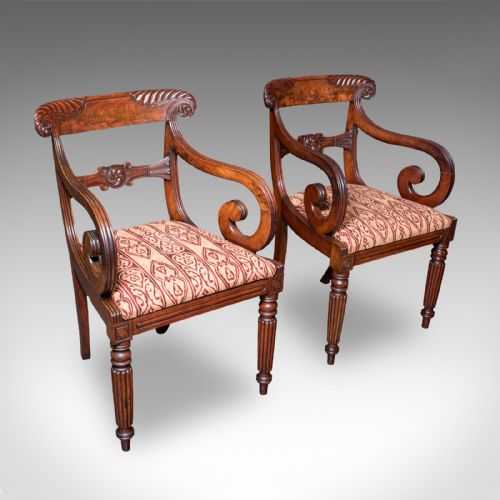
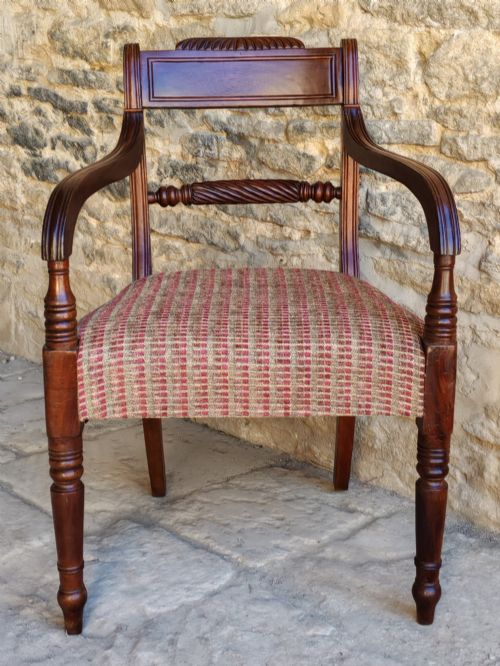
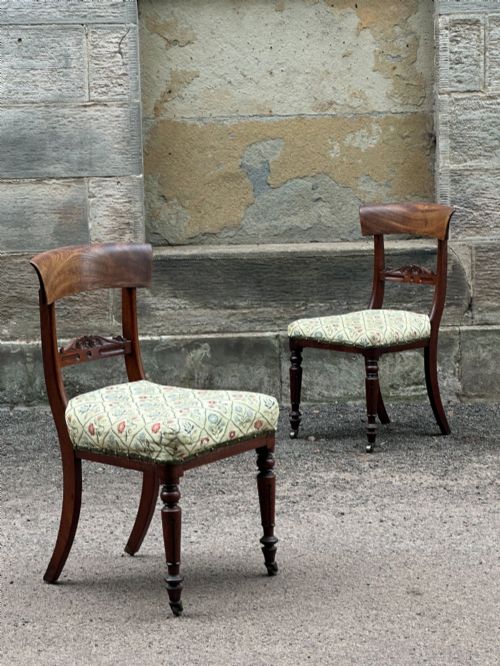
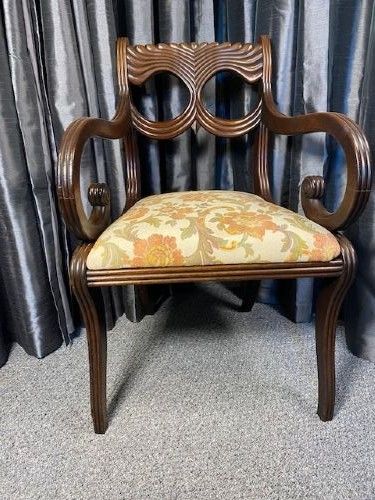
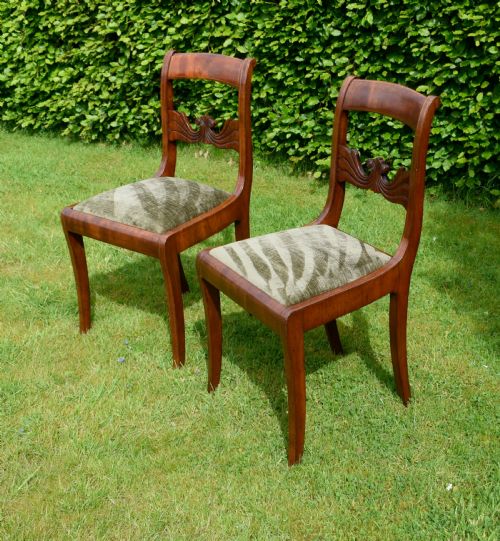
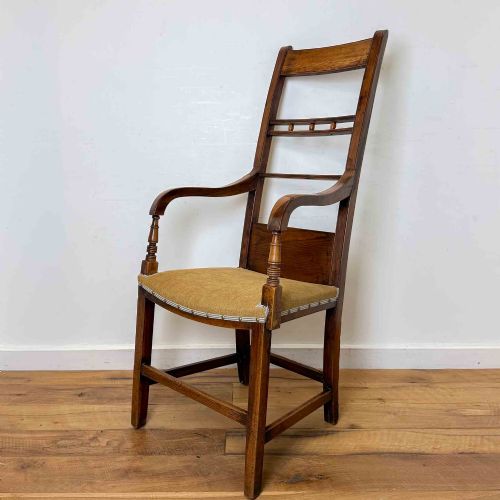
A regency wooden accent chair spans forms such as hall chairs, carvers, side chairs, and armchairs originating primarily from the Regency and nineteenth-century periods. These seating options include examples from Georgian, William IV, and Edwardian eras, reflecting both formal reception room designs and regional country variations.
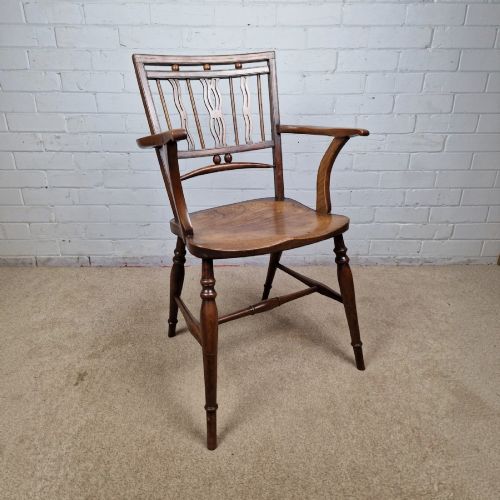
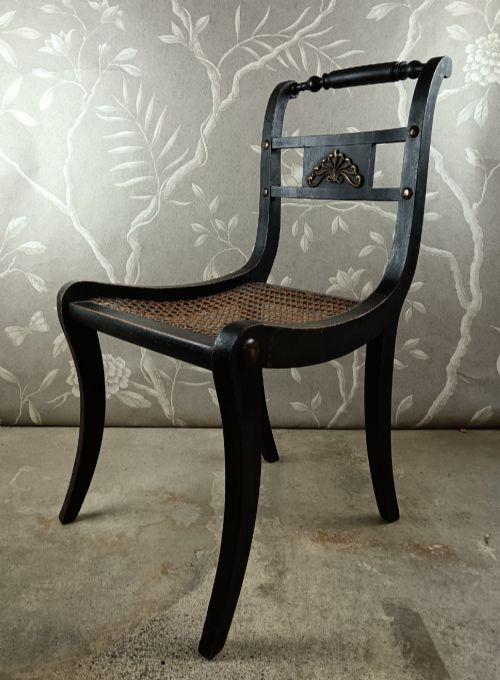
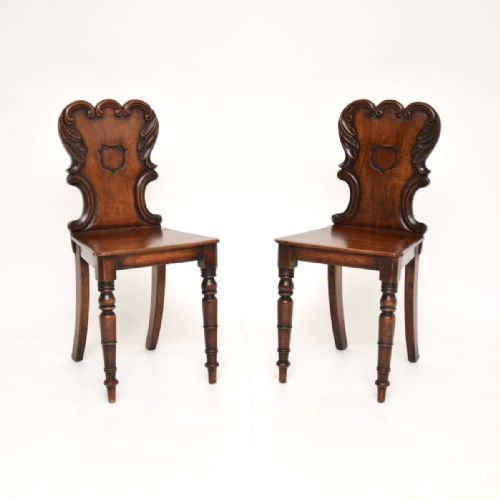
The selections frequently manifest as pairs or sets, utilised as occasional seats in hallways, morning rooms, and reception spaces. Buyers encounter variations ranging from ebonised Trafalgar sabre leg models to Windsor armchairs and shell back hall chairs.
Origins stretch across English workshops as well as Scottish variants, demonstrating diverse local interpretations of classical motifs. The core function remains that of an occasional seat, combining decorative presence with period construction.
Distinctions in Quality and Execution
The hierarchy of quality rests upon the crispness of the timber carving, such as detailed pelta backs, heraldic shields, or reeded sabre legs. Superior examples display selected mahogany grain, tight joinery without excessive modern intervention, and retained original elements like cane panels or ebonised surfaces.
Proportion and architectural balance set finer pieces apart from standard regional workshop output. The depth of relief work on backsplats and the presence of documented regional traits, such as Mendlesham or Windsor vernacular turns, dictate the standing of an individual chair.
The inventory records regional English variations, including Mendlesham and Windsor armchairs, alongside formal Regency hall chairs.
Gillows
The Regency Wooden Accent Chair Glossary
- Sabre leg
- A gently curved, outwardly sweeping chair leg tapering toward the foot, typical of Regency seating design.
- Carver
- An armchair, often designed for the head of a dining table or as an occasional elbow chair in a reception room.
- Cane
- Woven rattan material utilised for chair seats and backs, providing a lightweight and resilient surface.
- Ebonised
- Wood treated with a dark stain or finish to imitate ebony, popular for sharp contrast in Regency interiors.
- Klismos
- An ancient Greek chair form revived during the Regency period, characterised by concave curved back legs and a broad, sweeping backrest.
Regency Wooden Accent Chair: Frequently Asked Questions
What defines a regency wooden accent chair?
A regency wooden accent chair is typically characterised by classical revival motifs, such as sabre legs, curved backrests, and turned wood elements dating from the early nineteenth century. These seats served utilitarian and decorative roles in hallways and reception spaces.
Materials commonly feature solid mahogany or fruitwood, occasionally enhanced with ebonised finishes, brass details, or cane panels. Their design borrows heavily from ancient Greek and Roman forms.
Where were these chairs placed originally?
In period homes, these chairs functioned primarily as hall chairs, morning room seats, or occasional side chairs. They were positioned against walls in corridors or reception rooms rather than used as primary lounging furniture.
Because they were made of dense timbers like mahogany and oak, they stood up well to transitional traffic in hallways. Their sculptural backs provided visual interest when viewed from across a room.
How do I identify a hall chair?
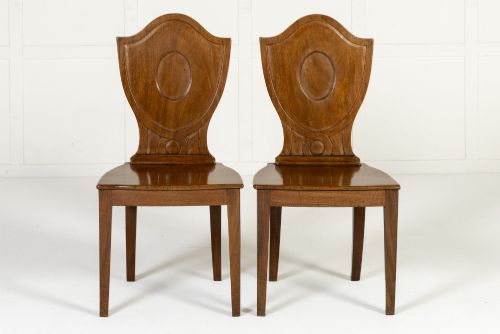
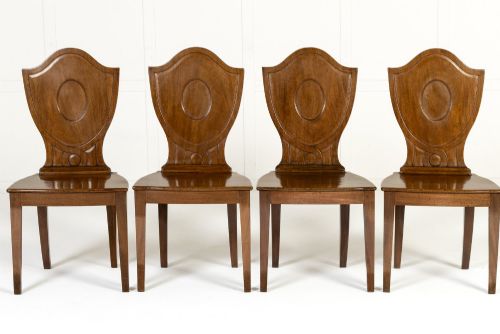
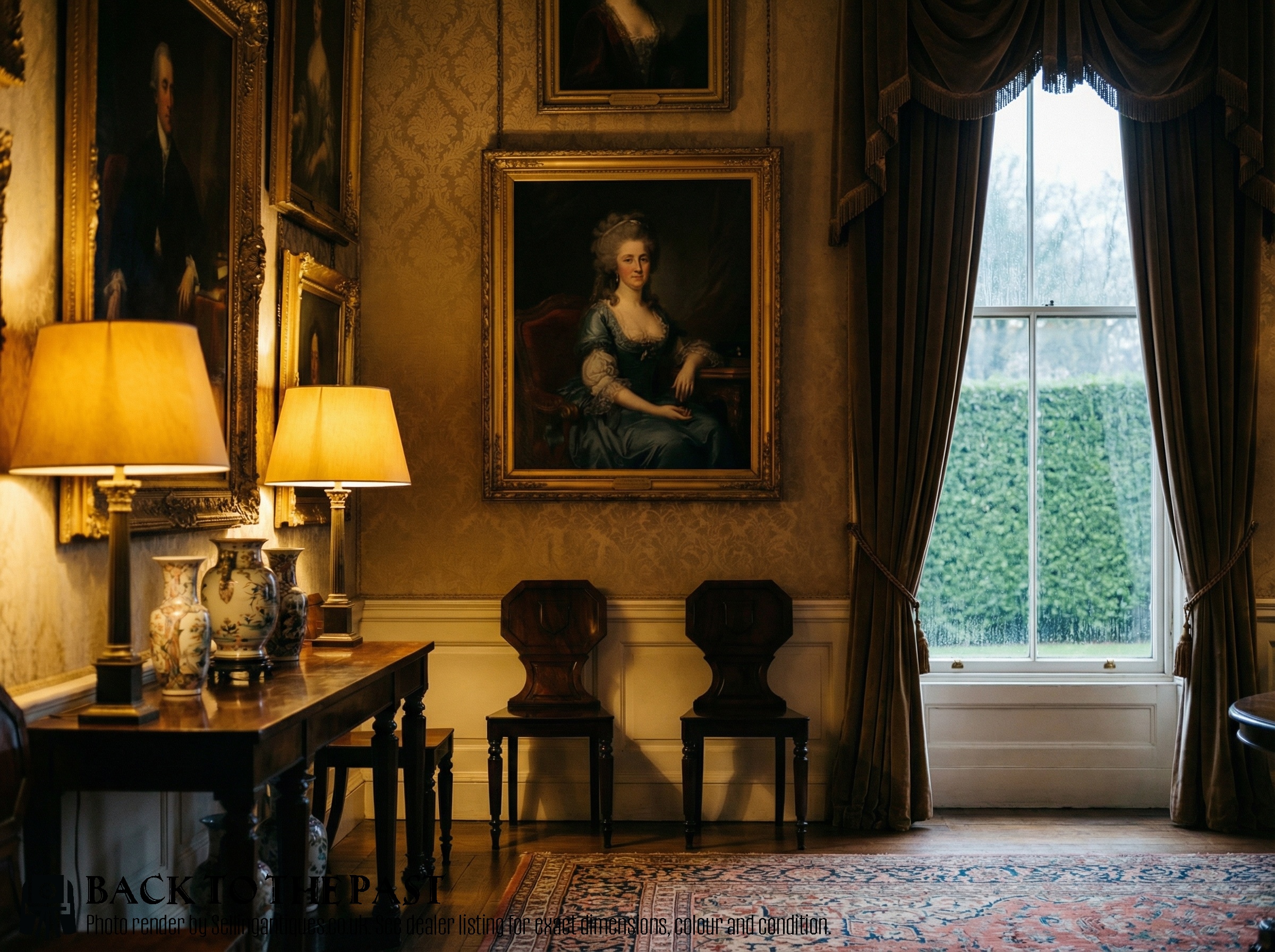
Hall chairs usually feature solid wood seats without upholstery, often ornamented with a carved, painted, or incised family crest or shell motif on the backboard. They were designed for brief seating in entrance halls.
The construction prioritises durability and display over comfort, frequently employing turnings or sabre legs that match the architectural style of the period. Many survive today in pairs or sets.
Can these chairs be used daily?
Most of these chairs are structurally sound for normal sitting, provided the joints remain tight and the timber is stable. Regular use in low-traffic areas suits their historical construction.
Care should be taken with antique cane seats or delicate ebonised finishes, which benefit from gentle cleaning and stable indoor humidity. They function best as occasional seating rather than heavy-duty daily desk chairs.