



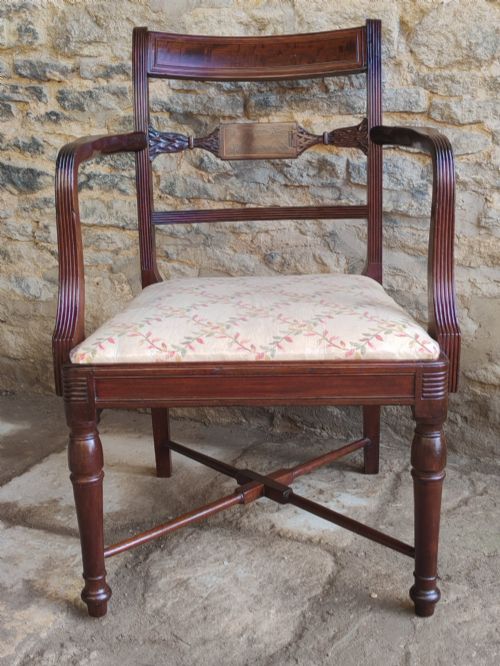
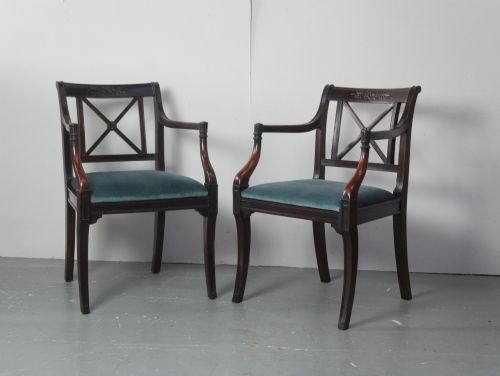
Regency Wood Armchair
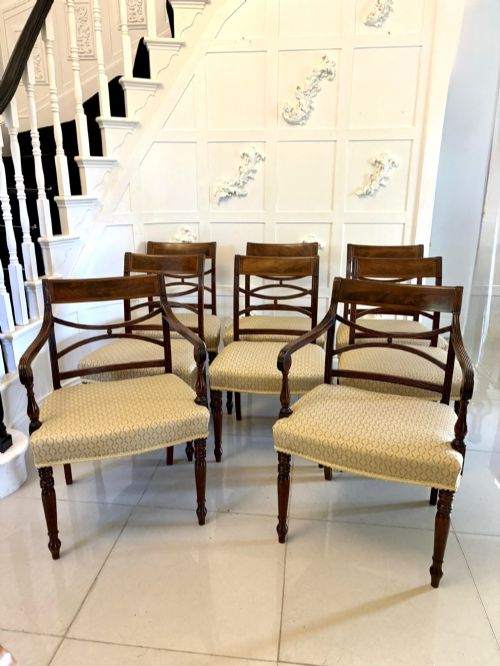
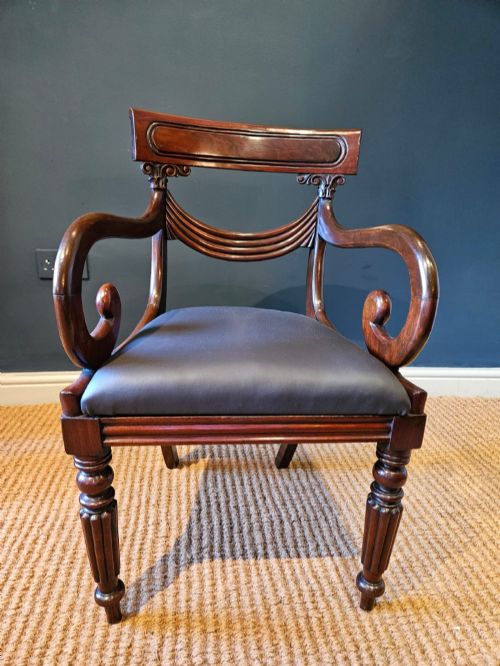
A regency wood armchair brings structural elegance and classic seating design into a room through curved woodwork and tailored upholstery.
Regency Wood Armchair
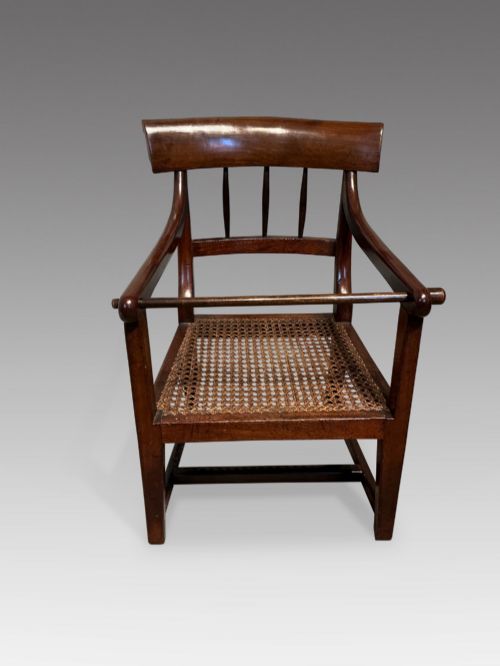
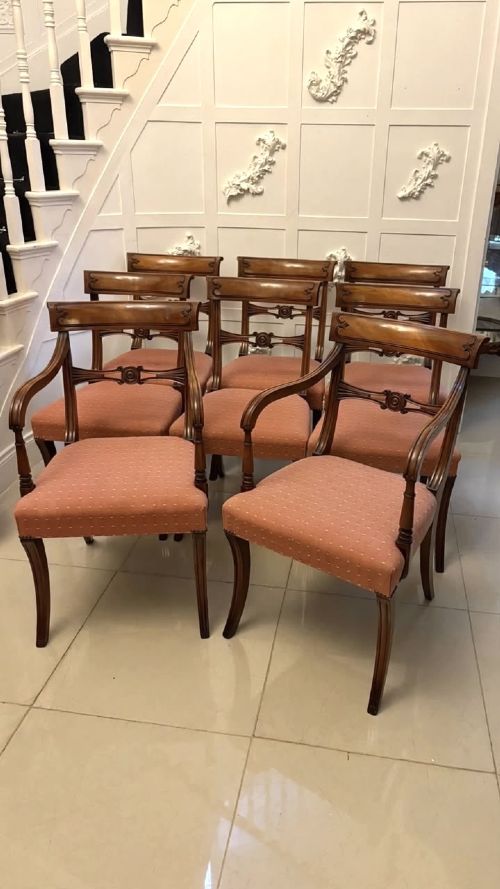
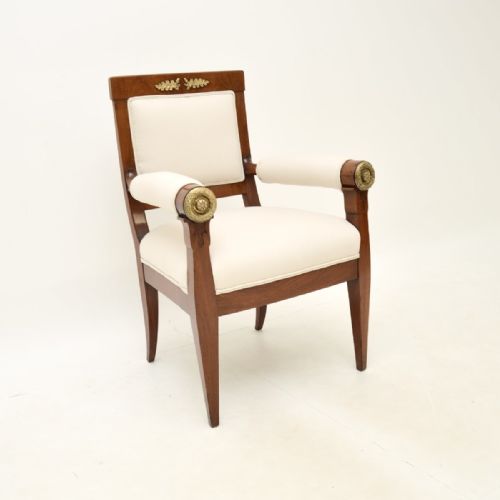
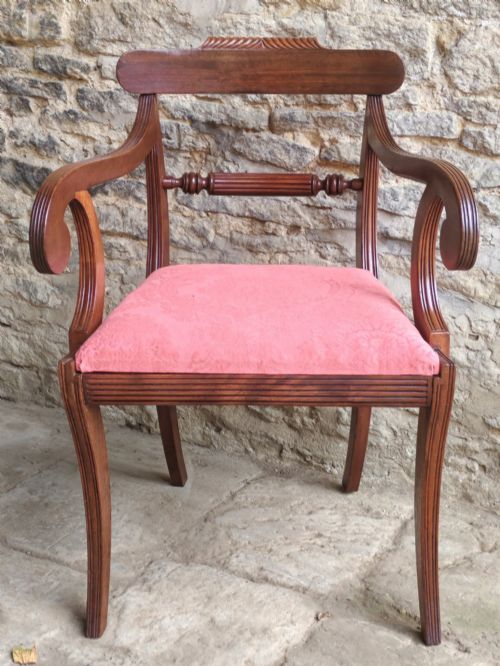
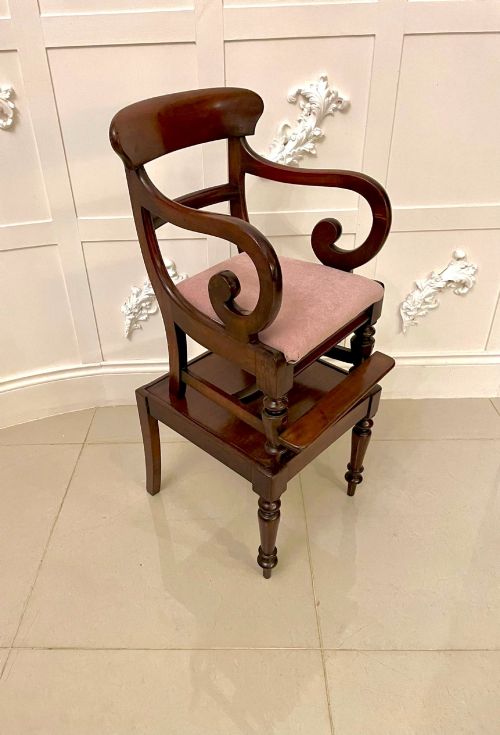
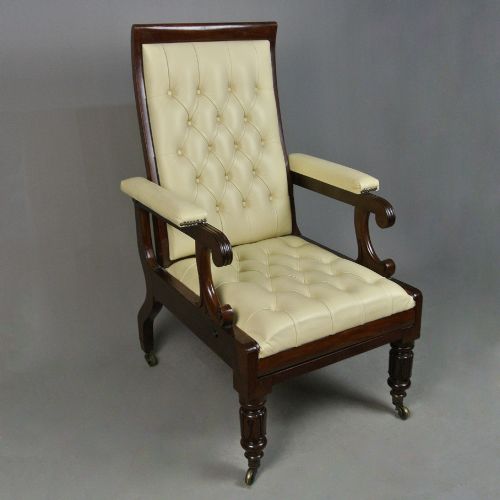
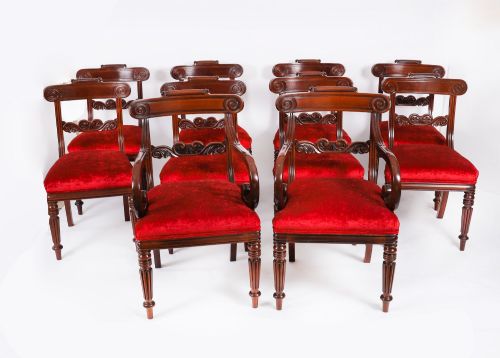
A regency wood armchair encompasses seating designs produced during the early nineteenth century alongside later revivals, focusing on forms like carver chairs, library armchairs, and desk chairs.
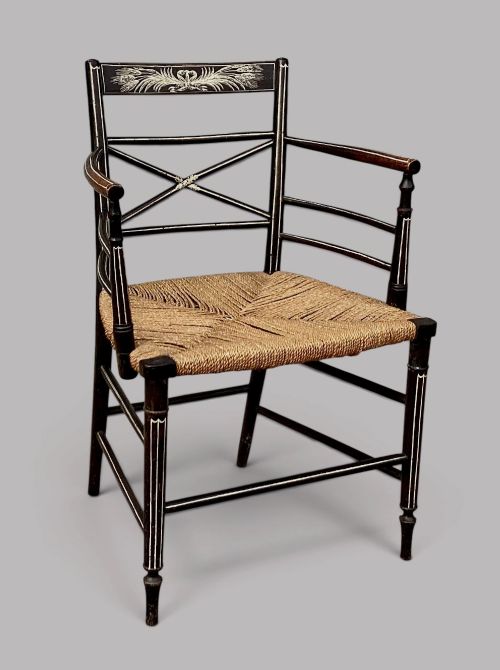
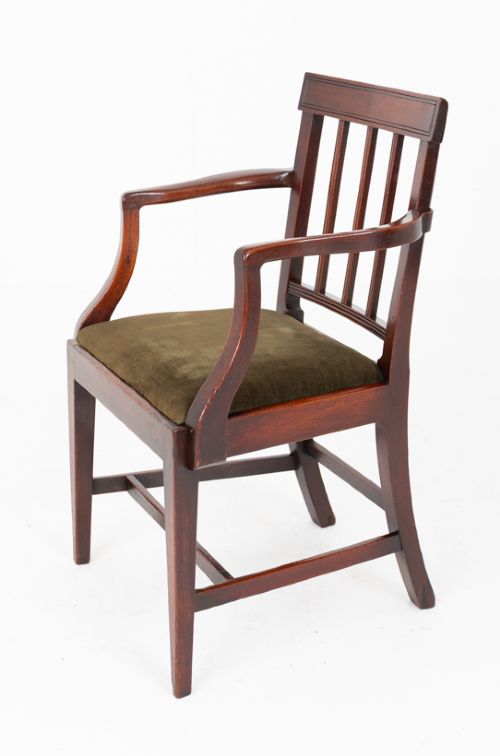
Buyers commonly encounter mahogany variants featuring scrolled arms, alongside country styles in yew, elm, and fruitwood incorporating spindle backs or solid seats.
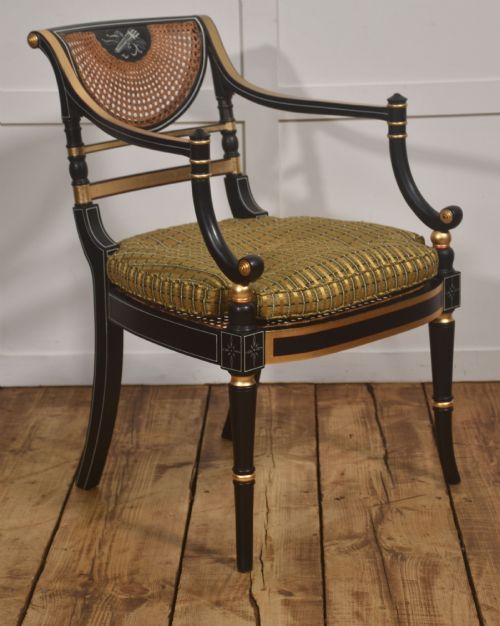
The selection ranges from formal dining carvers with rope backs or lyre motifs to low rocking chairs and specialised reclining formats.
How they were made
Constructed primarily from solid timbers like mahogany, yew, elm, and fruitwood, these seats utilise traditional joinery combined with turned or steam-bent wooden components.
Surface treatments include ebonisation, parcel-gilding, painted finishes, and satinwood inlay, while seats employ cane panels, drop-in pads, or fixed upholstery in fabric and velvet.
Regency Wood Armchair Retail Price Guide 2026
Typical asking prices for regency wood armchair among the pieces listed under this phrase on Sellingantiques today, from the lower quarter to the upper quarter. They describe what is for sale here now, not the wider market.
Listings feature mahogany, yew, elm, and fruitwood timbers across Regency, Georgian, and William IV periods.
What varies in quality
The standard of carving and timber selection differentiates standard utilitarian seating from pieces featuring flame mahogany veneers, precise brass inlays, or sculptural elements like lion monopodia.
Structural integrity depends on the retention of original framing, tight joinery, and the preservation of period surface finishes rather than later cosmetic alterations.
Thomas Hope·Daws Patent
The Regency Wood Armchair Glossary
- Carver chair
- An armchair designed to match a set of dining chairs, typically positioned at the table ends.
- Bergere
- An enclosed upholstered armchair with exposed wooden framing and cane or upholstered sides.
- Monopodia
- A carved furniture support taking the form of a single animal leg and foot, often associated with classical revival designs.
- Crinoline stretcher
- A curved under-framing rail used on Windsor chairs to connect and stabilise the legs.
- Scroll arm
- An armrest shaped into an outward or inward-curving volute, characteristic of nineteenth-century seating.
Regency Wood Armchair: Frequently Asked Questions
How do I identify a genuine period piece?
Examine the timber grain, construction joints, and wear patterns to determine age.
Compare the specific turning styles and decorative motifs against documented examples from the early nineteenth century.
Where were these armchairs placed originally?
These chairs served multiple functions in drawing rooms, libraries, dining spaces, and home offices.
Formal versions sat around dining tables or desks, while country variants provided comfortable seating in parlours.
How should I care for wood and upholstery?
Maintain stable indoor humidity levels to prevent timber shrinkage or cracking in antique frames.
Clean wooden surfaces with appropriate wax polishes and protect fabric or cane components from direct sunlight.
What is the difference between a carver and an armchair?
Carvers traditionally form part of a matched dining set with armrests designed to accommodate larger clothing.
Standard armchairs often function as standalone pieces intended for reading, reception rooms, or desk work.