
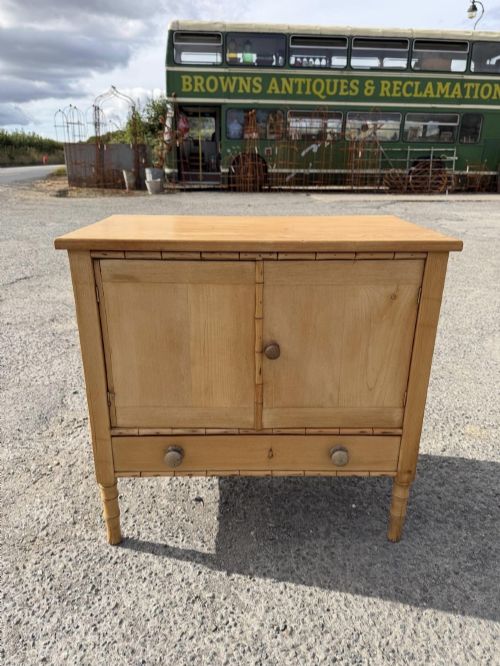
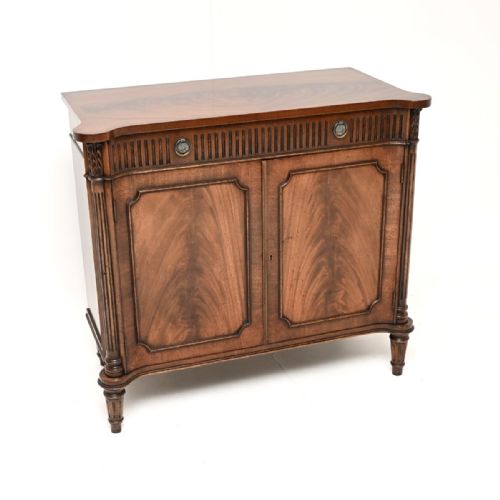
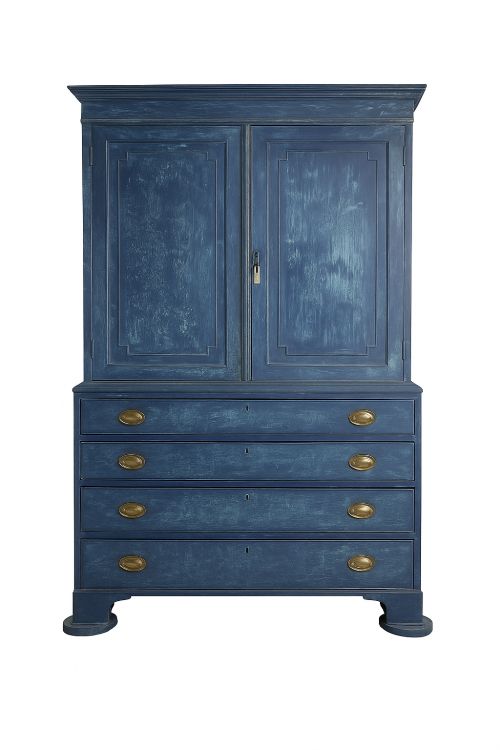
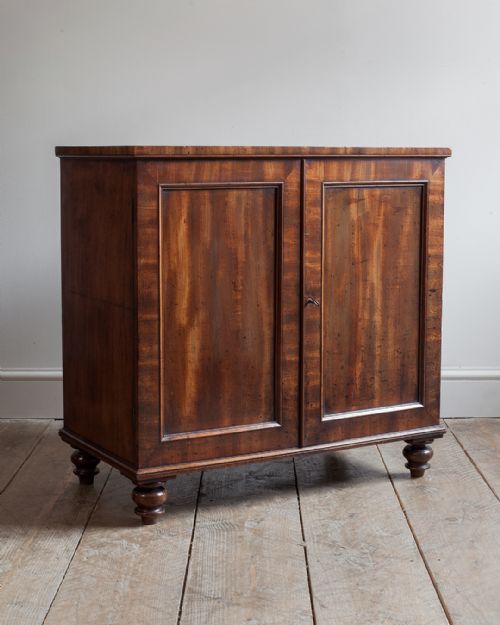
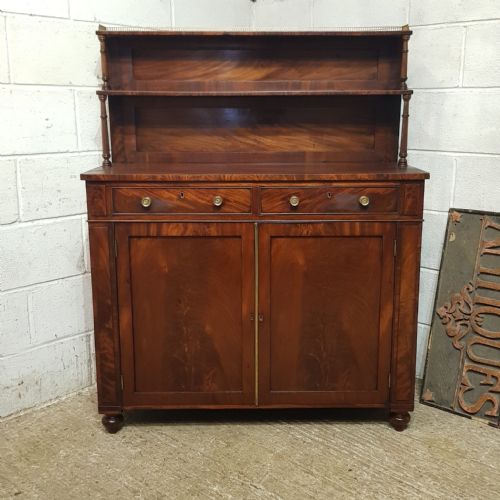
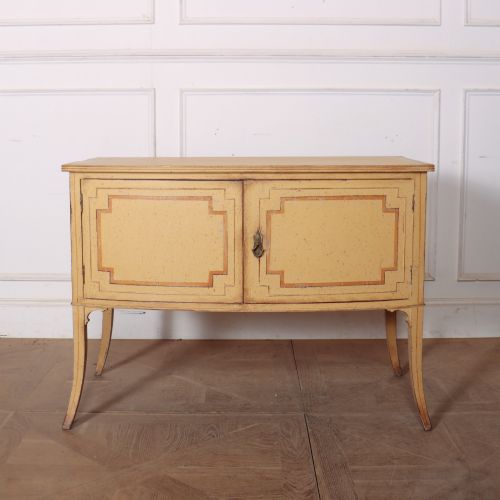
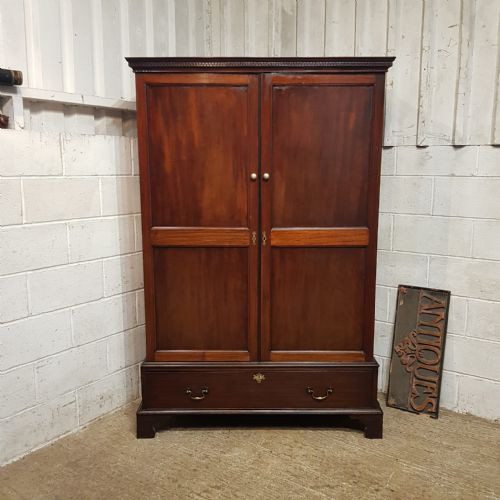

Regency Two Door Cupboard
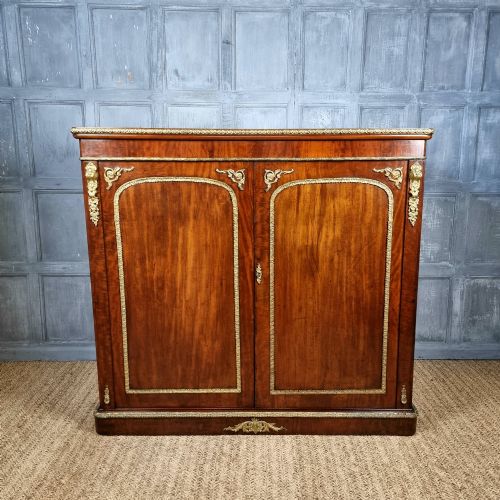
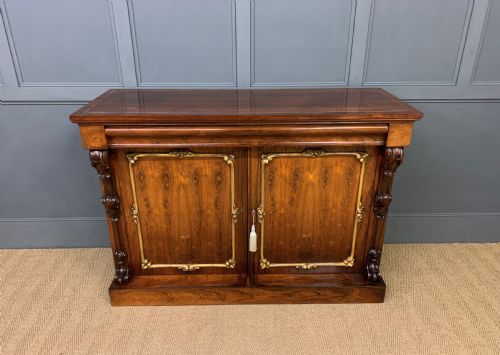
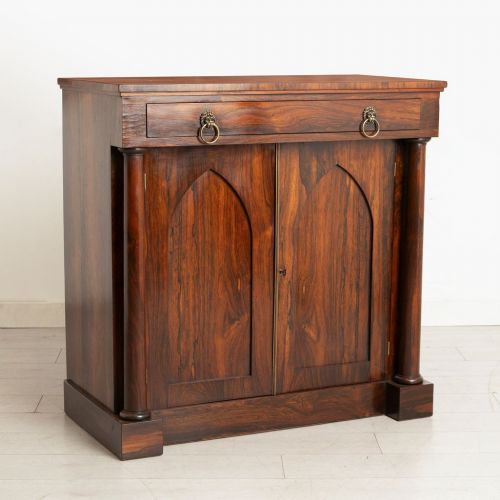
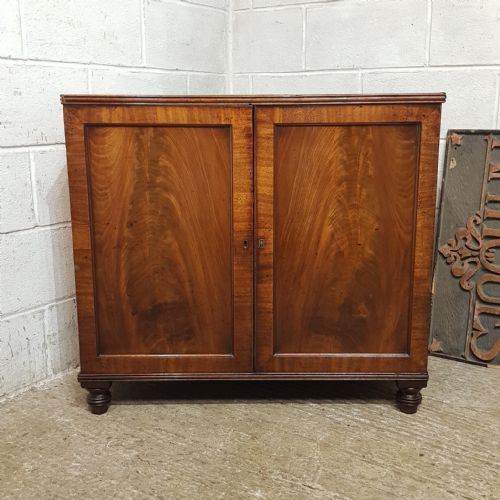
A regency two door cupboard provides enclosed storage in figured timbers, grounding a room with architectural proportion.
Regency Two Door Cupboard
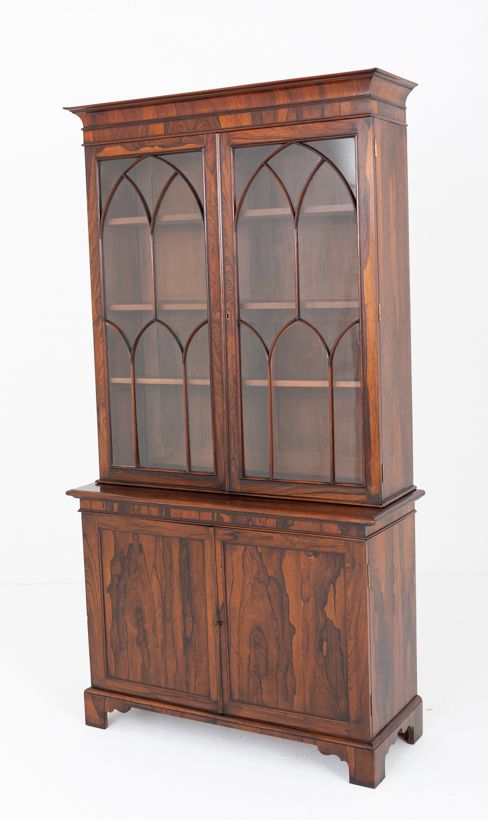
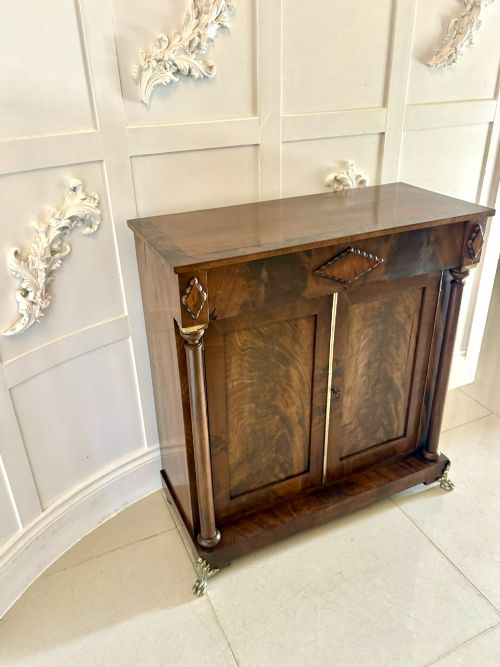
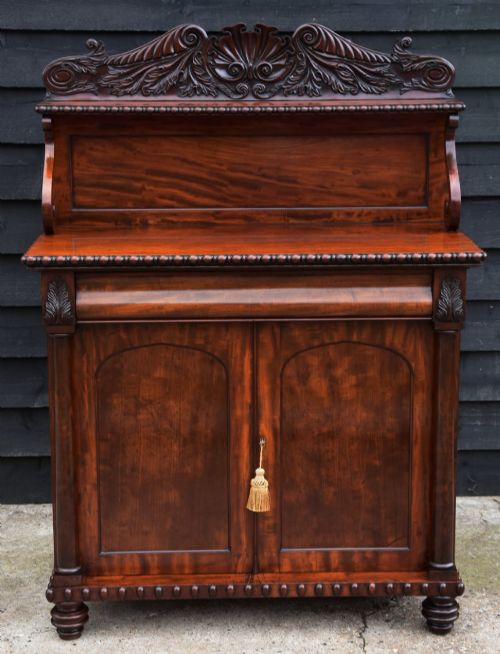
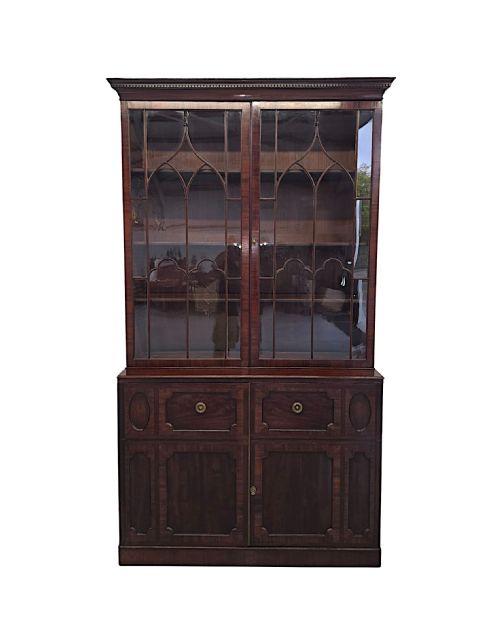
A regency two door cupboard represents a period of refined domestic furniture designed for the formal rooms of the early nineteenth century. Buyers searching for a regency two door cupboard encounter low cabinets, chiffoniers, linen presses, and bookcases featuring double doors. These pieces originate primarily from the Regency, George IV, and broader nineteenth-century periods.
The practical function involves concealing storage behind matched timber panels or glazed panes, often surmounted by a low shelf or superstructure. Mahogany and rosewood form the core of the surviving examples, occasionally enhanced by brass inlay or faux bamboo finishing. Most listings concentrate on side cabinets and chiffoniers adapted for modern living spaces.
How they were made
Cabinetmakers utilised solid native and imported timbers, applying flame mahogany and rosewood veneers to primary surfaces to create dramatic grain patterns. Carcase construction relied on sturdy secondary woods like oak and pine, joined with traditional framing techniques. Brass mounts, ormolu details, and fine brass inlay provided linear contrast against the dark polished wood.
Surface finishing involved hand-applied polish that brought out the natural depth of the timber figure without obscuring the grain. Glazed doors utilised slender wooden bars to divide the glass into geometric panes, while fitted interiors frequently incorporated adjustable shelving or sliding trays.
Listings feature woods spanning mahogany, flame mahogany veneer, rosewood, walnut, pollard oak, and painted pine.
What varies in quality
The selection of timber veneer dictates the visual impact of the piece, with symmetrical flame patterns and rich rosewood marking out superior workshops. Attention to detail in the brass inlay and the crispness of any turned or carved elements separates standard production from exceptional cabinet work.
Structural integrity depends on the stability of the carcase and the precision with which the double doors hang and lock. Original brass hardware, well-figured secondary timbers, and undisturbed patination elevate an individual cabinet above later assembled examples.
Gillows
The Regency Two Door Cupboard Glossary
- Chiffonier
- A low cabinet featuring a two-door cupboard base, frequently topped by a shelf with a mirrored or panelled back. This form evolved during the Regency period to serve dining and drawing rooms.
- Flame mahogany
- A veneer cut from the fork of the mahogany tree where the branch meets the trunk. This produces a distinctive flickering flame pattern highly prized in nineteenth-century cabinet work.
- Linen press
- A tall piece of furniture comprising an upper wardrobe section with sliding trays and a lower two-door cupboard base with drawers. These tall storage units dominated bedrooms before fitted closets.
- Ormolu
- Gilded bronze mounts applied to furniture for decorative accent during the Regency and George IV periods. The technique involves mercury gilding to achieve a bright metallic finish.
Regency Two Door Cupboard: Frequently Asked Questions
How were these cupboards used?
These cabinets served primarily to store table linen, books, and household silver in formal rooms. They kept domestic items out of sight while providing a flat surface on top for display.
In dining settings, low versions functioned as sideboards to hold serving dishes and glassware during meals. Bedroom variants housed folded garments within internal sliding trays.
Where should I place one?
A low cabinet fits naturally beneath a wall mirror or painting in a living room or hallway. The top surface provides an ideal spot for lamps and decorative objects.
In a dining room, these pieces offer practical storage for tableware while adding period character to the space. Their shallow depth allows them to sit comfortably in narrow corridors.
How do I spot Regency style?
Regency furniture draws inspiration from classical Greek, Roman, and Egyptian architecture, favouring clean lines and restrained proportions. Surface ornament relies on contrasting timber grains rather than heavy carving.
Details such as brass stringing, sabre legs, and columnar uprights help identify pieces from this specific design era. The overall aesthetic feels architectural and balanced.