



Regency Tall Cupboard
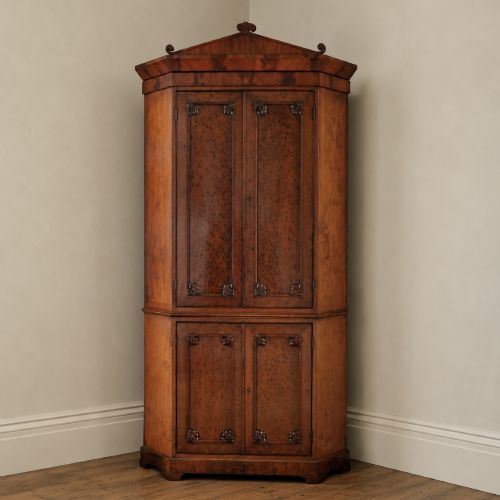
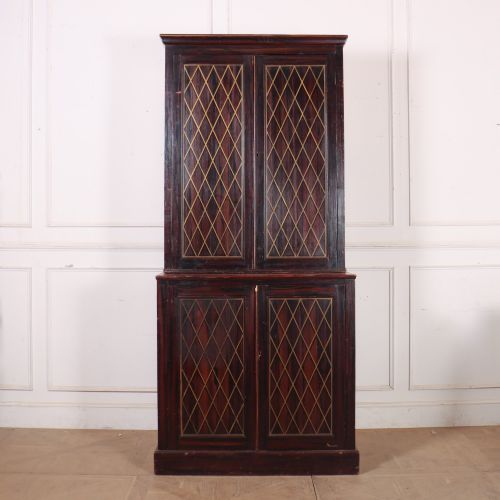
A regency tall cupboard provides commanding vertical storage, combining architectural presence with fine timbers.
Regency Tall Cupboard
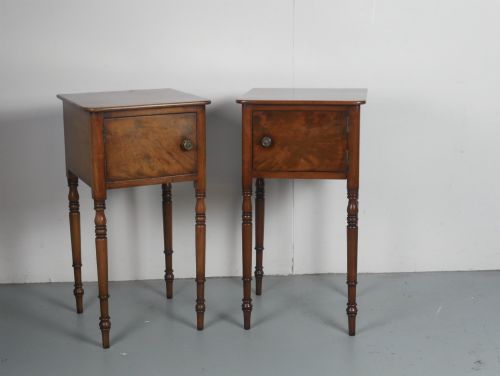
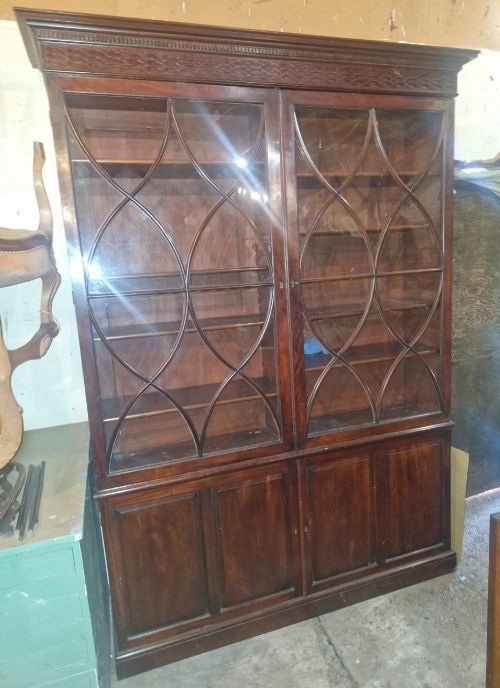
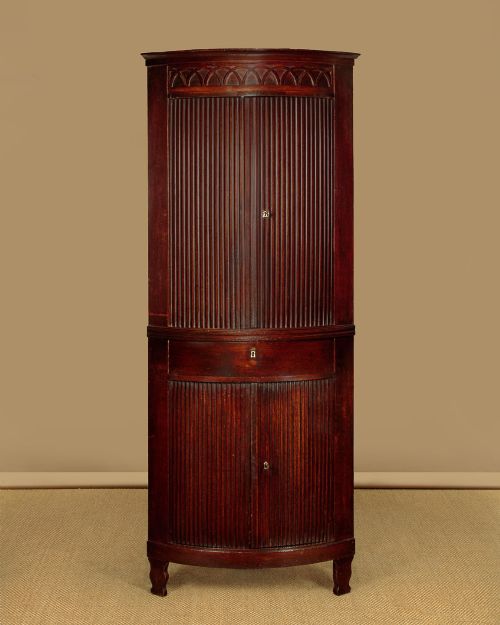
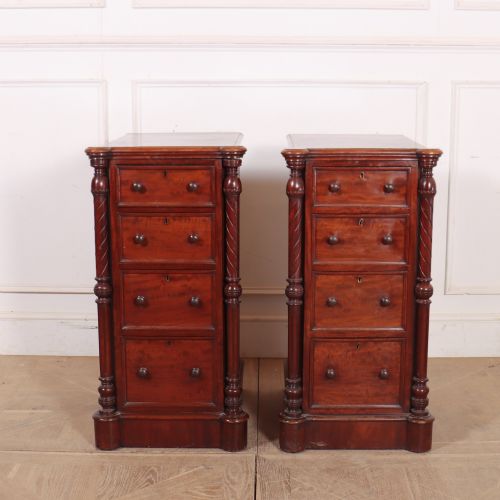
When you search for a regency tall cupboard, you encounter vertical storage forms that dominate a wall while offering practical enclosure. The evidence shows these pieces span corner cupboards, display cabinets, bookcases, and side cabinets originating from the nineteenth century.
You are most likely to meet mahogany examples on this page, often built as double height corner units or architectural cabinets. The selection includes specific regional timbers such as plum pudding mahogany and gonçalo-alvez alongside painted pine versions.
How they were made
Cabinet makers utilised dense hardwoods like mahogany and rosewood, frequently incorporating wood inlay to accent the vertical lines. Brass hardware provides functional closure and structural contrast against the dark grains of the timber.
Glazing appears on bookcase and display doors, while secondary woods such as pine feature in the internal carcases and backboards. Surface finishing relies on hand-rubbed polishes that highlight the figuration of plum pudding mahogany and gonçalo-alvez.
Regency Tall Cupboard Retail Price Guide 2026
Typical asking prices for regency tall cupboard among the pieces listed under this phrase on Sellingantiques today, from the lower quarter to the upper quarter. They describe what is for sale here now, not the wider market.
Listings feature nineteenth-century furniture constructed from mahogany, rosewood, gonçalo-alvez, and pine, spanning corner cupboards, bookcases, and pedestals.
What varies in quality
The degree of refinement in the timber selection determines the visual impact of the piece, particularly where highly figured plum pudding mahogany or exotic rosewood is deployed. Grain matching across panel doors and drawer fronts separates standard utility furniture from high-status commissions.
The sophistication of the joinery and detailing, such as fine wood inlay or neoclassical pediments, dictates the tier of craftsmanship. Integrated original elements like keys and brass fittings retain the integrity of the design.
The Regency Tall Cupboard Glossary
- Gonçalo-alvez
- A heavily figured exotic hardwood with contrasting dark brown and light amber stripes, often utilised in high-end Regency cabinetry for decorative impact.
- Double height corner cupboard
- A tall storage unit designed to fit into a room angle, featuring upper and lower cabinet sections stacked vertically to maximise vertical space.
- Pot cupboard
- A small bedside or freestanding cabinet originally designed to house a chamber pot, typically featuring a single door enclosing a shelf.
- Cellarette
- A fitted storage compartment or chest within a larger piece of furniture, historically used for securing wine bottles and decanters.
Regency Tall Cupboard: Frequently Asked Questions
Where should I place a tall cupboard?
These vertical pieces suit corners or empty wall expanses where horizontal furniture leaves dead space. Their height draws the eye upward, making them functional anchors for sitting rooms and libraries.
Ensure the chosen wall can accommodate the specific depth and height of the cabinet, particularly with double height corner units that require precise spatial clearance.
How do I identify Regency style?
Regency design draws heavily on neoclassical architecture, featuring clean lines, restrained classical ornament, and dark exotic woods. Look for symmetrical forms and architectural motifs such as columns and pediments.
Proportions remain balanced and elegant, avoiding the heavier ornamentation found in later Victorian iterations.
What timbers were commonly used?
Mahogany forms the majority of the structural evidence, supplemented by rosewood, gonçalo-alvez, and pine. Cabinet makers selected these dense hardwoods for their durability and capacity to take a high polish.
Secondary woods like pine appear in hidden structural areas such as drawer linings and carcase backs.
How do I care for antique wood?
Keep wooden cabinets away from direct heat sources and strong sunlight to prevent the timbers from drying out or fading. Regular dusting with a soft, dry cloth preserves the hand-polished finish.
A light application of traditional beeswax feeds the grain without building up a sticky residue on the surface.