






Regency Plinth Stand
A regency plinth stand offers a striking way to elevate sculpture or display decorative objects.
Regency Plinth Stand
A regency plinth stand brings architectural presence into a room, serving as a sturdy support for display.
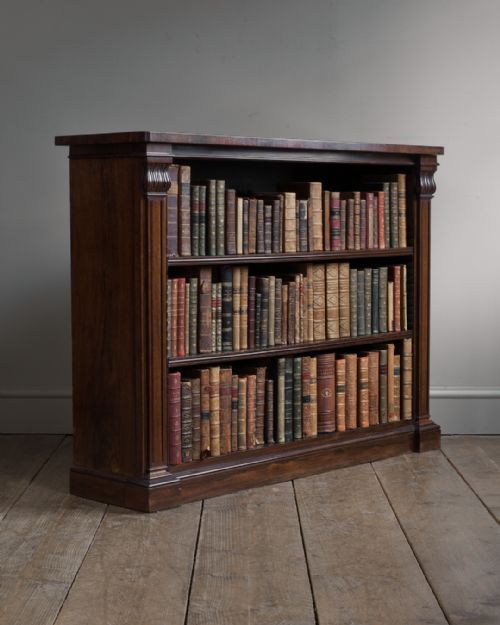
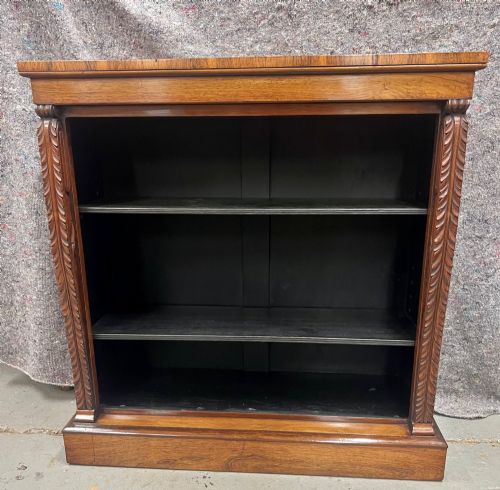
The listings here show forms ranging from open bookcases and columnar pedestals to hexagonal cabinets and sculpture stands.
These pieces cross several periods, predominantly drawing on Regency, 19th Century, and Victorian interpretations of neoclassical design.
Materials and construction
Cabinet makers utilised dense timbers such as mahogany and rosewood, often pairing them with brass or cast iron details.
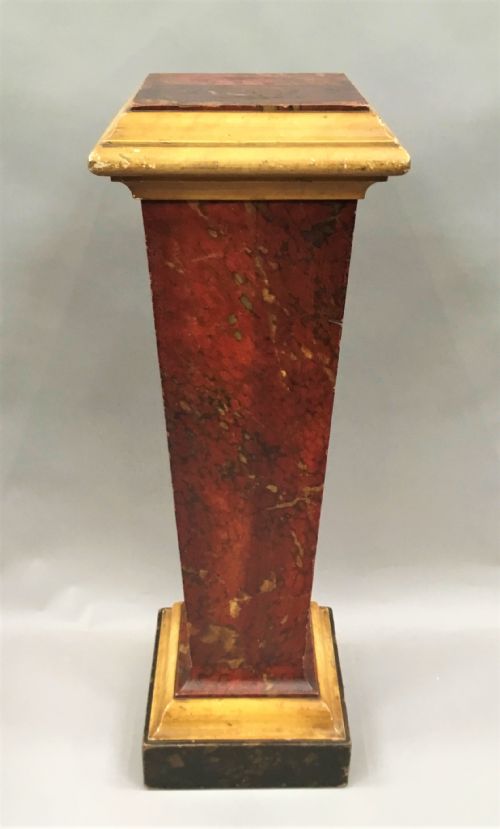
Painted finishes and faux marble treatments were frequently applied to pine and timber to mimic expensive stone or rarer woods.
Regency Plinth Stand Retail Price Guide 2026
Typical asking prices for regency plinth stand among the pieces listed under this phrase on Sellingantiques today, from the lower quarter to the upper quarter. They describe what is for sale here now, not the wider market.
Materials across the selection include solid mahogany, rosewood, cast iron, and grain painted pine.
Judging quality
The distinction between standard examples and superior pieces rests on the handling of surface finishes, such as original faux marble paintwork.
Structural refinement also defines the better items, seen in sophisticated neoclassical proportions and the choice of solid mahogany or figured rosewood.
The Regency Plinth Stand Glossary
- Plinth
- The heavy base supporting a column, statue, or pedestal. It provides stability and visual weight to the display structure.
- Neoclassical
- A style reviving classical Roman and Greek motifs. It appears here in the strict symmetry and column forms.
- Ebonised
- Wood finished to resemble ebony through staining or painting. This technique creates a dark, high-contrast surface.
- Faux marble
- A painted surface finish designed to imitate real stone. Skilled artisans used this to achieve a luxurious look on timber.
Regency Plinth Stand: Frequently Asked Questions
What is a regency plinth stand used for?
These pieces were built to display sculptures, urns, and decorative objects at eye level.
They function as independent focal points in a room, raising art pieces to command attention.
How do I identify a neoclassical design?
Neoclassical pieces draw inspiration from classical Greek and Roman architecture.
Look for clean lines, column structures, and architectural motifs like acanthus leaves.
Are these stands made of solid wood?
The materials vary between solid timbers and painted pine constructions.
Mahogany and rosewood appear in solid forms, while grain painted pine achieves specific decorative finishes.
How do faux marble finishes differ?
Some stands retain their original painted faux marble surfaces from the nineteenth century.
Others feature simpler painted timber finishes designed to mimic stone or costly materials.