






Regency Style Dressing Glass
These regency style dressing glass pieces bring classic nineteenth-century elegance to a room, offering both practical reflection and traditional craftsmanship.
Regency Style Dressing Glass
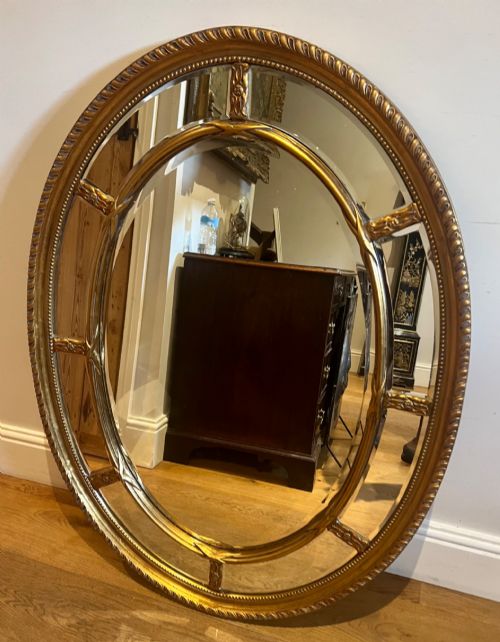
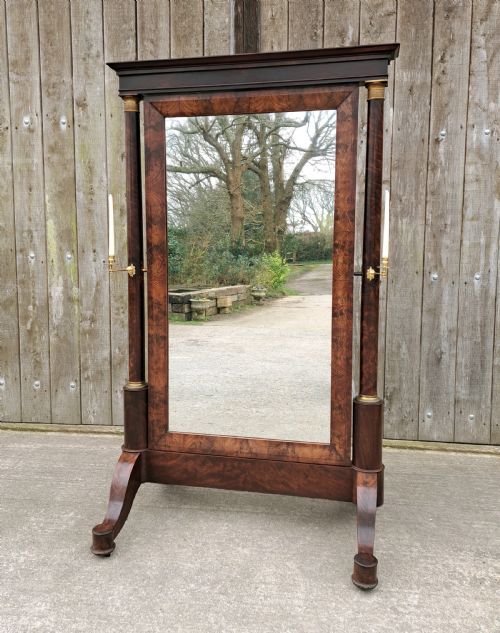
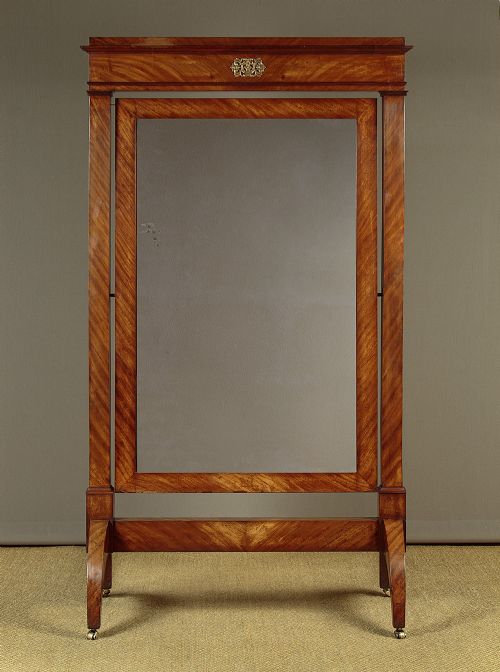
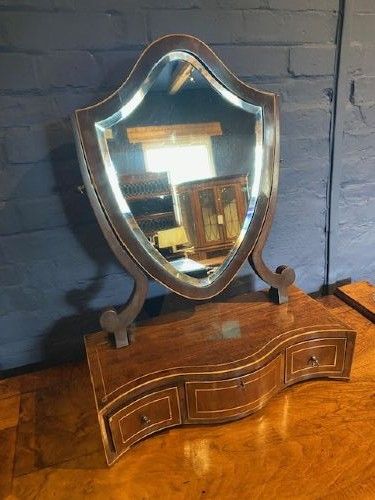
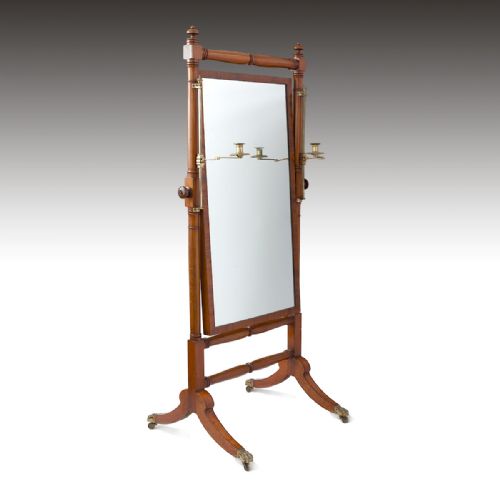
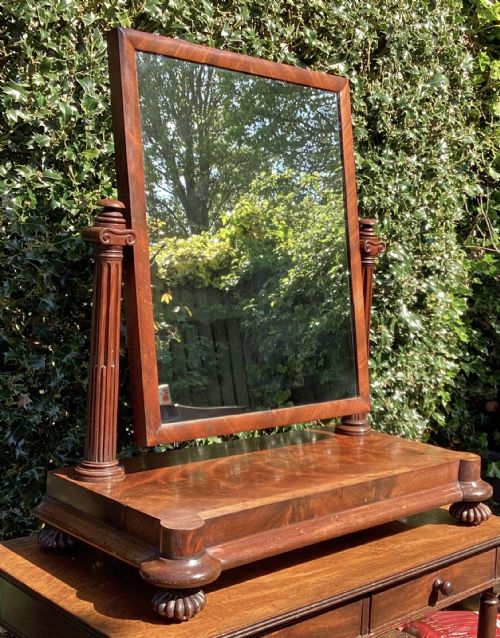
When you search for a regency style dressing glass, you encounter a variety of mirror forms designed for grooming and interior adornment. The selection ranges from compact toilet mirrors meant for tabletops to substantial cheval mirrors that stand independently on the floor.
Most examples on this page date from the nineteenth century, including pieces from the Regency period, Georgian eras, and later Victorian revivals. Makers constructed them using rich timbers like mahogany, often enhanced with satinwood, boxwood, and giltwood details.
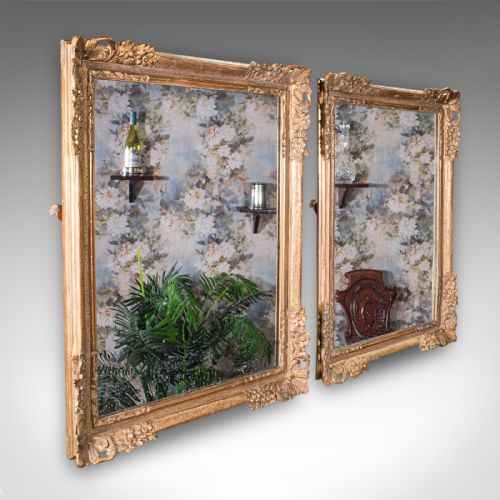
Object types span wall mirrors, swing mirrors, and dressing mirrors alongside grand cheval designs. These furnishings reflect neoclassical influences and Sheraton styles, originating from English workshops.
How they were made
Craftsmen built these mirrors using solid timber frames, frequently selecting mahogany as the primary wood. Cabinetmakers applied decorative inlays of satinwood and boxwood to add contrast and visual depth to the wood surfaces.
Giltwood and composition materials appear on decorative frames, providing ornate surface ornamentation. Original mirror glass sits within adjustable swinging frames or fixed wall mounts, supported by brass hardware.
Regency Style Dressing Glass Retail Price Guide 2026
Typical asking prices for regency style dressing glass among the pieces listed under this phrase on Sellingantiques today, from the lower quarter to the upper quarter. They describe what is for sale here now, not the wider market.
Some larger cheval mirrors come with subtle traces of Valet use, reminding us of gentlemen getting ready for evening balls.
What varies in quality
The sophistication of the timber selection and the precision of the inlay work distinguish finer examples from simpler pieces. Finer mirrors display meticulous attention to detail in the turning of upright supports and the execution of neoclassical motifs.
The quality of the original mirror glass and the robustness of the brass adjustment mechanisms also influence the overall standard. Superior pieces exhibit balanced proportions and integrated design elements across both table-top toilet mirrors and large cheval glasses.
Gillow·Gillows
The Regency Style Dressing Glass Glossary
- Cheval mirror
- A large standing mirror mounted on a frame that permits it to swing. This freestanding form allows a full-length view.
- Toilet mirror
- A smaller glass designed to stand upon a dressing table or chest. These often feature small drawers incorporated into the base.
- Giltwood
- Wood that has been coated with gold leaf or a gilt finish. This technique creates a brilliant, reflective surface popular in neoclassical design.
- Inlay
- A decorative technique where contrasting materials are inserted into recessed portions of the base wood. Satinwood and boxwood frequently serve this purpose in mahogany frames.
Regency Style Dressing Glass: Frequently Asked Questions
What is a dressing glass?
A dressing glass is a traditional term for a mirror used while grooming or dressing. These pieces are typically designed to sit upon a table or stand freely on the floor.
They have been used in bedrooms and dressing rooms for centuries to provide adjustable reflection.
How do I use a cheval mirror?
A cheval mirror stands independently on the floor, supported by a frame with pivots that let the glass tilt. You adjust the angle of the mirror plate to check your full attire.
Position it in a bedroom or dressing area with good ambient light for the best practical use.
Are these mirrors adjustable?
Many of the swing and cheval mirrors feature pivot mechanisms that allow the glass to tilt. This adjustability helps direct the reflection as needed.
Table-top toilet mirrors rely on side screws or pins to hold the glass at the desired angle.
How do I date a dressing mirror?
Dating relies on examining the timber, construction methods, and hardware styles. Pieces from the Regency and Georgian periods often feature specific wood choices like mahogany and distinct inlay patterns.
Looking at the backboards, fixings, and the characteristics of the mirror glass itself helps determine the era of manufacture.