

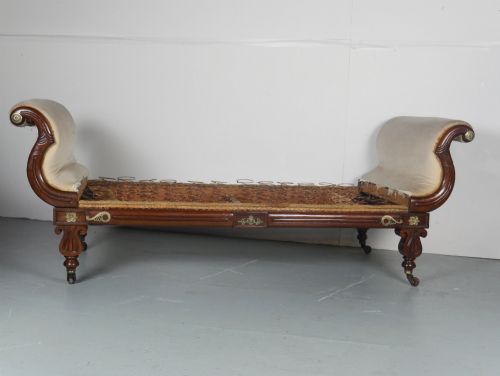
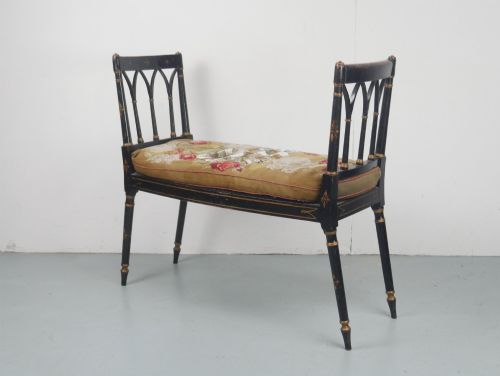


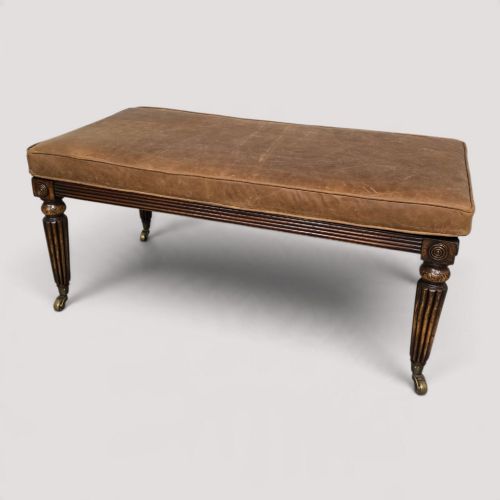

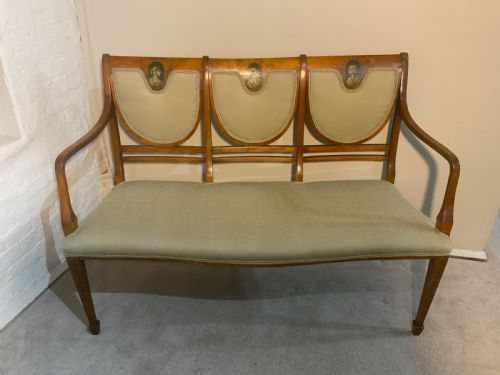


Regency Style Bench
These regency style bench pieces bring classical proportion and refined seating into modern interiors through enduring historical revival forms.
Regency Style Bench
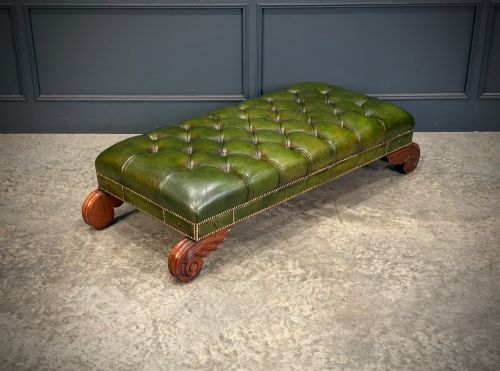
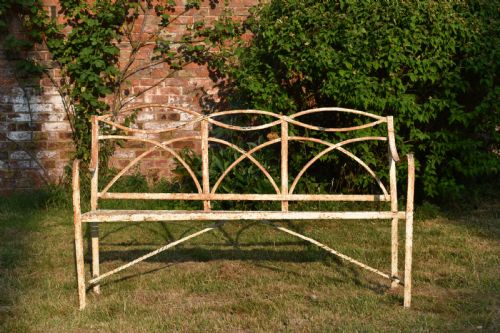
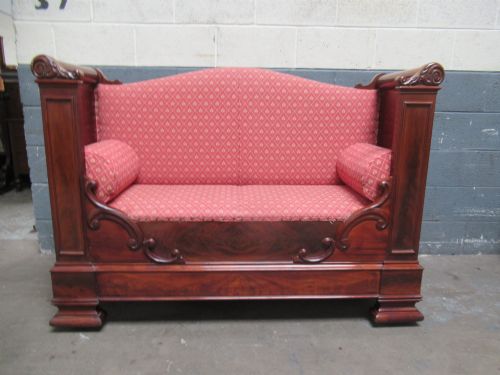
A regency style bench unites classical architectural lines with practical seating forms, drawing on centuries of design evolution. When looking for a regency style bench, buyers encounter diverse iterations ranging from long nineteenth-century mahogany stools to iron garden seating and walnut window seats.
The selection encompasses interior upholstered ottomans, open-framed window seats, and exterior painted metal or slatted wooden forms. Pieces span the nineteenth century, nineteen-hundred, and nineteen-thirty revival periods, reflecting both formal indoor placement and garden use.
Makers and manufacturers adopted Regency, Grand Regency, Louis XVI, and William IV stylistic vocabularies to create these long benches, stools, and hall seats. The resulting inventory provides structured seating suited to hallways, drawing rooms, and garden terraces.
Materials and construction methods
Craftsmen utilised sturdy hardwoods including mahogany, walnut, and oak to construct the primary frames of interior seating. Timber elements frequently feature carved details and fluted legs that emulate earlier classical precedents.
Surface detailing incorporates brass accents, giltwood highlights, and iron strapwork, particularly on garden variants and decorative interior pieces. Upholstery fabric, leather, and cane provide the functional seating surfaces supported by wooden or metal frameworks.
Regency Style Bench Retail Price Guide 2026
Typical asking prices for regency style bench among the pieces listed under this phrase on Sellingantiques today, from the lower quarter to the upper quarter. They describe what is for sale here now, not the wider market.
Some white painted metal garden benches manage to look simultaneously stately and ready for a quiet cup of tea.
Distinctions in craftsmanship and design
Quality reveals itself in the fidelity of the carved wooden ornament and the precision of the joinery within the mahogany and walnut frames. Superior examples display carefully balanced proportions, crisp fluting on the legs, and integrated brass hardware that complements the primary timber.
The choice of covering material, whether leather, cane, or bespoke upholstery fabric, dictates the tactile and visual richness of the finished piece. Finer versions maintain structural integrity alongside sophisticated stylistic references, distinguishing grand interior forms from simpler utility seating.
The Regency Style Bench Glossary
- Mahogany
- A durable tropical hardwood prized for its reddish-brown colour and fine grain, frequently utilised in nineteenth-century framing. It takes a high polish and allows for intricate carving.
- Cane
- Woven rattan material used to create resilient, breathable panels for seats and backs. This technique adds textural lightness to wooden furniture frames.
- Giltwood
- Timber treated with gold leaf or metallic paint to simulate solid gold enrichment. It highlights classical carved details on decorative frames.
- Ottoman
- A low, upholstered seat without a back or arms, often built in long proportions for versatile placement. These forms function as footstools or extended seating benches.
- Strapwork
- Ornamental flat bands of metal or wood arranged in geometric patterns. Iron strapwork provides structural reinforcement and visual rhythm on garden benches.
Regency Style Bench: Frequently Asked Questions
Where should I place a window seat?
Window seats suit entryways, hallways, and bedroom bay windows where linear seating fits architectural proportions.
These narrow forms provide convenient spots for resting without obstructing room flow.
How do I identify a mahogany frame?
Mahogany displays a deep reddish-brown tone and a dense, straight grain that accepts smooth surface polishing.
Craftsmen selected this hardwood for its strength in supporting long bench structures.
Can these benches go outdoors?
Specific variants constructed from iron strapwork, painted metal, and wooden slats were designed for garden environments.
Interior models utilising polished mahogany, walnut, and delicate upholstery require indoor placement.
What defines William IV style?
William IV furniture bridges late Regency heaviness and early Victorian exuberance through robust carved elements.
Pieces from this period emphasise substantial timber frames and pronounced classical motifs.