


Antique Cane Furniture
Antique cane furniture brings lightness and texture to a room, combining woven natural materials with traditional timber frames across Victorian and Regency designs.
Antique Cane Furniture
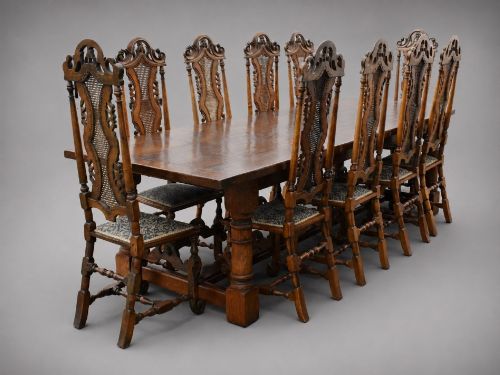
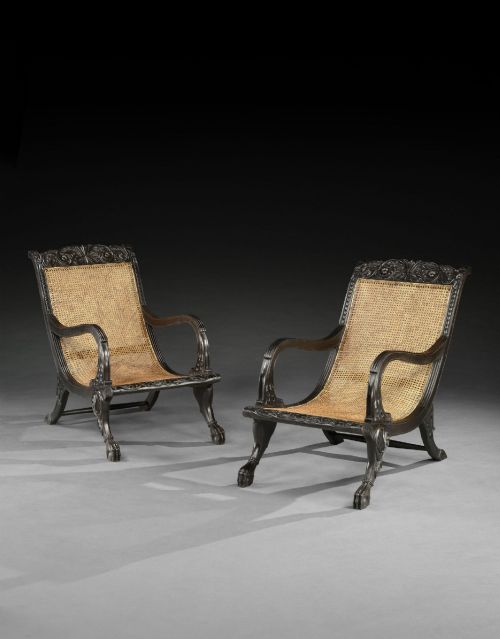
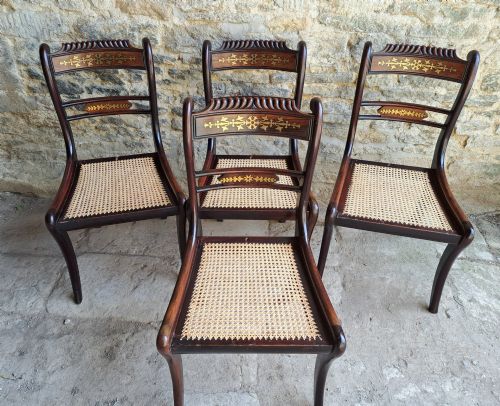
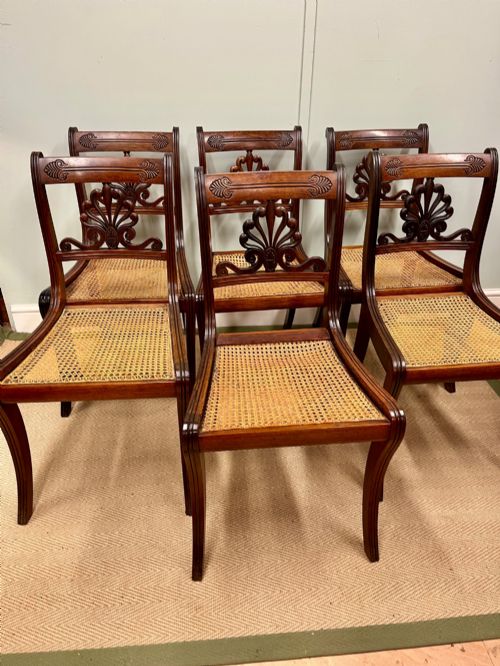
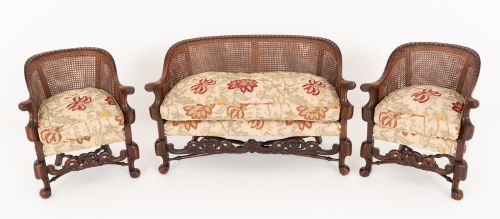
When you search for antique cane furniture, you encounter seating and occasional pieces that integrate woven plant material into their construction. The pieces on this page span the Regency, Victorian, and Edwardian periods, demonstrating how woven panels lightened the visual weight of heavy timbers.
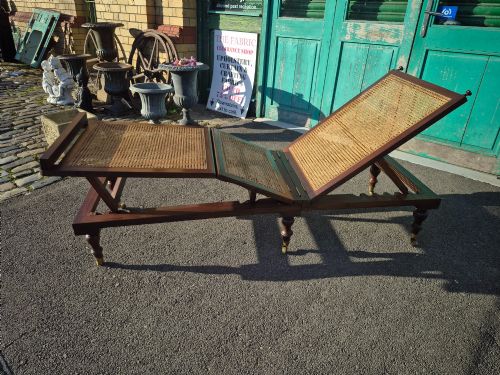
Armchairs, bergères, and daybeds form the core of the seating selection. These items often pair woven cane seats and backs with mahogany, oak, or exotic hardwoods such as ebony.
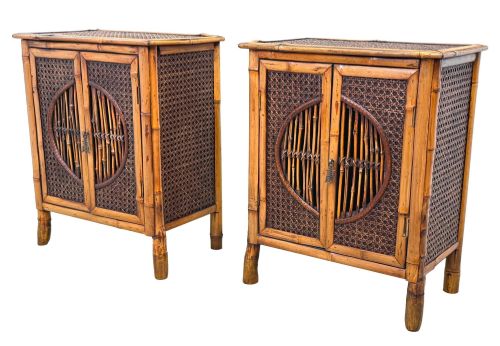
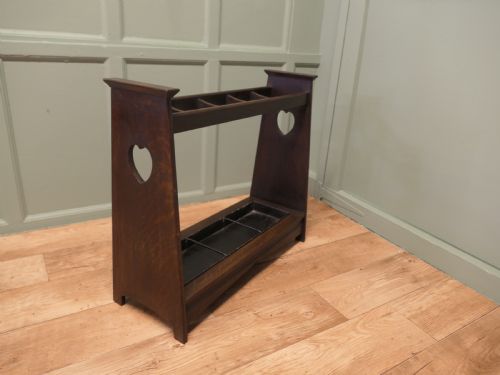
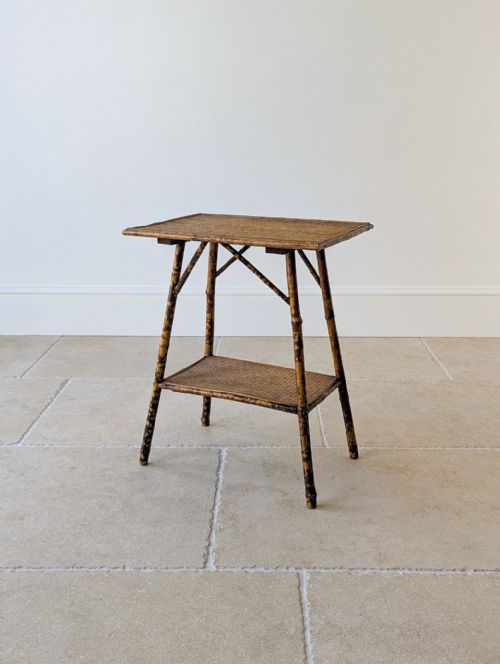
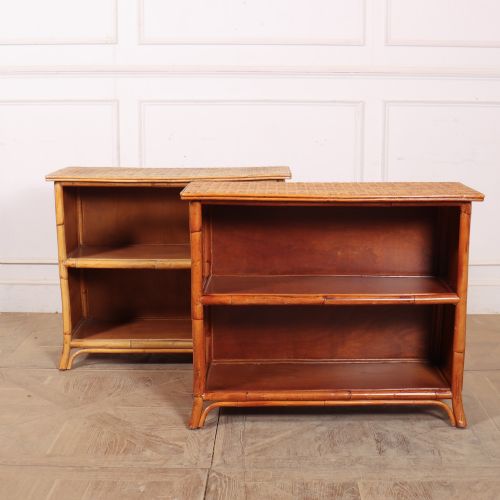
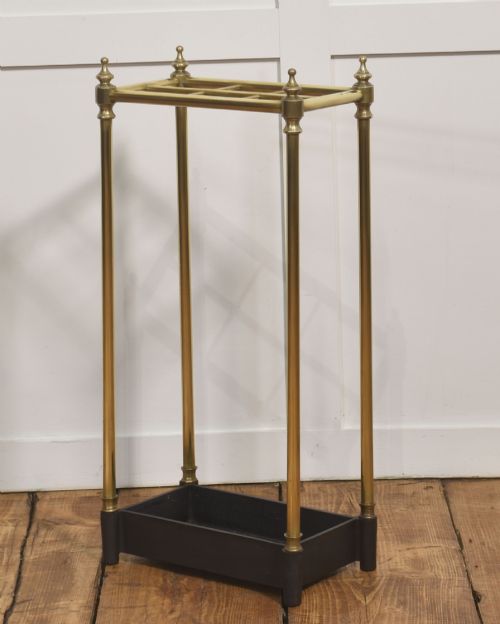
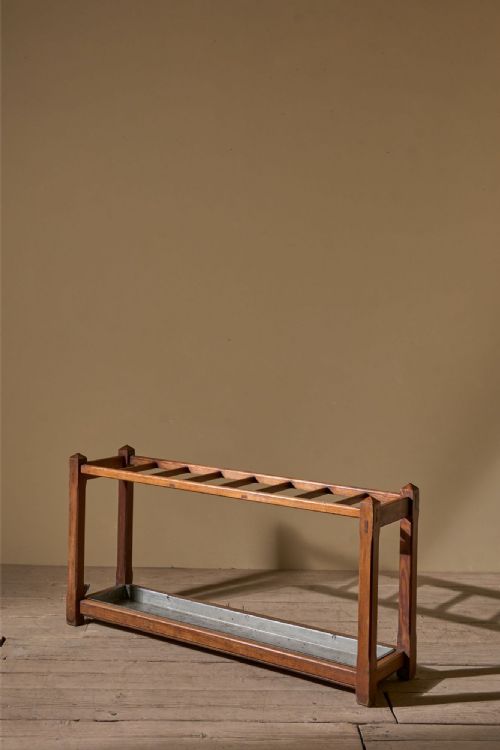
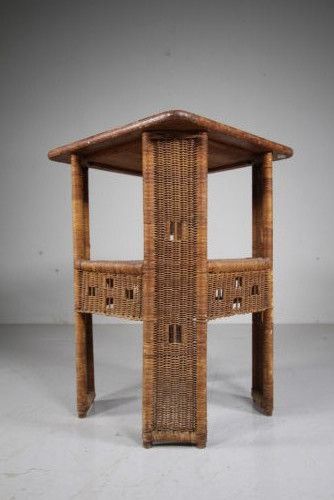
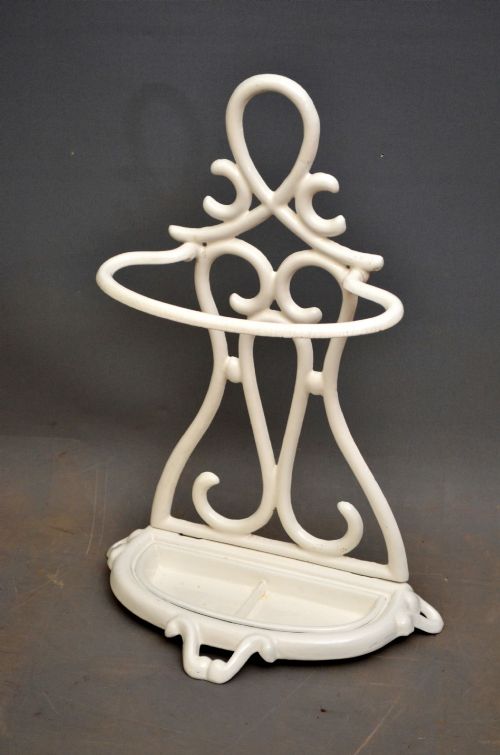
Beyond seating, the category includes occasional tables and umbrella stands utilising bamboo and wicker elements. These diverse forms reflect both formal drawing-room aesthetics and lighter, exotic influences from the nineteenth century.
Materials and construction methods
Craftsmen built sturdy frames using traditional hardwoods like mahogany, oak, and walnut, alongside imported materials such as bamboo and padouk. These structural elements provide the necessary tension to support the woven panels without warping.
The woven cane panels require skilled hand-caning techniques, threading split rattan through pre-drilled holes in the wooden frames. This method creates a flexible yet resilient surface that responds to the sitter's weight while allowing air circulation.
Materials span traditional oak and mahogany alongside bamboo, cast iron, and solid ebony.
Factors that distinguish quality
The precision of the woodwork and the tightness of the weave determine the standard of a piece. Finer examples feature intricate hand-carved details on the wooden frame and perfectly uniform cane patterns without loose strands.
Originality of the woven panels remains a primary consideration. Pieces that retain their historic cane work display greater authenticity than those with modern machine-woven replacements, though skillful historical repairs still maintain integrity.
Dryad of Leicester·Heals of London
The Antique Cane Furniture Glossary
- Bergère
- An enclosed upholstered armchair with a wooden frame and cane sides and back. This French form gained popularity in England during the Regency period.
- Cane
- The split outer bark of the rattan palm, used for flexible weaving. It provides durable and resilient panels for chairs and daybeds.
- Bamboo
- A woody grass utilised extensively during the Victorian and Aesthetic Movement periods for light furniture frames. It brings an exotic character to tables and stands.
- Padouk
- A dense tropical timber valued for its rich reddish-brown colour and durability. Makers of Anglo-Indian furniture utilised this wood for intricately carved armchairs.
- Ebonised
- Wood treated with a dark finish to imitate ebony. This technique appeared frequently on nineteenth-century seating and daybeds.
Antique Cane Furniture: Frequently Asked Questions
How do I care for antique cane?
Keep woven panels hydrated by wiping them gently with a damp cloth occasionally to prevent the natural material from becoming brittle. Avoid placing pieces near direct heat sources.
Support the woven surfaces by using cushions on older chairs to distribute weight evenly and prevent sagging.
Can broken cane be repaired?
Skilled restorers can re-weave damaged sections using traditional hand-caning techniques that match the original pattern. This preserves the historical integrity of the piece.
Partial repairs blend new rattan with surviving historical cane, maintaining the authentic appearance of the item.
What periods do these pieces span?
The selection encompasses items from the seventeenth century through to the early twentieth century. Victorian and Edwardian examples appear frequently alongside Regency designs.
Exotic influences from Anglo-Indian workshops also feature prominently among the nineteenth-century listings.
Where were these items placed?
Armchairs and bergères sat in drawing rooms and libraries, while umbrella stands occupied hallways and entryways. Lighter bamboo items suited conservatories and morning rooms.
Daybeds provided versatile lounging options in various domestic spaces throughout the Victorian home.