




Regency Straight Front
Regency straight front furniture brings timeless architectural form and rich timber grains into the room, offering practical storage with understated elegance.
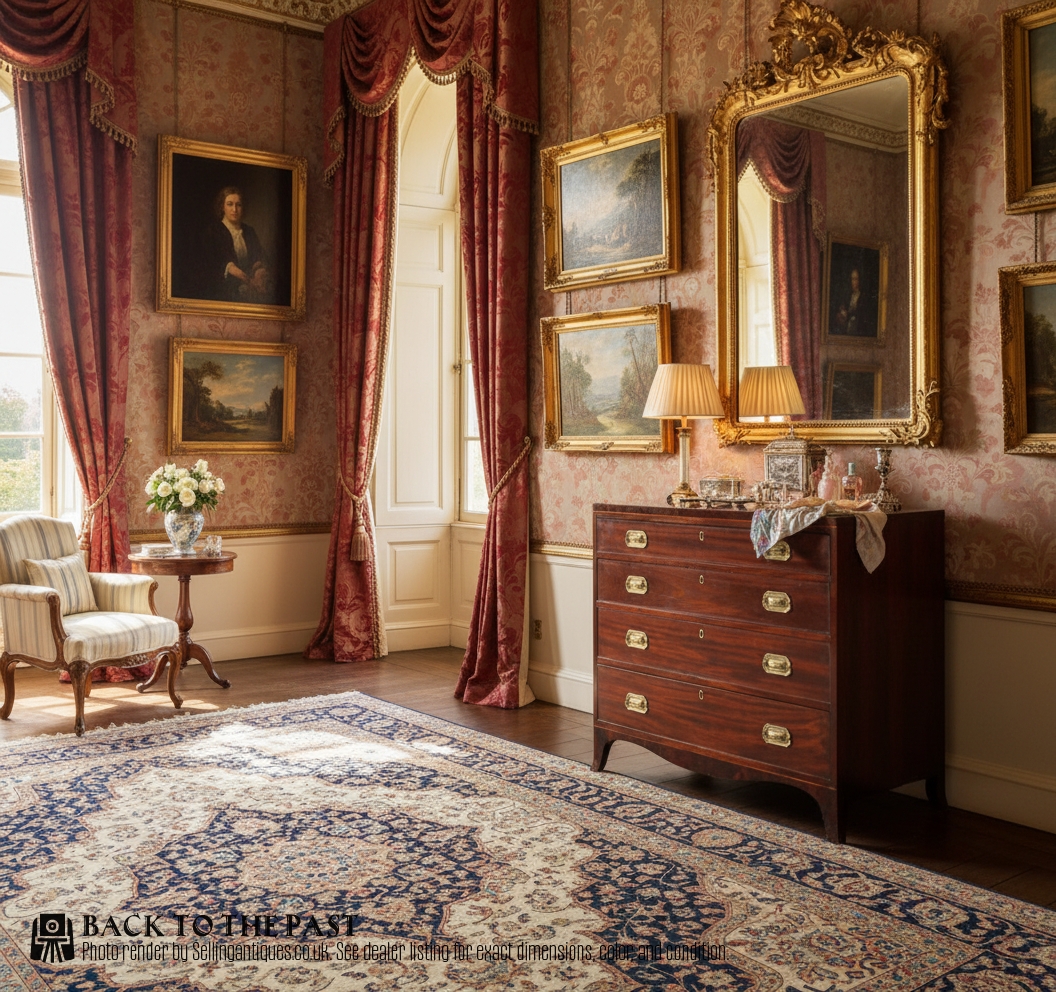
Regency Straight Front
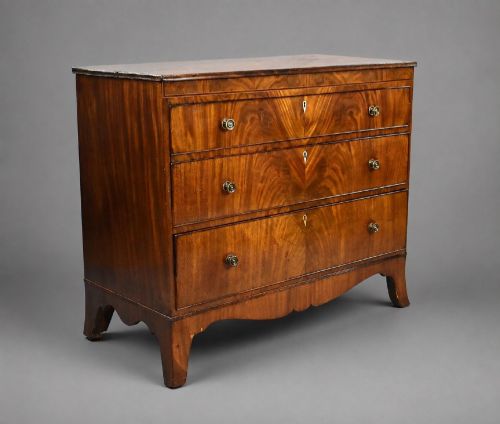
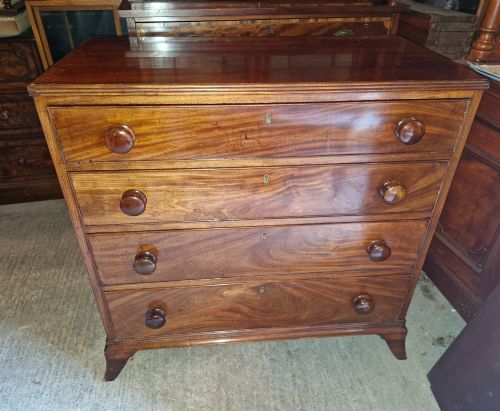
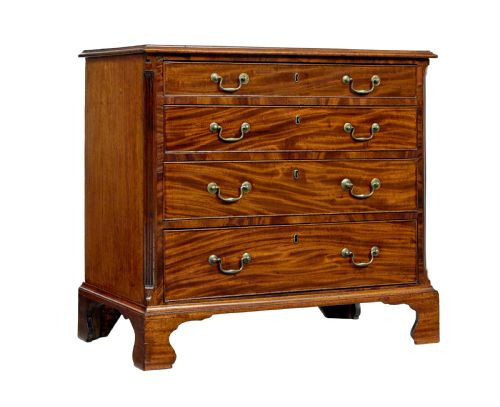
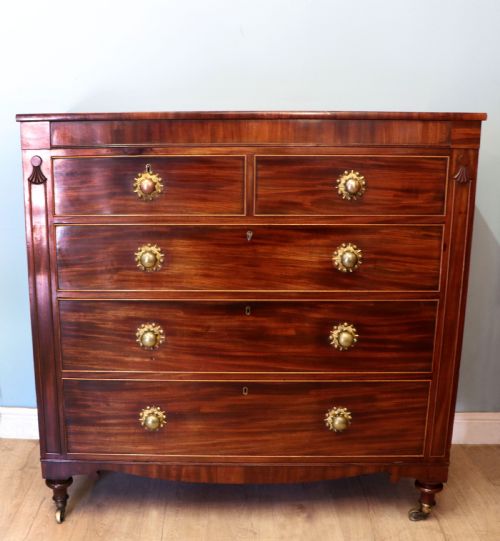
When buyers search for a regency straight front, they find classic case furniture like chests of drawers and sideboards that display clean, uncurved elevations. These pieces date principally from the Regency period and the wider nineteenth century, maintaining a disciplined silhouette derived from earlier Georgian design principles.
The chests of drawers and sideboards on this page dominate the inventory, frequently constructed from solid and veneered timber. Most examples adhere to this rectilinear format, presenting symmetrical drawer arrangements without the bulging curves found in bow-front alternatives.
How They Were Made
Cabinetmakers constructed these pieces primarily using mahogany, frequently selecting figured or flame grain variations to create visual movement across large drawer fronts. Workshops incorporated satinwood and ebony for contrasting stringing and line inlay, highlighting the structural geometry.
Details such as brass fittings and bone escutcheons completed the construction, securing functional hardware to the dense timber carcases. Joinery techniques relied on precision framing to stabilise the straight elevations and ensure smooth operation of graduated drawers.
Bone escutcheons offered a gleaming contrast against dark mahogany, proving that cows helped lock your socks away.
What Varies in Quality
The hierarchy of quality rests primarily on the selection of timber veneers and the finesse of the decorative inlay. Superior examples display carefully matched flame mahogany surfaces and precise satinwood or ebony line inlay that accentuates the rectilinear form.
Construction integrity and original hardware further distinguish finer items from simpler production. Pieces retaining well-figured timber and integrated brass elements demonstrate the higher tier of cabinetmaking achieved during the period.
The Regency Straight Front Glossary
- Straight front
- A cabinet form possessing a flat, uncurved facade that distinguishes it from bow-front or serpentine alternatives. This design emphasises clean architectural lines.
- Flame mahogany
- A veneer figure resembling flickering flames, created by cutting across the branch forks of the tree. Cabinetmakers prized this grain for its dramatic visual impact on primary surfaces.
- Line inlay
- A narrow strip of contrasting wood embedded flush into the surface to create decorative borders. Satinwood and ebony served commonly for this linear ornamentation.
- Escutcheon
- A protective plate surrounding a keyhole, frequently fashioned from bone or brass. It prevented the key from wearing away the surrounding timber.
Regency Straight Front: Frequently Asked Questions
What is a regency straight front?
A regency straight front refers to case furniture, such as chests of drawers and sideboards, featuring a flat and uncurved facade. These pieces date largely from the nineteenth century and reflect the balanced aesthetic of the period.
Buyers choose them for their symmetrical design and disciplined geometry. They integrate easily into contemporary and traditional interiors alike.
How do I identify mahogany?
Mahogany is a dense hardwood known for its deep reddish-brown colour and fine grain pattern. Regency craftsmen selected varied cuts, including figured and flame varieties, to adorn drawer surfaces.
Over time, exposure to light deepens the patina of the wood. The timber provides both structural stability and a rich surface texture.
What woods were used for inlay?
Cabinetmakers utilised contrasting timbers such as satinwood and ebony to create fine line inlay on these pieces. These lighter and darker woods formed geometric borders around drawer fronts.
The contrasting strips highlight the rectilinear form of the furniture. This decorative technique requires precise carpentry skills.
How were these drawers arranged?
Graduated drawers form the primary storage configuration, decreasing in depth from the bottom to the top. This arrangement offered practical organisation for clothing and household linens.
The varying drawer depths contributed to a balanced vertical proportion on the flat facade.