


English Regency Chest
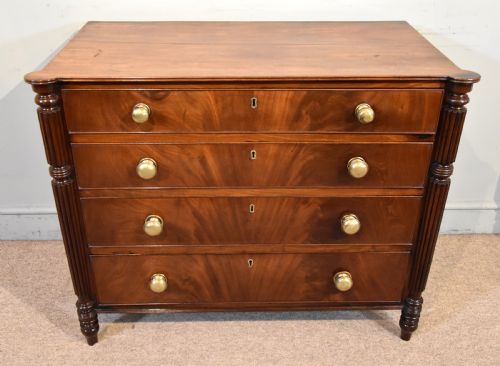
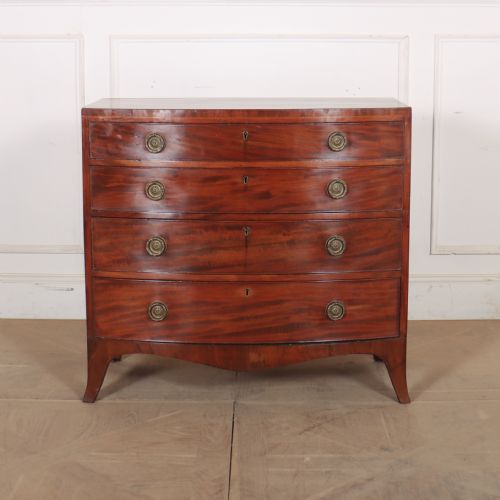
An english regency chest brings architectural proportion and figured timber to a room, offering functional storage with refined decorative presence.
English Regency Chest
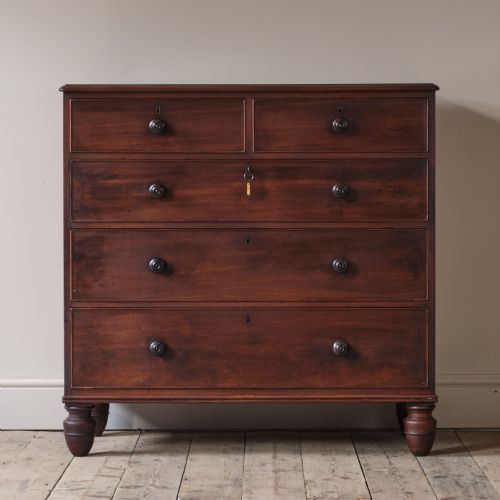
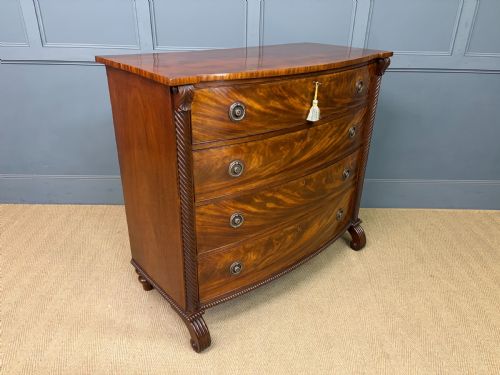
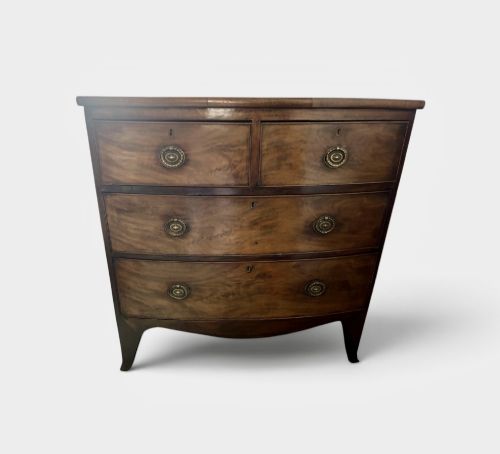
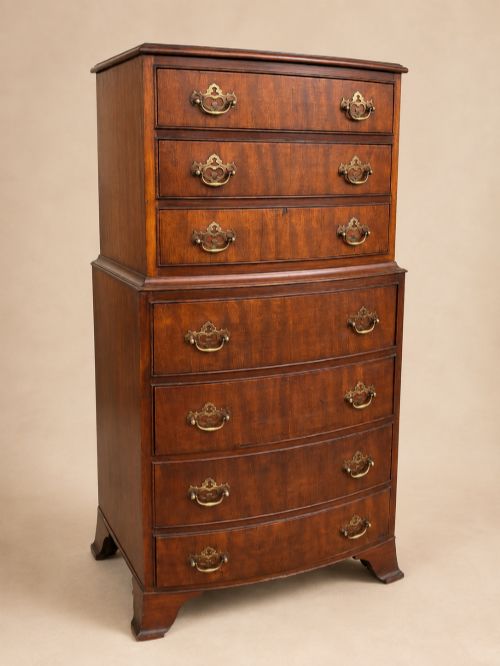
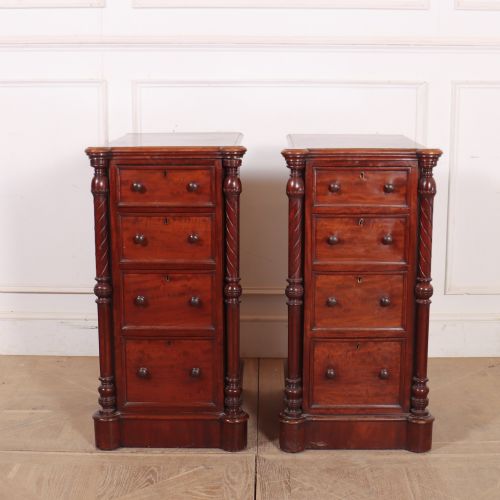
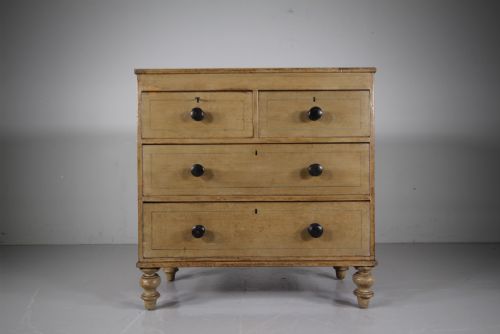
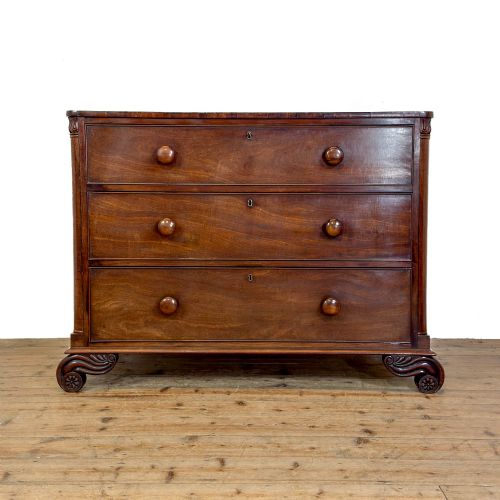
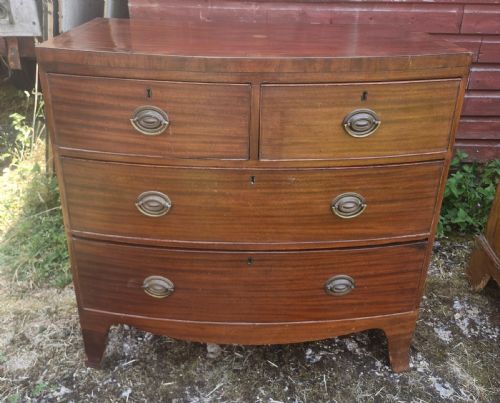
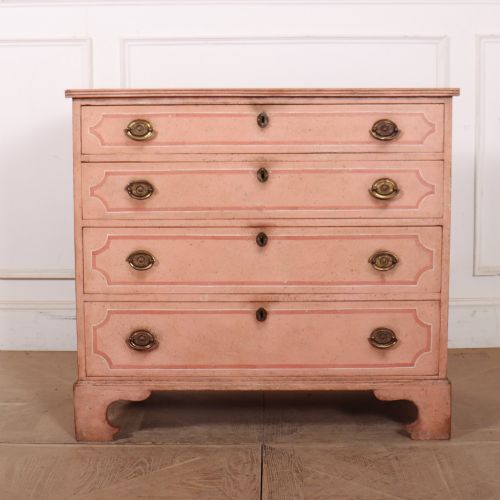
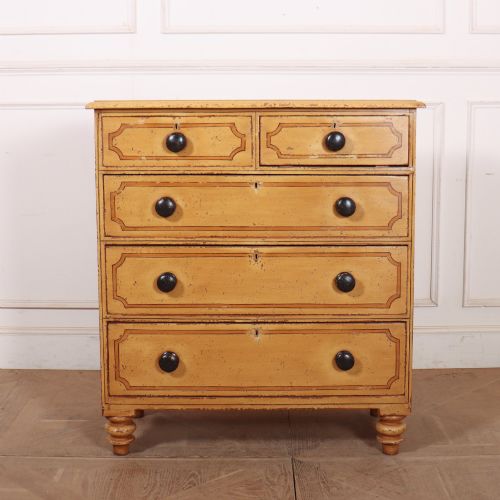
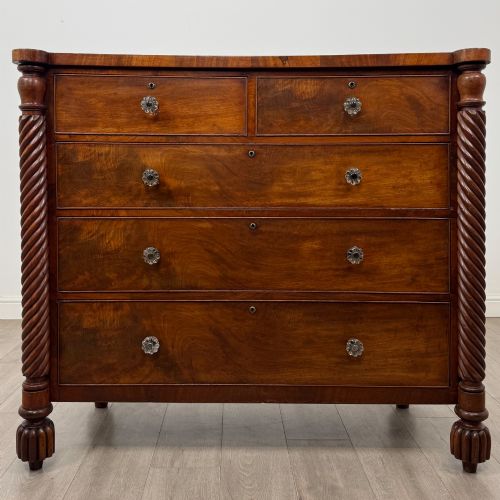
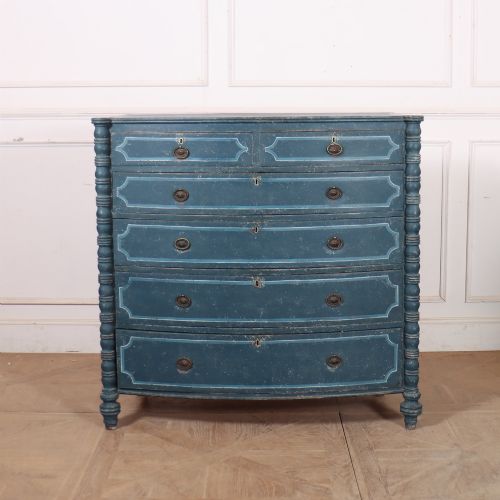
When you search for an english regency chest, you encounter a variety of forms including large bow front pieces, compact bedroom chests, and specialised storage items such as cellarettes and teapoys. The predominant form on this page is the mahogany chest of drawers, often featuring a bowed or straight front with graduated drawers.
Beyond standard drawer units, the selection incorporates linen presses, secretaire bookcases, and painted pine variants. These pieces reflect the neoclassical tastes of the early nineteenth century, bridging Georgian restraint and Victorian scale.
Materials and construction
Cabinet makers relied heavily on solid mahogany and flame mahogany veneer, chosen for rich grain patterns and deep natural colour. Secondary woods like oak and pine appear in carcass construction and drawer linings.
Decorative detailing often involved brass inlays, rosewood banding, and specialised painting techniques on pine furniture. Joinery relied on traditional hand-cut dovetailing for drawer construction to ensure durability.
Some desktop collector cases retain hidden compartments designed to conceal private letters and small treasures from prying eyes.
Assessing quality in period furniture
The standard of a piece depends on the selection of timber veneers and the precision of the cabinet work. Matched flame mahogany and intricate brass marquetry distinguish higher workshop output from utilitarian regional production.
Proportion and surface preservation heavily influence the standing of an item. Retaining original hardware, polished drawer linings, and untouched surface patination marks the difference between standard items and superior examples.
T & G Seddon·Gillows of Lancaster
The English Regency Chest Glossary
- Bow front
- A convex curved cabinet front that swells outward from the corners, characteristic of many nineteenth century drawer units.
- Flame mahogany
- Timber veneer cut from the branch forks of the mahogany tree, producing a distinctive flickering flame-like grain pattern.
- Cellarette
- A specialised cabinet or chest designed to hold bottles of wine and spirits, frequently lined with lead or metal.
- Teapoy
- A small decorative container or chest mounted on a central pillar, built to store loose tea leaves and mixing glasses.
- Linen press
- A tall piece of furniture comprising upper sliding trays enclosed by doors, positioned above a base chest of drawers.
English Regency Chest: Frequently Asked Questions
How do I identify a genuine english regency chest?
Examine the secondary timbers inside the drawers, such as oak or pine, alongside hand-cut dovetails and timber movement. Regency pieces typically exhibit neoclassical proportions, specific brass hardware types, and distinct veneer matching.
Compare the construction methods with known period examples. Look for consistent hand-planed surfaces on the backboards and drawer bottoms rather than modern machine tooling.
Where were these chests used in a house?
These chests served primarily in bedrooms, dressing rooms, and formal drawing rooms for storing garments, linens, and personal valuables. Smaller variations functioned as bedside tables or desktop collector cases.
Specialised variants like cellarettes and teapoys occupied dining rooms and parlours to manage beverages and entertaining provisions during the evening.
How do I care for antique mahogany furniture?
Keep wooden items away from direct heat sources and dramatic humidity shifts to prevent timber splitting and veneer lifting. Apply natural wax polish sparingly to nourish the grain without building up heavy residue.
Dust surfaces gently with a soft, dry cloth rather than synthetic dusters. Avoid placing damp items directly onto polished wood tops to protect the historic finish.
What is the difference between Georgian and Regency styles?
Georgian design encompasses a broader eighteenth-century aesthetic rooted in Palladian symmetry and heavy architectural elements. Regency style introduces leaner neoclassical influences inspired by ancient Greek and Roman archaeology.
Regency pieces often incorporate bolder veneers like rosewood and flame mahogany, paired with refined brass mounts and lighter scaled carcases.