
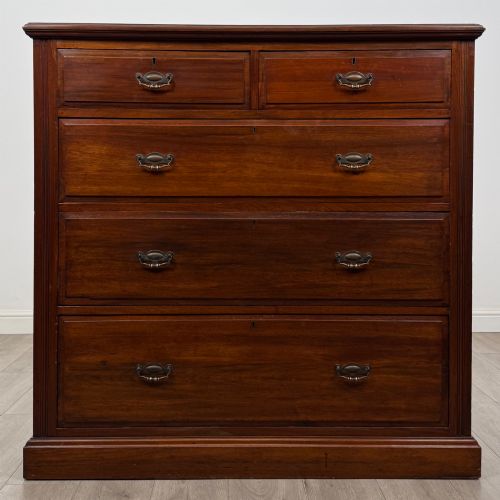
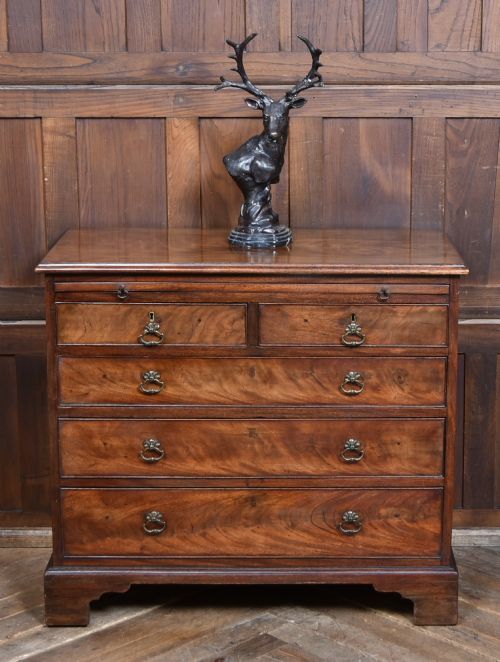
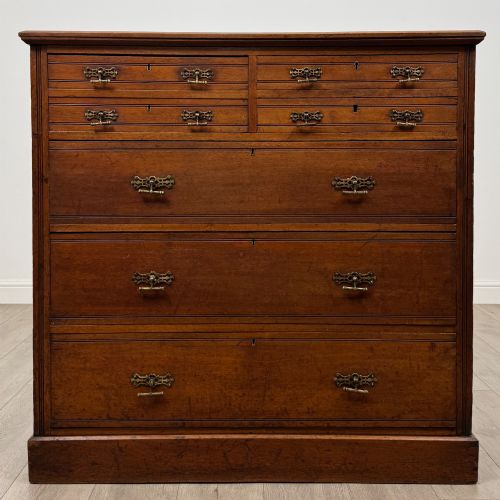
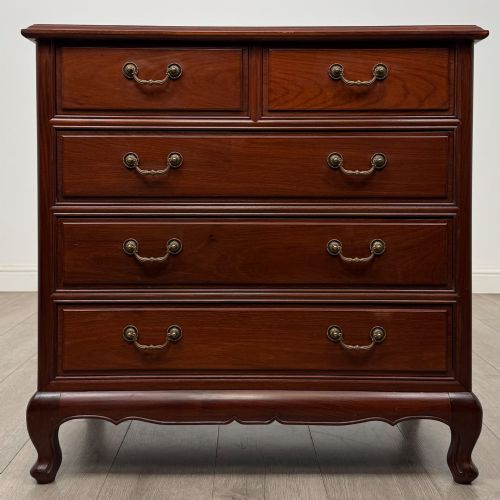
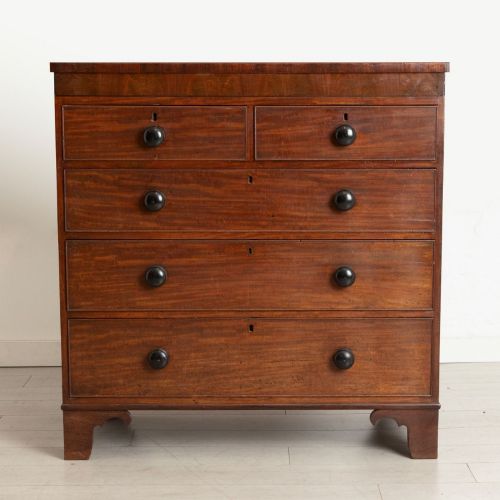
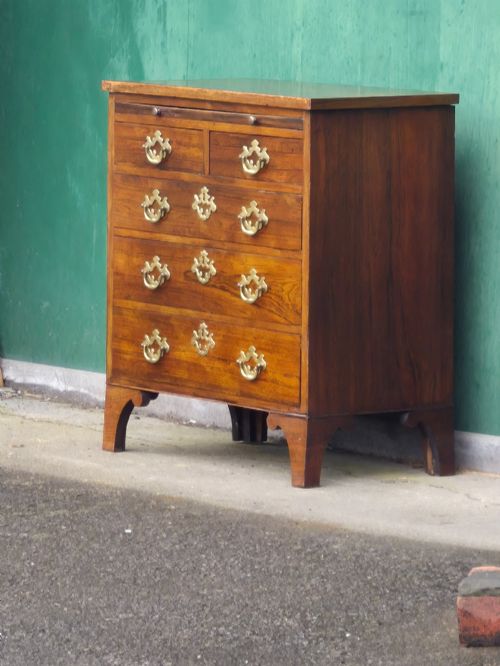
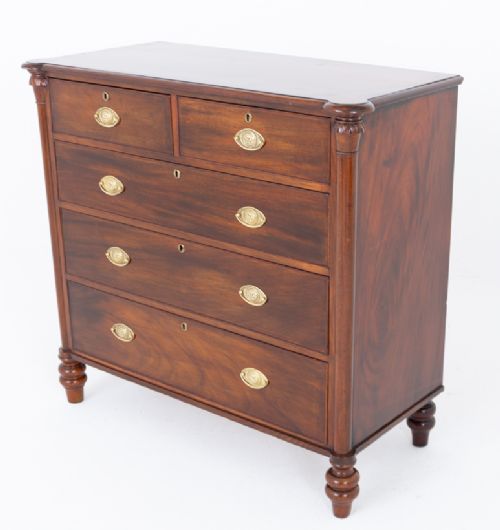
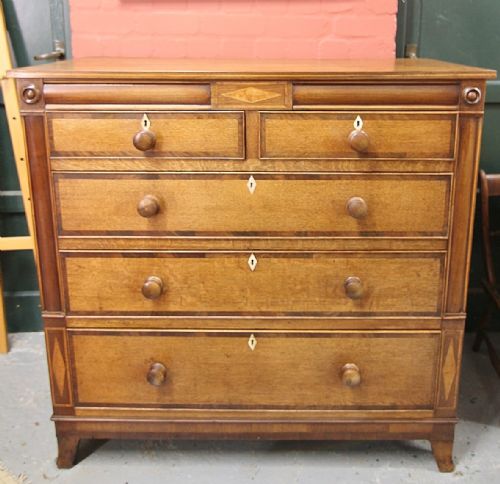
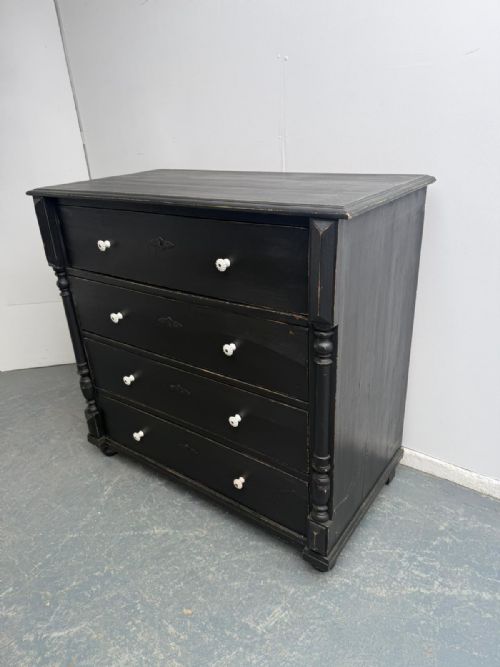


Traditional Timber Tallboy
A traditional timber tallboy is a commanding storage piece built from rich woods, offering generous drawer space and timeless utility for the home.
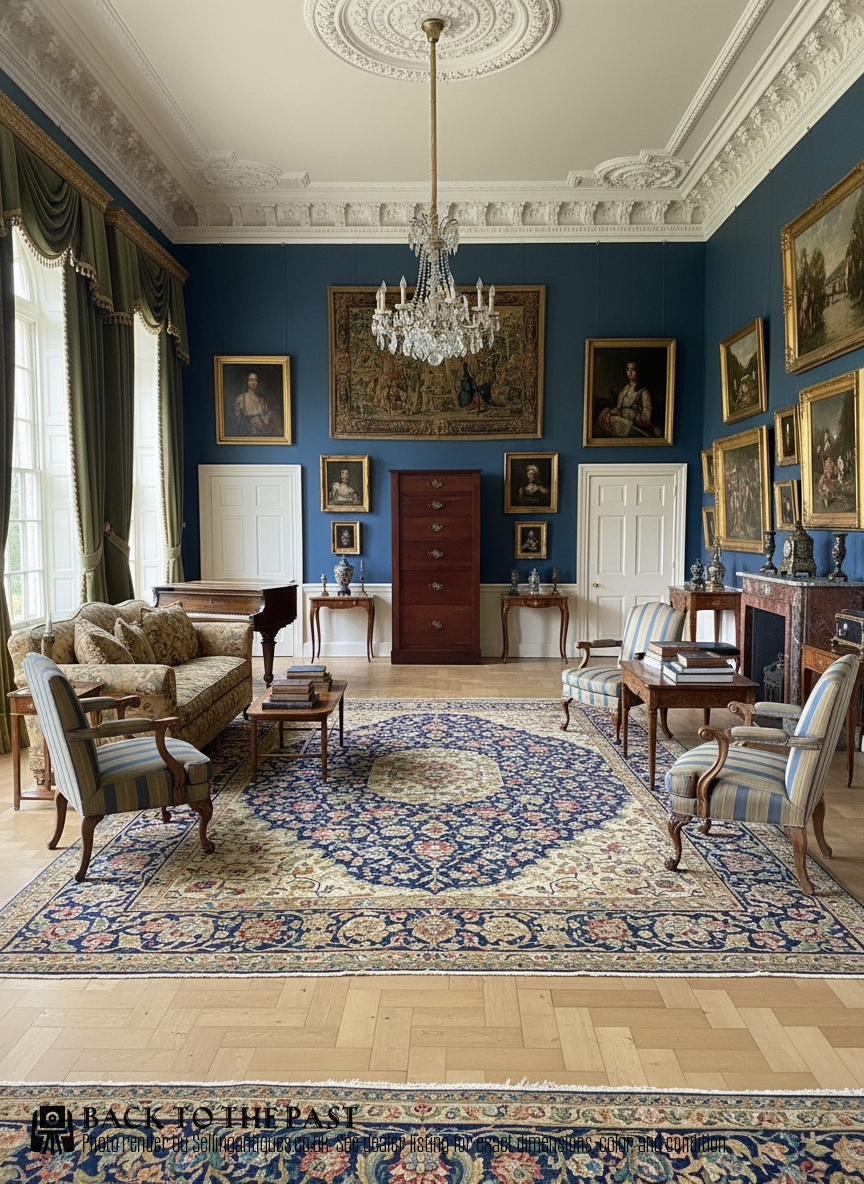
Traditional Timber Tallboy
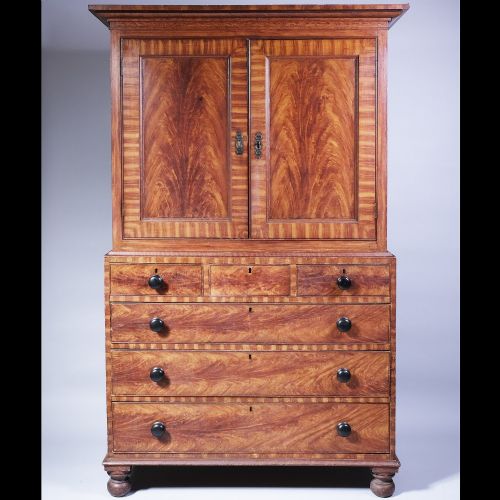
When you search for a traditional timber tallboy, you are looking at substantial case furniture designed to maximise vertical storage. These pieces generally take the form of tall chests of drawers, Wellington chests, and linen presses from past centuries.
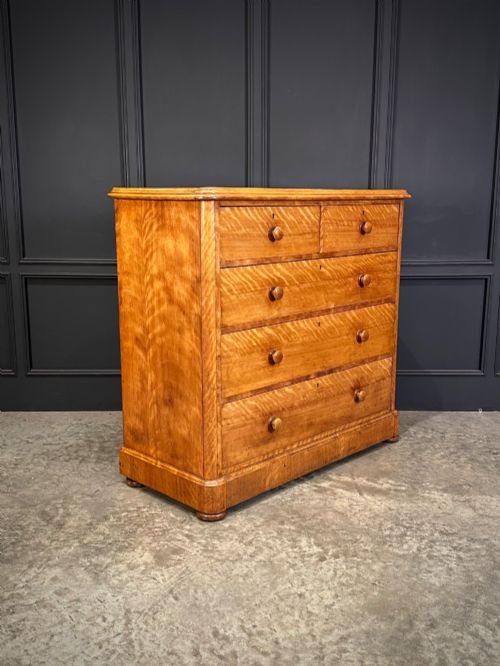
The selections available here span periods from the eighteenth century through to the Edwardian era, encompassing Georgian proportions and Victorian craftsmanship. Mahogany and walnut appear frequently, alongside pine, satinwood, and oak.
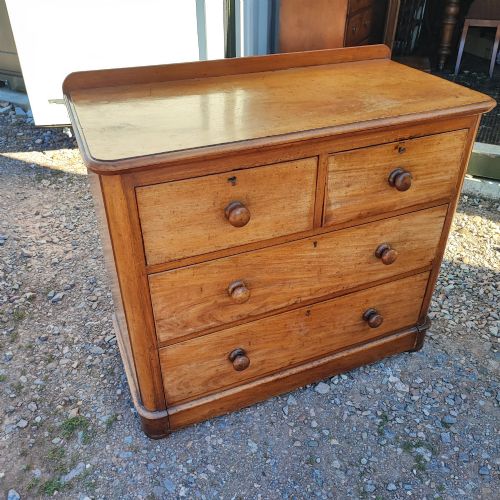
Buyers are most likely to encounter nineteenth-century mahogany and walnut examples, which offer classic drawer configurations and rich timber grain. Pieces range from straightforward vernacular chests to refined serpentine and inlaid designs.
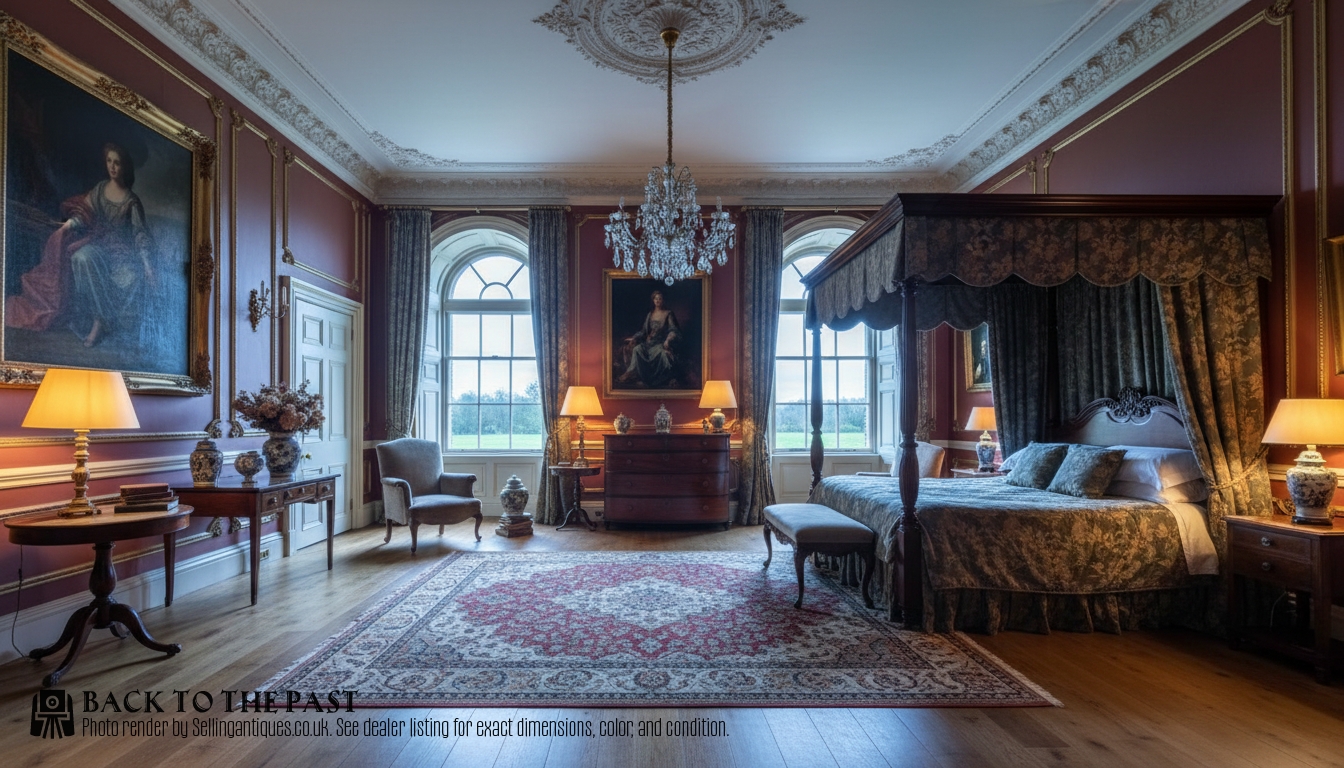
Materials and construction methods
Cabinetmakers utilised solid timbers and selected veneers, applying mahogany, walnut, and satinwood to primary surfaces while employing secondary woods like pine for drawer linings and carcase backs. Dovetail joints secure the drawer construction, reflecting traditional hand-tool methods.
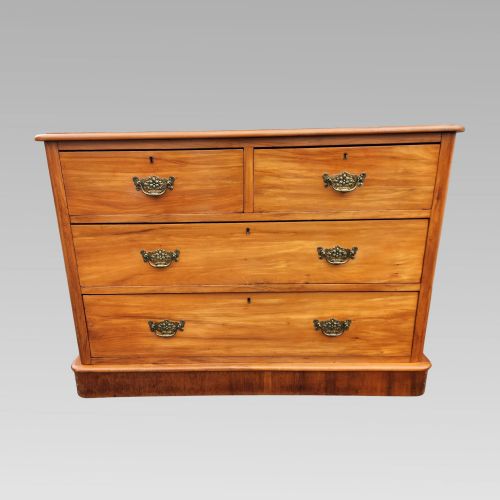
Surface finishes include French polish, wax, and occasionally historic scumble paint, which protected the underlying wood and added decorative character. Brass hardware, such as drop handles and backplates, secures the drawer fronts and complements the timber tones.
Listings feature mahogany, walnut, pine, satinwood, oak, and burr walnut across eighteenth-century, Georgian, Victorian, and Edwardian periods.
Distinctions in craftsmanship
The distinction between ordinary and superior pieces rests on the selection of timber and the precision of the cabinetwork. Fine examples display well-figured mahogany or burr walnut veneers matched symmetrically across the drawer fronts, alongside carefully cut dovetails and original brass hardware.
Jas Shoolbred·William Gomm·Morison & Co
The Traditional Timber Tallboy Glossary
- Tallboy
- A tall chest of drawers, often constructed in two sections with one chest stacked upon another. This form provides substantial vertical storage while occupying a modest floor footprint.
- Wellington chest
- A tall, narrow chest of drawers secured by a hinged locking stile on one side. This locking mechanism holds all the drawers shut simultaneously.
- Scumble paint
- A decorative paint technique applied to imitate the grain of more expensive timbers or to create a mottled finish. It appears frequently on nineteenth-century country house furniture.
- Serpentine front
- A furniture front curved in a wave-like shape, featuring a convex centre flanked by concave sides. This sophisticated outline requires considerable skill from the woodworker.
- Cockbeading
- A narrow, rounded moulding projecting around the edges of drawer openings. It protects the drawer edges from damage and provides a neat visual frame.
Traditional Timber Tallboy: Frequently Asked Questions
How do I date a timber tallboy?
Dating relies on examining construction methods, timber choices, and hardware styles. Eighteenth-century pieces typically exhibit hand-cut dovetails and specific drawer configurations, whereas later Victorian examples utilise machine-assisted elements and heavier mouldings.
Secondary woods inside the carcase and the type of fixings used on the backboards also offer clear chronological clues for the discerning buyer.
Where should I place a tallboy?
These tall pieces suit bedrooms, dressing rooms, or hallways where floor space is limited but vertical capacity is needed. Ensure the wall surface behind the piece is stable enough to allow secure anchoring if necessary for safety.
Keep the furniture away from direct heat sources and strong sunlight to protect the aged timber and polished surfaces from drying out.
What is a Wellington chest?
A Wellington chest is a particular form of tall, narrow chest characterised by a hinged locking timber flap on the right side. This flap fastens with a key to secure all the drawers at once.
Originating in the nineteenth century, this design was originally favored for storing documents, linen, or delicate garments securely.
How do I maintain the wood?
Maintain timber surfaces by applying a quality beeswax periodically and buffing gently with a soft cloth. Avoid silicone-based polishes, which build up over time and attract dust.
Maintain a stable room humidity to prevent the solid woods and veneers from expanding, contracting, or cracking across the joints.