





Regency Silver Tableware
Regency silver tableware brings formal dining history to your table through sterling silver and Old Sheffield Plate vessels.
Regency Silver Tableware
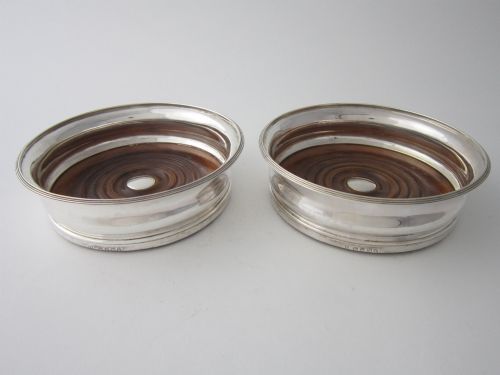
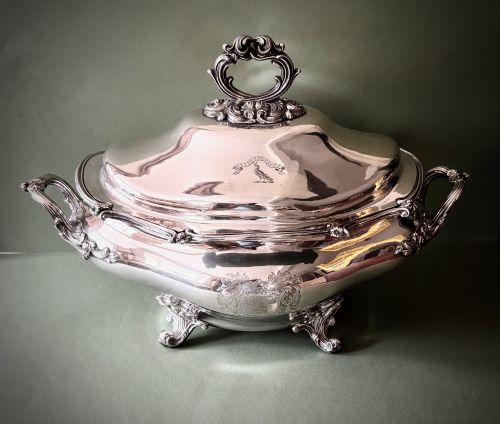
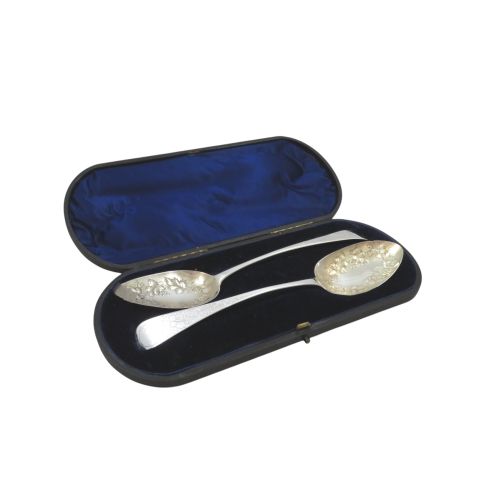
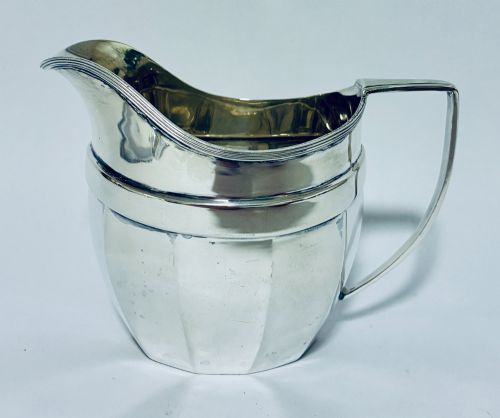
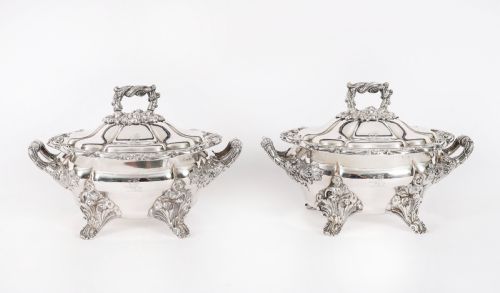
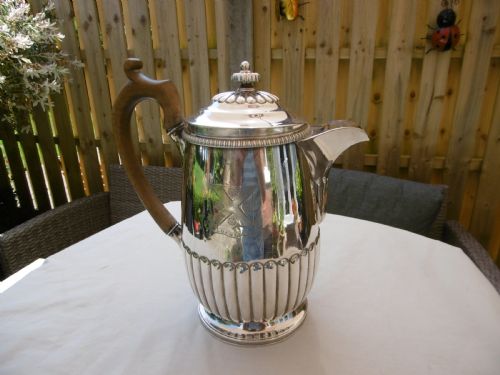
Regency silver tableware encompasses functional dining items created during the Georgian and early nineteenth century periods. These pieces include wine coasters, tureens, teapots, cream jugs, and serving spoons designed for domestic service.
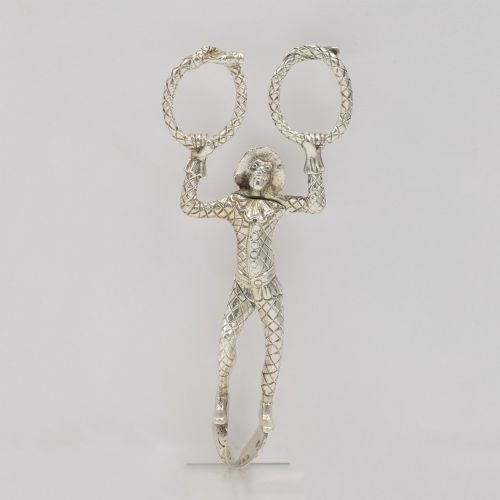
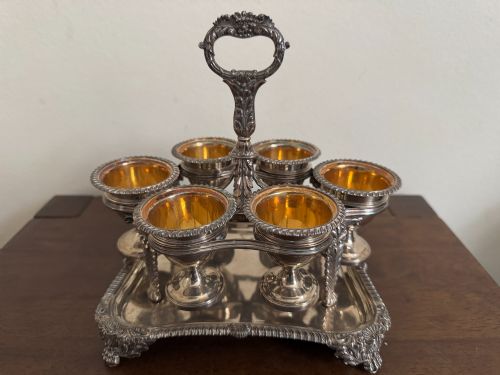
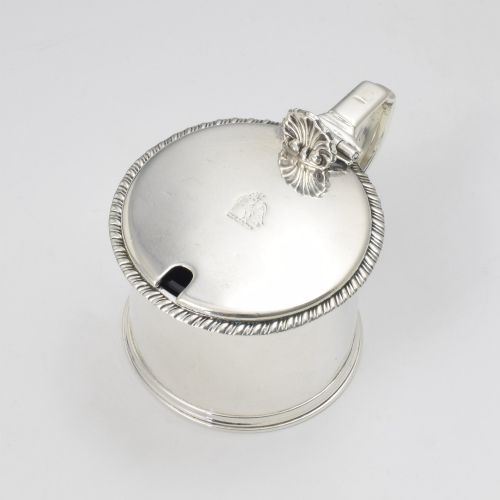
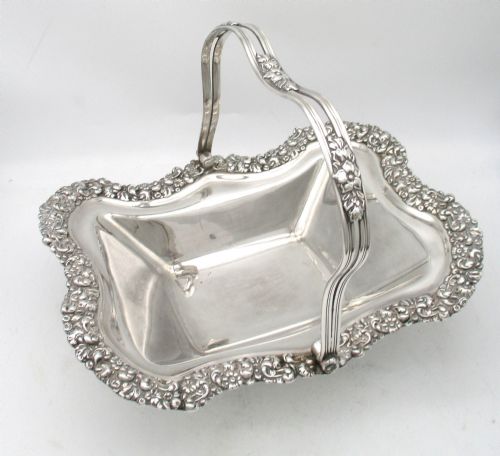
Buyers encounter cruet stands, mustard pots, cake baskets, and wine funnels alongside traditional teapots and jugs. The forms reflect the formal dining and entertaining customs of the early nineteenth century.
Materials and Techniques
Silversmiths utilised sterling silver and copper fused with silver in the production of Old Sheffield Plate items. Gold gilt interiors appear within specific vessels such as cream jugs and sugar bowls.
Craftsmen shaped metal through casting, raising, and hammering before applying decorative chased or engraved crests. Fusion methods bonded silver layers to copper bases for durable plated tableware.
Listings feature sterling silver and Old Sheffield Plate alongside copper, wood, and gold gilt elements across Georgian and 19th Century items.
Craftsmanship and Design
Quality rests upon the crispness of chased detailing, the weight of the silver or plated metal, and the integrity of applied borders. Maker marks and engraved family crests indicate provenance and individual workshop standards.
Proportion and structural balance define superior serving pieces, from egg cruet stands to large soup tureens. The finesse of handles, feet, and hinges separates standard production items from master silversmith output.
Dee and Fargus·William Burwash·Charles Fox II·Matthew Boulton·Jamieson and Naughton·Paul Storr·Walker Knowles·Cresswick
The Regency Silver Tableware Glossary
- Old Sheffield Plate
- A composite material made by fusing a thin sheet of silver to a thicker copper core. This technique predates modern electroplating and produced durable tableware.
- Sterling silver
- An alloy consisting of silver and other metals, typically copper, standard for British tableware production. Hallmarks verify the metal standard and assay office.
- Wine coaster
- A small shallow tray or dish fitted with a turned wood base, designed to hold a wine bottle on the dining table. They protected polished mahogany surfaces from moisture and heat.
- Tureen
- A deep covered bowl used for serving soup, sauce, or vegetables during formal meals. Examples appear in both sterling silver and Old Sheffield Plate.
- Cruet stand
- A frame holding multiple glass bottles or castors for oil, vinegar, salt, and pepper. These stands formed a central feature of the dining table layout.
Regency Silver Tableware: Frequently Asked Questions
What is Old Sheffield Plate?
Old Sheffield Plate involves a historical technique where a thin sheet of silver is fused to a copper base. This method creates items that display the appearance of solid silver while utilising copper for strength.
Over decades of polishing, the underlying copper may subtly show through at high points, which collectors value as proof of age and authenticity.
How do I clean silver tableware?
Cleaning requires a soft cloth and a reputable silver cream designed to remove tarnish without harming the metal. Avoid harsh abrasives that scratch delicate chased surfaces and engraved crests.
Store pieces in dry conditions and use acid-free tissue if wrapping items for storage between dining occasions.
Can I use these items daily?
Many buyers incorporate these serving pieces into modern dining routines for serving tea, wine, or side dishes. Sterling silver and plated vessels withstand careful daily handling if washed by hand promptly after use.
Plated items require gentle treatment to preserve the fused silver layer over the copper core.
How do I identify maker marks?
Maker marks and assay office symbols appear stamped on the underside or rim of sterling silver pieces. These punches record the silversmith's initials and the town where the metal was tested.
Reference books help connect these stamps to specific workshops active during the Georgian and Regency periods.