




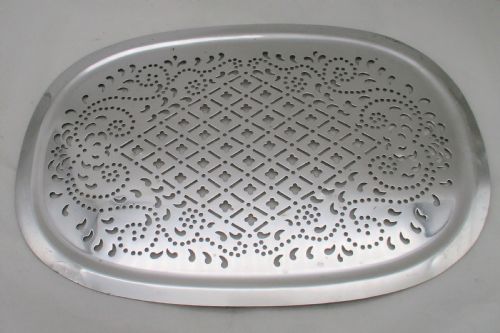


Regency Silver Plated Tableware
Regency silver plated tableware brings the bright elegance of early nineteenth century dining tables into modern rooms through resilient fused metals.
Regency Silver Plated Tableware
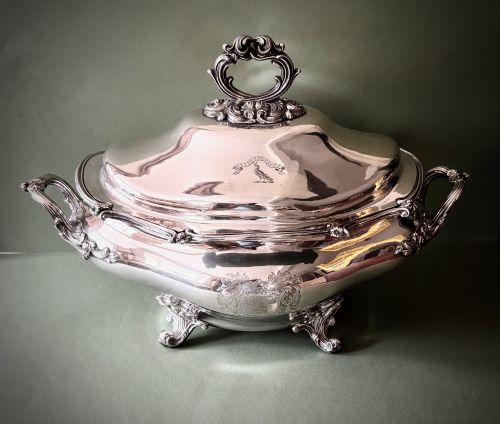
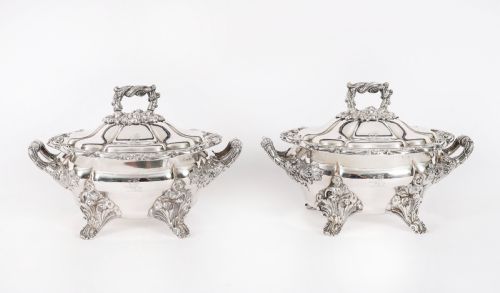
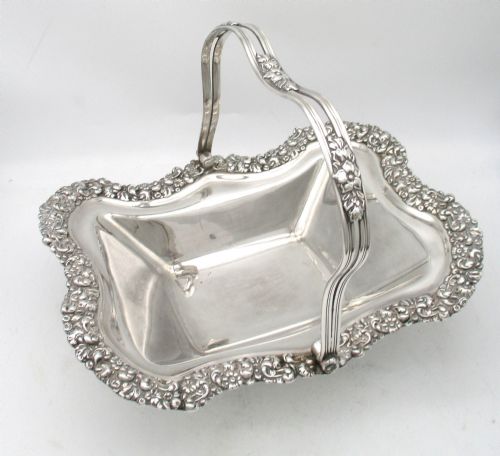
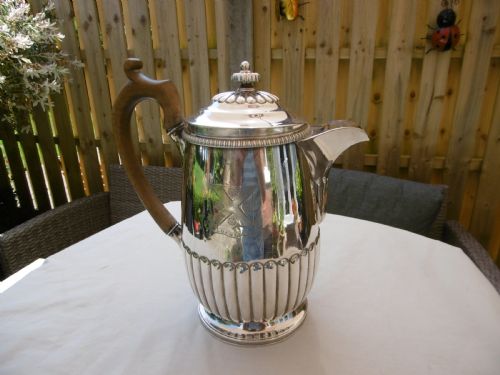
Regency silver plated tableware consists of serving vessels, coffee pots, tureens, and baskets produced primarily in the early nineteenth century during the Georgian and Regency periods. These items served functional roles in wealthy households, providing the opulent look of solid silver at a fraction of the cost.
Buyers browsing this selection frequently encounter Old Sheffield Plate items alongside early nineteenth century silver plate and copper pieces. Forms range from large lidded tureens and tea urns down to small draining plates, sauce boats, and knife trays.
The objects stem from the 19th Century, 1800, and Georgian eras, showcasing styles that span Georgian Neoclassical and Early Victorian aesthetics. Surviving examples demonstrate how dining service evolved to incorporate decorative metalwork for both display and use.
What varies in quality
Quality depends on the preservation of the original silver layer over the copper base. Pieces retaining thick silver surfaces without extensive copper show-through demonstrate superior original manufacture and careful handling.
The crispness of chased decoration, applied crests, and cast handles separates standard utilitarian items from finer examples. Maker marks and clear silver mounts also indicate higher workshop standards during the production process.
Knife trays included built-in partitions so heavy cutlery did not slide around and scratch the delicate plated floor during carriage.
Matthew Boulton·Walker Knowles·Cresswick
The Regency Silver Plated Tableware Glossary
- Old Sheffield Plate
- A composite material made by fusing silver and copper together under heat before rolling them into sheets. This technique preceded modern electroplating.
- Tureen
- A deep covered bowl used for serving soups, sauces, or entrées at the dining table. These vessels often feature matching stands or heating bases.
- Mazarine
- A decorative pierced insert or draining plate placed inside a dish to keep food elevated above accumulated juices. They appear in plated metal and silver.
- Tea Urn
- A large vessel designed to hold and dispense hot water for tea service, typically heated with an internal metal cylinder or spirit lamp.
- Silver Gilt
- Silver that has been coated with a thin layer of gold on the interior or decorative surfaces. This finish protected the metal from tarnishing by acidic foods.
Regency Silver Plated Tableware: Frequently Asked Questions
What is Old Sheffield Plate?
Old Sheffield Plate is an early form of silver plating created by fusing a thin sheet of silver to a copper ingot. Artisans then rolled the combined metals into sheets to craft hollowware.
This method differs from later nineteenth century electroplating by creating a thick, durable bond between the two metals that wears down differently over time.
How do I clean plated tableware?
Cleaning requires mild soap, warm water, and a soft cloth to protect the thin silver layer. Avoid harsh silver dips and abrasive metal polishes that strip away the remaining silver.
Gentle maintenance preserves the underlying copper base from showing through prematurely while maintaining a soft, historic shine.
Can I use these for dining?
Many collectors still use these antique vessels for special occasions, particularly dry goods or decorative displays. Modern acidic foods can react with exposed copper or worn plating.
Placing modern glass or ceramic liners inside baskets and tureens allows safe use without risking damage to the historical interior surfaces.
How do I identify Regency pieces?
Regency items often feature neoclassical motifs such as gadroon borders, paw feet, and clean classical proportions. Design elements typically bridge Georgian restraint and early Victorian ornamentation.
Examining the construction methods, such as fused copper edges and applied silver wire, helps confirm the early nineteenth century production period.