

Regency Secretaire
A regency secretaire combines handsome cabinetwork with a clever drop-down writing drawer, offering discreet workspace alongside generous storage.
Regency Secretaire
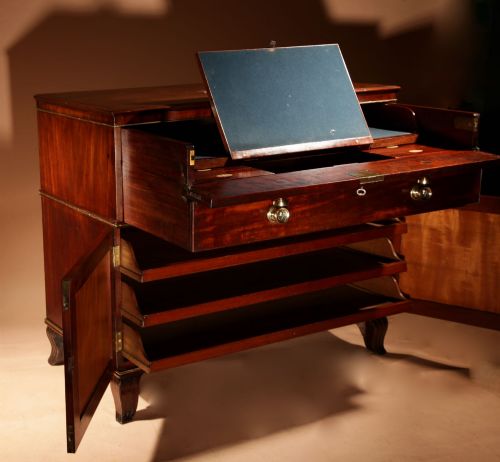
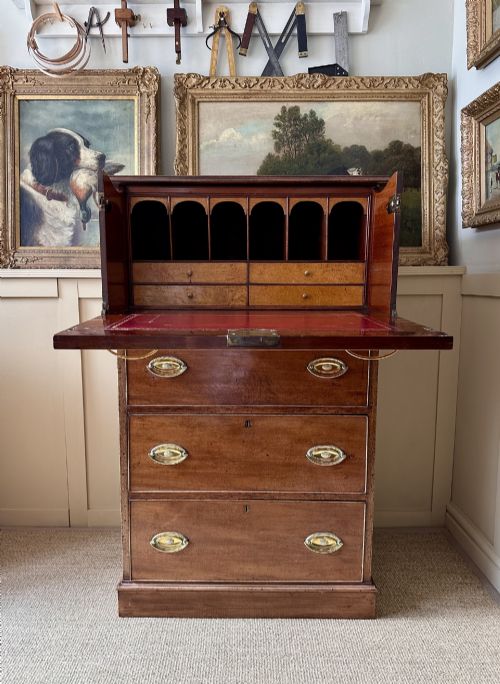
A regency secretaire provides a dedicated writing surface that conceals itself neatly within the upper drawers of a chest or cabinet. These pieces belong primarily to the Regency, George IV, and William IV periods, spanning the late eighteenth and early nineteenth centuries.
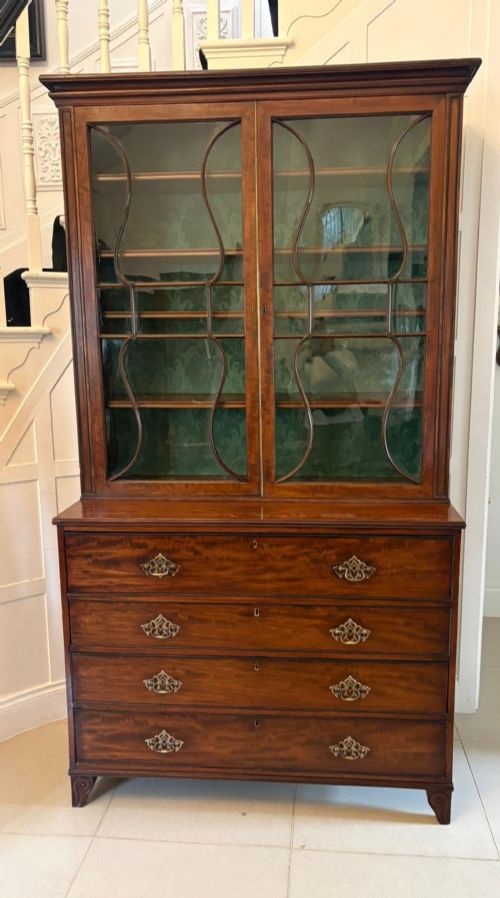
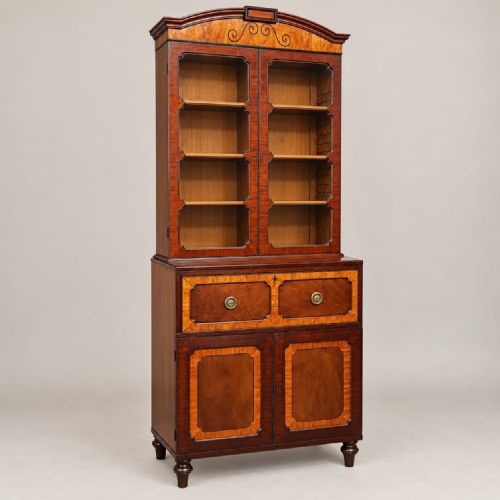
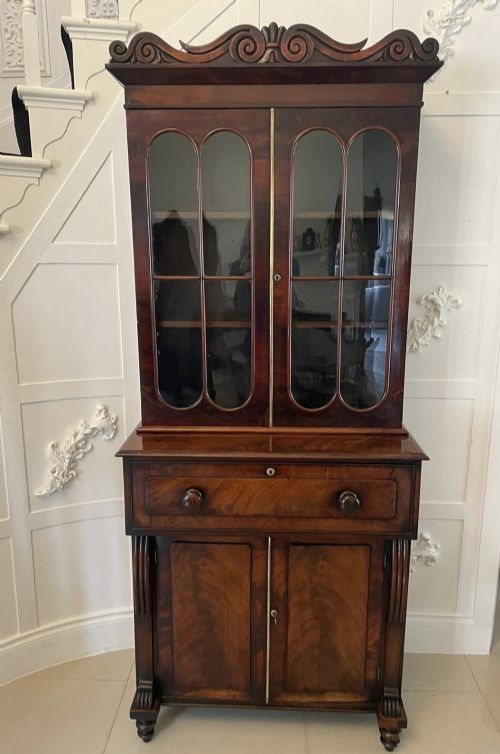
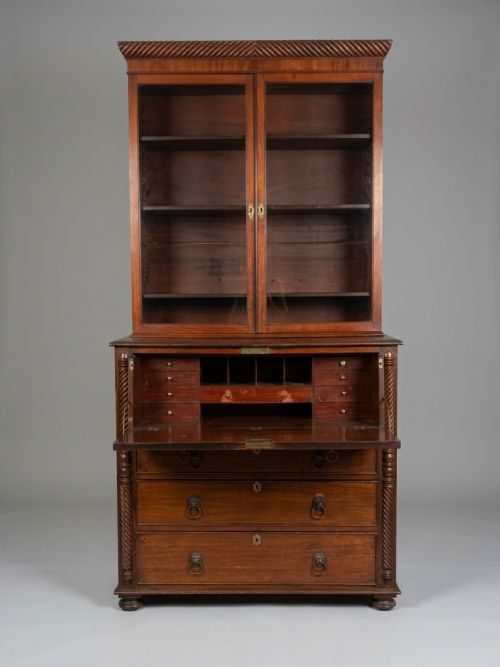
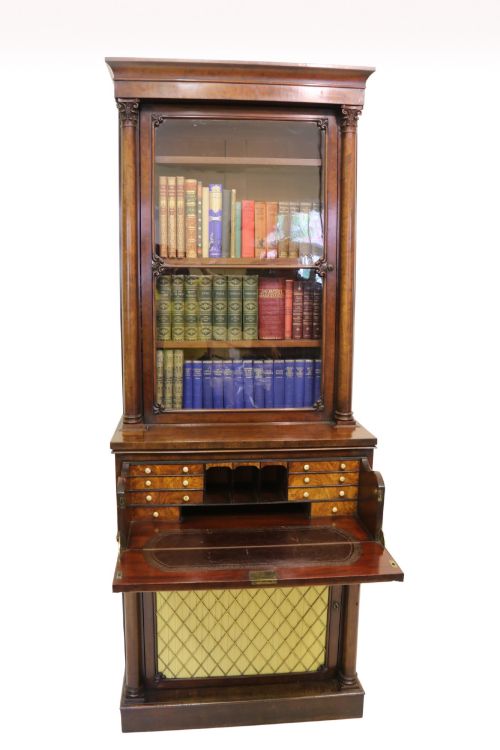
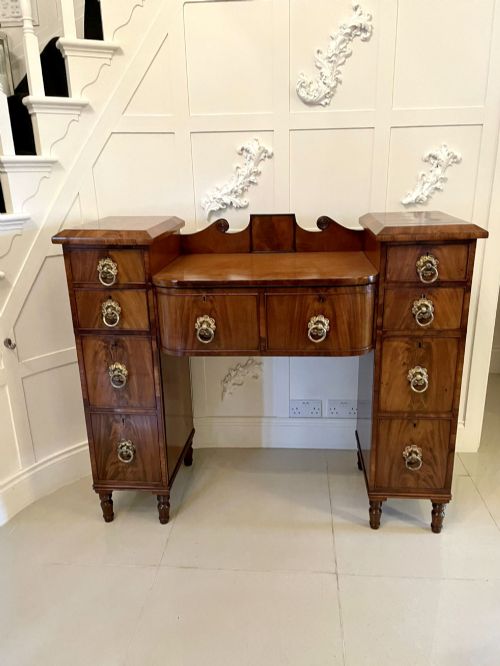
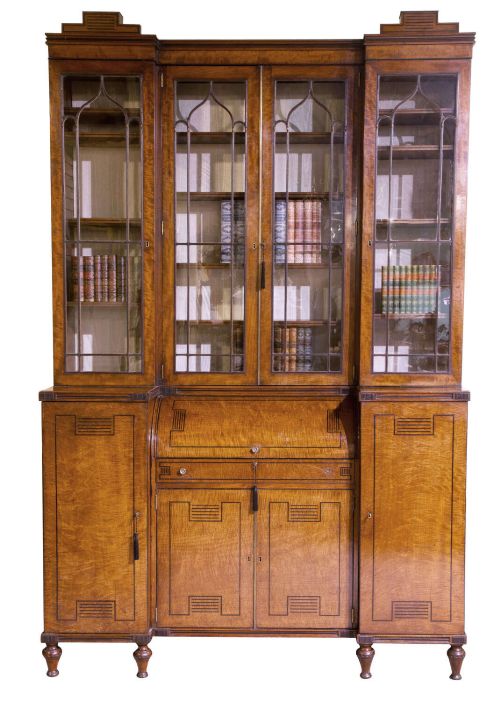
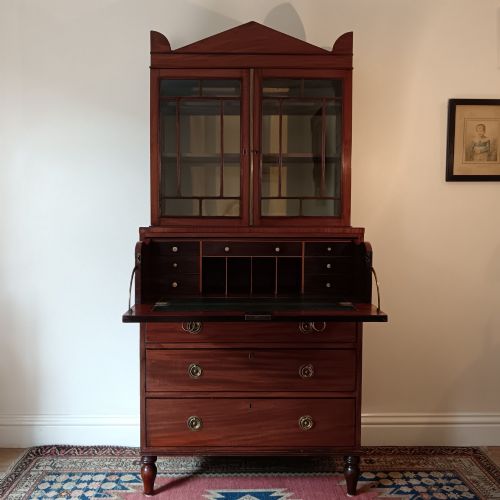
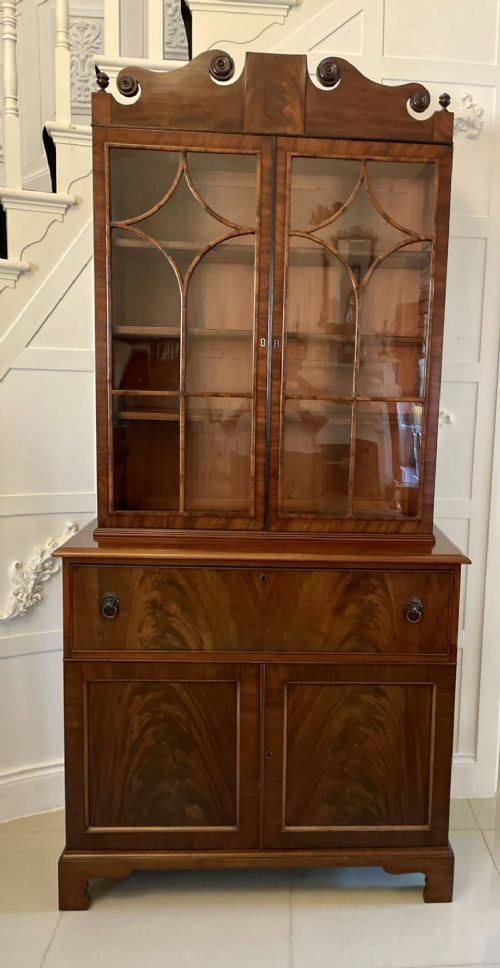
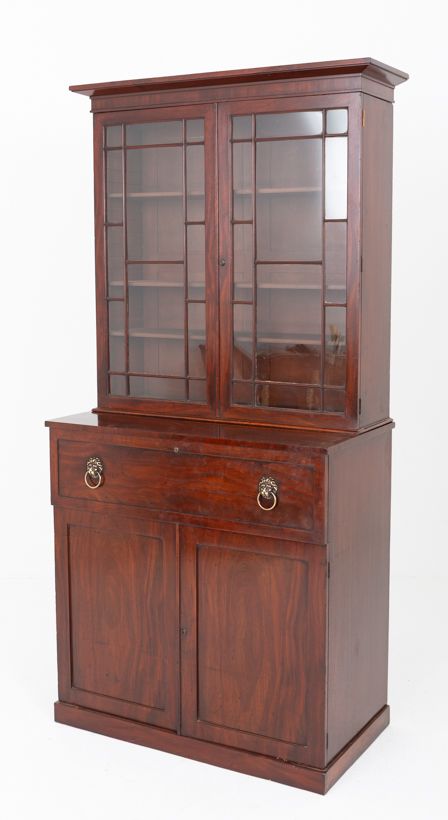
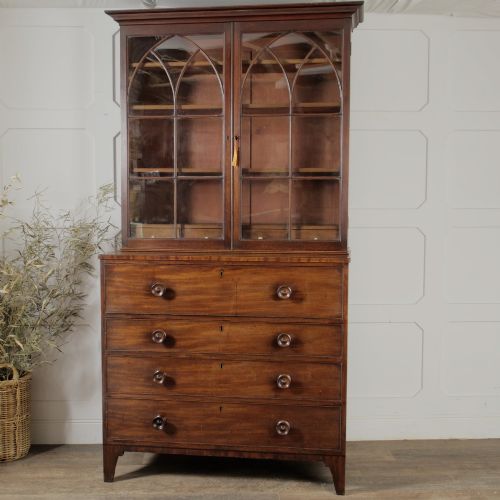
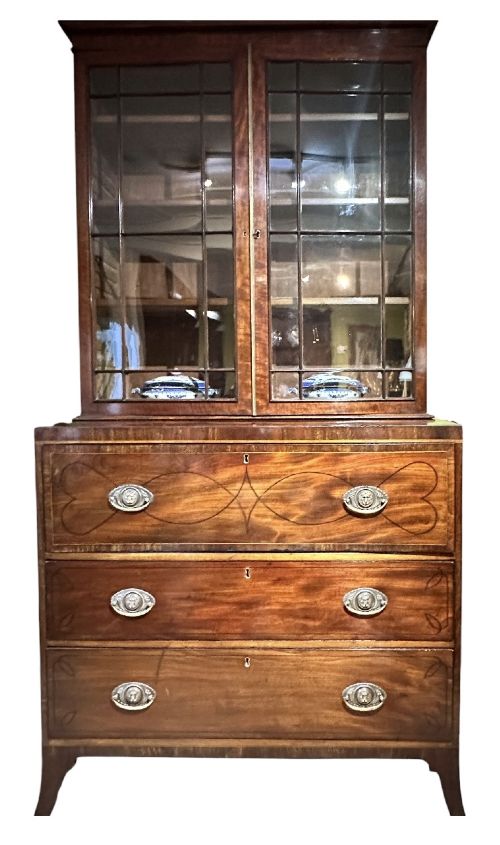
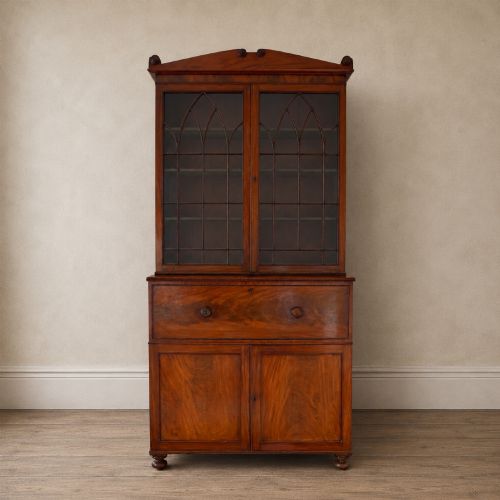
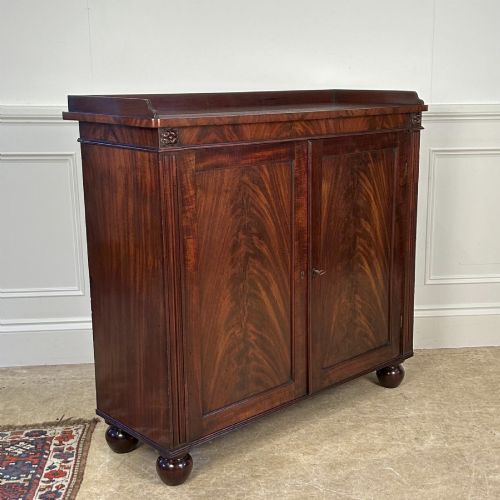
The secretaire bookcase form dominates the selection, pairing a glazed upper library section with a fitted writing drawer and lower storage cupboards or drawers. Chests of drawers and side cabinets also appear with this dual-purpose writing drawer integrated into the design.
Makers constructed these hybrid pieces for domestic studies and elegant libraries where floor space required multi-functional furniture. The exterior presents the formal geometry typical of the era while housing complex pigeonholes and small drawers inside.
Evaluating Quality and Finish
The choice of timber grain dictates much of the visual merit, with highly figured flame mahogany and crisp satinwood inlay marking out superior examples. Plain timber surfaces without thoughtful grain matching indicate standard commercial output rather than high workshop standards.
Internal complexity sets apart the finer pieces, particularly those featuring finely turned small drawers, secret compartments, and architectural pigeonhole layouts. The precision of the brass inlay and the clarity of the glazed bookcase doors further separate everyday utility items from grander commissions.
Regency Secretaire Retail Price Guide 2026
Typical asking prices for regency secretaire among the pieces listed under this phrase on Sellingantiques today, from the lower quarter to the upper quarter. They describe what is for sale here now, not the wider market.
Listings feature mahogany predominantly, alongside rosewood, satinwood, and walnut across Regency and Georgian periods.
Gillows of Lancaster·George Oakley
The Regency Secretaire Glossary
- Secretaire
- A desk or cabinet featuring a pull-down drawer front that conceals a writing surface and pigeonholes. This clever mechanism allows a tall chest or bookcase to function as a writing desk without taking up extra room.
- Escritoire
- An alternative term for a writing cabinet or desk. The word shares roots with the French term for writing.
- Breakfront
- A cabinet design where the central section projects forward from the flanking wings. This architectural arrangement creates depth and shadow across large bookcases and sideboards.
- Flame mahogany
- A veneer cut from the branch forks of the mahogany tree to create a dramatic, undulating flame pattern. Cabinetmakers reserved this striking grain for primary display surfaces.
- Baize
- A coarse woollen fabric used to line writing surfaces within the pull-down drawer. It provides a soft, durable pad for pen work.
Regency Secretaire: Frequently Asked Questions
How do I use the secretaire drawer?
Release the internal catches or locks to let the fall-front drawer swing down into a horizontal position, supported by brass quadrants or side arms.
Once lowered, the drop-front reveals a fitted interior with small drawers and pigeonholes designed for stationery and correspondence.
Are these pieces suitable for modern laptops?
The pull-down writing flap provides a sturdy wooden surface that easily supports modern laptops and notebooks while in use.
Users should measure the internal depth and height of the open writing compartment to ensure their specific computer model clears the pigeonhole framing.
How do I tell a Regency piece from a later copy?
Examine the secondary timbers inside the drawer boxes and the construction methods of the dovetails, which should show hand-cut irregularity rather than machine precision.
Regency pieces also display period-specific hardware fixings and older timber shrinkage patterns that modern reproductions lack.
How should I care for the mahogany finish?
Keep the wood away from direct sunlight and heat sources to prevent the mahogany veneer from drying out or splitting over time.
Apply a traditional beeswax polish occasionally to nourish the timber grain and maintain the natural lustre of the surface.