


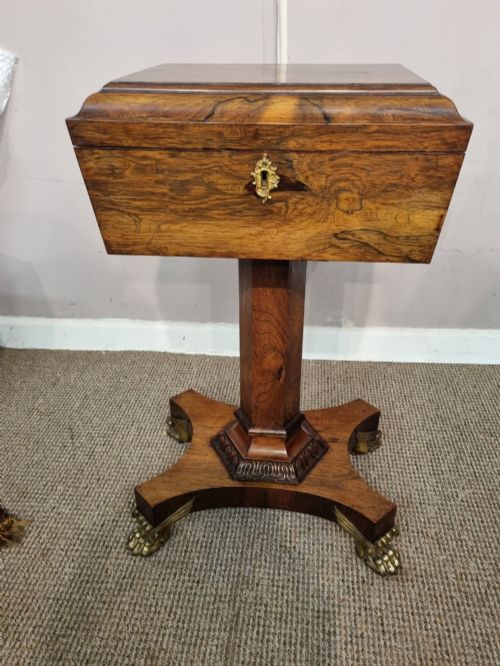
Regency Rosewood Pedestal
Regency rosewood pedestal tables bring rich timber figures and sturdy central columns into living spaces, combining refined proportions with practical surfaces.
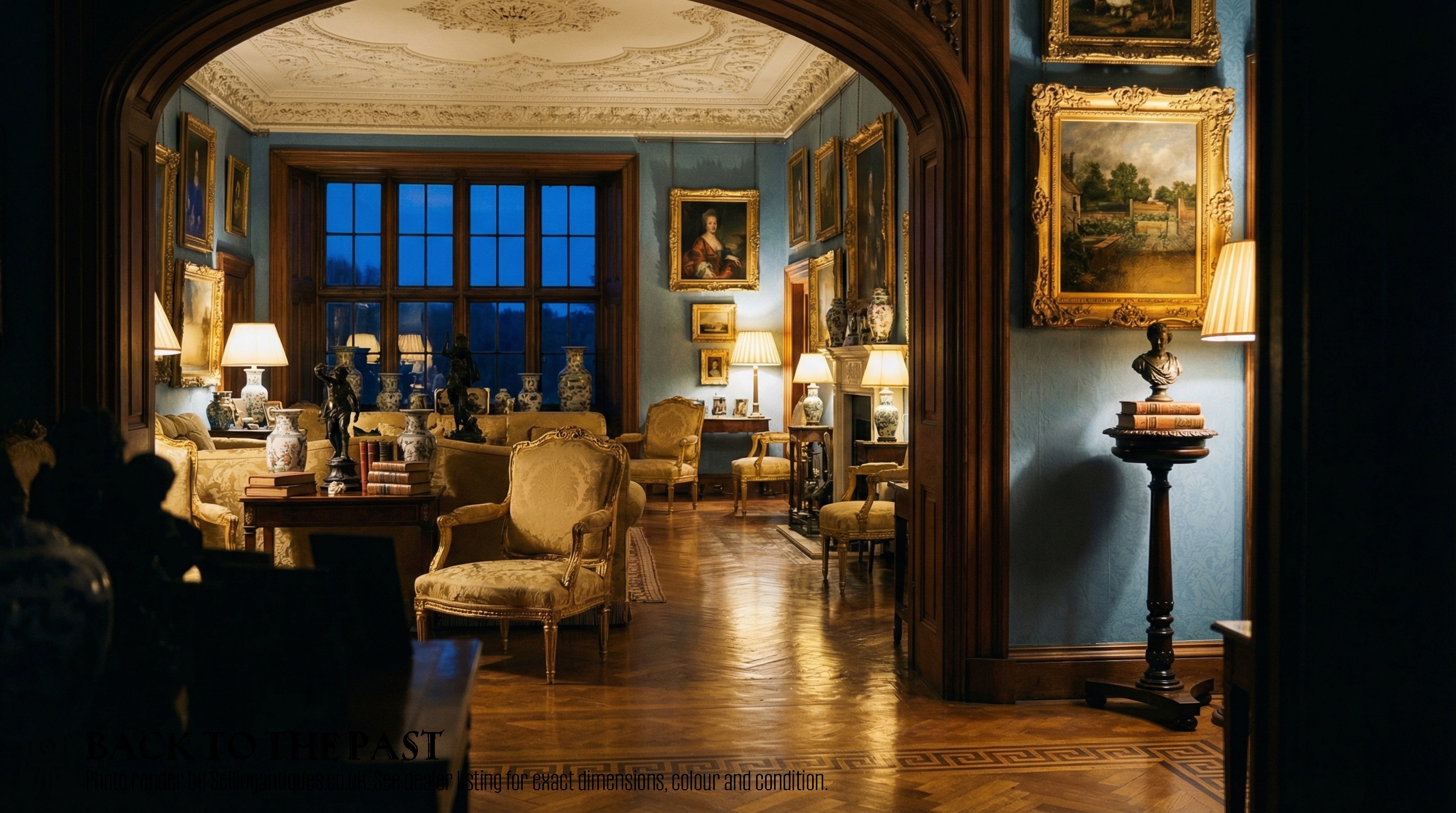
Regency Rosewood Pedestal
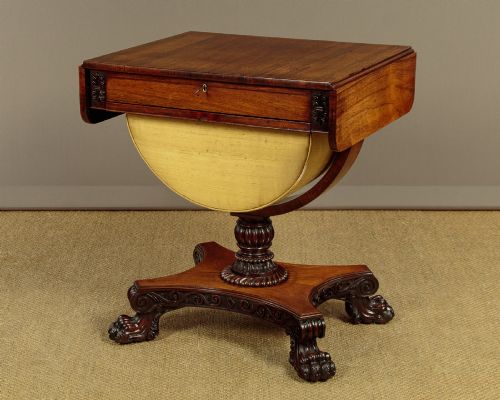
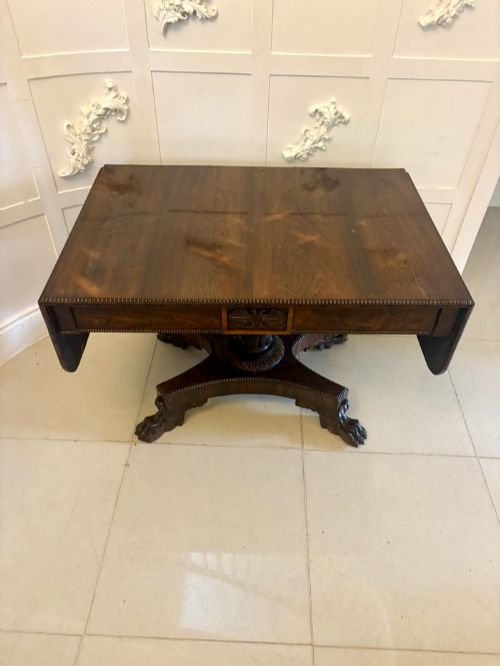
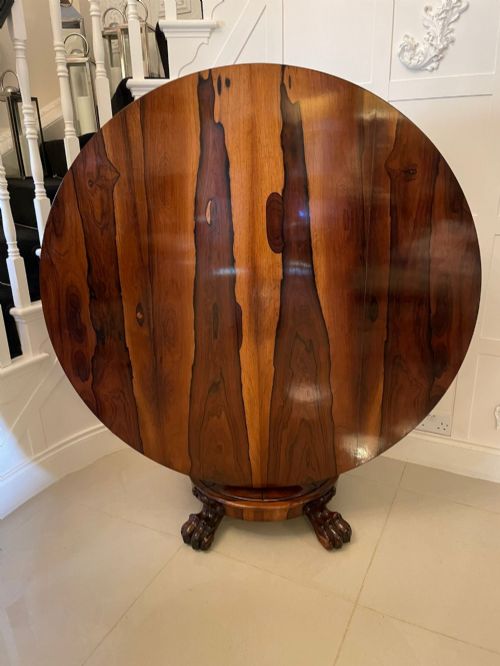
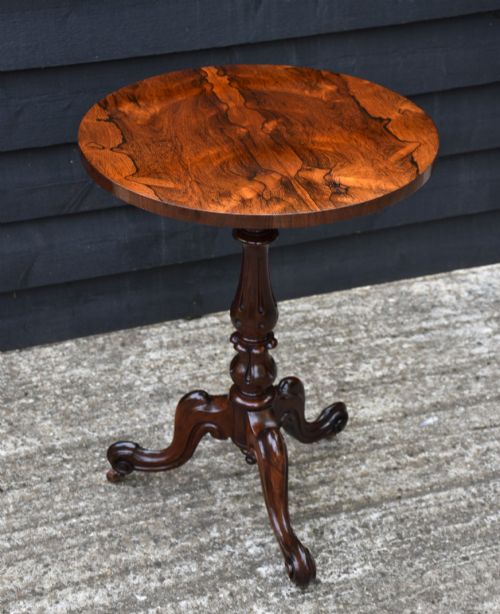
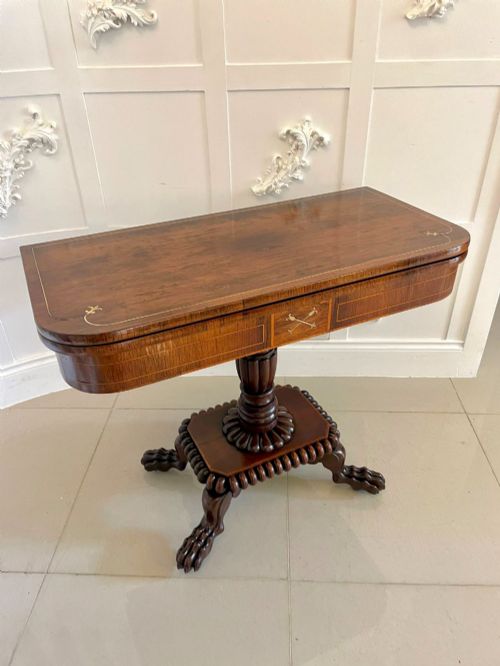
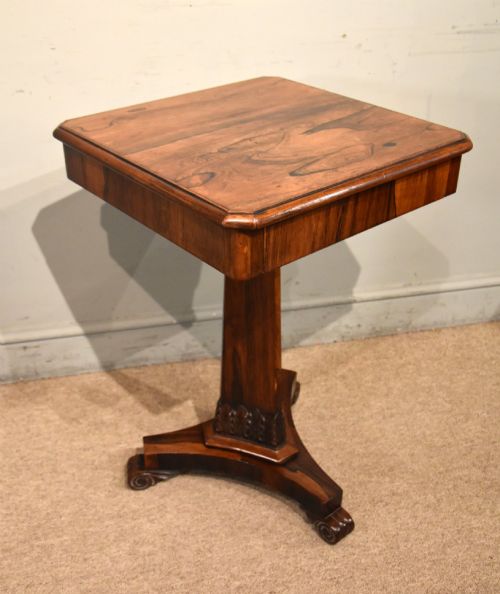
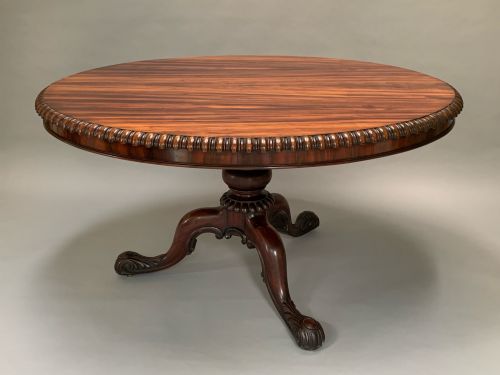
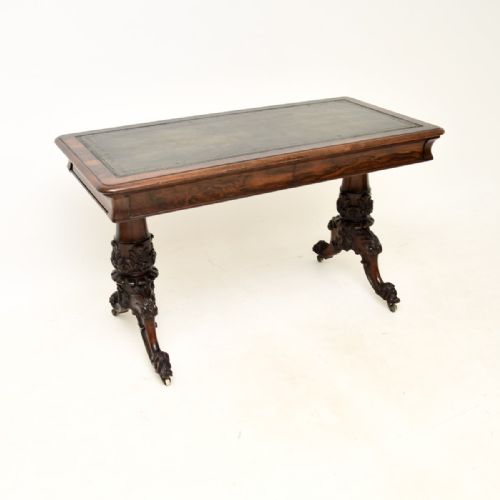
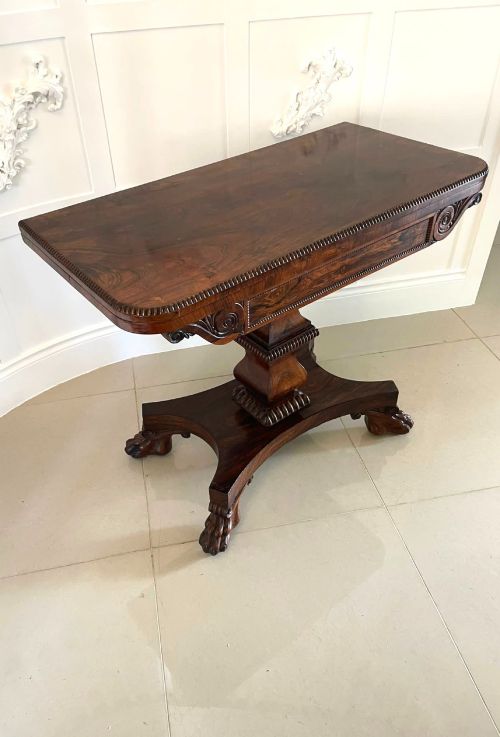
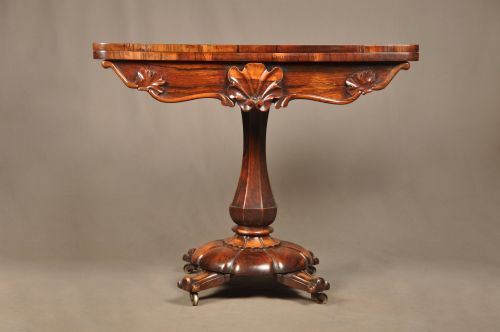
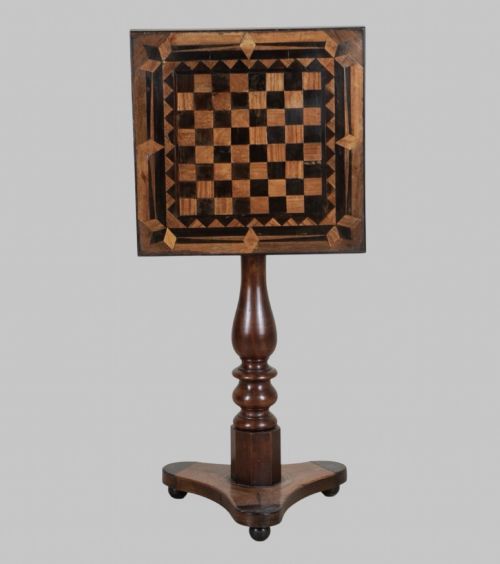
A regency rosewood pedestal typically manifests as a circular breakfast table, card table, or centre table supported by a central column resting on a platform or carved feet.
The selections span the Regency, George IV, and William IV eras, extending into early Victorian pieces while retaining the heavy influence of classic design.
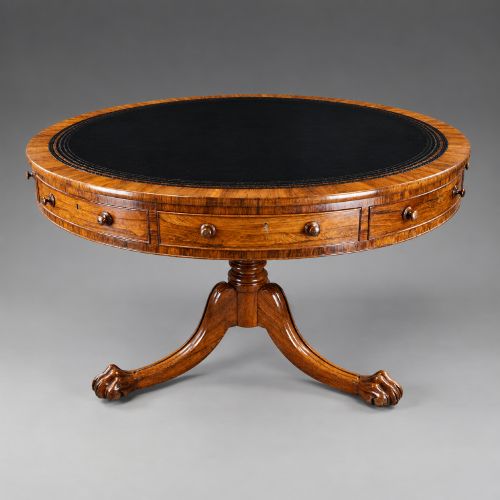
Buyers encounter numerous variations including tilt-top breakfast tables, fold-over card tables, and drum tables, often featuring brass inlay or crossbanding.
Materials and Construction
Cabinet makers utilised dense rosewood veneer applied over solid secondary timbers, frequently highlighting the rich grain patterns through bookmatching and crossbanding.
Brass inlay, satinwood banding, and intricate carved details such as lion paws or triform bases added decorative contrast to the dark timber surfaces.
Several tables include hidden compartments intended for storing tea leaves safe from damp air and pilfering servants.
Evaluating Quality
The sophistication of the timber figure and the precision of brass marquetry distinguish finer examples from simpler workshop productions.
Structural integrity within the central pedestal and the seamless movement of tilt-top mechanisms or folding leaves indicate superior cabinet making.
George Bullock·Gillows·Peters of Genoa
The Regency Rosewood Pedestal Glossary
- Pedestal
- A central supporting column or pillar that holds the main weight of the table top above a plinth or footed base. This engineering allows unhindered seating around the perimeter.
- Crossbanding
- A narrow strip of veneer laid perpendicularly to the grain of the main surface, framing the top edge. It creates a defined border that showcases the lighter timber varieties.
- Teapoy
- A small stand or box fitted on a pillar, originally designed to hold containers of tea. These diminutive pieces often incorporate internal compartments for storage.
- Tilt-top
- A mechanism allowing the table top to hinge vertically into a locked position when not in use. This clever design enabled furniture to be stored flat against walls to save floor space.
- Triform
- A three-sided base or pedestal configuration commonly found on tables from this period. It typically rests on carved animal paws or scroll feet for stability.
Regency Rosewood Pedestal: Frequently Asked Questions
How do I identify a true period table?
Examine the construction methods beneath the top, looking for hand-cut joints and secondary timbers appropriate to the early nineteenth century.
Original brass fittings, timber shrinkage patterns, and distinct patination on the rosewood finish further confirm genuine age.
Can I use a tilt-top table daily?
Tilt-top breakfast and centre tables function well for everyday dining and writing tasks when locked securely in the horizontal position.
Care should be taken with the pivoting mechanism to avoid straining the central block over years of repeated movement.
What is a card table used for?
Card tables feature a fold-over leaf that doubles the surface area when opened, historically providing a baize-lined space for evening games.
Today, these versatile pieces serve effectively as console tables against hallway or living room walls when closed.
How should I care for rosewood?
Rosewood surfaces benefit from minimal intervention, requiring only dusting with a soft cloth and occasional waxing to nourish the timber grain.
Keep these tables away from direct sunlight and heat sources to prevent the dry veneer from cracking or warping.