

Regency Rosewood Console Table
A regency rosewood console table brings rich timber grain and architectural restraint into a hallway or drawing room.
Regency Rosewood Console Table
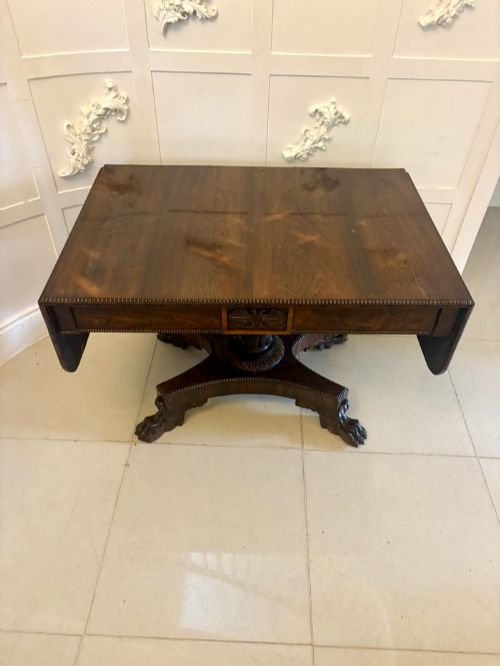
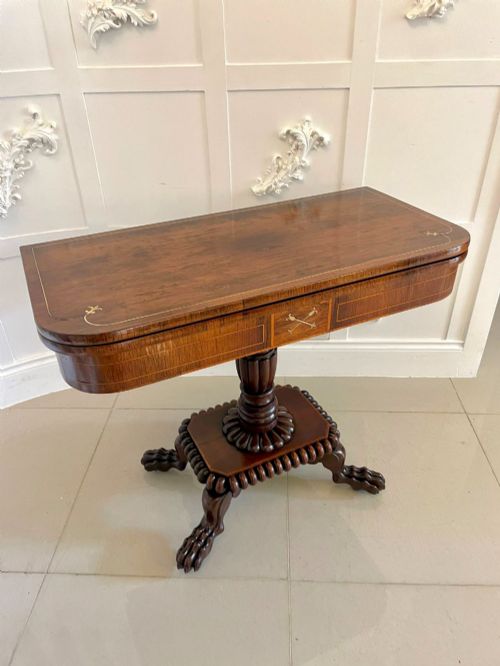
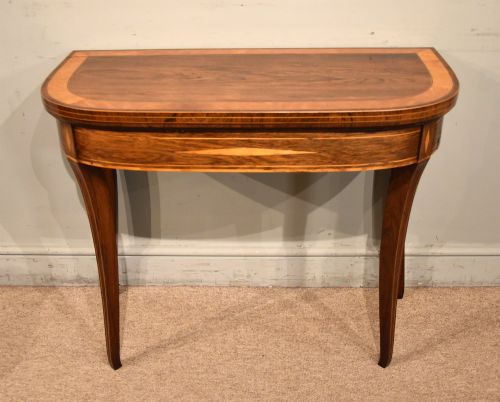
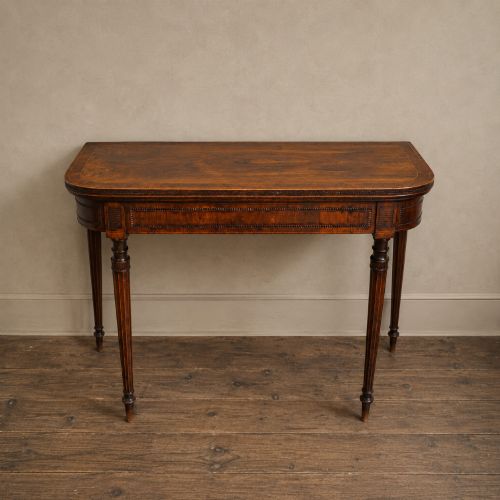
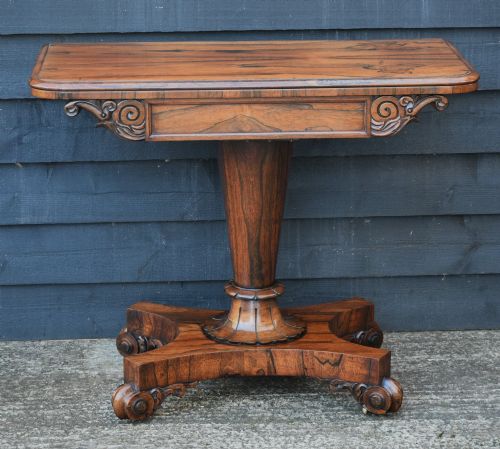
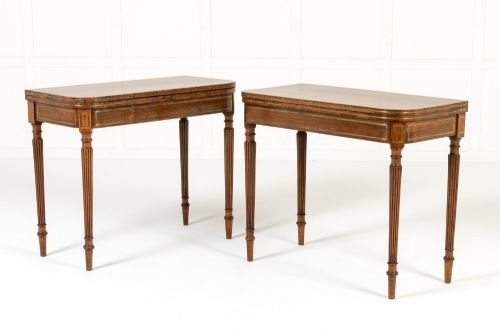
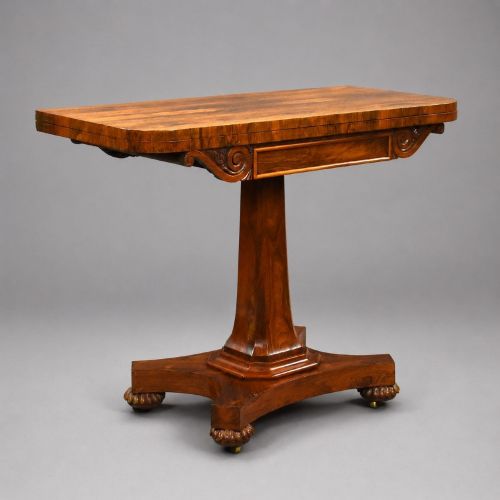
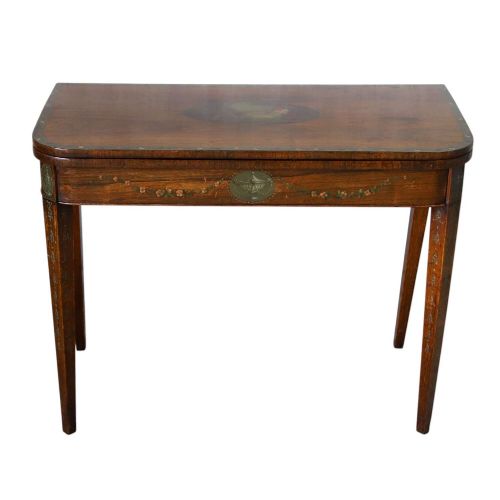
A regency rosewood console table stands against a wall, frequently doubling as a fold-over card, tea or games surface depending on its top construction. The forms span the Regency, William IV and George III periods, originating from English and Irish workshops.
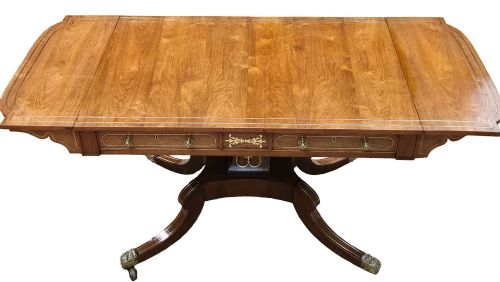
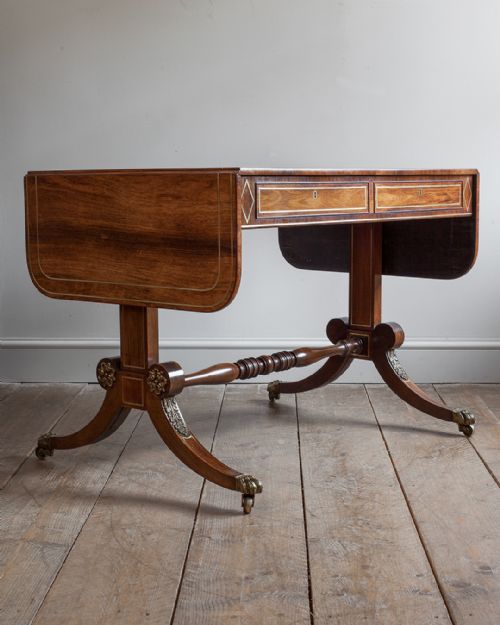
Makers produced these tables in various proportions, from narrow pier tables to freestanding library and sofa tables utilising rosewood veneers. Many examples incorporate mirrored backs, marble slabs or brass mounts characteristic of the early nineteenth century.
How they were made
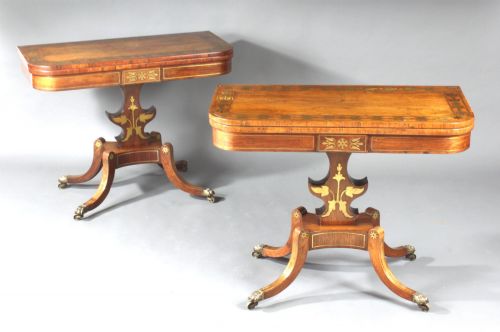
Cabinet makers applied figured rosewood veneers over secondary timbers like mahogany, often framing the grain with satinwood, boxwood or ebony stringing. Brass inlay, ormolu mounts and giltwood accents added formal contrast to the dark timber surface.
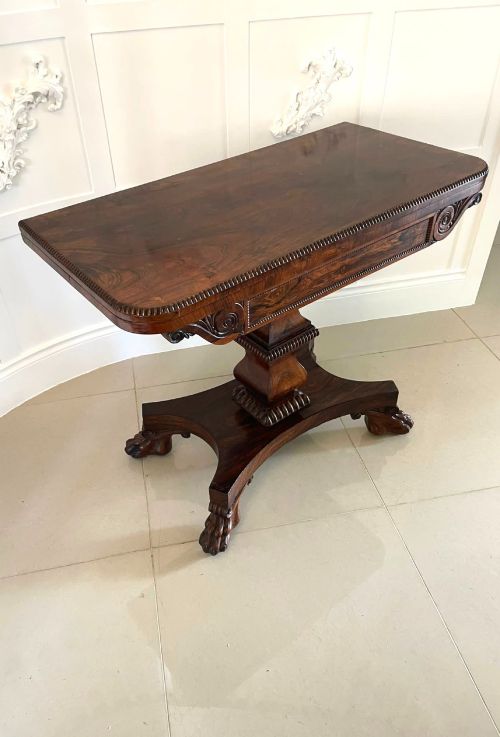
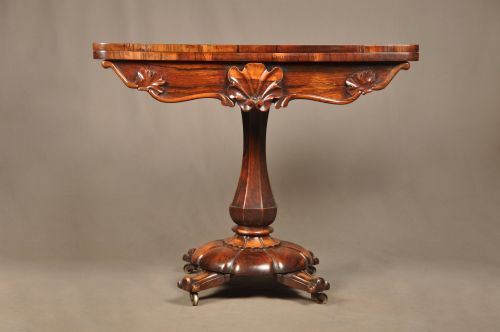
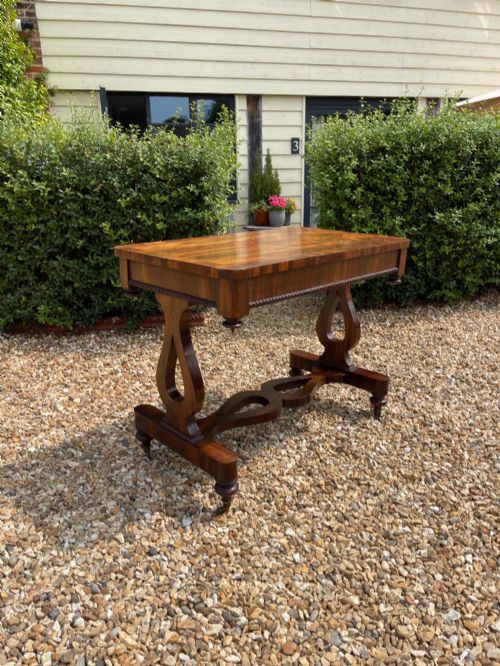
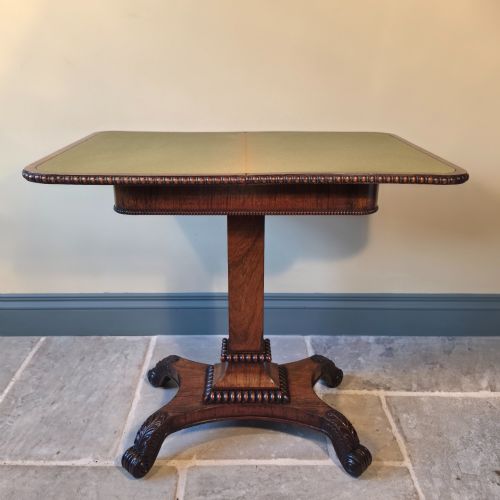
Structural supports relied on carved scroll pedestals, lyre shapes, dolphin motifs or concave legs resting on castors. Marble tops featured on specific console variants designed for heavy use in halls.
Listings feature rosewood, mahogany, satinwood and marble, spanning the Regency and Georgian periods with brass and giltwood details.
What varies in quality
The selection of rosewood veneer dictates the visual depth of the top, with symmetrical figuring commanding attention. Craftsmanship shows in the crispness of brass inlay and the carving of wooden paw feet or scroll pedestals.
Proportion and stability separate standard production from workshops associated with known makers. Secondary wood choice and the execution of fold-over hinge mechanisms indicate the standard of construction.
George Bullock·Gillows·James Mein
The Regency Rosewood Console Table Glossary
- Console table
- A wall-mounted or freestanding table designed to stand against a vertical surface in a hallway or principal room.
- Crossbanding
- A border of veneer laid with the grain running perpendicular to the main panel, common in Regency cabinet work.
- Ormolu
- Gilded bronze mounts applied to furniture for decorative enrichment during the Regency and French Empire periods.
- Satinwood
- A pale yellow exotic timber utilised for contrasting stringing and inlay on darker rosewood surfaces.
Regency Rosewood Console Table: Frequently Asked Questions
Where should I place a console table?
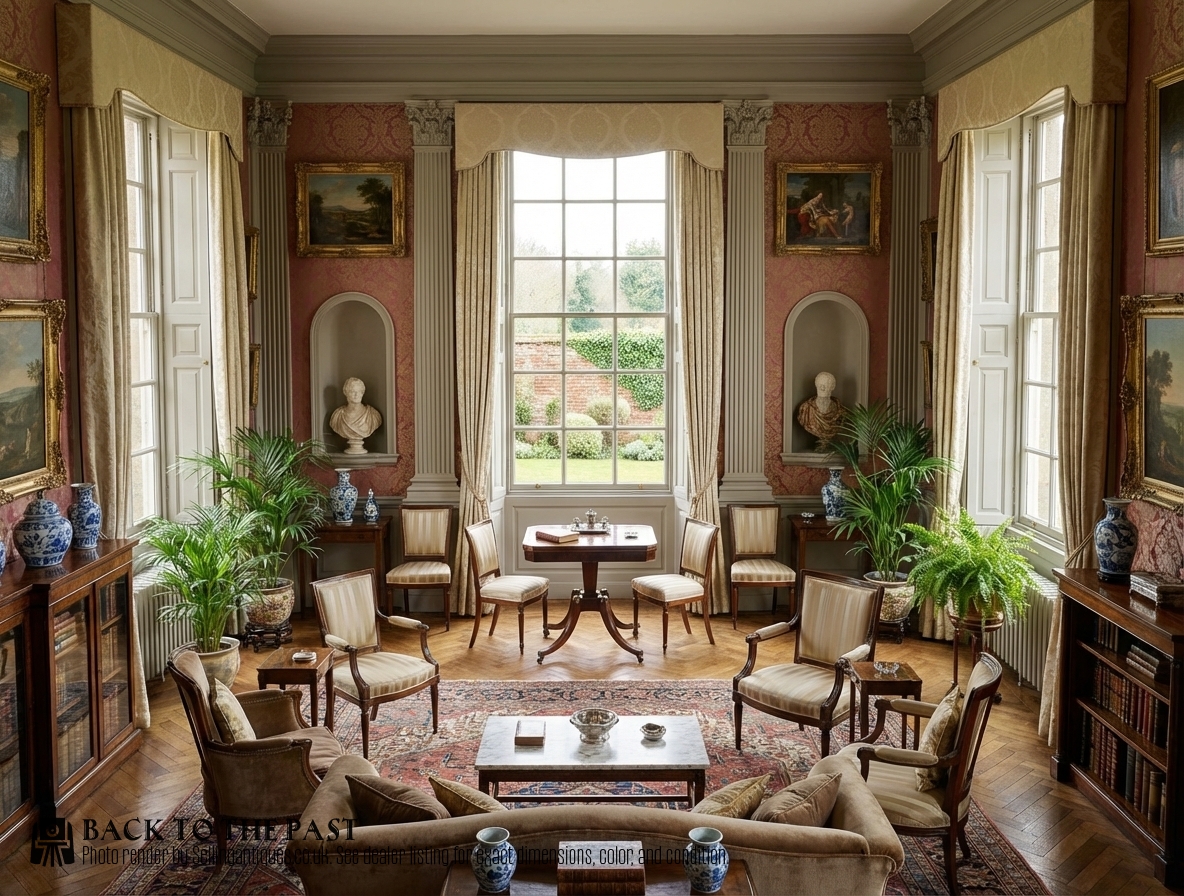
These tables suit hallways, drawing rooms and dining spaces where floor space is limited. Their shallow depth allows them to sit flush against a wall beneath a mirror or painting.
Freestanding versions can also float in larger rooms, offering a finished appearance from every angle.
How do I use a fold-over top?
The hinged top swings open to double the surface area for card games, tea or writing. Many examples conceal a lined well or space beneath the folding leaf.
Care is needed when operating the swivel mechanism to avoid straining the pivot joints.
How do I identify a Regency piece?
Key indicators include classical architectural motifs, brass inlay, scroll or lyre supports and rosewood veneers. The construction methods reflect cabinet making practices from the early nineteenth century.
Secondary woods and fixing types provide further context for dating an individual table.